


Powerpoint-Präsentationsfolie für Big-Data-Informationsarchitektur
Lassen Sie sich von der Aufmerksamkeit unserer PowerPoint-Präsentationsfolie für Big-Data-Informationsarchitektur begeistern. Bei der Entwicklung des perfekten Rahmens für ein langlebiges System kann es schwierig werden, alle Daten systematisch darzustellen. Komplexe Ideen auf vereinfachte Weise zu manifestieren, ist nicht immer praktisch. Aus diesem Grund haben wir gut recherchierte Formate und Designs für professionelle und langwierige Lösungen. Unser Expertenteam stellt sicher, dass alle PPT-Folien so gestaltet sind, dass sie für das Beste des Kunden funktionieren. Hier werden zahlreiche Symbole und Bilder für die visuelle Interaktion verwendet. Wir haben alle möglichen Aspekte der Datenstruktur abgedeckt, einschließlich Datenmarktprognose, finanzieller Aspekte, Social-Media-Ansatz und verschiedener Vergleiche, die bei der Datenanalyse für eine Out-of-Box-Ansicht verwendet werden. Unsere einzigen und faszinierenden PowerPoint-Folien sind Ihr Tor zum Fortschritt und dienen dazu, die Aufmerksamkeit Ihres Betrachters auf das Konzept der Unterscheidung zu lenken und die Qualität und Genauigkeit der Geschäftsprozesse zu verbessern. Entmutigen Sie unüberlegte Kommentare mit unserer Powerpoint-Präsentationsfolie für Big Data-Informationsarchitekturen. Stellen Sie sicher, dass die Benutzer den Anstand einhalten.









You must be logged in to download this presentation.


Do you want to remove this product from your favourites?
 Impress your
 audience
 100%
100% Editable
 Save Hours
 of Time
Funktionen dieser PowerPoint-Präsentationsfolien:
Dieses Bundle enthält hochauflösende PowerPoint-Folien, die mit der Breitbildansicht und Google-Folien kompatibel sind. Sie können diese problemlos in PDF- oder JPEG-Formate konvertieren. Zum Vergleich sind verlockende Grafiken enthalten, die einfach personalisiert werden können. Studenten, Analysten und Marketingfachleute können diese Powerpoint-Folien für ein erstklassiges Erlebnis verwenden. Sie können diese PPTs nach dem Herunterladen auf beliebige Weise verwenden.

People who downloaded this PowerPoint presentation also viewed the following :
Inhalt dieser Powerpoint-Präsentation
Folie 1 : Diese Folie stellt die Big-Data-Informationsarchitektur vor. Geben Sie Ihren Firmennamen an und legen Sie los.
Folie 2 : Dies ist eine Agenda-Folie. Geben Sie hier Ihre Agenden an.
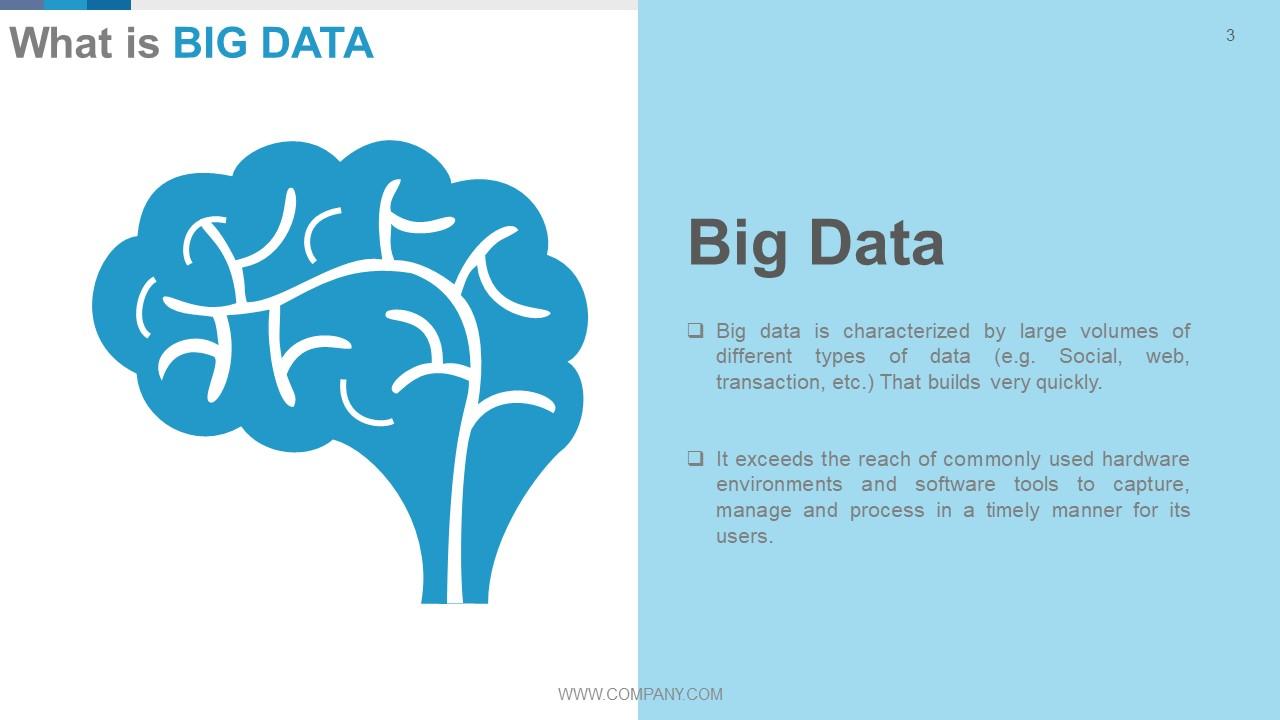
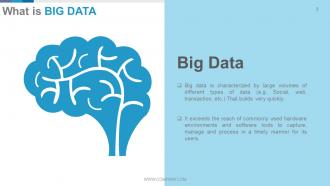
Folie 3 : Diese Folie zeigt, was Big Data mit Definition ist.
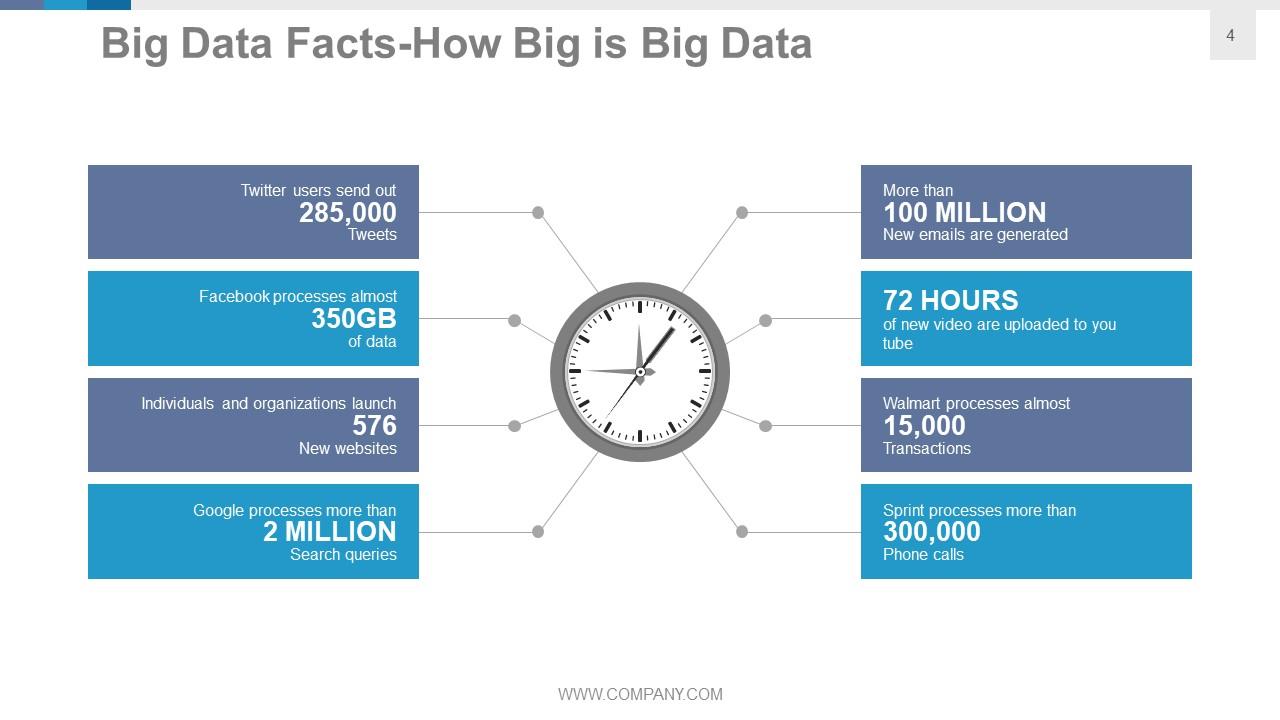
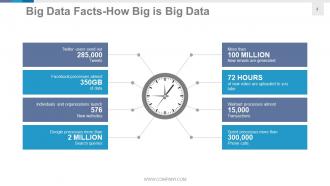
Folie 4 : Diese Folie präsentiert Big Data-Fakten – Wie groß Big Data ist, in tabellarischer Form.
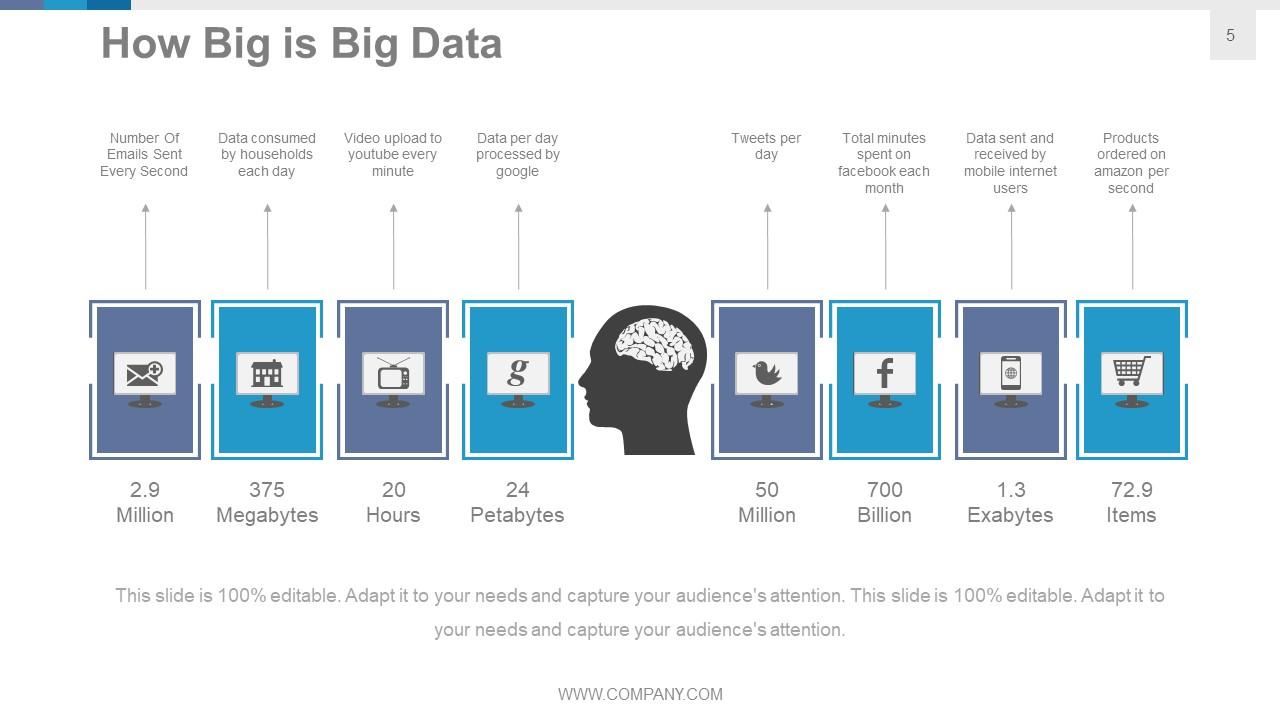
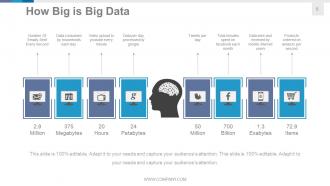
Folie 5 : Diese Folie zeigt auch, wie groß Big Data ist, mit Beispielen wie: Pro Sekunde bestellte Produkte, Von mobilen Internetnutzern gesendete und empfangene Daten, Tweets pro Tag, Gesamtzahl der monatlich auf Facebook verbrachten Minuten, Anzahl der pro Sekunde gesendeten E-Mails, Von Haushalten täglich verbrauchte Daten, von Google verarbeitete Daten pro Tag, Video-Upload auf YouTube jede Minute.
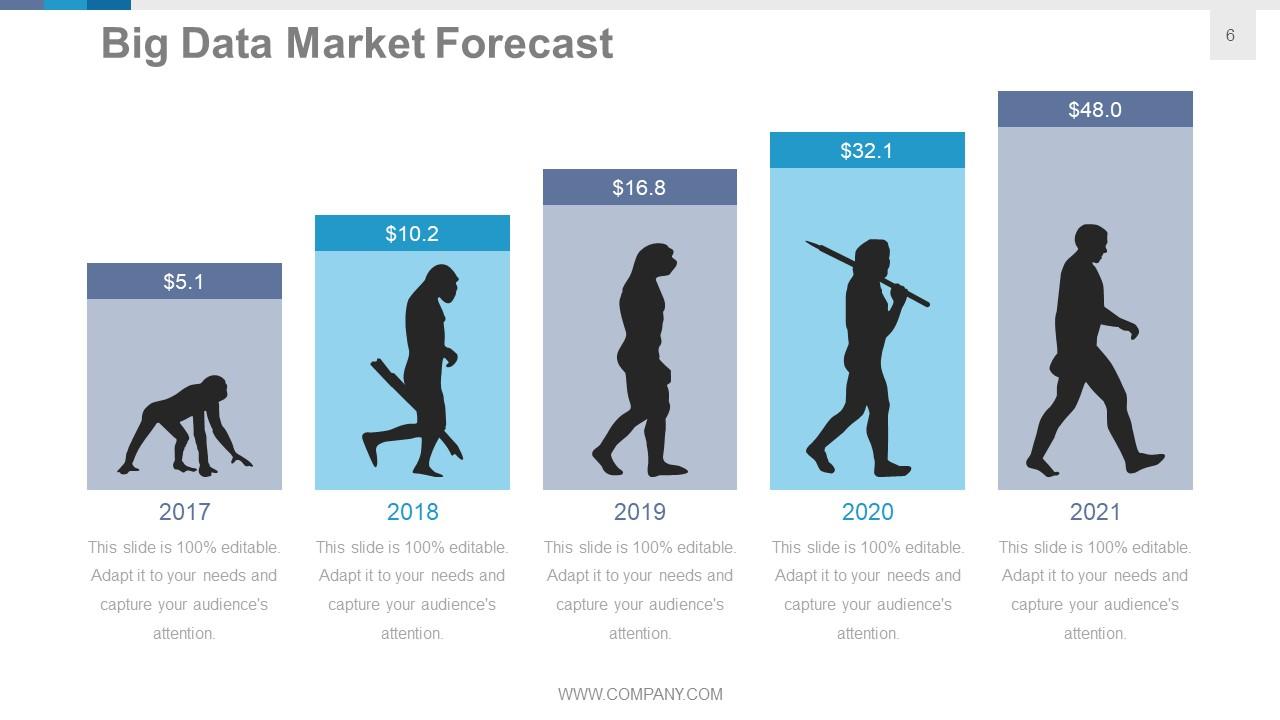
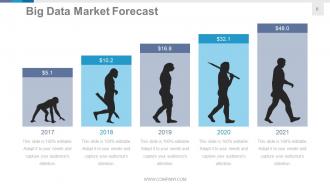
Folie 6 : Diese Folie präsentiert die Big-Data-Marktprognose für eine bestimmte zu bewertende Dauer.
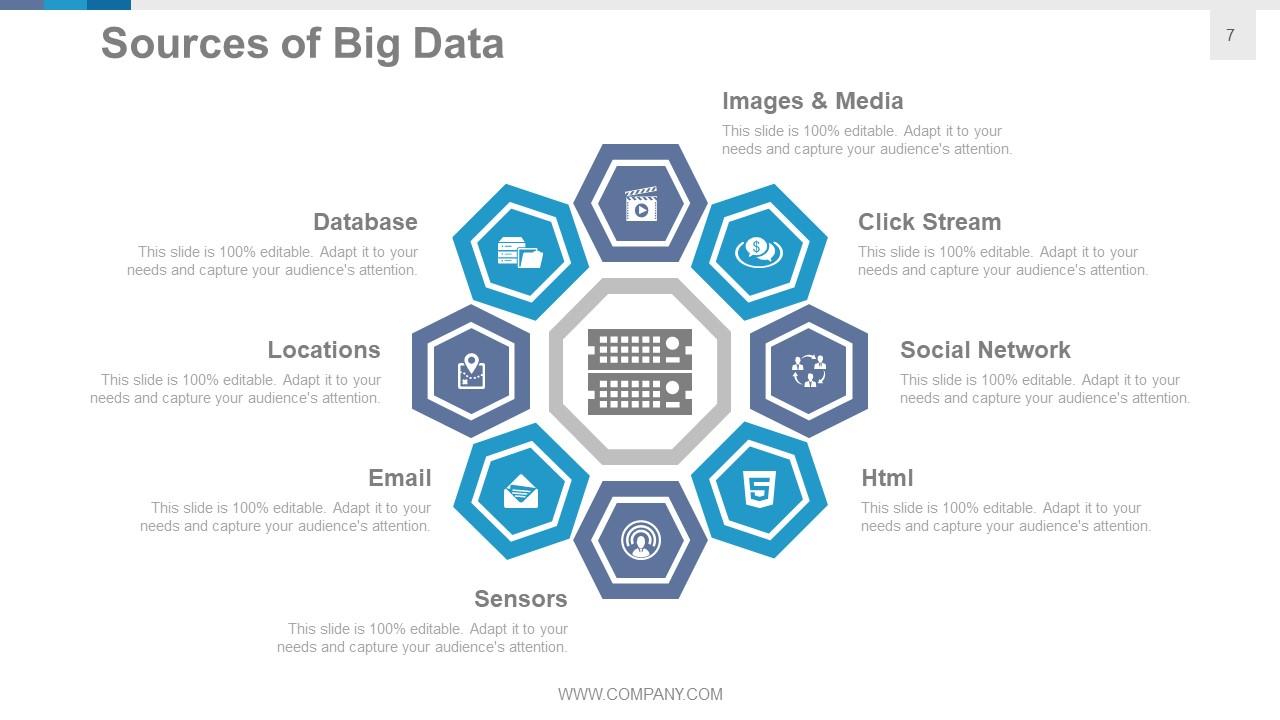
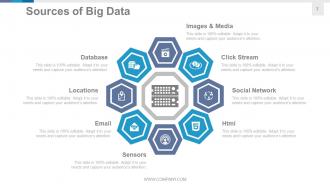
Folie 7 : Diese Folie präsentiert Big Data-Quellen mit den folgenden Punkten – Bilder & Medien, Sensoren, Click Stream, Soziales Netzwerk, Html, E-Mail, Standorte, Datenbank.
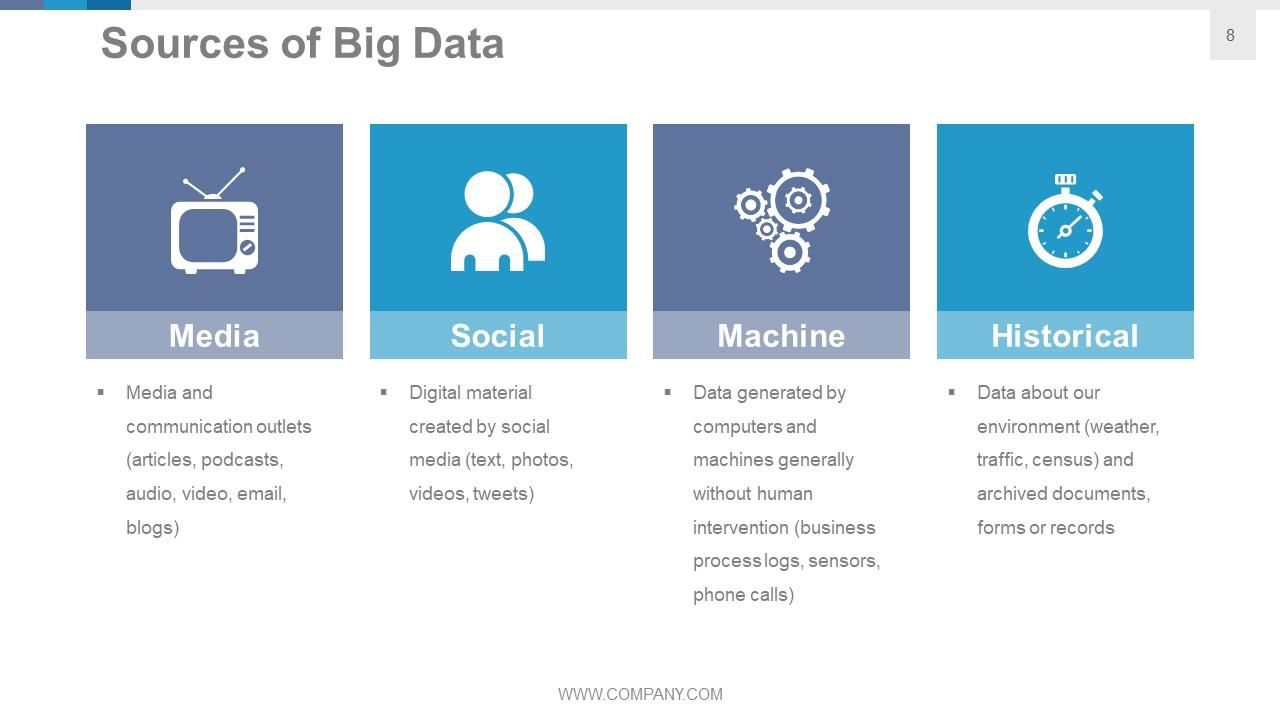
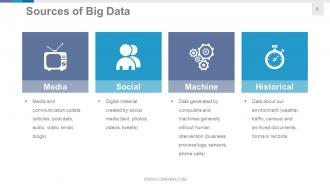
Folie 8 : Diese Folie zeigt auch Quellen von Big Data mit den folgenden Punkten: Medien: Medien und Kommunikationskanäle (Artikel, Podcasts, Audio, Video, E-Mail, Blogs) Sozial: Von sozialen Medien erstelltes digitales Material (Text, Fotos, Videos, Tweets) Maschine: Daten, die von Computern und Maschinen im Allgemeinen ohne menschliches Eingreifen generiert werden (Geschäftsprozessprotokolle, Sensoren, Telefonanrufe) Historisch: Daten über unsere Umgebung (Wetter, Verkehr, Volkszählung) und archivierte Dokumente, Formulare oder Aufzeichnungen
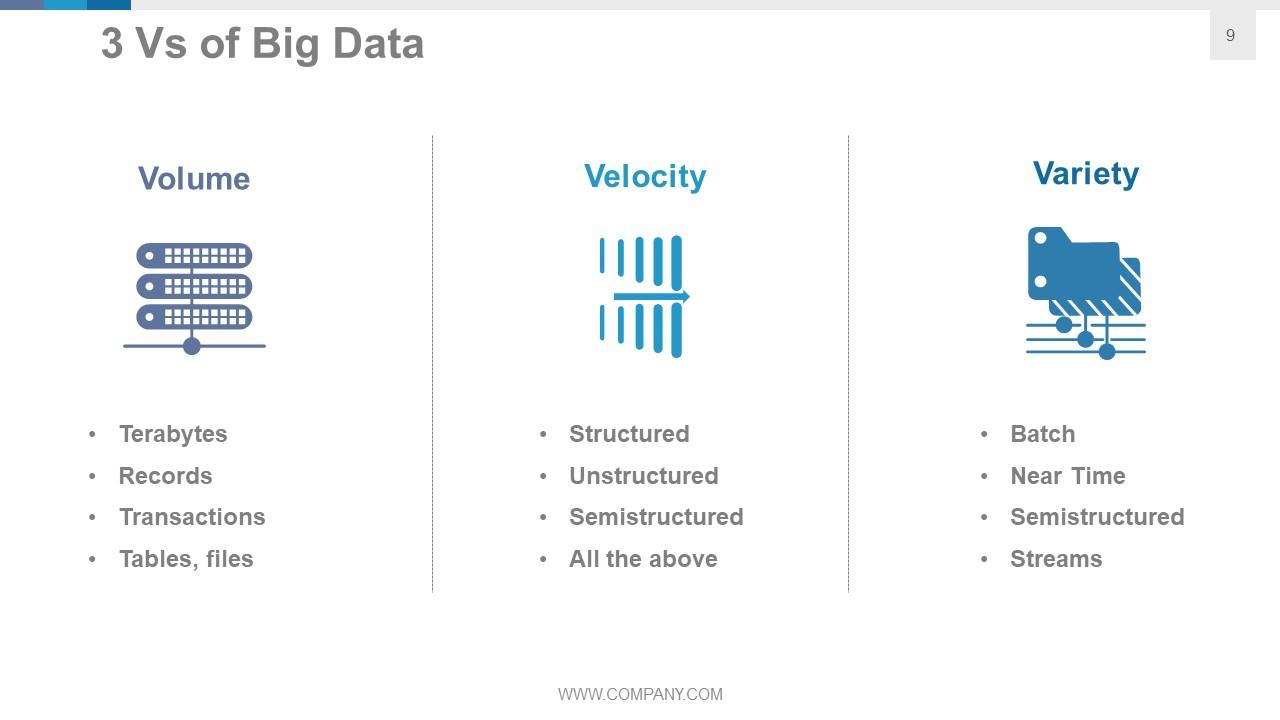
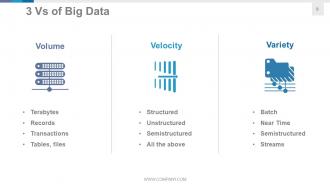
Folie 9 : Diese Folie zeigt 3 Vs Big Data-Volumen: Terabyte, Datensätze, Transaktionen, Tabellen, Dateien. Vielfalt: Batch, Near Time, Semistrukturiert, Streams. Geschwindigkeit: Strukturiert, Unstrukturiert, Semistrukturiert.
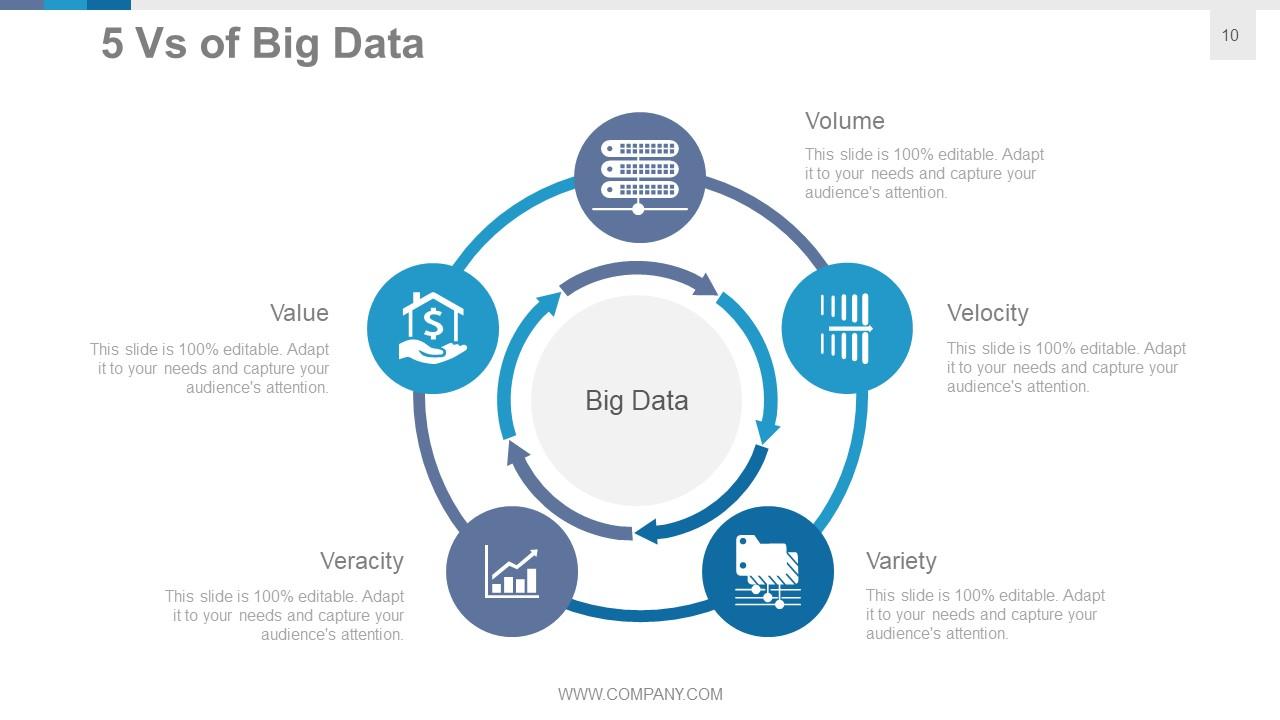
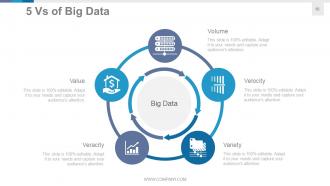
Folie 10 : Diese Folie präsentiert 5 Vs von Big Data. Sie sind - Volumen, Geschwindigkeit, Vielfalt, Wahrhaftigkeit, Wert.
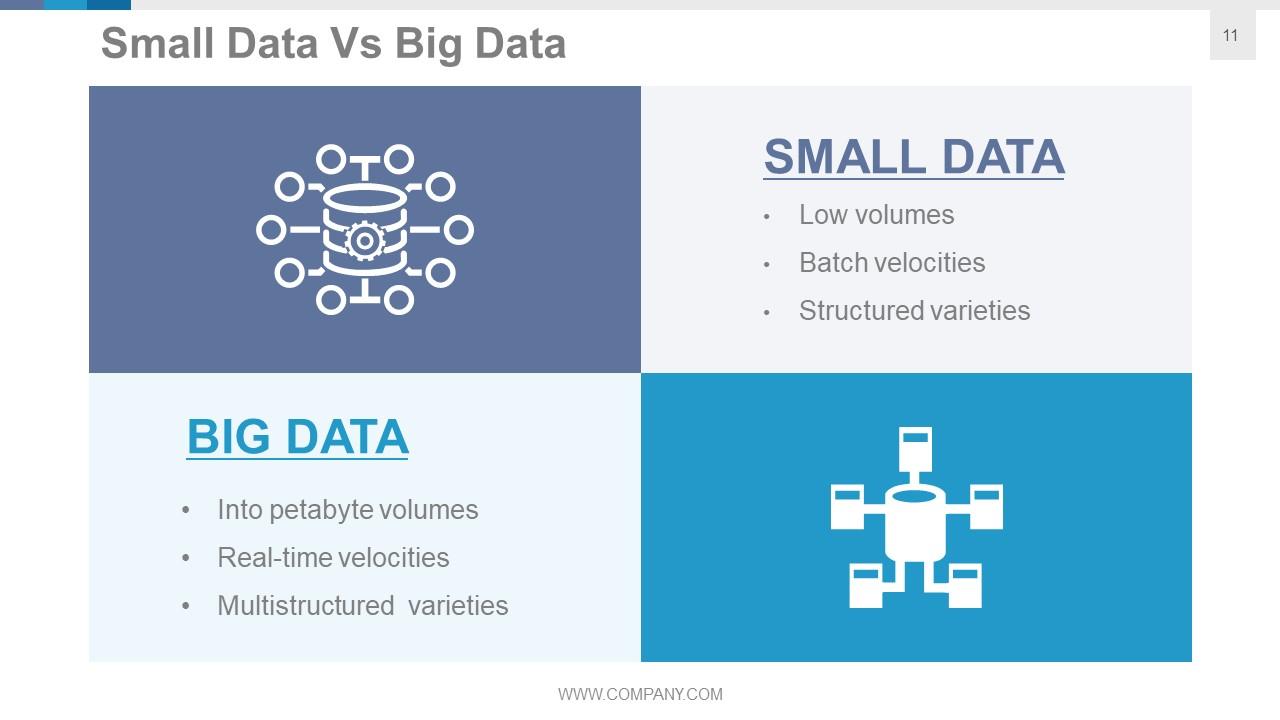
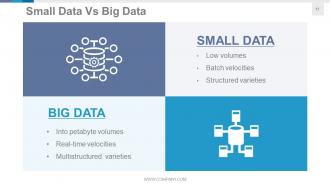
Folie 11 : Diese Folie präsentiert Small Data vs. Big Data. KLEINE DATEN (kleine Volumina, Batch-Geschwindigkeiten, strukturierte Varianten) BIG DATA (in Petabyte-Volumen, Echtzeit-Geschwindigkeiten, multistrukturierte Varianten).
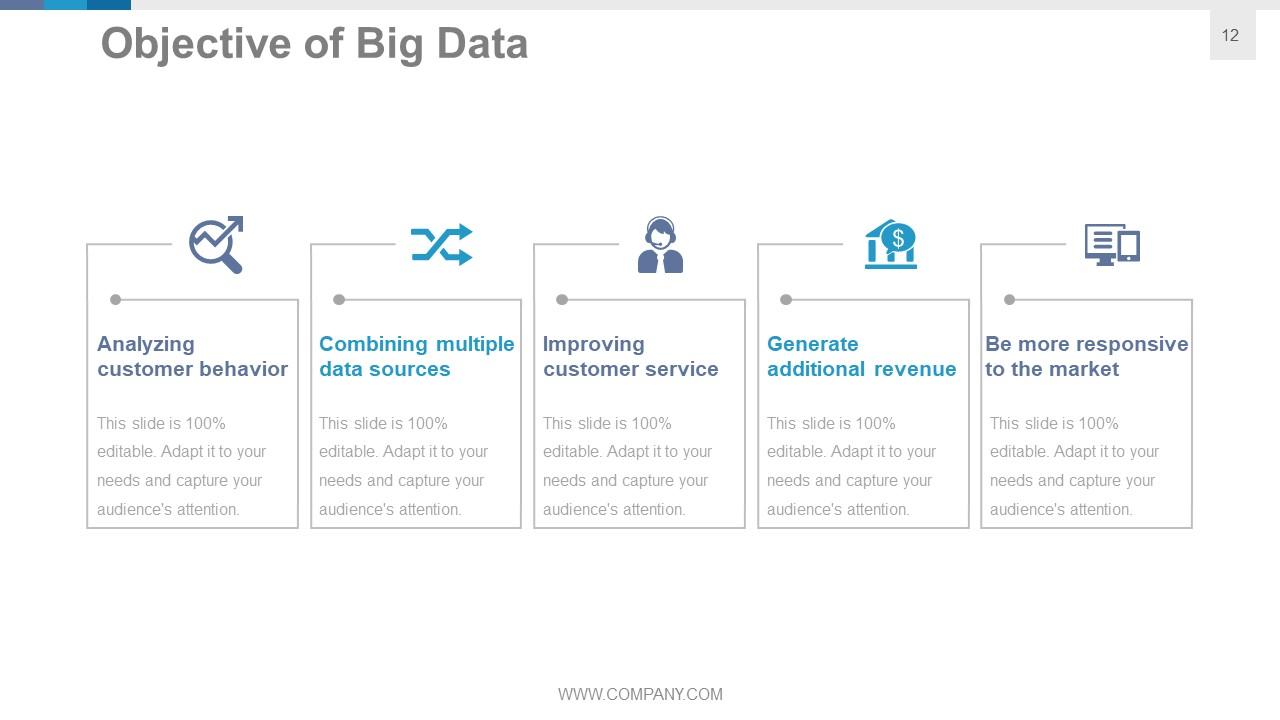
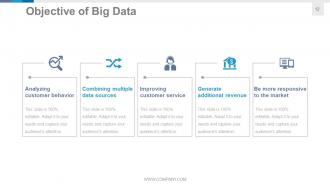
Folie 12 : Diese Folie präsentiert Ziele von Big Data wie: Analyse des Kundenverhaltens, Kombination mehrerer Datenquellen, Verbesserung des Kundenservice, Generierung zusätzlicher Einnahmen, Reaktionsfähigkeit auf den Markt.
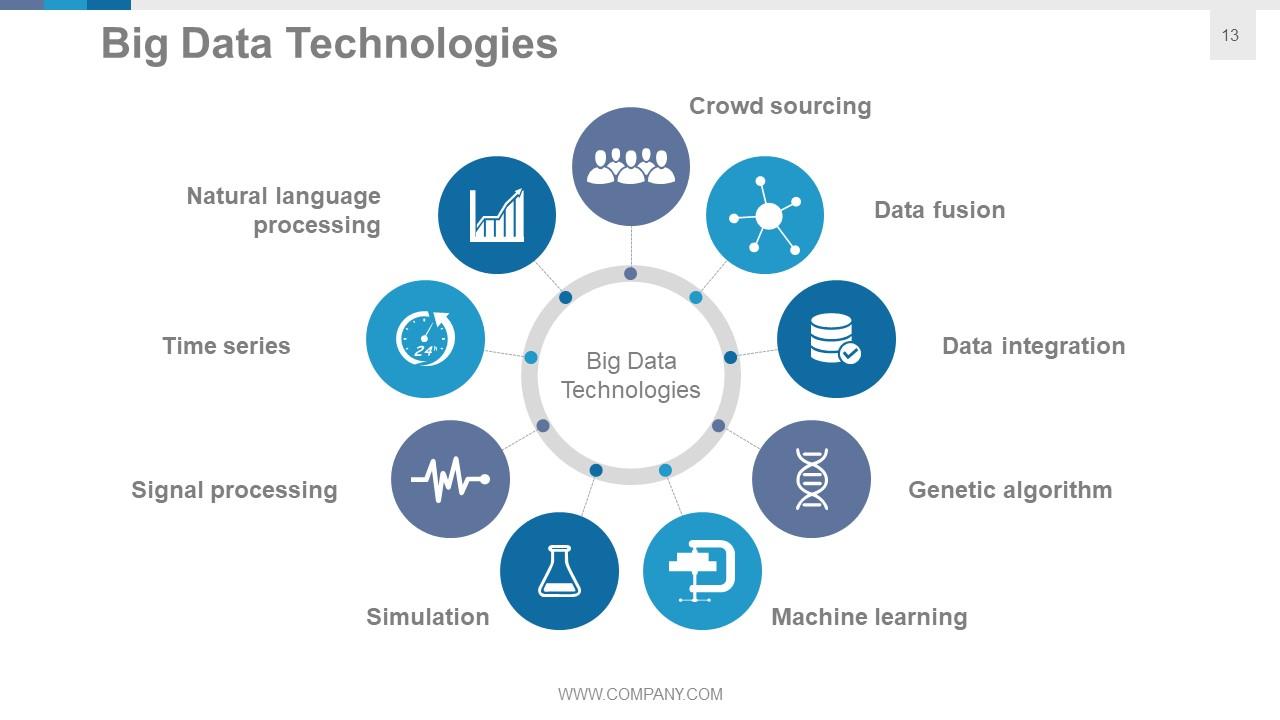
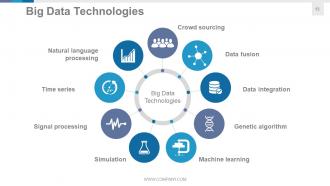
Folie 13 : Diese Folie präsentiert Big Data-Technologien mit den folgenden Punkten – Big Data-Technologien, Crowd Sourcing, Datenfusion, Datenintegration, Maschinelles Lernen, Simulation, Genetischer Algorithmus, Verarbeitung natürlicher Sprache, Signalverarbeitung, Zeitreihen.
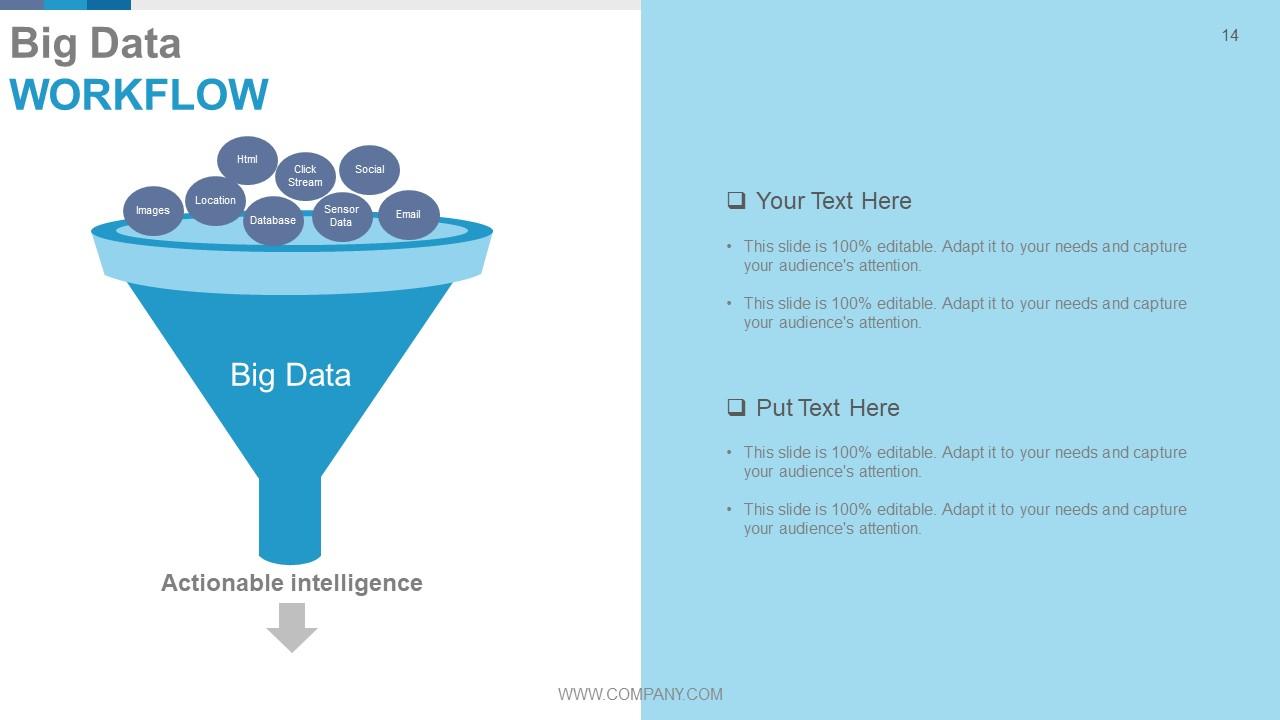
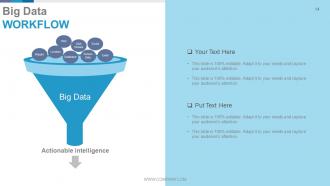
Folie 14 : Diese Folie zeigt den Big Data-Workflow mit den folgenden Inhalten – Big Data, E-Mail, Click Stream, Html, Social, Location, Database, Sensor Data, Images, Actionable Intelligence.
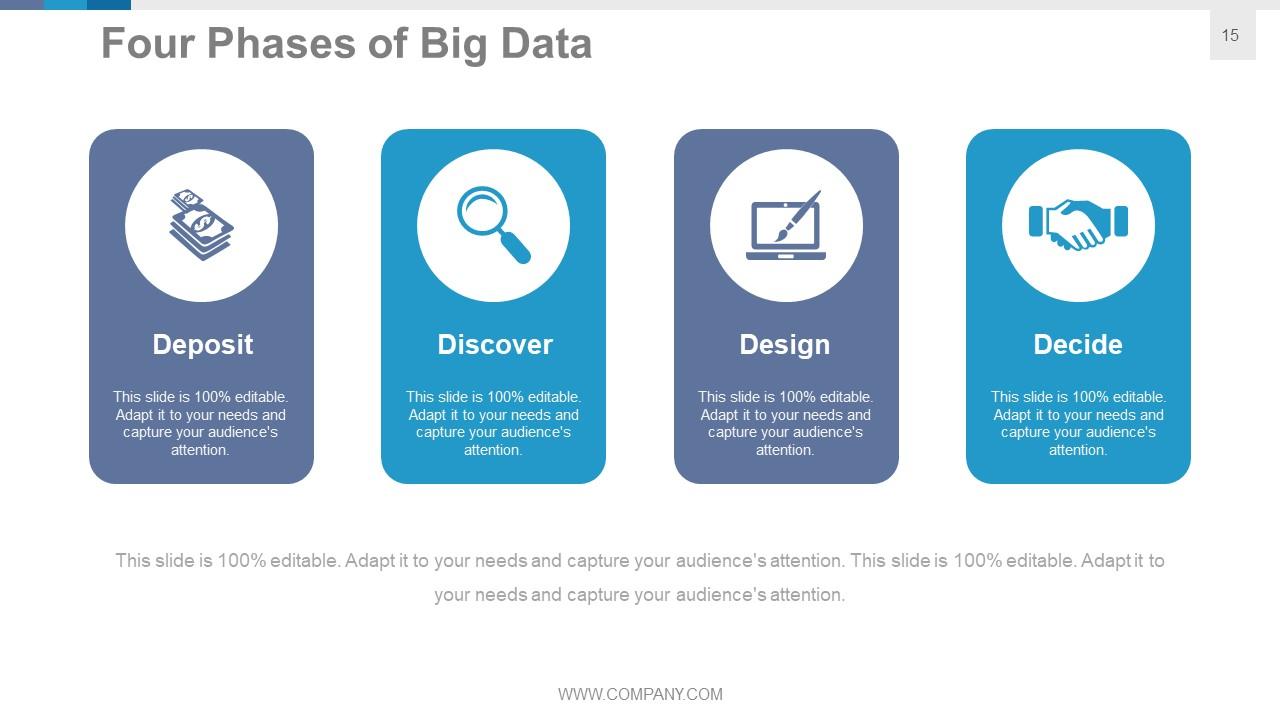
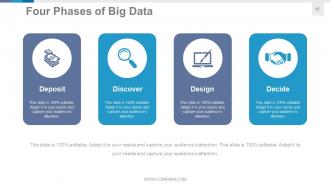
Folie 15 : Diese Folie stellt vier Phasen von Big Data vor. Die aufgelisteten sind: Einzahlung, Entdecken, Entwerfen, Entscheiden.
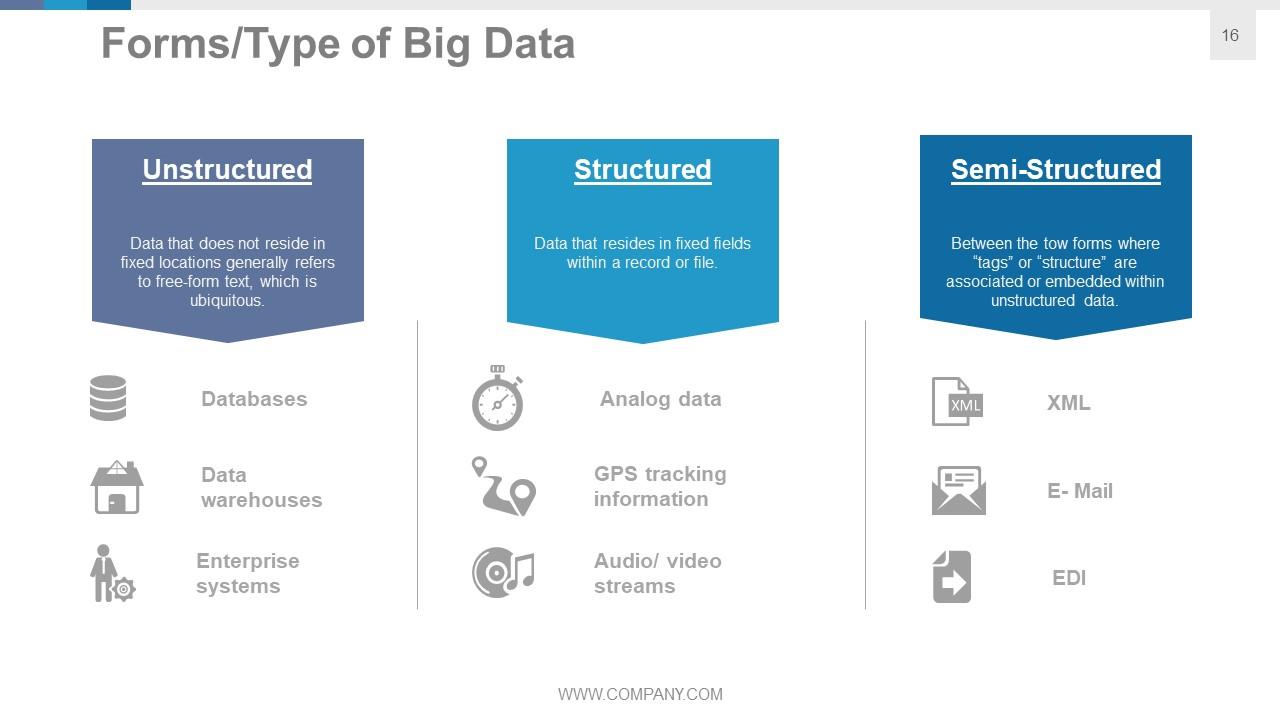
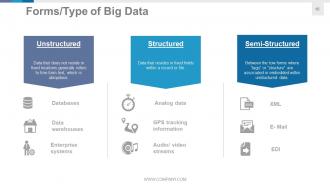
Folie 16 : Diese Folie zeigt Formulare/Typen von Big Data unstrukturiert: Daten, die sich nicht an festen Orten befinden, beziehen sich im Allgemeinen auf freien Text, der allgegenwärtig ist. Strukturiert: Daten, die sich in festen Feldern innerhalb eines Datensatzes oder einer Datei befinden. Semi-strukturiert: Zwischen den beiden Formularen, in denen „Tags“ oder „Struktur“ verknüpft oder in unstrukturierte Daten eingebettet sind.
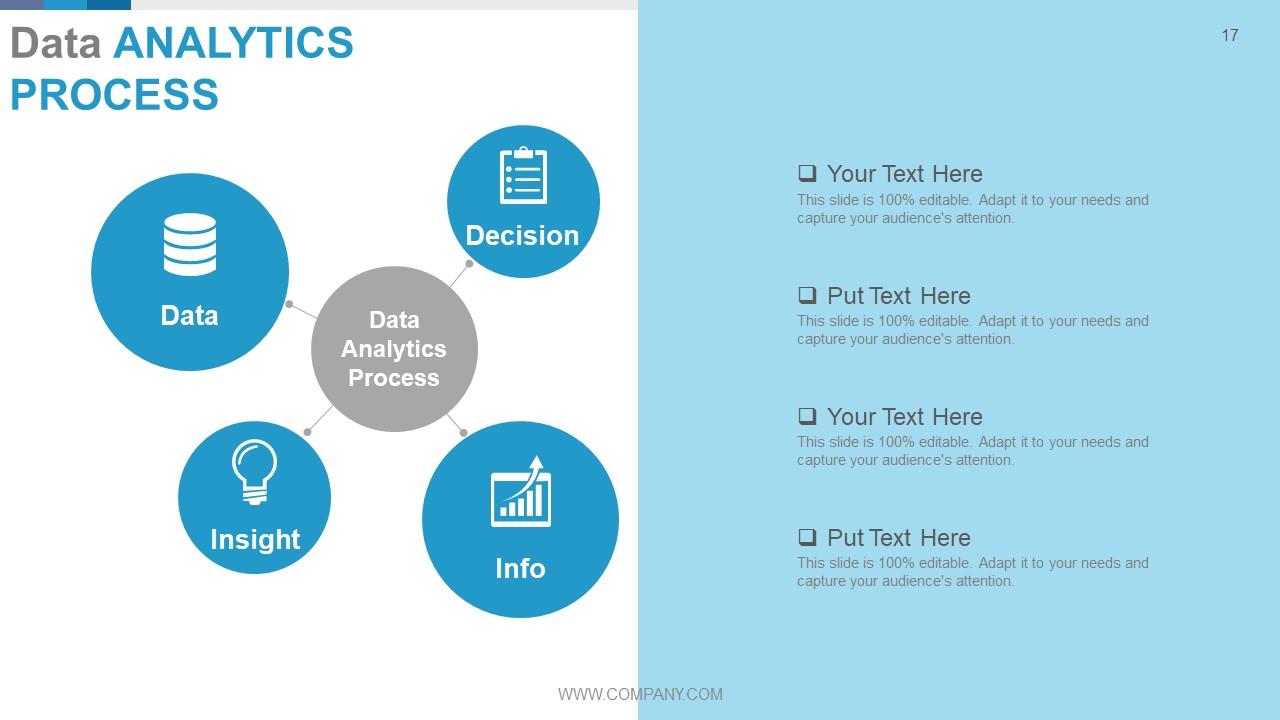
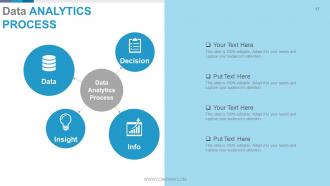
Folie 17 : Diese Folie präsentiert den Datenanalyseprozess mit den folgenden Unterüberschriften – Entscheidung, Daten, Einblick, Info.
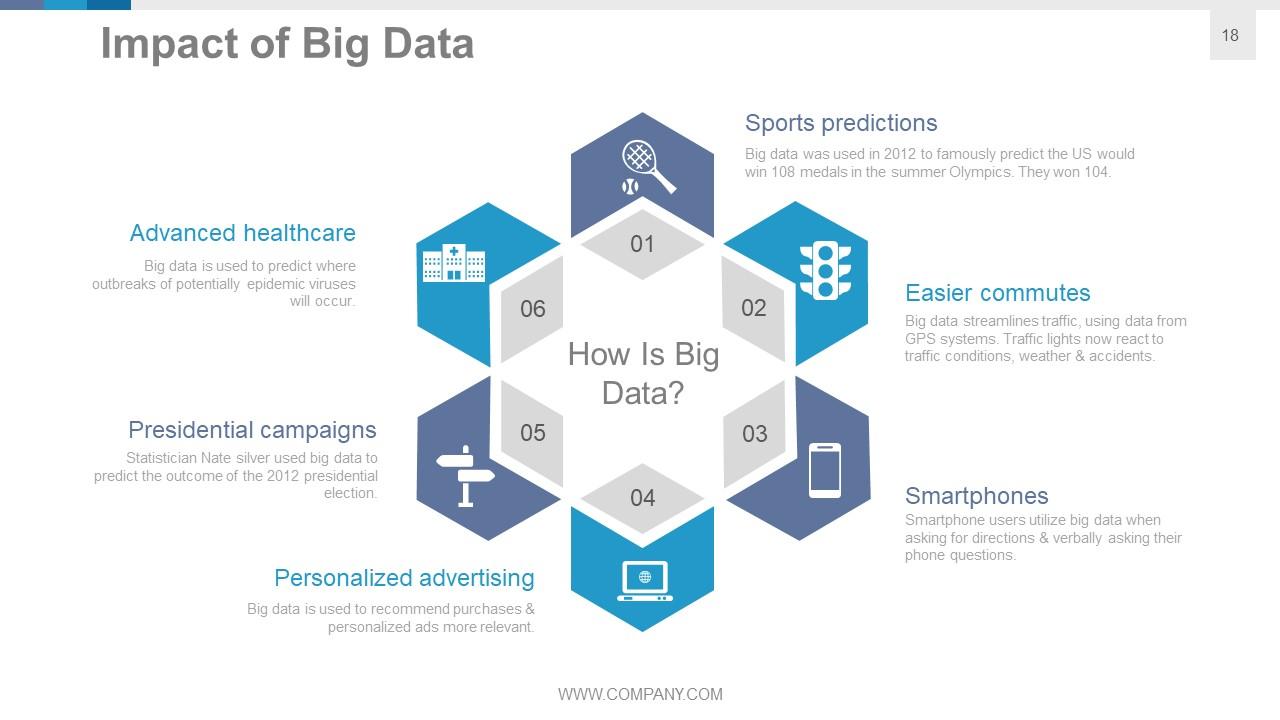
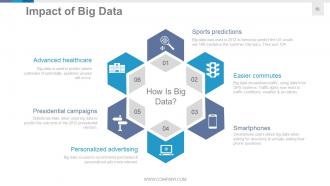
Folie 18 : Diese Folie zeigt die Auswirkungen von Big Data mit den folgenden Punkten: Wie ist Big Data? Sportvorhersagen, einfacheres Pendeln, Smartphones, personalisierte Werbung, Präsidentschaftskampagnen, fortschrittliches Gesundheitswesen.
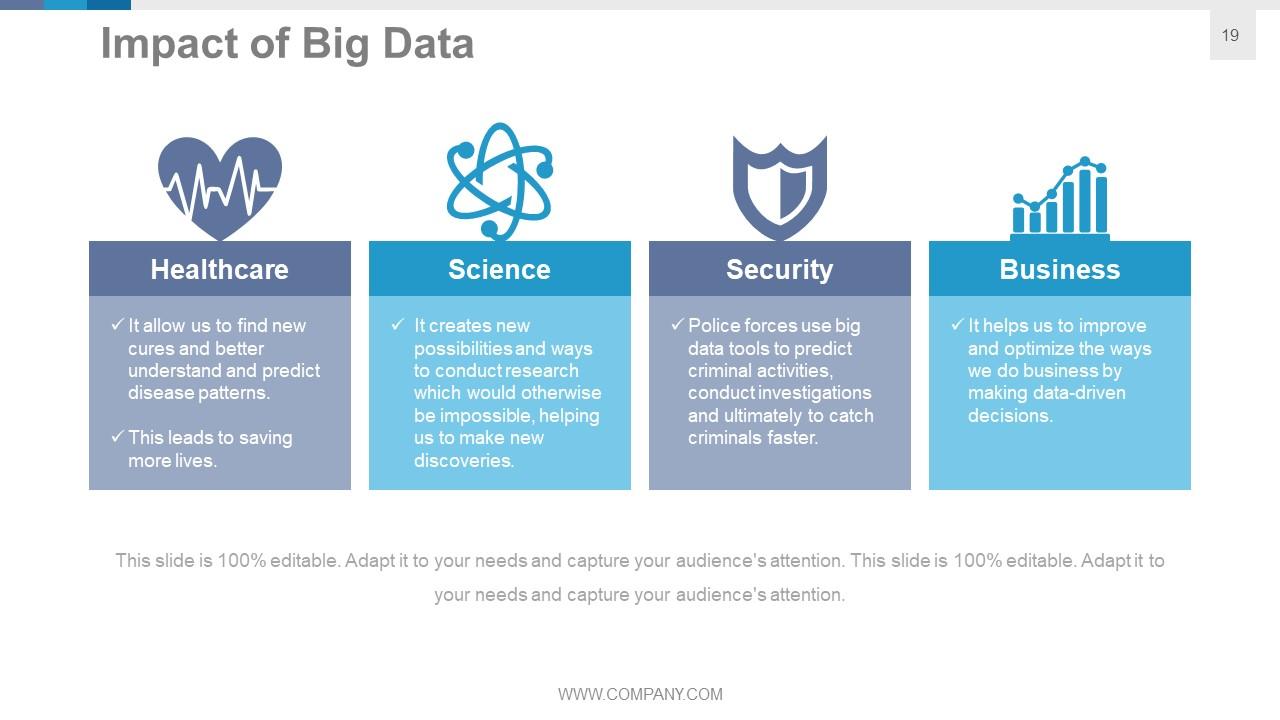
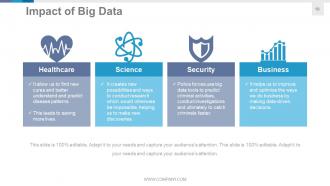
Folie 19 : Diese Folie zeigt die Auswirkungen von Big Data in den folgenden Sektoren – Gesundheitswesen, Wissenschaft, Sicherheit, Unternehmen.
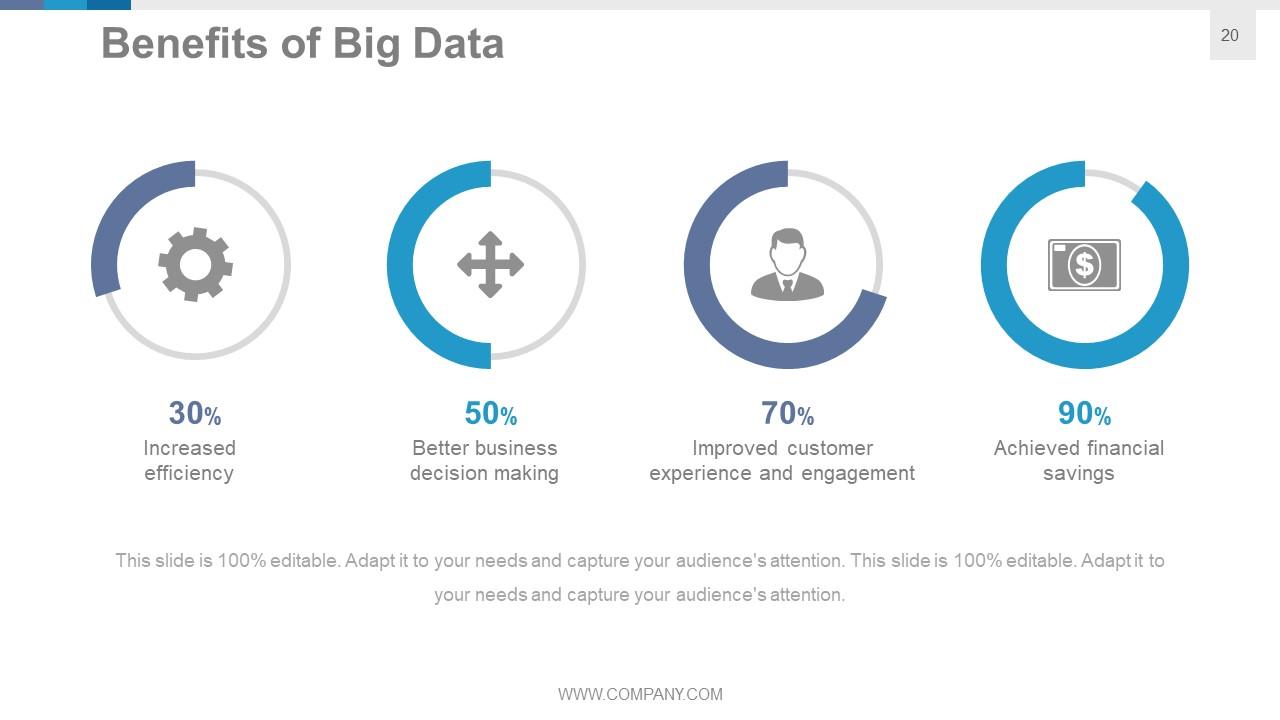
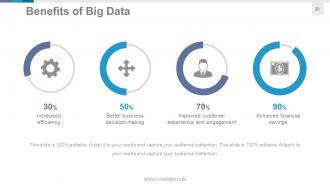
Folie 20 : Diese Folie zeigt die Vorteile von Big Data wie: Bessere Entscheidungsfindung im Unternehmen, Verbesserte Kundenerfahrung und -bindung, Erzielte finanzielle Einsparungen, Erhöhte Effizienz.
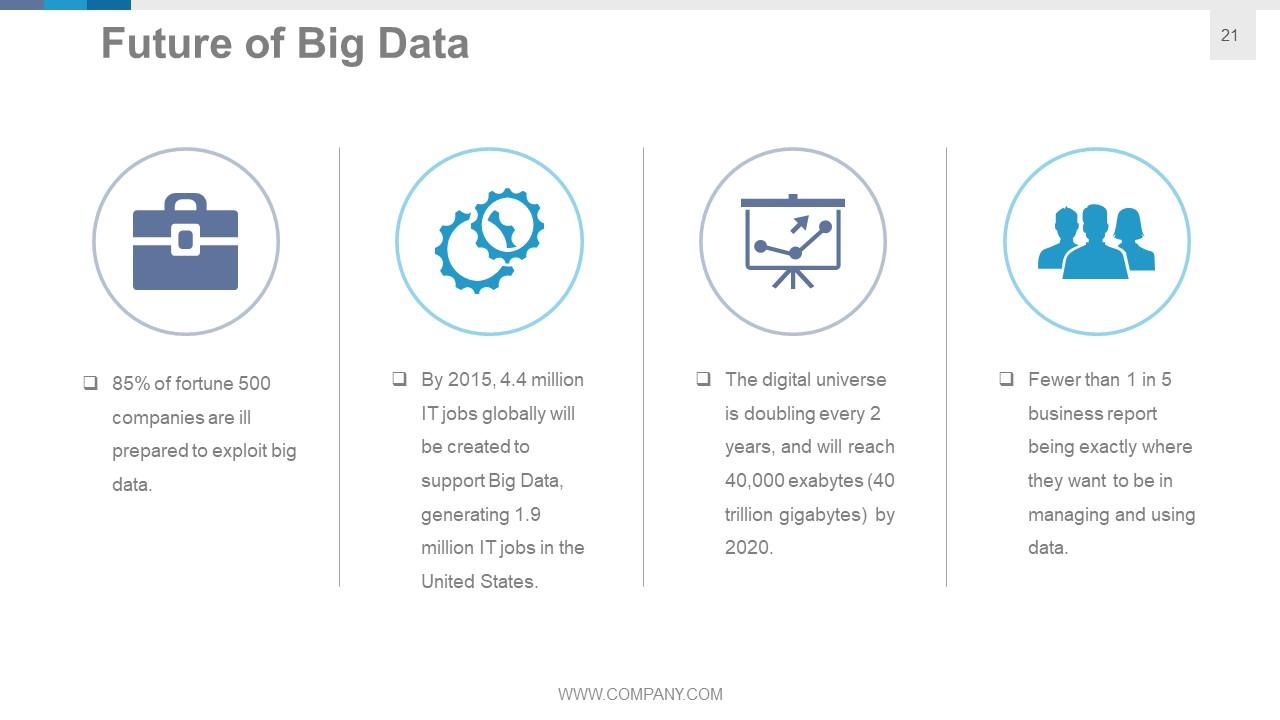
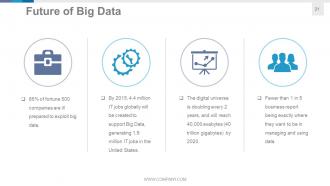
Folie 21 : Auf dieser Folie wird die Zukunft von Big Data gezeigt.
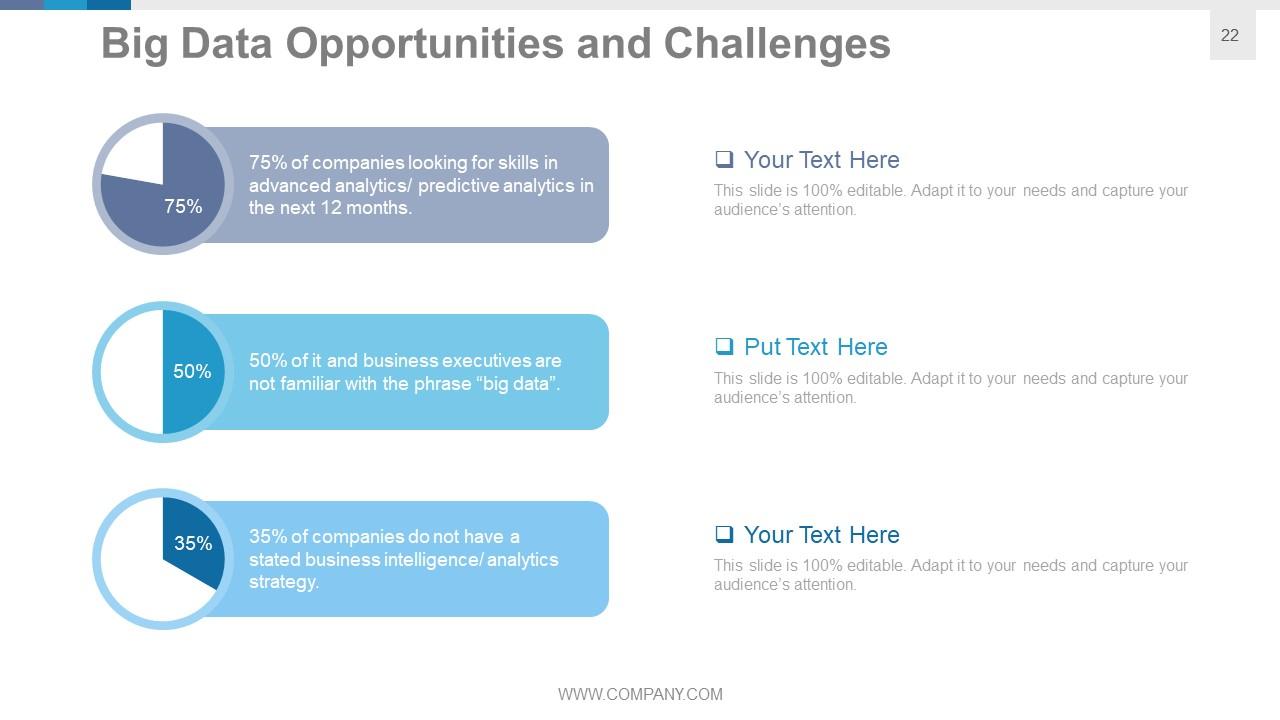
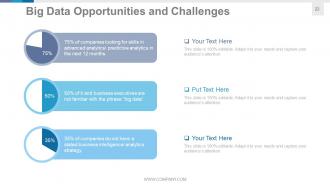
Folie 22 : Diese Folie präsentiert Chancen und Herausforderungen für Big Data. Geben Sie sie hier an.
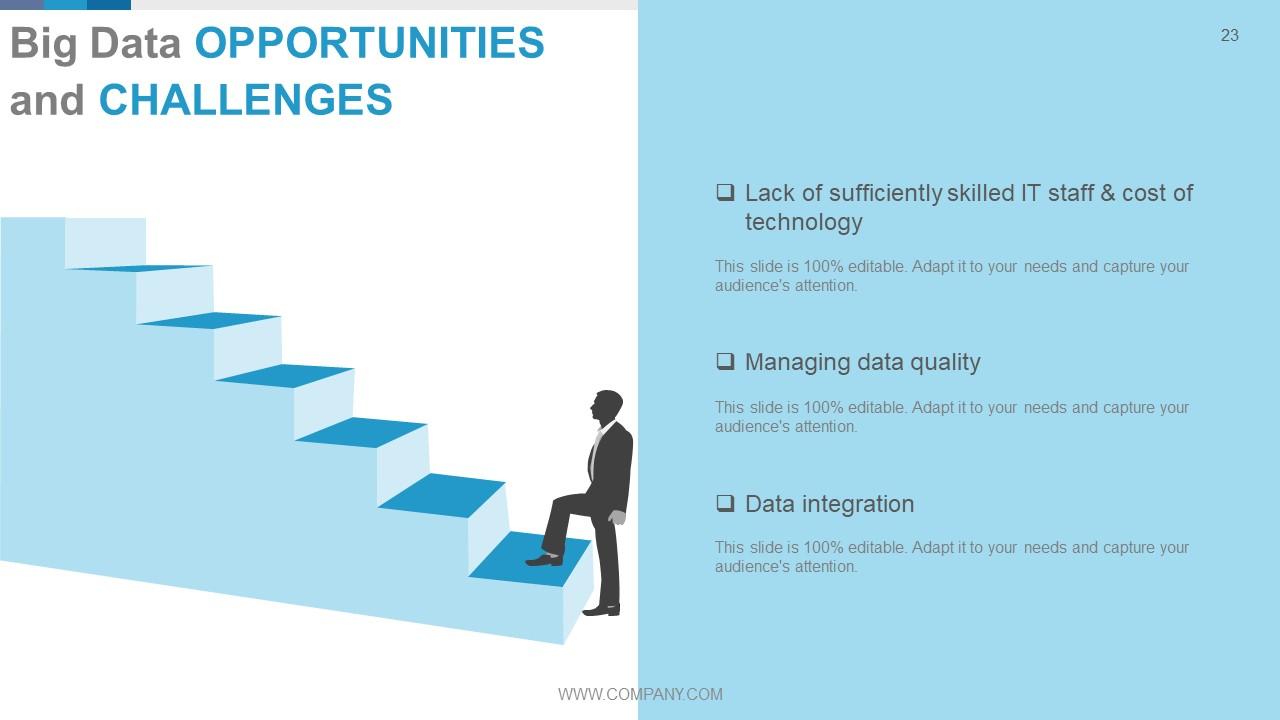
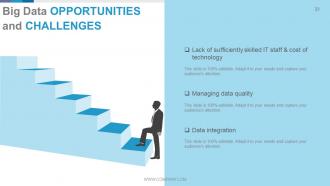
Folie 23 : Diese Folie stellt Chancen und Herausforderungen für Big Data vor, wie z. B. Mangel an ausreichend qualifiziertem IT-Personal und Technologiekosten, Verwaltung der Datenqualität, Datenintegration.
Folie 24 : Diese Folie trägt den Titel Zusätzliche Folien, um vorwärts zu gehen.
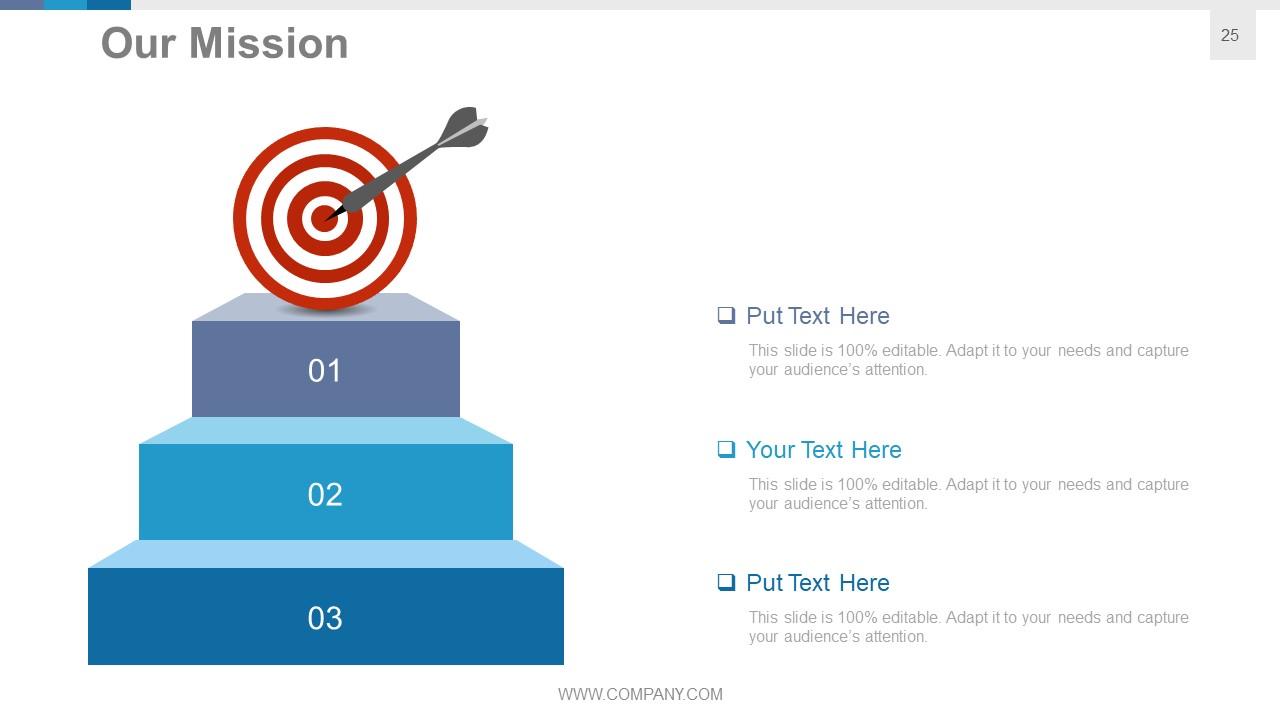
Folie 25 : Dies ist unsere Mission Folie. Staatliche Firmenmission hier.
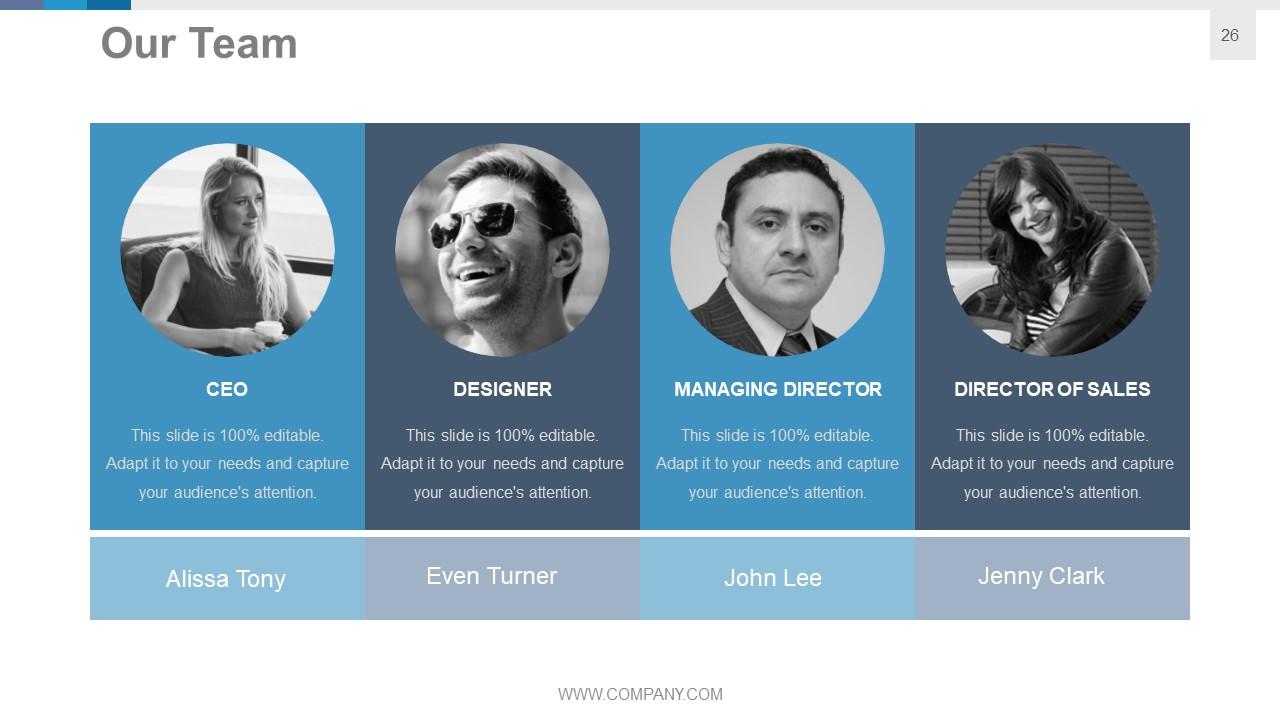
Folie 26 : Dies ist die Folie unseres Teams mit Namen, Bezeichnung und Bildfeldern.
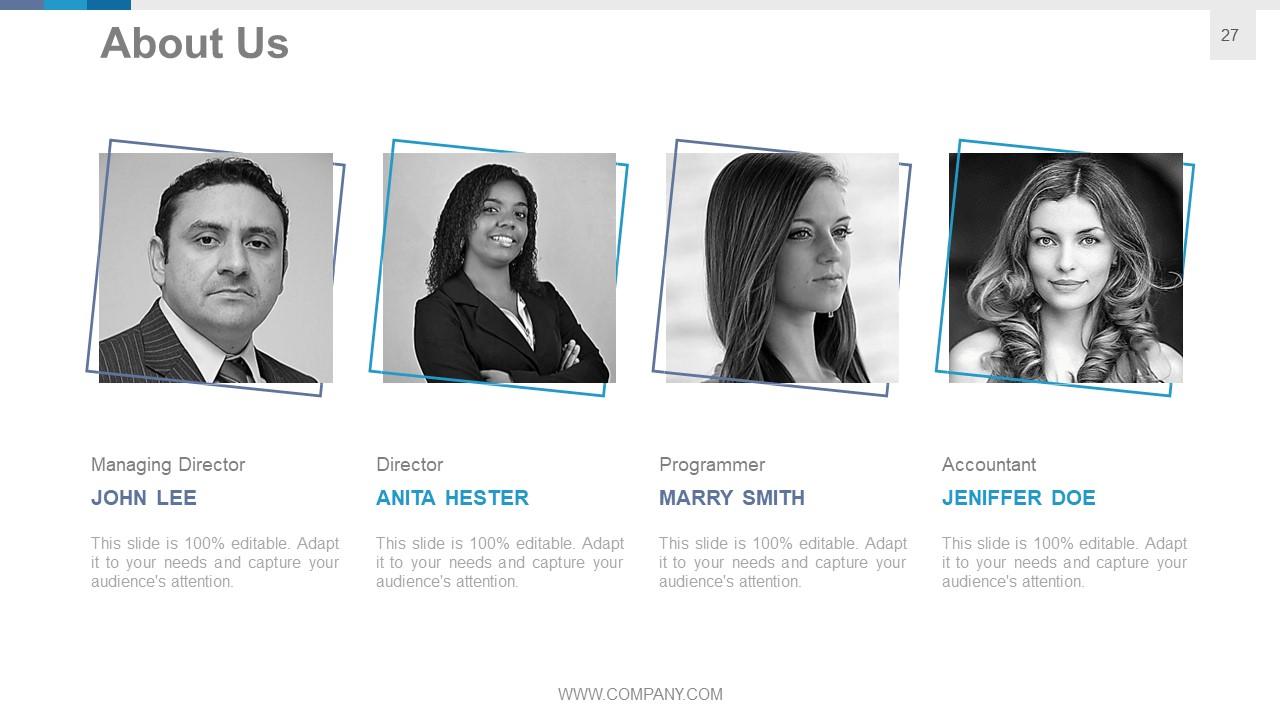
Folie 27 : Dies ist eine Über uns-Folie. Geben Sie hier Team-/Firmenspezifikationen an.
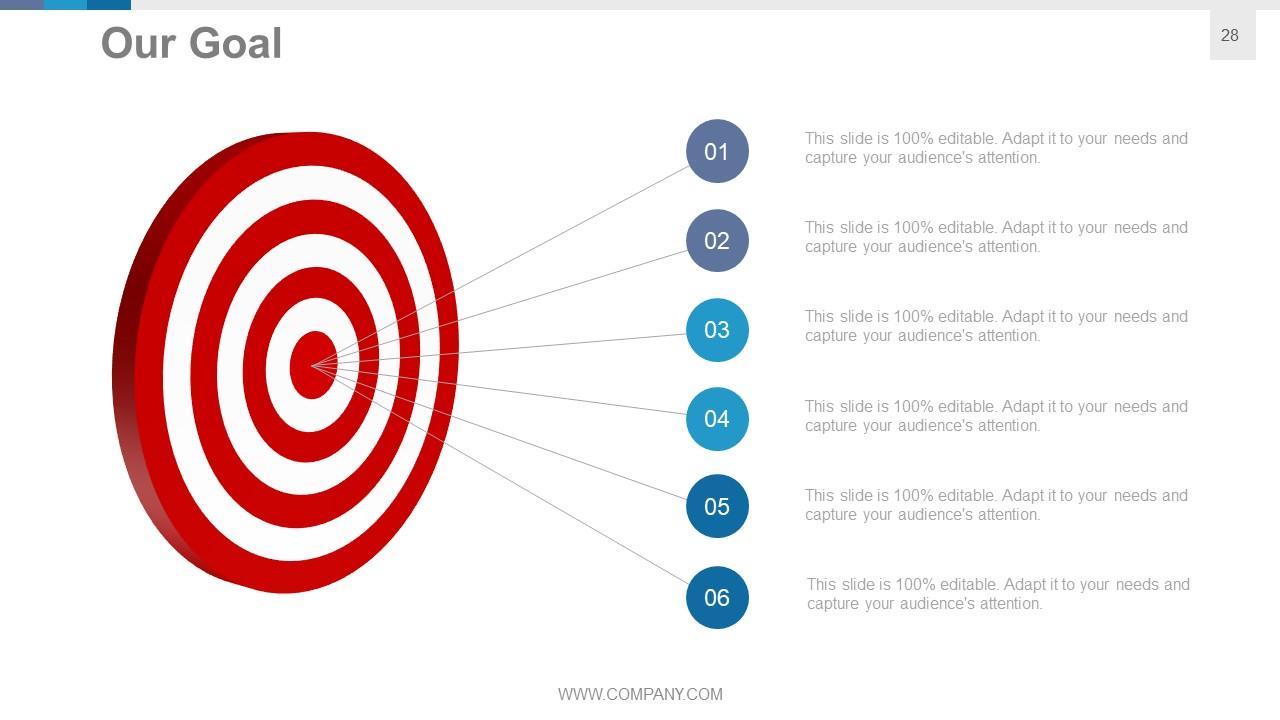
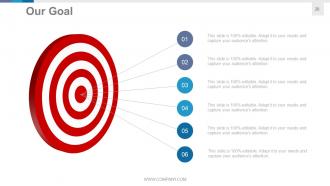
Folie 28 : Diese Unser Ziel-Folie. Staatsziele etc. hier.
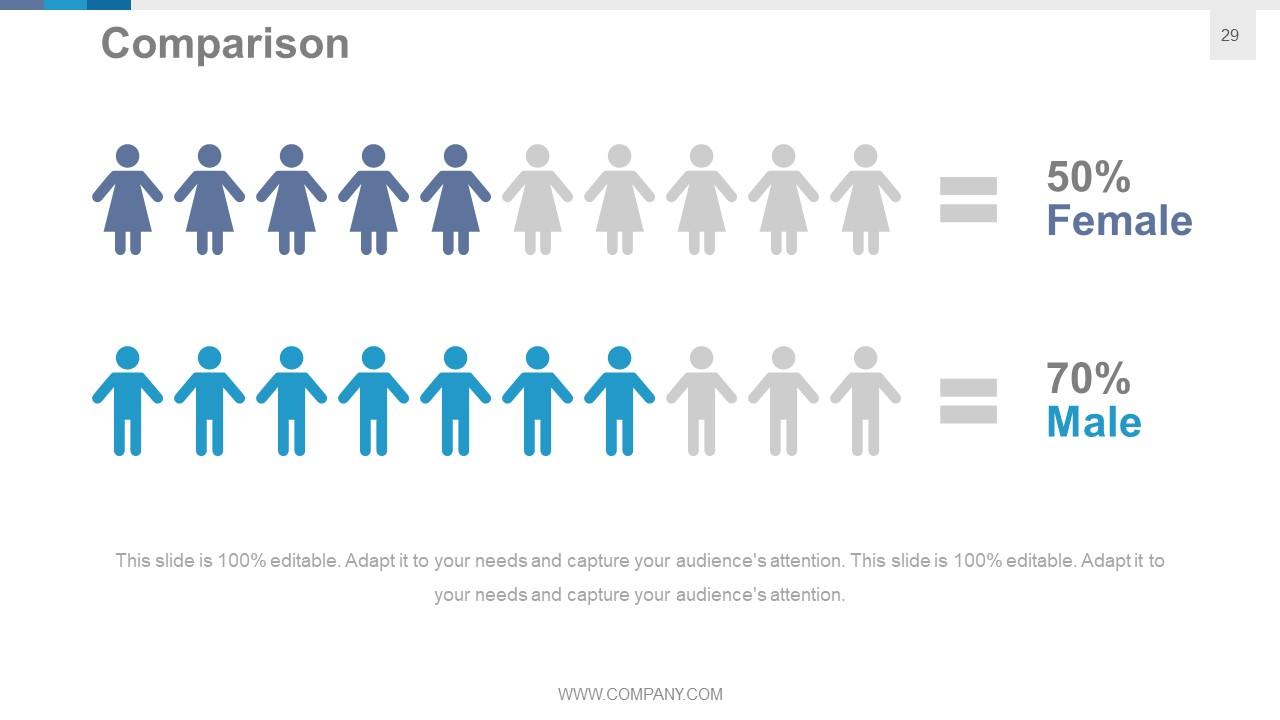
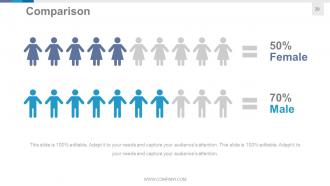
Folie 29 : Dies ist eine Vergleichsfolie zum Vergleich von Entitäten/Produkten usw. hier.
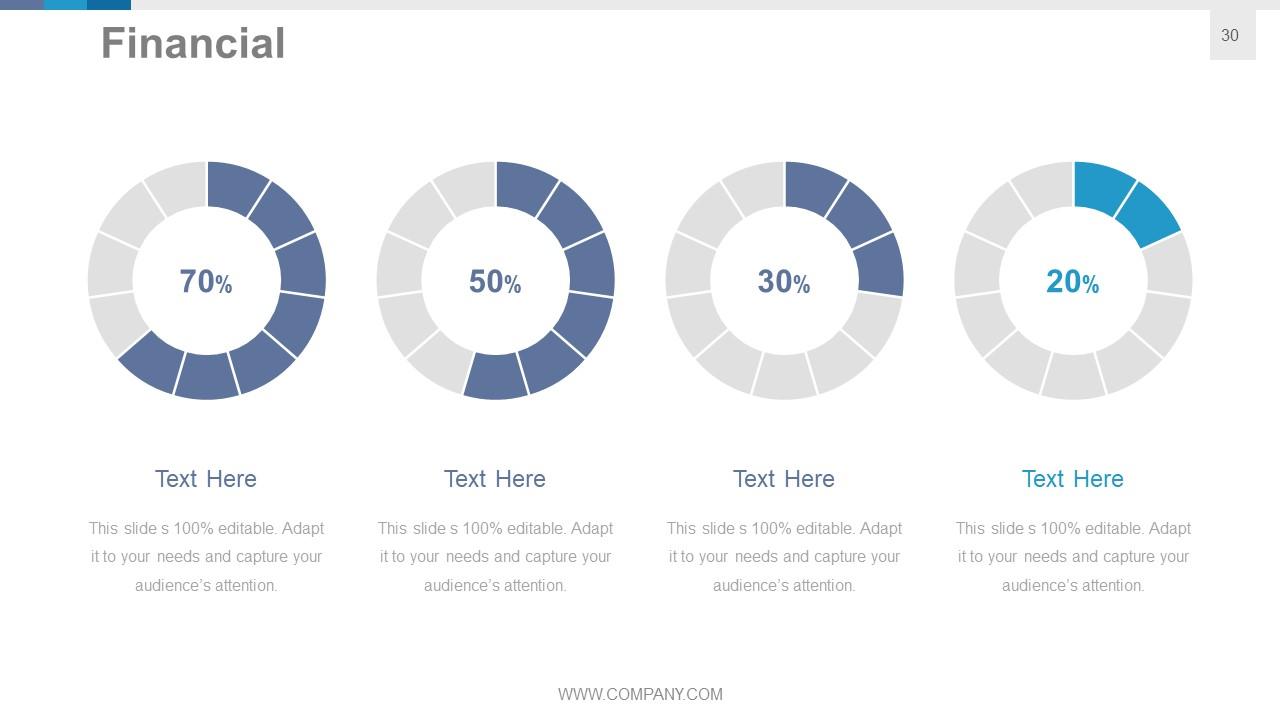
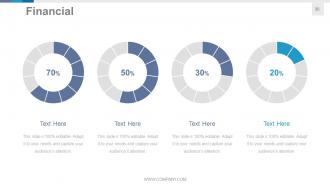
Folie 30 : Dies ist eine Folie zum Finanzergebnis. Staatsfinanzielle Aspekte etc. hier.
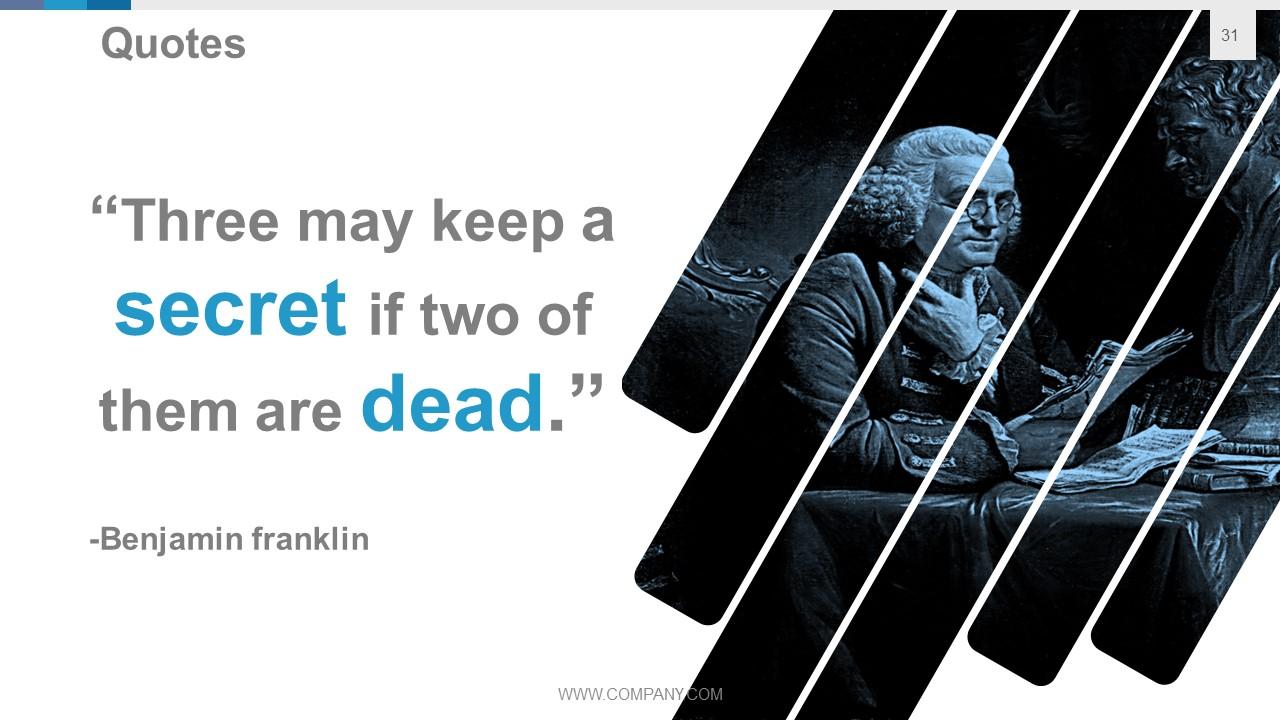
Folie 31 : Dies ist eine Zitate-Folie, um Unternehmensbotschaften, Überzeugungen usw. zu vermitteln. Sie können den Inhalt der Folie nach Bedarf ändern.
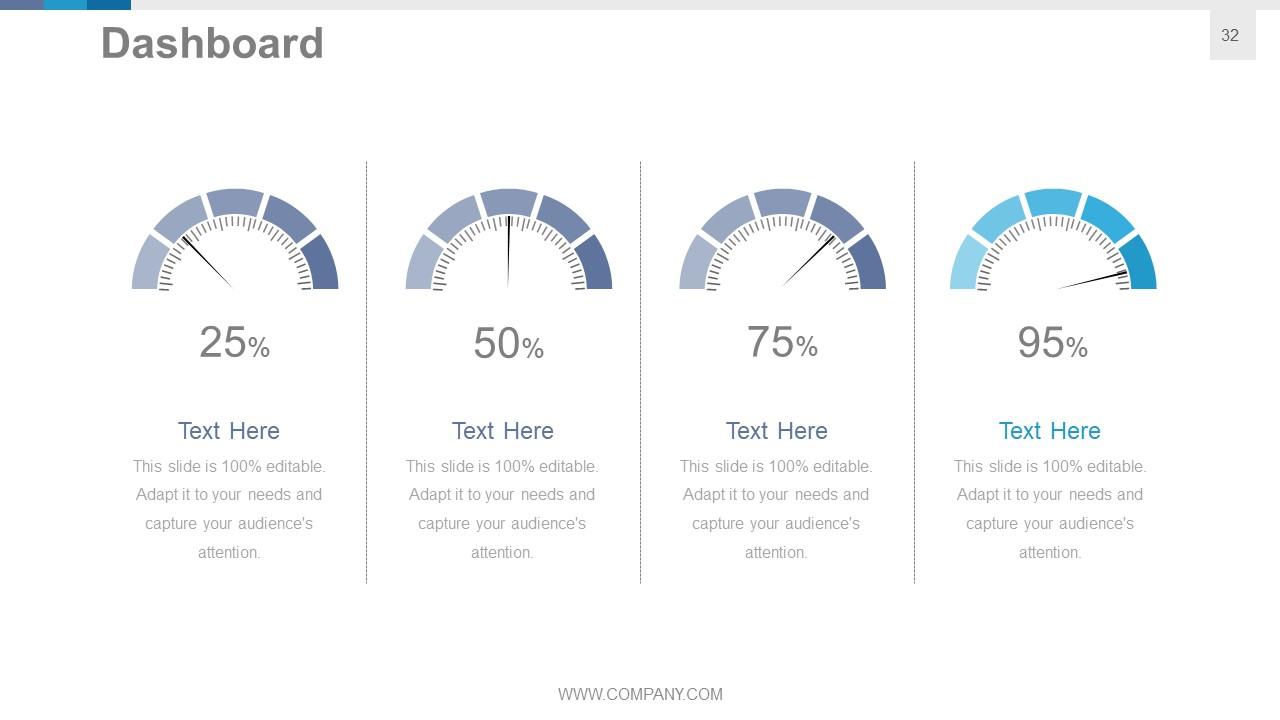
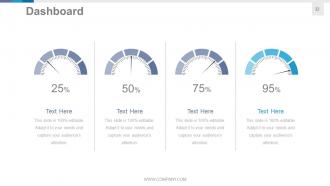
Folie 32 : Dies ist eine Dashboard-Folie zur Angabe von Metriken, KPIs usw.
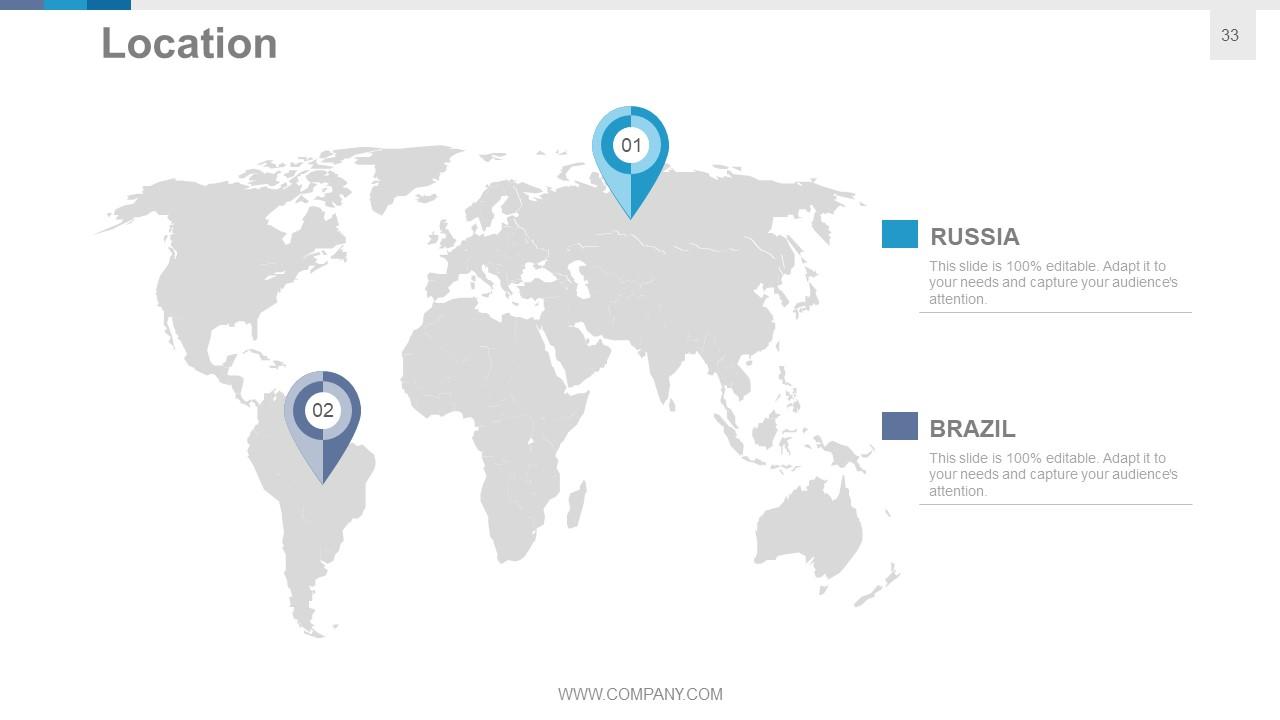
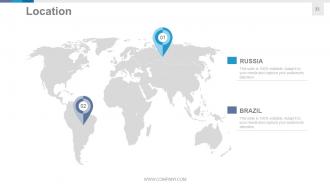
Folie 33 : Dies ist eine Standortfolie des Weltkartenbilds, um die globale Präsenz, das Wachstum usw.
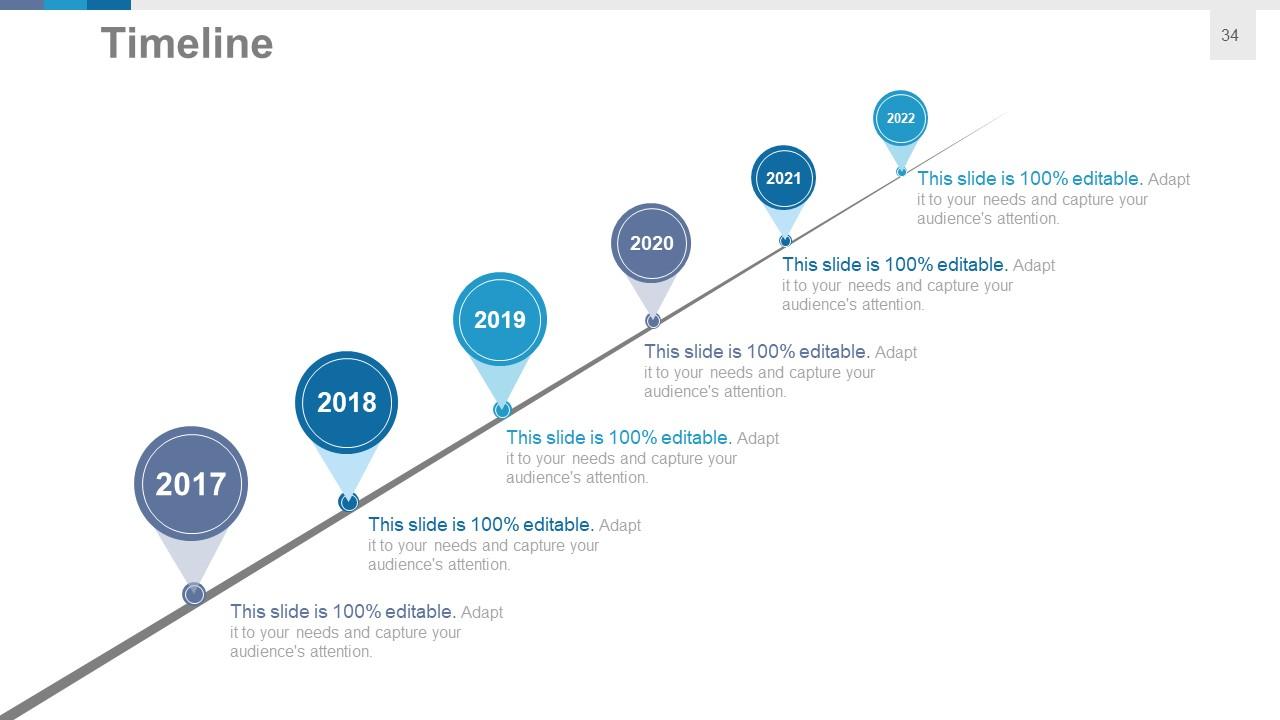
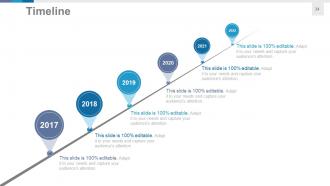
Folie 34 : Dies ist eine Timeline-Folie, die Entwicklung, Wachstum, Meilensteine usw. zeigt.
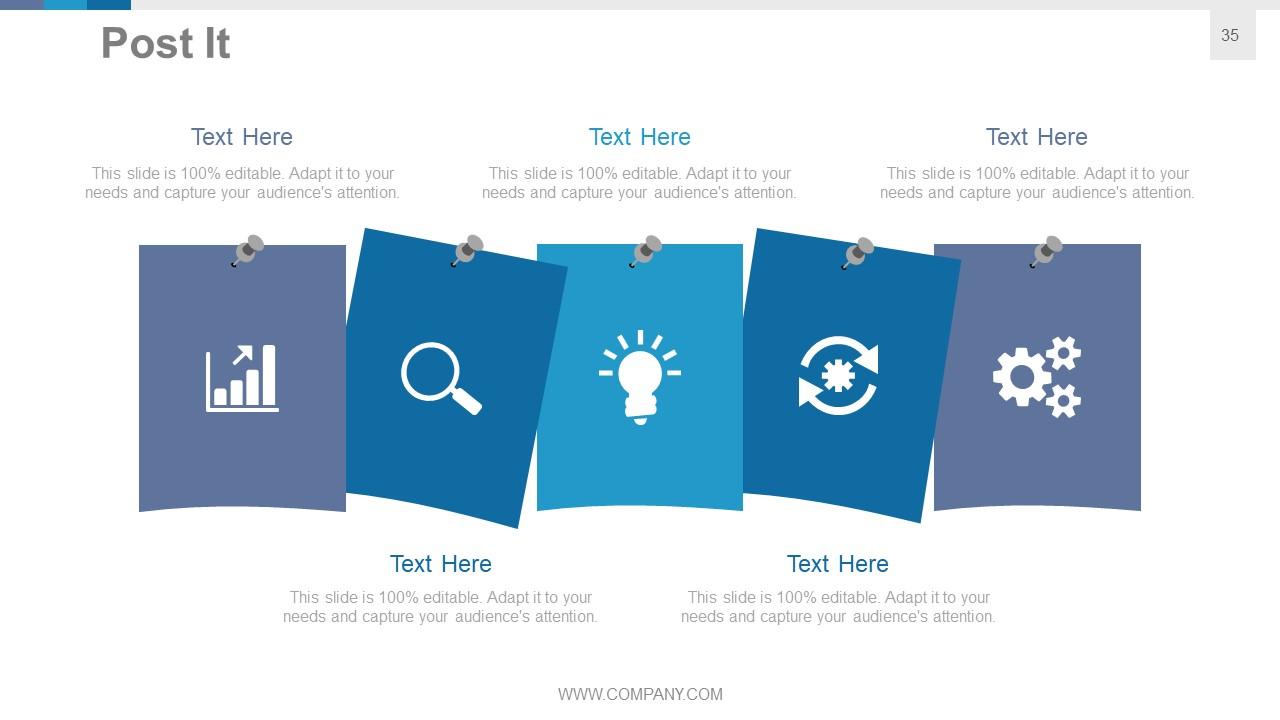
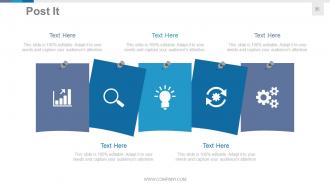
Folie 35 : Dies ist eine Post-It-Folie zum Markieren von Ereignissen, wichtigen Informationen usw.
Folie 36 : Dies ist eine Zeitungsfolie zur Anzeige von Nachrichten, Ereignissen usw. Sie können den Folieninhalt nach Bedarf ändern.
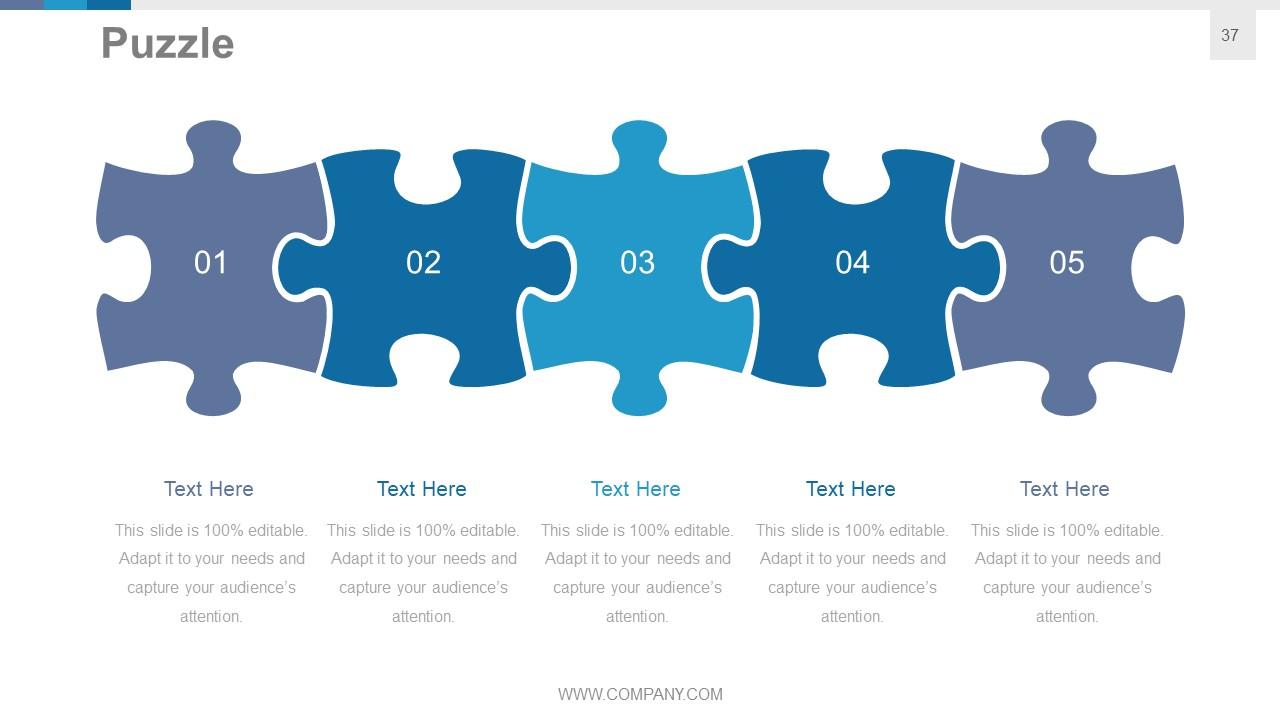
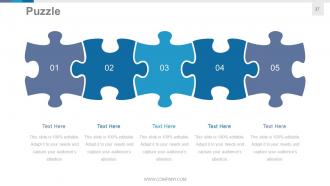
Folie 37 : Dies ist eine Puzzle-Bildfolie zur Anzeige von Informationen, Spezifikationen usw.
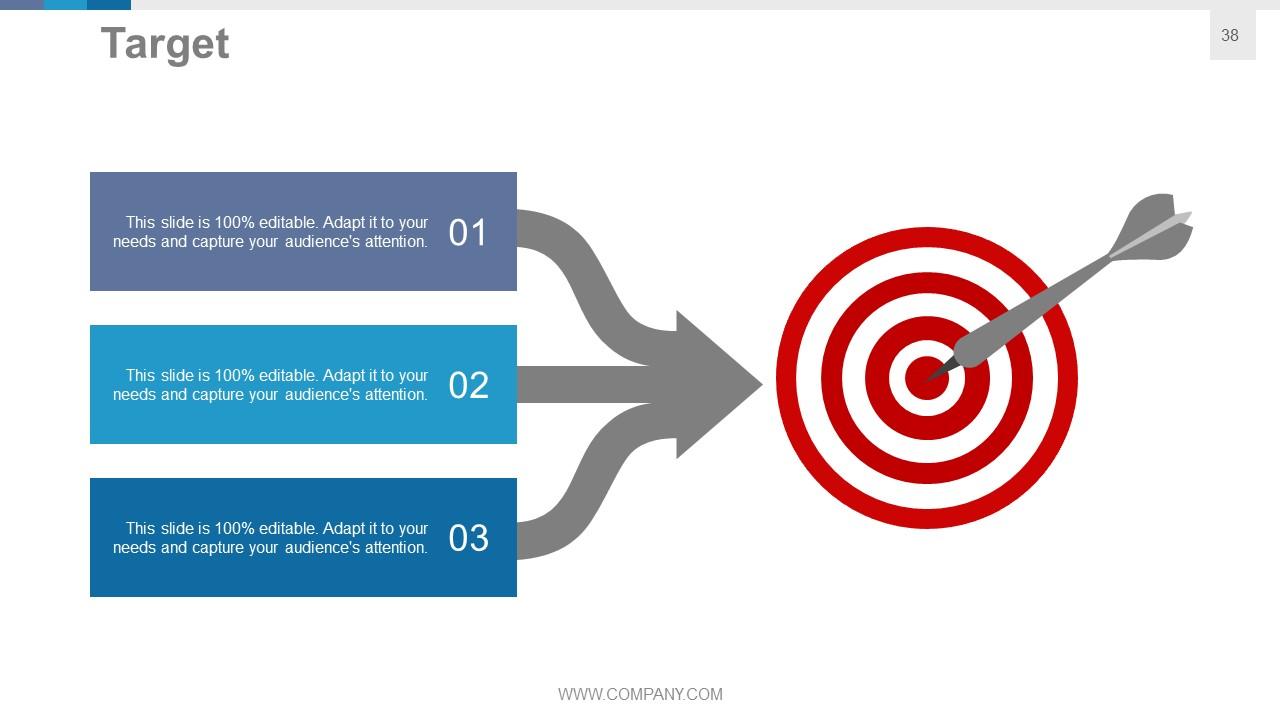
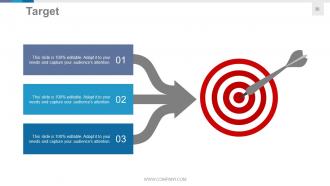
Folie 38 : Dies ist eine Zielbildfolie. Landesziele usw. hier.
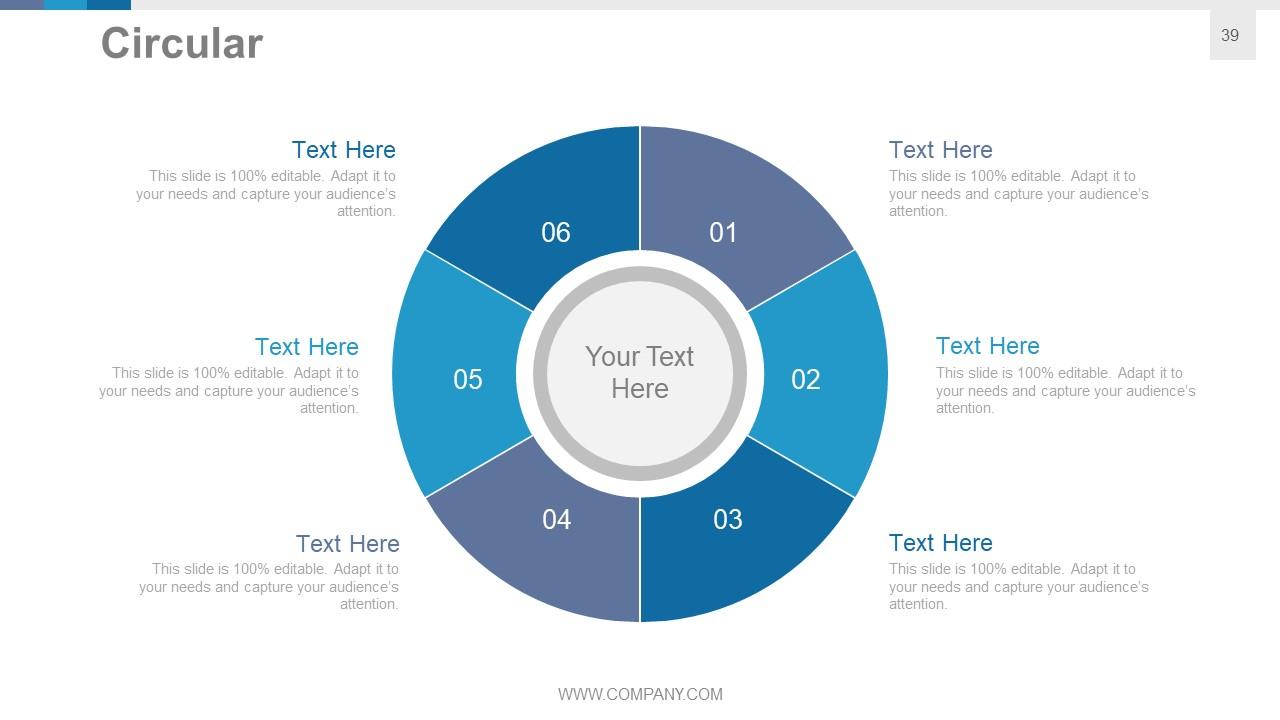
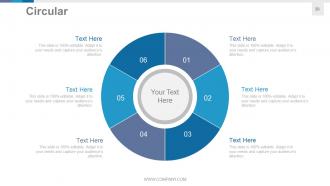
Folie 39 : Dies ist eine kreisförmige Bildfolie zur Anzeige von Informationen, Spezifikationen usw.
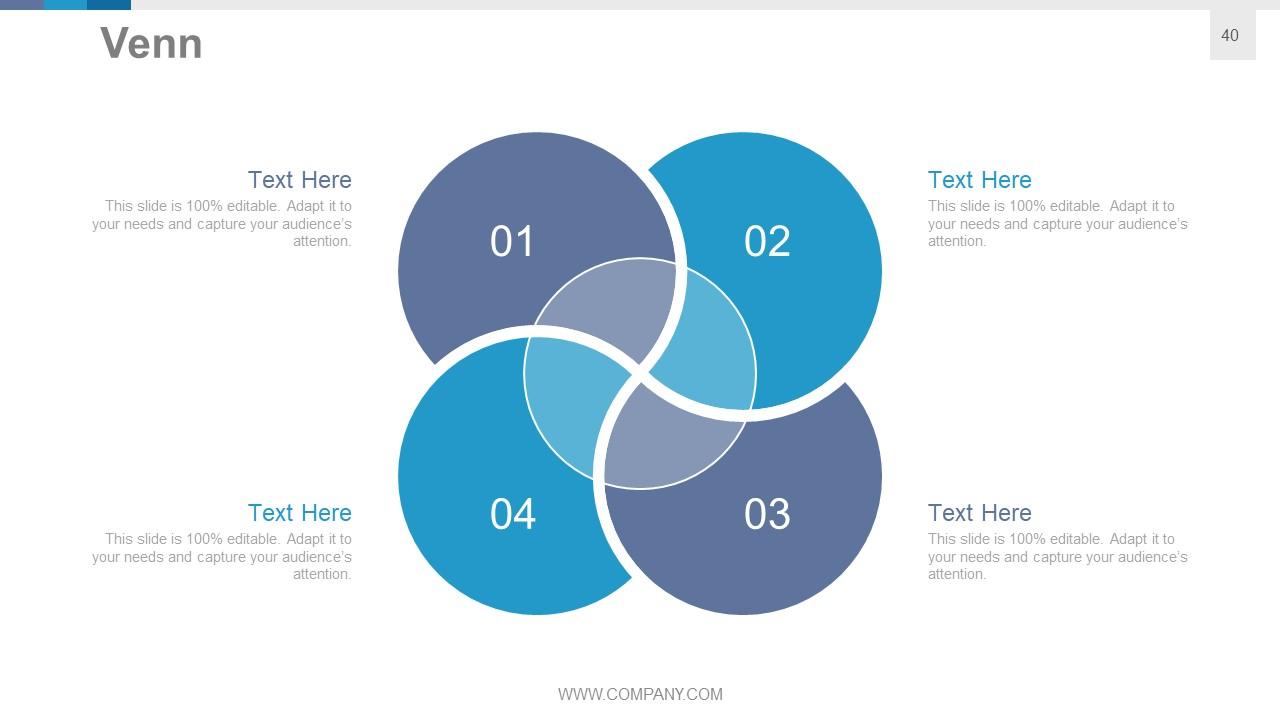
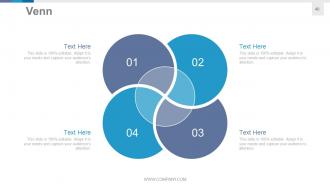
Folie 40 : Dies ist eine Venn-Diagramm-Bildfolie zur Anzeige von Informationen, Spezifikationen usw.
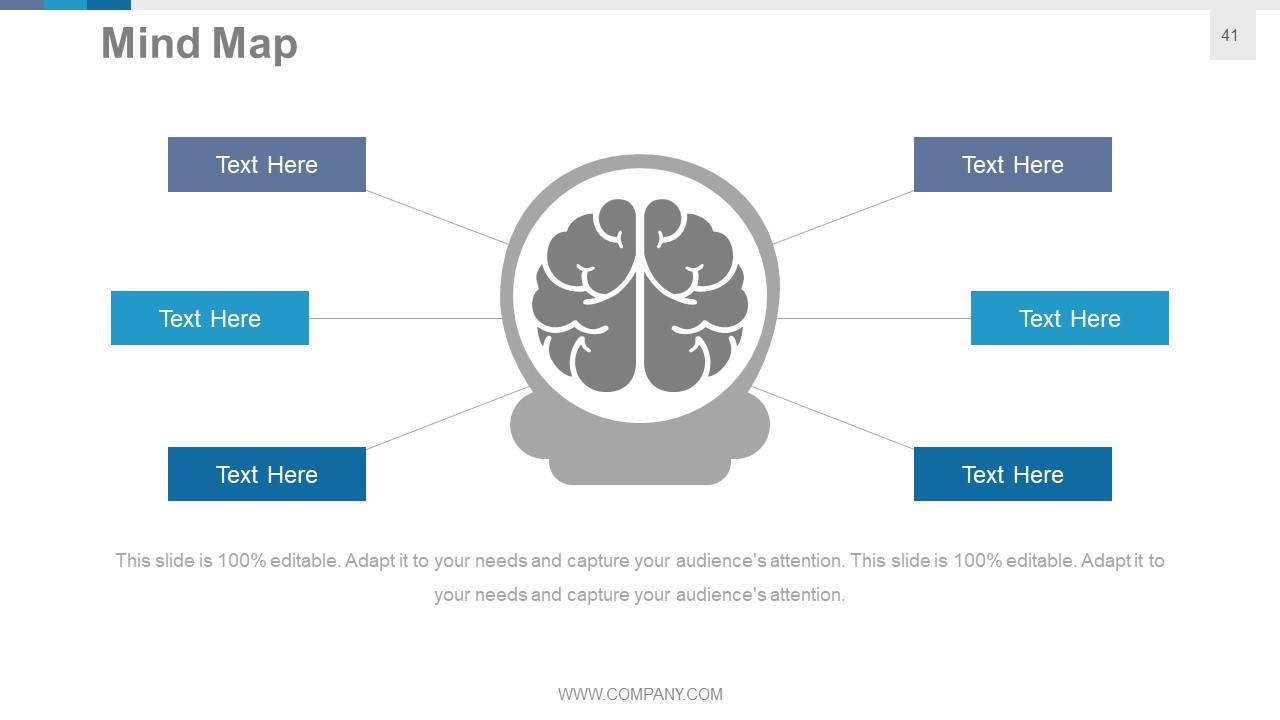
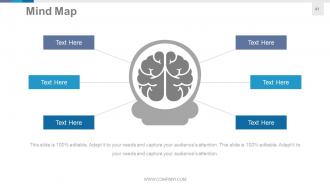
Folie 41 : Dies ist eine Mindmap-Bildfolie zur Anzeige von Informationen, Spezifikationen usw.
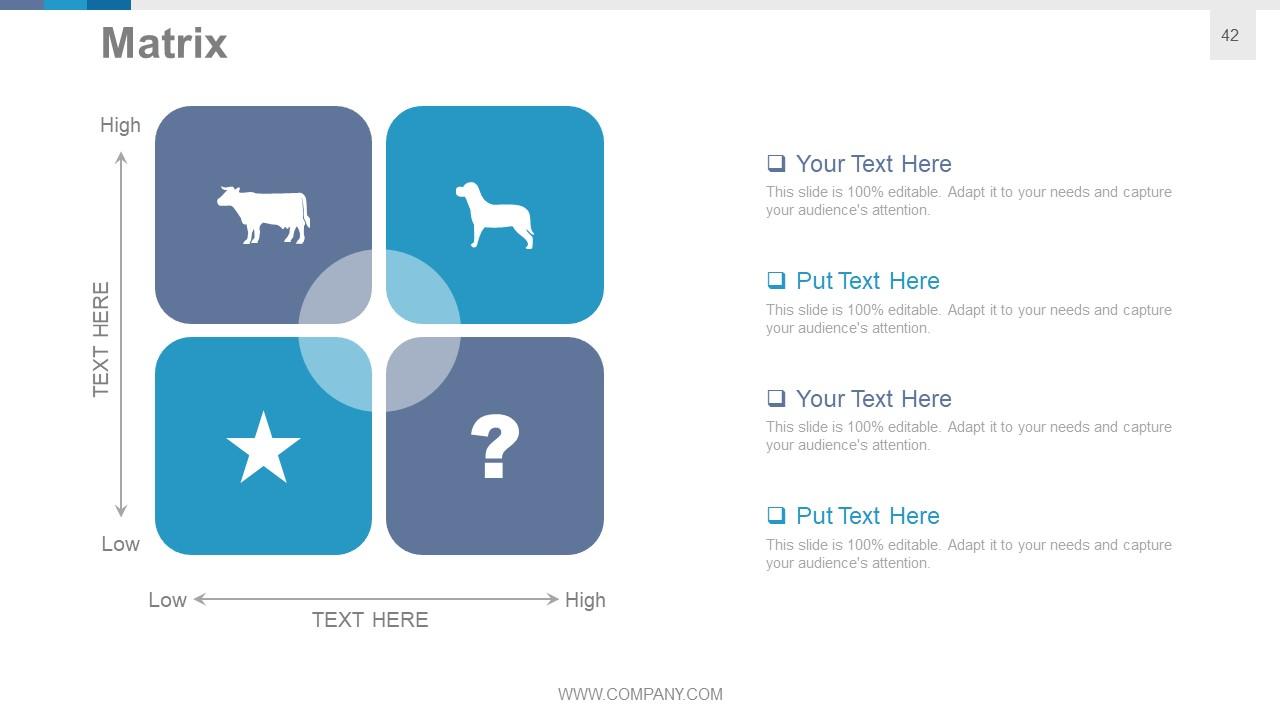
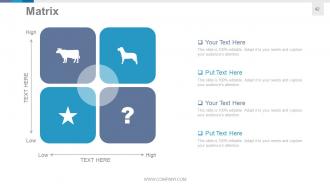
Folie 42 : Dies ist eine Matrixfolie zur Anzeige von Informationen, Spezifikationen usw.
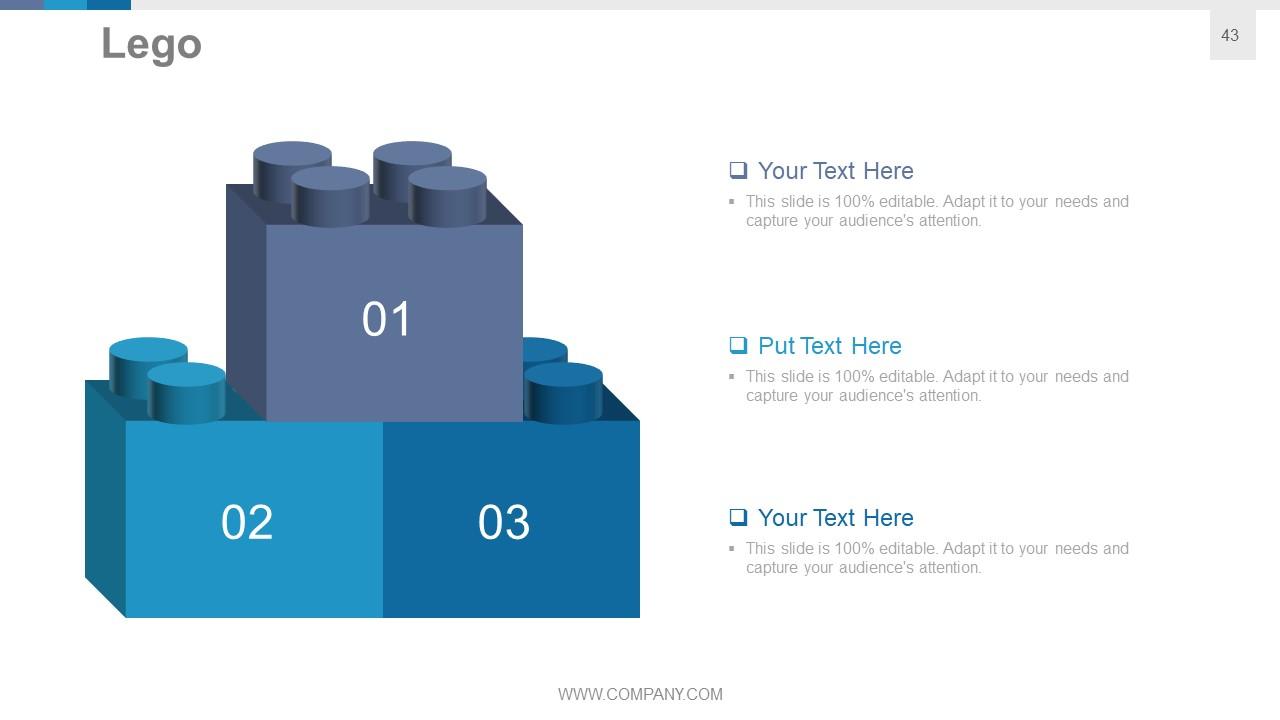
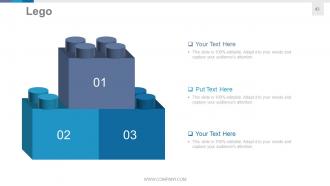
Folie 43 : Dies ist eine Lego-Bildfolie zur Anzeige von Informationen, Spezifikationen usw.
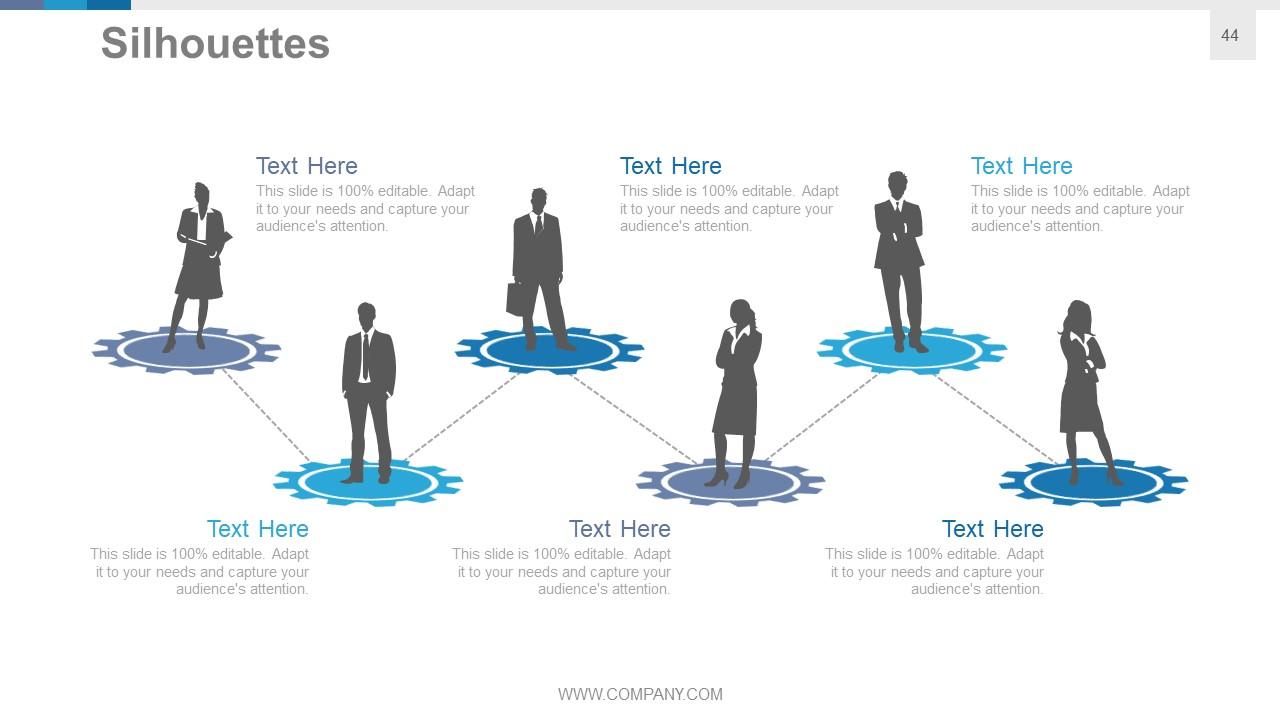
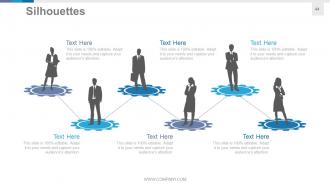
Folie 44 : Dies ist eine Silhouettes-Bildfolie, um Informationen, Spezifikationen usw. anzuzeigen.
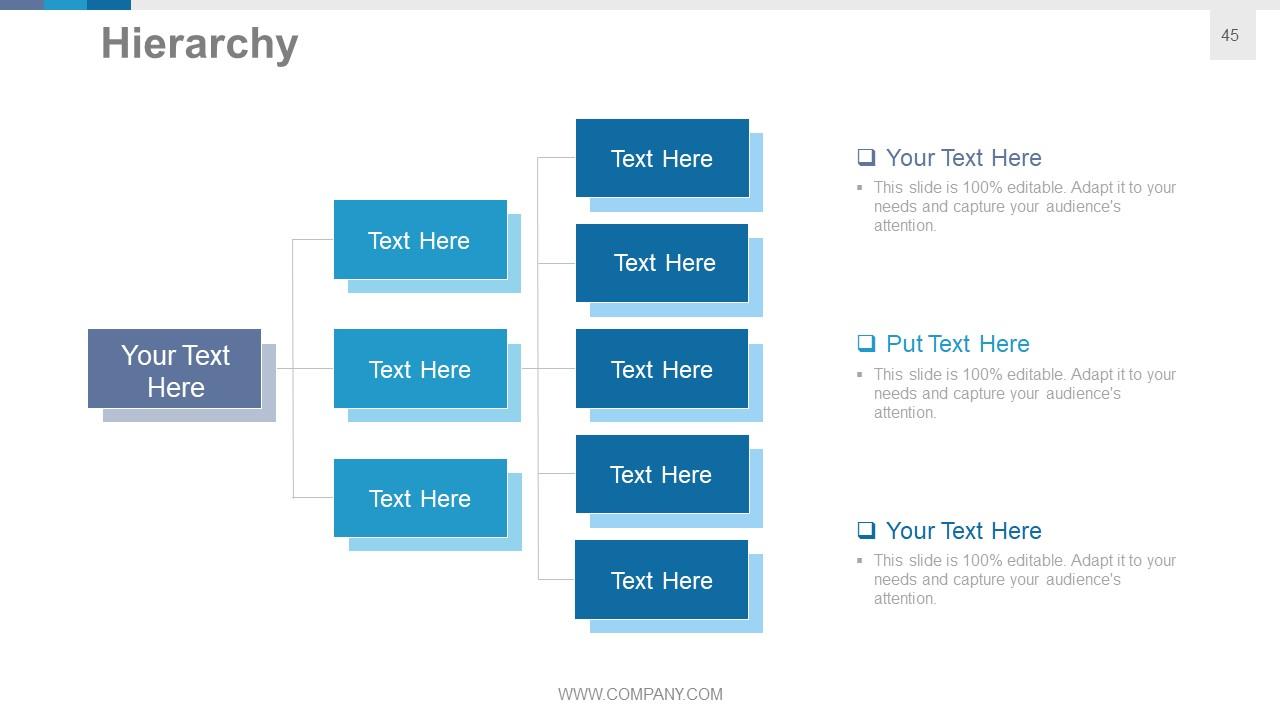
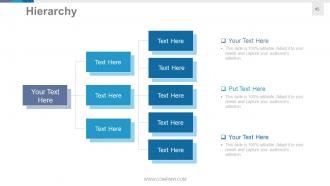
Folie 45 : Dies ist eine Hierarchiebildfolie zur Anzeige von Informationen, Spezifikationen usw.
Folie 46 : Dies ist eine Glühbirnen-/Ideenbildfolie, die Informationen, Spezifikationen, innovative Aspekte usw. zeigt.
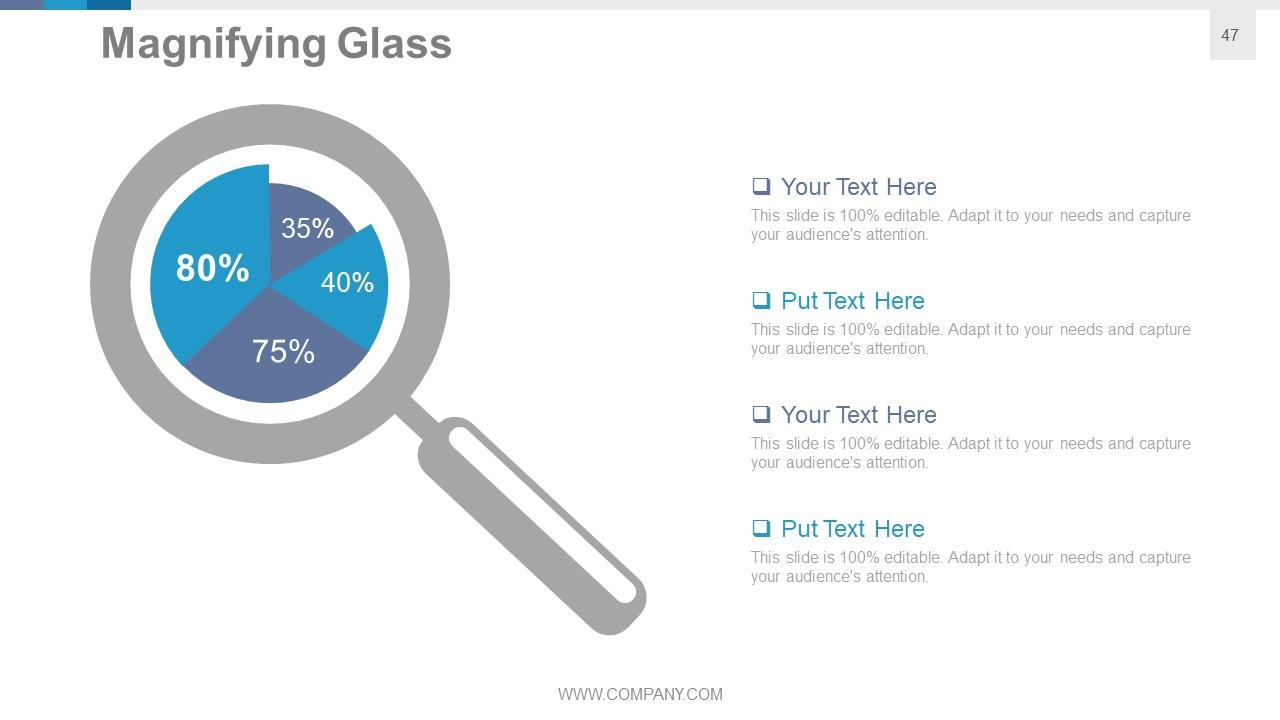
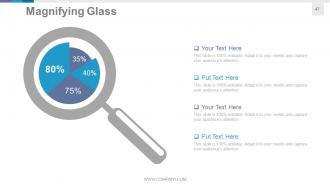
Folie 47 : Dies ist eine Lupenbildfolie zur Anzeige von Informationen, Spezifikationen usw.
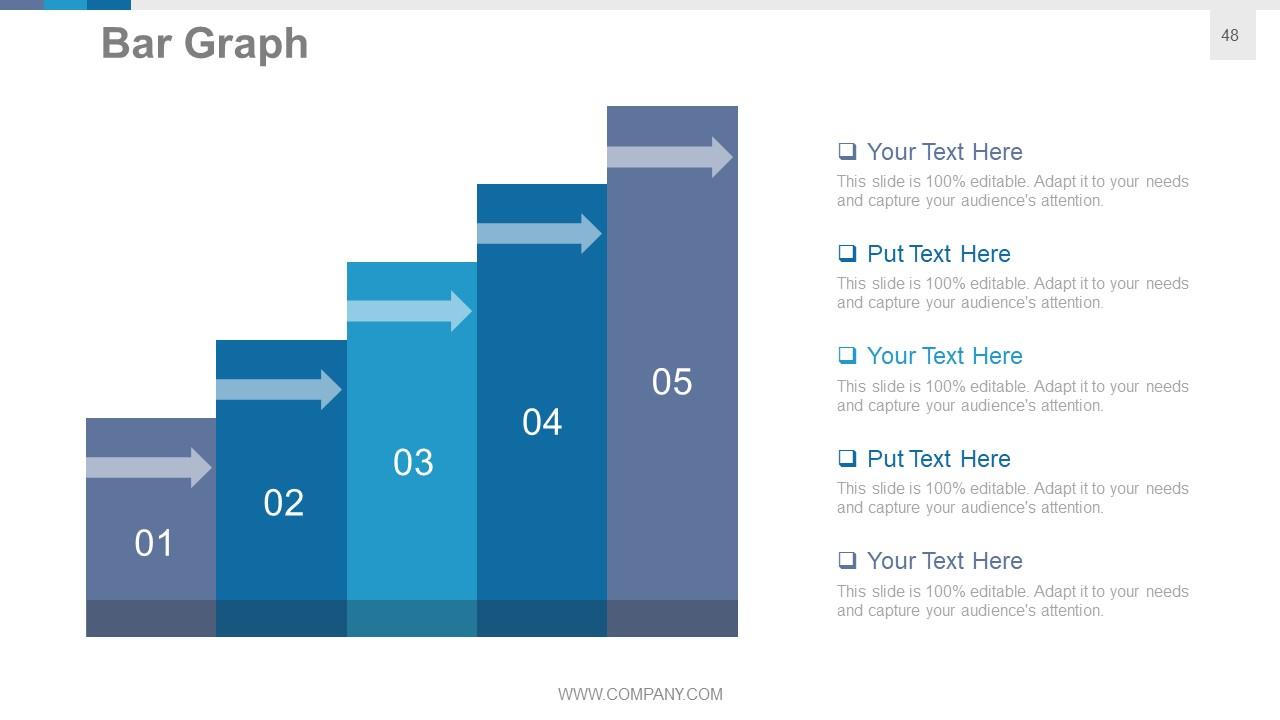
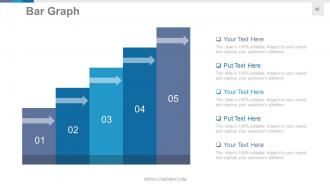
Folie 48 : Dies ist eine Balkendiagramm-Bildfolie zum Anzeigen von Produkt-/Entitätsvergleichen, Informationen usw.
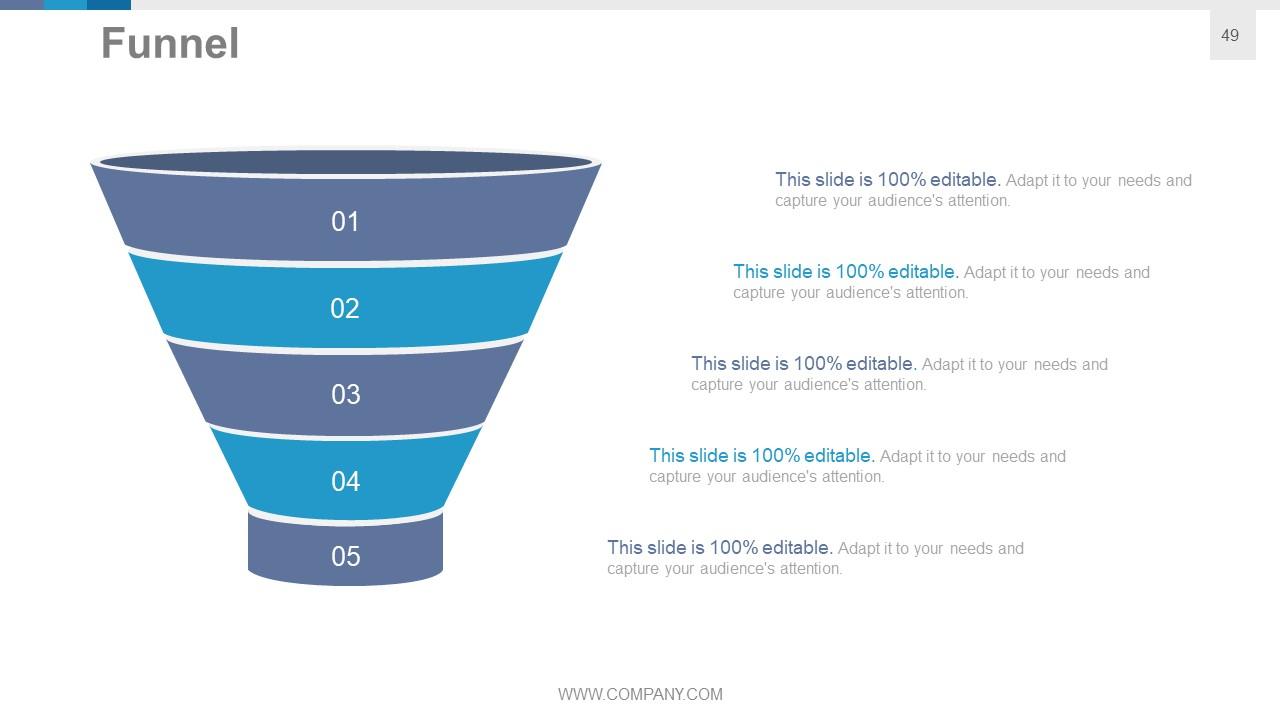
Folie 49 : Dies ist eine Trichterbildfolie zur Anzeige von Informationen, Spezifikationen usw.
Folie 50 : Dies ist eine Dankesfolie mit Adresse# Hausnummer, Stadt, Bundesland, Kontaktnummern, E-Mail-Adresse.
Big Data Informationsarchitektur Powerpoint-Präsentationsfolie mit allen 50 Folien:
Vermeiden Sie Fehler mit unserer Powerpoint-Präsentationsfolie für Big Data Information Architecture. Informieren Sie sie über den richtigen Kurs.
-
Great quality slides in rapid time.
-
Enough space for editing and adding your own content.
