Business proposal template powerpoint presentation slides

Rating:
84%
Slide 1 of 21
Favourites Favourites

Try Before you Buy Download Free Sample Product

Audience Impress Your
Audience
Editable 100%
Editable
Time Save Hours
of Time
The Biggest Sale is ending soon in
0
0
:
0
0
:
0
0
Rating:
84%
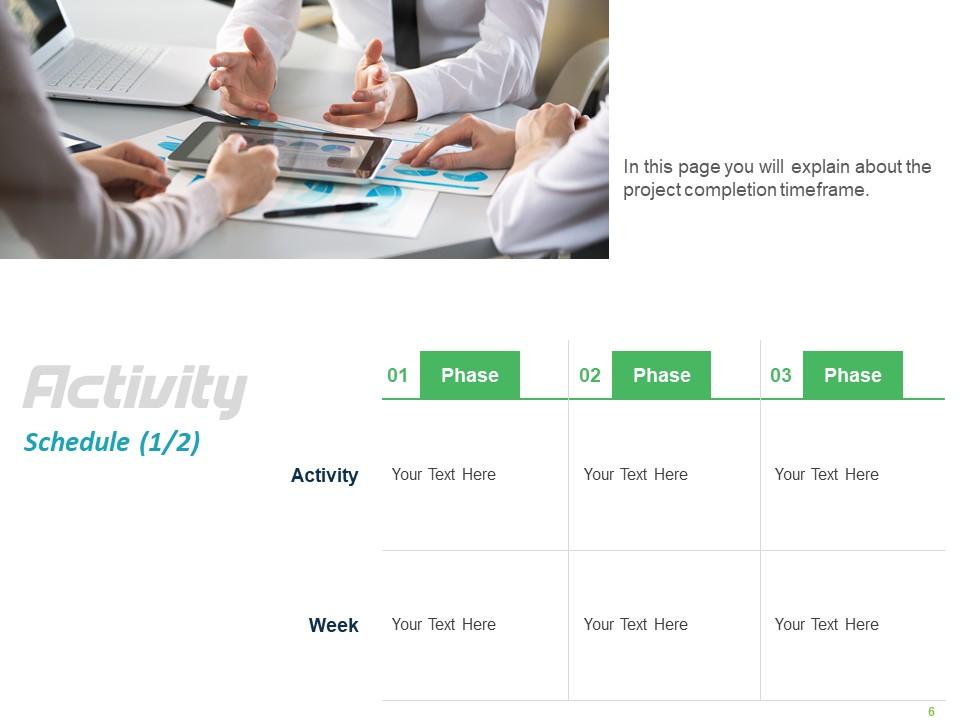
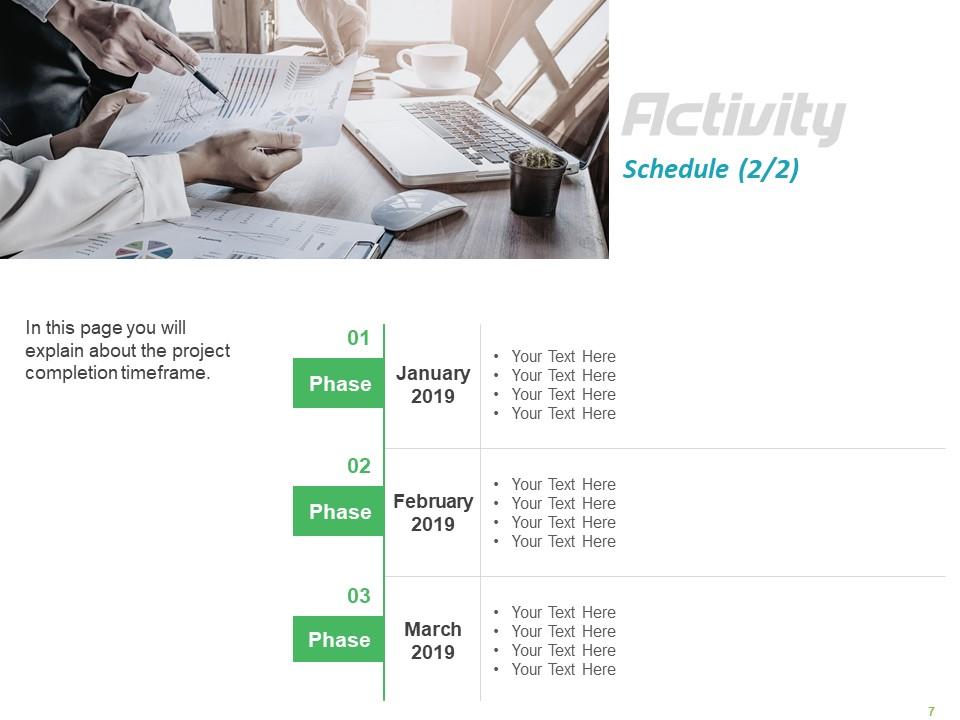
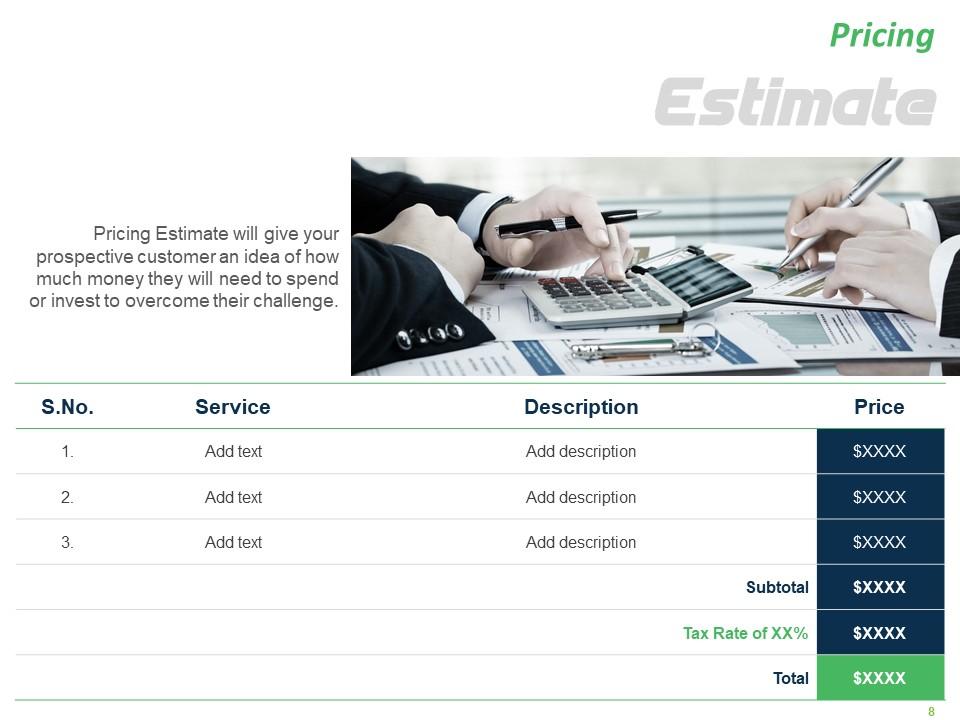
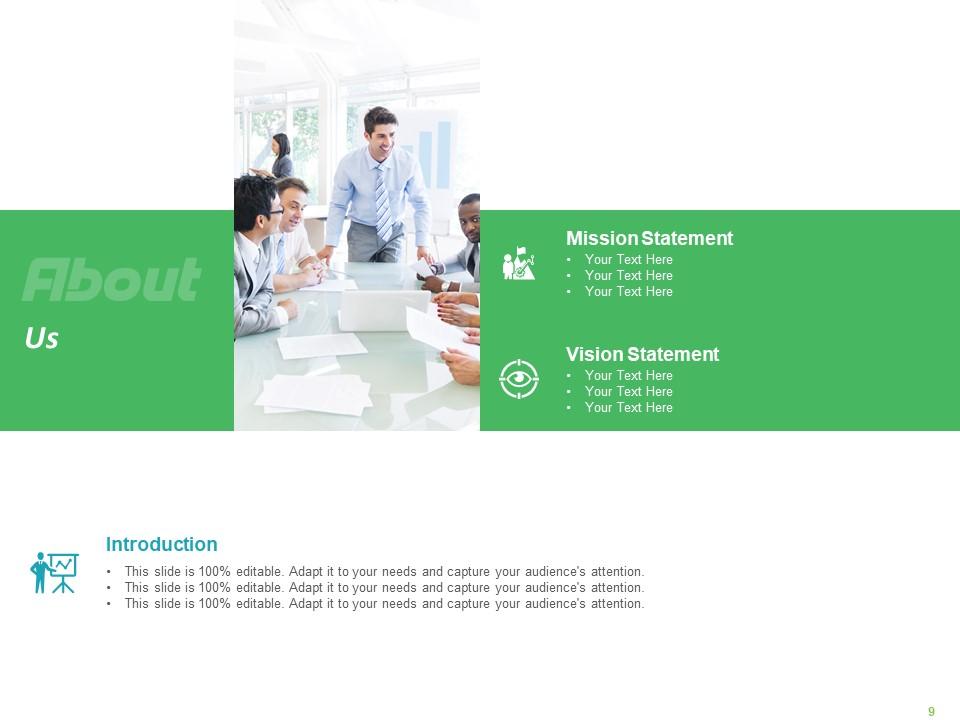
Presenting Business Proposal Template PowerPoint Presentation Slides that has been designed professionally for your convenience. The template is compatible with Google Slides which makes it easily accessible at once. It is readily available in both 4:3 and 16:9 aspect ratio. Open and save the proposal into various file formats like PDF, JPG, and PNG. You can alter the colors, font, font size, and font types of the proposal as per your business needs.

People who downloaded this PowerPoint presentation also viewed the following :

FAQs for Business proposal template

Okay so definitely hit the main stuff: executive summary, problem statement, your solution, timeline and budget. Oh and team qualifications - people want to know you're not gonna flake. The exec summary is honestly make-or-break since half these people won't read past page one. Include a solid scope section with actual deliverables, not vague promises. Your value prop needs to show clear ROI or they'll toss it. Headers and bullets are your friend - nobody has time to read walls of text. Slap your contact info at the end with obvious next steps. Makes it super easy for them to say yes.

Look, investors are drowning in sloppy pitch decks all day. Your organized one will literally make them exhale with relief. Templates force you to hit the basics upfront - market size, competition, how you'll actually make money - so you won't get those brutal "but wait, where's the revenue?" questions mid-presentation. When everything flows logically from problem to solution to numbers, they can follow your thinking easily. That builds trust. I mean, it also shows you didn't just wing this whole thing. Use a solid template structure, then make the content your own story.

Start with typography - grab 2-3 fonts max and make your headers pop. White space is your friend here, nobody wants to stare at a text wall. I'd stick with your brand colors but don't go crazy, maybe 2-3 plus black/white. Break things up with bullet points, simple icons, charts - whatever keeps people reading. Oh, and make sure stuff actually lines up properly (you'd be surprised how many people miss this). Keep everything scannable so your content doesn't just sit there looking pretty but useless.

Honestly, the best templates are the ones where you can swap out whole sections for different industries. Like, if you're pitching healthcare vs tech, you'd talk about "patient outcomes" instead of "user engagement" - shows you actually understand their world. Most decent templates let you drag and drop sections around or hide stuff you don't need. The language switch alone makes a huge difference. I always spend like 5 minutes tweaking the template before I even start writing (saves so much time later). You can adjust the exec summary focus, change technical specs, modify pricing structures - whatever fits your audience. Trust me, it'll feel way more relevant to whoever's reading it.

Dude, clear and concise proposals are what actually win deals. Decision-makers don't have time to dig through pages of BS to find your point. I've watched so many solid ideas crash because they were buried under corporate speak and endless rambling. Lead with what your client cares about most. Use bullets for the important stuff. Keep each section focused - honestly, pretend you're explaining it to someone who's distracted. Short sentences work. But mix in some longer ones that flow naturally when you're building momentum. You'll close way more deals this way, trust me.

Look, you want decision-makers to picture winning when they read your proposal. Action words like "deliver" and "transform" beat boring corporate fluff every time. Show them you actually understand their problems - that alone puts you ahead of most competitors sending cookie-cutter pitches. Numbers work better than vague promises. Benefits matter more than features (though honestly, most people mess this up). Oh, and don't forget a clear call-to-action at the end. The whole thing should make saying "yes" feel like a no-brainer. You're basically making their decision easy.

Bar charts and pie charts are honestly your lifesavers here - way better than drowning people in spreadsheet hell. Timelines work perfect for project phases. Before/after comparisons? They're gold for showing impact. I've watched people get carried away with those crazy infographics that just muddle everything though. Clean visuals beat flashy ones every time. Maybe throw in a simple flowchart if you're explaining your process. Just make sure each visual actually backs up your point instead of being decoration. Oh, and definitely test them on someone first - you'll catch stuff that doesn't make sense.

Stick with the boring stuff they expect - exec summary, problem/solution, timeline, all that. But make it look good with your brand colors and throw in some graphics so it's not just a wall of text. Here's what really works though: tell their story back to them in the problem section. Shows you actually listened, you know? Use real examples instead of vague corporate speak. I've worked on proposals that felt more like nice magazines than those dry business docs everyone hates reading. Build yourself a solid template first, then jazz up the design and change your tone for each client.

So basically, templates save you from reinventing the wheel every damn time. You get all the main sections already there - objectives, pricing, timelines, that stuff. Just drop in your specifics and you're good to go. Honestly, I used to spend forever formatting proposals until I started using them. Now I can knock one out in half the time. Your formatting stays consistent too, which looks way more professional. Oh, and you won't accidentally leave out important bits like payment terms (been there, not fun). Templates are clutch when you're dealing with multiple clients at once.

Dude, the worst thing you can do is just fill in the blanks without actually customizing it. I've literally seen proposals that still said "INSERT COMPANY NAME HERE" - like come on. Make sure your pricing actually matches what you're charging, and don't promise stuff you can't deliver. Templates get weird when you edit them too, so check the formatting doesn't look janky. Oh and remove all those generic examples they include. Honestly, just use it as your starting point but make it sound like you actually wrote it for that specific client, you know?

Look, banks and investors want totally different things, so you gotta adjust your pitch accordingly. Banks are super conservative - they want to see your financials, what collateral you have, how exactly you'll pay them back. Meanwhile investors are looking for the big picture stuff like growth potential and why your idea will crush the competition. Same info, different angle. Oh and definitely stalk their recent investments first - sounds creepy but it works. You can basically copy their vibe and priorities. Makes a huge difference in getting their attention.

So you'll need the obvious stuff first - projected revenue, profit margins, when they'll see ROI. Market data's huge too: target audience size, growth rates, competitor breakdown. Customer acquisition costs and conversion rates are what really sell it though (boring but crucial). If you've got historical data from similar projects, definitely throw that in. Oh and make everything realistic - investors have seen enough BS to spot inflated numbers instantly. Sources matter too. Honestly, solid numbers beat flashy presentations every time.

Dude, audience is everything when writing proposals. Picture this: you wouldn't text your CEO the same way you text me, right? Conservative execs want formal language and tons of financial details. Startups? They're cool with casual vibes and big ideas. Tech people are obsessed with data and specifics, while C-suite types just want the strategic overview. Honestly, I've seen so many good ideas tank because someone pitched a buttoned-up bank like they were some trendy agency. Do your homework first - check out how they actually communicate and what gets them excited.

Honestly, go digital. Way cheaper and you can tweak colors, fonts, whatever without reprinting a million copies. Plus sharing is instant - just email or drop it in the cloud. The interactive stuff is where it gets fun though... embedding videos, clickable links, charts that actually do something. Print looks nice and professional, don't get me wrong, but it's dead in the water once you want changes. Super expensive to redo constantly. Here's what I'd do: start digital since you can always print pieces later if you need them, but obviously can't make paper suddenly come alive.
Don't just throw all your testimonials at the end - that's boring. Drop a killer client quote right after your exec summary to hook them. Then scatter case studies throughout, matching each one to whatever solution you're pitching. Like, if you're talking about reducing costs, show the client who saved 30% right there. I use those little callout boxes so they pop visually. The whole point is proving things work exactly when they're wondering "yeah but does it actually?" Keep testimonials punchy and focus your case studies on real numbers they can picture themselves hitting. Works way better than the dump-everything approach most people do.

Ratings and Reviews

84% of 100
Write a review
Most Relevant Reviews
  1. 100%

    by Earle Willis

    Very well designed and informative templates.
  2. 80%

    by Chris Watson

    Design layout is very impressive.
  3. 80%

    by Ethan Sanchez

    Unique and attractive product design.
  4. 80%

    by Charlie Jackson

    Enough space for editing and adding your own content.
  5. 80%

    by Charlie Reed

    Understandable and informative presentation.

5 Item(s)

per page: