

Client centric financial planning process powerpoint presentation slides




Try Before you Buy Download Free Sample Product
 Impress Your
 Audience
 100%
100% Editable
 Save Hours
 of Time


Failing to design a client centric financial planning process PowerPoint presentation due to lack of skill or time? No problem! Whatever may be the reason we have solution in form of completely pre designed financial planning process slide presentation. To help you further here we are sharing few tips to use this PPT model. Now, using this visual communication you can lay emphasis on your short term as well as long term financial goals. In addition, our PowerPoint presentation slide supports to brief employees about the objective and advantages of financial planning. Further, with help of our PPT sample you can also train your employees to adopt a customer centric delivery model having balanced financial approach to meet the goals. Not just these, exclusive presentation templates like cash flow analysis, financial growth analysis, new capital budgeting, risk tolerance analysis, risk reward matrix etc. are few other highlights of this visual show. In short, our presentation deck has everything to take your process of financial planning to the next level. So, start building your next show. Institute incentives for creditable effort with our Client Centric Financial Planning Process PowerPoint presentation slide. Heighten interest in doing a good job.
People who downloaded this PowerPoint presentation also viewed the following :
Content of this Powerpoint Presentation
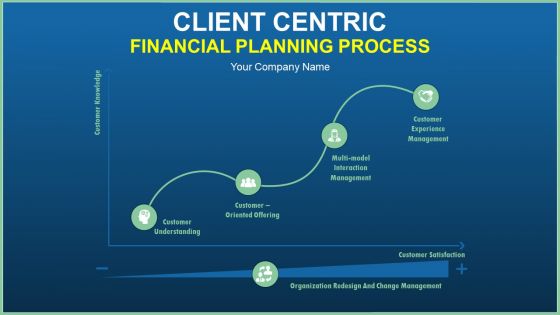
Slide 1: This slide introduces Client Centric Financial Planning Process with imagery.
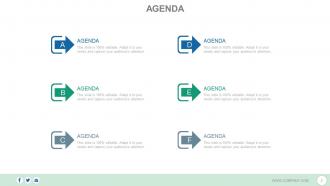
Slide 2: This is an Agenda slide. State your agendas here.
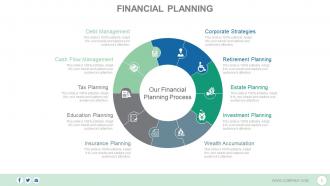
Slide 3: This slide shows Financial Planning process with the following components- Retirement Planning, Estate Planning, Investment Planning, Wealth Accumulation, Insurance Planning, Education Planning, Tax Planning, Cash Flow Management, Corporate Strategies, Debt Management.
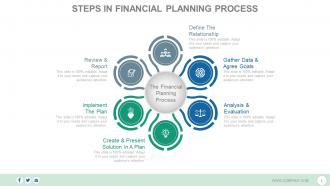
Slide 4: This slide shows Steps In Financial Planning Process. Some of these are- Define The Relationship, Gather Data & Agree Goals, Analysis & Evaluation, Create & Present Solution In A Plan, Implement The Plan, Review & Report.
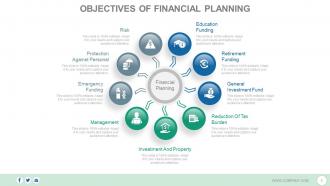
Slide 5: This slide shows Objectives Of Financial Planning such as- Education Funding, Investment And Property, Reduction Of Tax Burden, Management, General Investment Fund, Emergency Funding, Retirement Funding, Protection Against Personal, Risk.
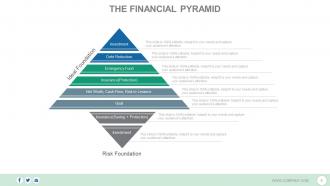
Slide 6: This slide shows The Financial Pyramid with various levels listed as- Investment, Debt Reduction, Emergency Fund, Insurance(Protection), Net Worth, Cash Flow, Risk to Lerance, Goal, Insurance(Saving + Protection).
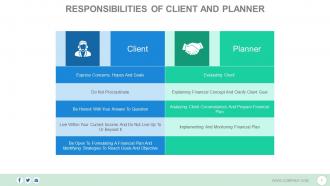
Slide 7: This slide states the Responsibilities Of Client And Planner. Add them here and use it accordingly.
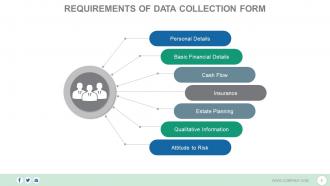
Slide 8: This slide showcases seven Requirements Of Data Collection Form which are- Personal Details, Basic Financial Details, Cash Flow, Insurance, Estate Planning, Qualitative Information, Attitude to Risk.
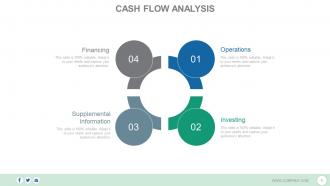
Slide 9: This slide shows 4 components of Cash Flow Analysis- Investing, Supplemental Information, Operations, Financing.
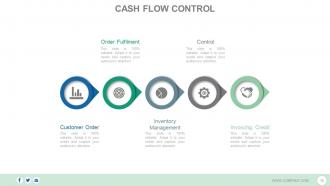
Slide 10: This is Cash Flow Control slide showing- Invoicing, Credit, Inventory Management, Customer Order, Order Fulfilment, Control.
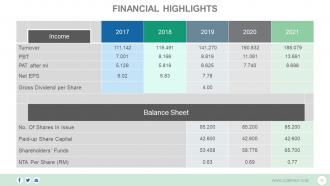
Slide 11: This slide presents Financial Highlights in years.
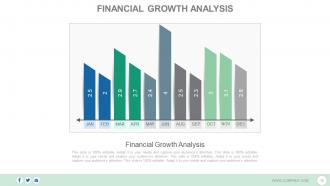
Slide 12: This slide shows a graphical presentation of Financial Growth Analysis.
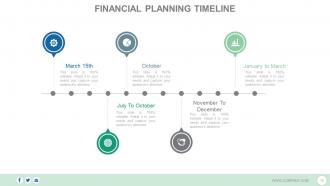
Slide 13: This slide presents Financial Planning Timeline. Add relevant data here as per your need.
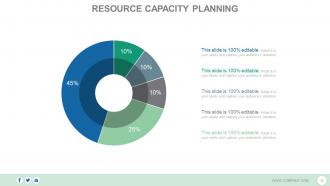
Slide 14: This slide shows Resource Capacity Planning in a pie chart/ graph form with text boxes.
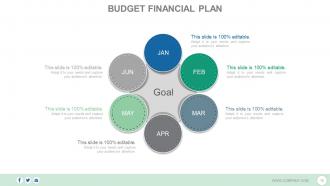
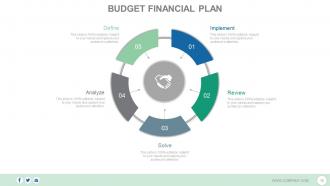
Slide 15: This slide shows Budget Financial Plan in a circular form.
Slide 16: This slide also shows Budget Financial Plan with the following 5 steps- Implement, Review, Solve, Analyze, Define.
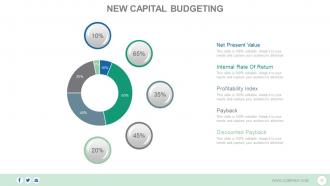
Slide 17: This is New Capital Budgeting slide showing- Net Present Value, Internal Rate Of Return, Profitability Index, Payback, Discounted Payback.
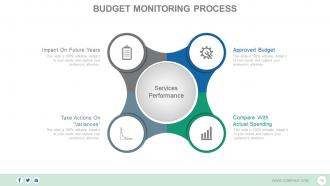
Slide 18: This is Budget Monitoring Process slide showing the following four characteristics of Services Performance- Compare With Actual Spending, Take Actions On “Variances”, Approved Budget, Impact On Future Years.
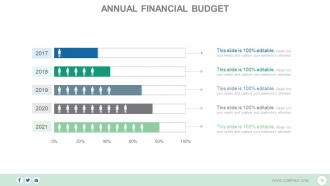
Slide 19: This slide presents Annual Financial Budget graphically.
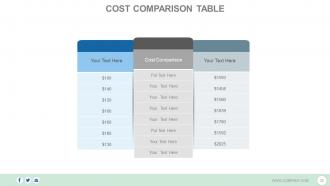
Slide 20: This slide shows Cost Comparison Table. Use this table to compare your own costs.
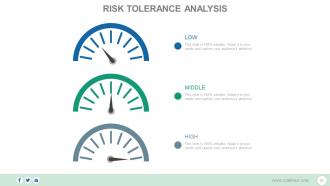
Slide 21: This slide shows Risk Tolerance Analysis slide with metric imagery.
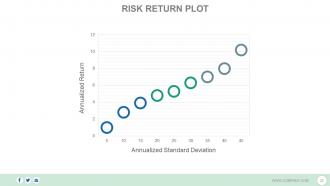
Slide 22: This slide shows Risk Return Plot.
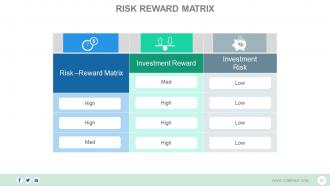
Slide 23: This slide shows RISK REWARD MATRIX with three parameters- High Low Med
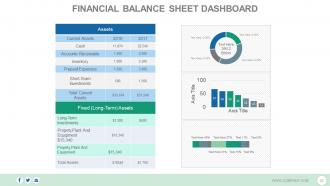
Slide 24: This slide displays Financial Balance Sheet Dashboard in charts and graphs form.
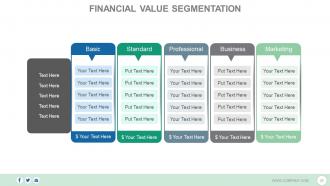
Slide 25: This slide shows Financial Value Segmentation with five major categories listed as- Basic, Standard, Business, Professional, Marketing.
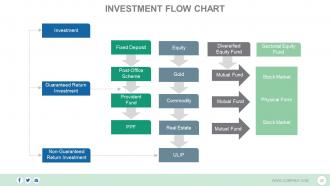
Slide 26: This slide shows Investment Flow Chart further divided into three main categories- Investment, Non-Guaranteed Return Investment, Guaranteed Return Investment.
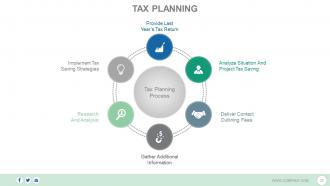
Slide 27: This slide shows Tax Planning with the following steps- Deliver Contact Outlining Fees, Research And Analysis, Analyze Situation And Project Tax Saving, Implement Tax Saving Strategies, Provide Last Year’s Tax Return, Gather Additional Information,
Slide 28: This slide is titled Additional Slides to move forward. You can change the slide content as per need.
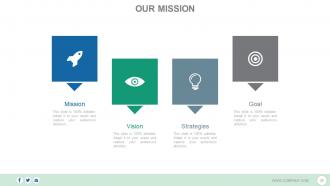
Slide 29: This is OUR MISSION slide. State your Vision, Goal, Strategies, Mission here.
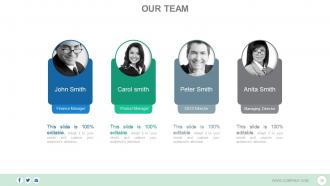
Slide 30: This is an Our Team slide with name, image and text boxes to put the required information.
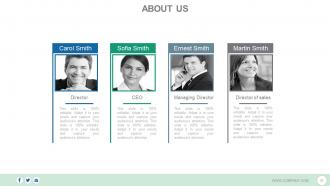
Slide 31: This is an About Us slide. State team/ company specifications here.
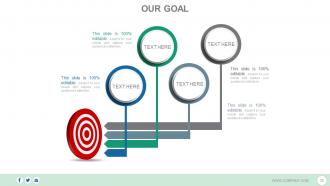
Slide 32: This slide shows OUR GOAL with target and arrow imagery.
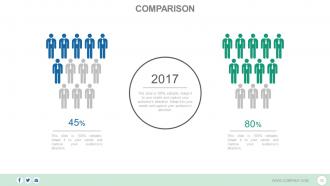
Slide 33: This slide displays Comparison between two entities in percentage.
Slide 34: This is a Financial score slide. State financial aspects, information etc. here.
Slide 35: This is a Quotes slide to convey company/ organization message, beliefs etc. You may change the slide content as per need.
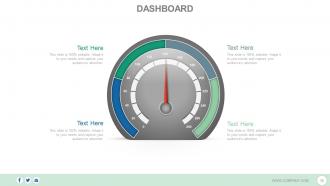
Slide 36: This is a Dashboard slide to show information in percentages etc.
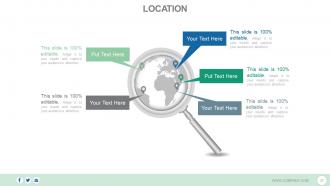
Slide 37: This is a Location slide to show global growth, presence etc. on a world map image.
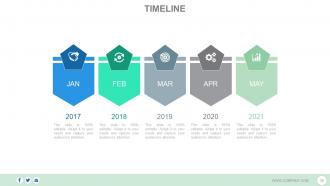
Slide 38: This is a Timeline slide to present important dates, journey, evolution, milestones etc.
Slide 39: This is a Post It slide to mark events, important information etc.
Slide 40: This is a News Paper slide to flash company event, news or anything to highlight.
Slide 41: This is a Puzzle pieces image slide to show information, specifications etc.
Slide 42: This is a Target image slide. State targets, etc. here.
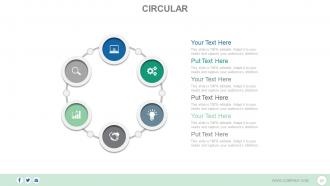
Slide 43: This is a Circular image slide. State specifications, information here.
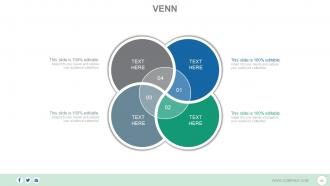
Slide 44: This is a Venn diagram image slide to show information, specifications etc.
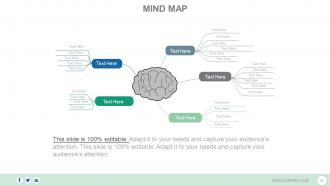
Slide 45: This is a Mind map image slide to show information, specifications etc.
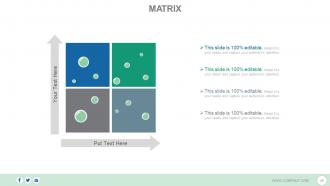
Slide 46: This is a MATRIX slide. Put relevant comparing data here.
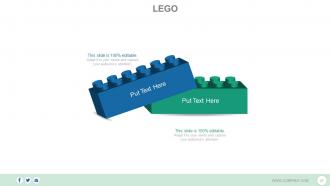
Slide 47: This is a LEGO slide with text boxes to show information.
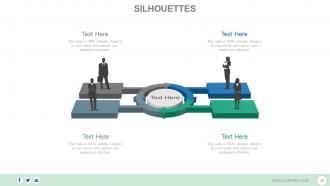
Slide 48: This is a Silhouettes infographic slide to show information, specifications etc.
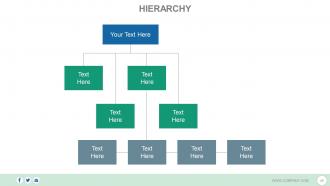
Slide 49: This is a Hierarchy slide to show information, organization/ team structure, specifications etc.
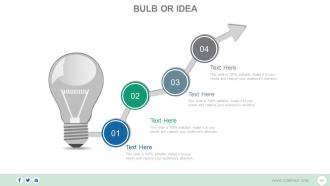
Slide 50: This is a Bulb or Idea image slide to show ideas, innovative information etc.
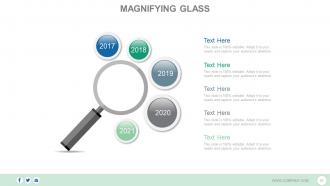
Slide 51: This is a Magnifying Glass image slide to show information, specifications etc.
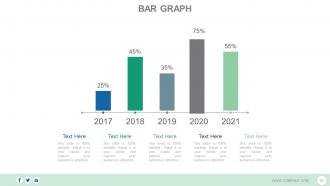
Slide 52: This is a Bar Graph slide to show product/ entity comparison, specifications etc.
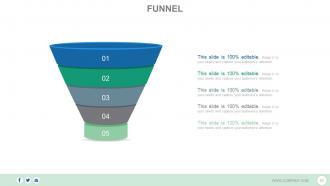
Slide 53: This is a Funnel image slide to show information, funneling aspects, specifications etc.
Slide 54: This is a Thank You image slide with Address, Email and Contact number.
Client centric financial planning process powerpoint presentation slides with all 54 slides:
Convey your ideas with elan. Use our Client Centric Financial Planning Process Complete Powerpoint Deck With Slides as the medium.



FAQs for Client centric financial planning process
Look, it's really about listening to what they actually want, not what you think they need. Focus on their real goals and how much risk they can handle - don't just push whatever product pays you the most commission. Be upfront about your fees too, because nobody likes surprise costs later. Check in with them regularly since life changes fast - new job, kids, whatever. I learned this the hard way, but when you genuinely put their interests first instead of yours, they end up trusting you with way more of their money. It's honestly better business long-term.
Ask about their fears and dreams first, not just numbers. What does "financial security" actually mean to them? Honestly, just listen more than you talk - people will spill everything if you give them space. Yeah, use those assessment tools but don't let them replace real conversation. Watch their body language too. What aren't they saying? You want the full picture - their finances AND how they feel about money. Always double-check what you heard: "So your biggest worry is..." Don't assume anything because that's where planning goes wrong.
Dude, emotional intelligence is everything in this job. Half the time you're literally being a financial therapist. Watch for what clients aren't saying - someone might claim they want aggressive growth while looking like they're about to throw up. Their body language tells the real story. I've learned to read between the lines on money fears and relationship drama. Past financial trauma shows up in weird ways too. You'll need to adapt how you communicate based on those emotional cues you pick up. Honestly, listening to HOW they say something matters way more than the actual words sometimes.
Honestly, the right tech can make you look like a wizard to your clients. Portfolio software shows real-time updates and those goal-tracking dashboards people actually love checking (weird but true). Video calls save everyone from the "traffic excuse" drama. Client portals are clutch - they can log in whenever without texting you at 9pm. Apps push helpful notifications based on where they're at financially. Short meetings become way more productive. Don't just grab the shiniest tools though. Pick stuff that makes sense for YOUR specific clients, not what some sales guy thinks is revolutionary.
Honestly, most advisors only reach out when they're trying to sell something - don't be that guy. Call your clients regularly even when nothing's happening with the market. Send them updates about how their divorce or new baby might affect their financial plan. Remember their kids' names, their business struggles, whatever. I started putting all that personal stuff in my CRM and it makes such a difference in conversations. Be upfront about your fees and how they're performing. Oh, and actually solve problems before they blow up. As their life changes, your services should too. It's really that simple.
Each generation wants totally different things, so you've gotta switch up your approach. Boomers still love in-person meetings and worry about retirement income plus healthcare costs. Gen X is stressed juggling college savings while trying to catch up on their own retirement - honestly such a sandwich generation moment. Millennials actually prefer texting or email and need help with student loans AND buying a house. Gen Z wants everything on their phone and cares way more about ESG investing than older clients. Just ask upfront how they like to communicate and what's keeping them up at night financially.
Honestly, you'll want to track both hard numbers and the softer stuff. NPS and retention rates are obvious ones - but don't sleep on referral rates either since happy clients just naturally send people your way. Regular check-ins work way better than generic surveys though. Ask specific questions about their goals and whether they actually feel heard in meetings. I also watch how often they respond to emails or show up to reviews - tells you a lot. Oh, and quarterly surveys with both ratings and open-ended questions help you catch problems before they blow up.
Build feedback right into your meetings - don't just collect it and forget about it. I always start by asking how their last investment decision actually *felt* because honestly, emotions drive way more than people admit. Quick surveys between meetings help too, especially after big market swings. Make it feel natural, not like homework. Then actually change things based on what they say! If monthly reports stress someone out, go quarterly instead. The whole point is adapting to how they actually communicate and what makes them comfortable, not forcing your process on them.
Honestly, just put your client first - for real, not just on paper. Be totally upfront about fees and if you're getting paid by certain companies to push their products. Can't believe how many advisors still do shady stuff like that. Keep everything confidential obviously. Make sure whatever you're recommending actually fits their situation and risk level. Document everything too - seriously, this will save your ass later. Oh and avoid situations where making more money for yourself screws them over. Simple test: would you give this same advice to your mom?
Oh totally, culture plays a huge role in how people think about money. I made some embarrassing assumptions early on - learned that lesson quick! Some families expect you to support parents before saving for retirement. Others think any debt is basically evil, not a tool. Risk tolerance varies wildly too. You might have someone who won't touch stocks because their grandparents lost everything, or they need way longer to make decisions because that's just how their family operates. Honestly, the best thing is just asking about their family's money values upfront instead of guessing.
Start with MoneyGuidePro or eMoney - they're basically the gold standard for financial planning software. Both help you map out different scenarios and show clients their goals visually. The CFP Board has this whole financial planning process framework, but honestly? Goal-based planning feels way more personal to clients. You'll need solid risk tolerance questionnaires and cash flow analysis tools too. Oh, and don't skip the client discovery worksheets - dig into their actual values and priorities, not just the numbers. Pick one comprehensive platform first, then build out your toolkit from there.
Stop leading with products, dude. Figure out what they actually want first - their goals, timeline, how much risk they can stomach. I've watched so many planners get obsessed with their go-to solutions and then force clients into those boxes. It's backwards. Map out their real priorities before you even think about what to sell them. Then match products to those needs. Skip anything that doesn't directly help, even if the commission looks juicy. Honestly, clients can smell quota-chasing from a mile away. They'll trust you way more when you're clearly putting their stuff first.
Ugh, it's mostly your old tech stack fighting you and office politics being messy as usual. Those legacy systems were built to pump out volume, not handle personalized stuff for each client. Your advisors also need to completely flip how they work - actually listening instead of just pitching products all day. Management pushes back because everything slows down at first and makes their numbers look bad. Oh, and good luck getting different departments to play nice when they're used to doing their own thing. I'd test it with just one team first, prove it works, then expand from there.
Look, when you teach your clients stuff, they actually start participating instead of just sitting there. I send out quick emails explaining market moves or break down why I'm suggesting something - suddenly they're asking smart questions that make meetings way less boring. They get the reasoning behind decisions, not just "trust me on this." Honestly, it's night and day compared to clients who zone out. Plus they stick with their plans when things get rocky because they understand what's happening. Even simple explainer videos work. Trust builds faster when people aren't completely in the dark, you know?
Skip the fancy jargon - just explain stuff like you're talking to your neighbor. Charts and visuals are total game changers for making things click. I always ask people to repeat back what we covered because honestly? Half the time they're nodding but completely lost. Break everything into bite-sized pieces instead of info-dumping. Ask "make sense?" every few minutes - most people won't speak up otherwise. Oh, and definitely send them a summary email later. They'll thank you for it since nobody remembers everything from these conversations anyway.
-
Perfect template with attractive color combination.
-
Great designs, Easily Editable.
-
Really like the color and design of the presentation.
-
Professional and unique presentations.