


Kundenfinanz- und Budgetplanungsprozess PowerPoint-Präsentationsfolien
Möchten Sie mit Ihrem Finanzplanungsprozess auffallen? Klicken Sie einfach auf unser vollständiges PPT-Modell für die Finanzplanung und laden Sie es herunter. Sie müssen nur Ihre Daten und Zahlen in Finanzplanvorlagen dieser vorgefertigten PPT-Beispieldatei eingeben und schon sind Sie mit einer ansprechenden PowerPoint-Präsentation im Handumdrehen fertig. Das Beste daran ist, dass mit kreativen Präsentationsthemen wie Zielen der Finanzplanung, Verantwortung von Kunde und Planer, Cashflow-Analyse, Cashflow-Kontrolle, Budgetüberwachungsprozess usw. unser Präsentationsdeck seinen Konkurrenten weit voraus ist. Darüber hinaus können Sie mit diesem PPT-Muster die Wirtschaftspolitik, die Investitionspolitik sowie die wirtschaftliche Lage Ihres Unternehmens unterstreichen. Darüber hinaus können Sie mit dieser PPT-Präsentation auch Konzepte wie Marktposition, Handelsneigung, Geldfluss etc. darstellen. Kurz gesagt, vom Anlageberater über Finanzplaner bis hin zu Buchhaltern wird dieses PowerPoint-Foliendeck umfassend auf die Bedürfnisse aller Fachleute eingehen.
Möchten Sie mit Ihrem Finanzplanungsprozess auffallen? Klicken Sie einfach auf unser vollständiges PPT-Modell für die Finan..
















-

- Google Slides is a new FREE Presentation software from Google.
- All our content is 100% compatible with Google Slides.
- Just download our designs, and upload them to Google Slides and they will work automatically.
- Amaze your audience with SlideTeam and Google Slides.
-

Want Changes to This PPT Slide? Check out our Presentation Design Services
-

- WideScreen Aspect ratio is becoming a very popular format. When you download this product, the downloaded ZIP will contain this product in both standard and widescreen format.
-

- Some older products that we have may only be in standard format, but they can easily be converted to widescreen.
- To do this, please open the SlideTeam product in Powerpoint, and go to
- Design ( On the top bar) -> Page Setup -> and select "On-screen Show (16:9)” in the drop down for "Slides Sized for".
- The slide or theme will change to widescreen, and all graphics will adjust automatically. You can similarly convert our content to any other desired screen aspect ratio.
Compatible With Google Slides

Get This In WideScreen
You must be logged in to download this presentation.


Do you want to remove this product from your favourites?
Merkmale dieser PowerPoint-Präsentationsfolien:
Vorgefertigte 53 Präsentationsthemen für den Planungsprozess. Auch für Budgetplaner oder Bankfachleute geeignet. Hochauflösende Präsentationsdiagramme. Wenden Sie jede Art von Bearbeitung an, die perfekt zu Ihrem Stil passt. Präsentationsfolie des Geschäftszitats und des Dankes am Ende. Frei von dauerhaften Wasserflecken. Passt gut zu Google Slides. Schnell herunterladbar. Kann leicht in PDF- oder JPG-Formate konvertiert werden.

People who downloaded this PowerPoint presentation also viewed the following :
Inhalt dieser Powerpoint-Präsentation
Folie 1 : Diese Folie stellt den Finanzplanungsprozess vor. Geben Sie Ihren Firmennamen an und beginnen Sie.
Folie 2 : Dies ist eine Agenda-Folie. Notieren Sie hier Ihre Agenda.
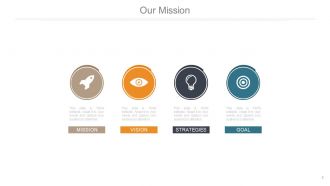
Folie 3 : Dies ist unsere Missionsfolie mit Vision und Zielen und Textfeldern. Geben Sie sie hier an.
Folie 4 : Dies ist die Folie unseres Teams mit Namen, Bezeichnung und Textfeldern.
Folie 5 : Dies ist eine Über uns-Folie. Geben Sie hier die Firmen-/Teamspezifikationen an.
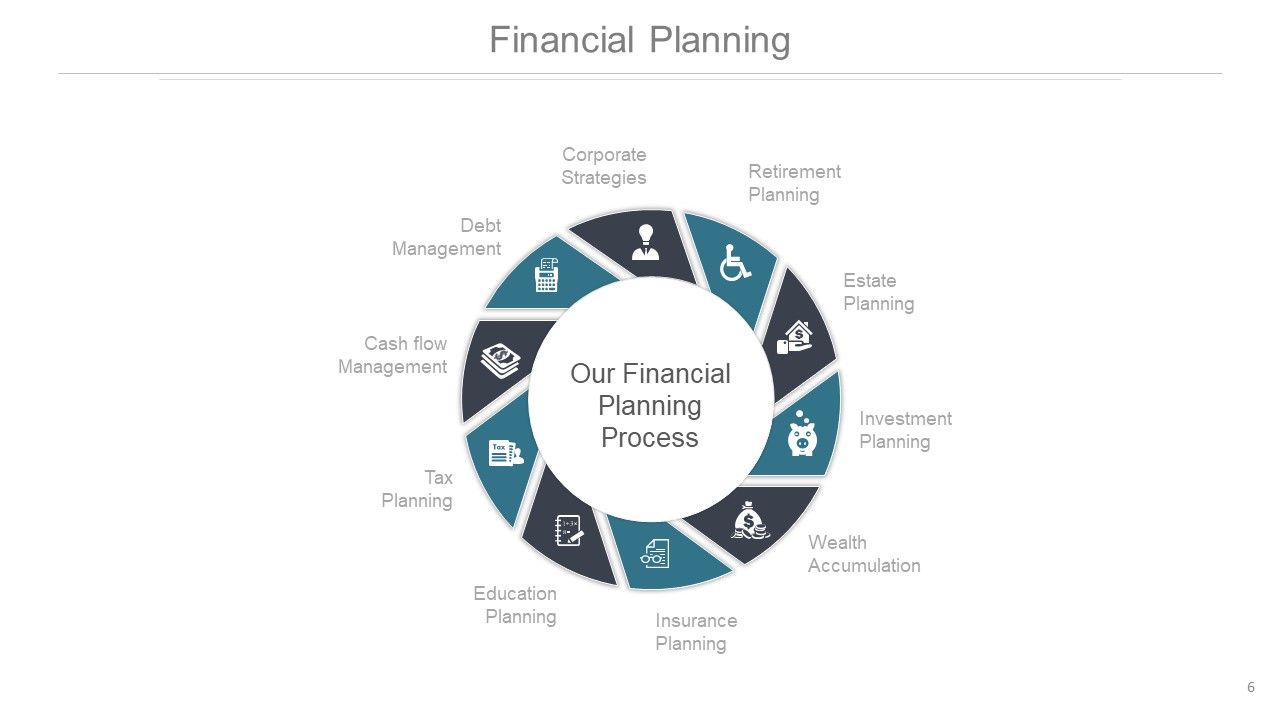
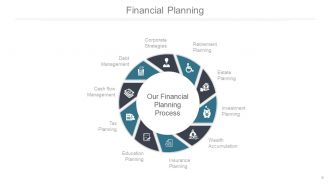
Folie 6 : Diese Folie zeigt die Finanzplanung mit Darstellung von Altersvorsorge, Nachlassplanung, Investitionsplanung, Vermögensaufbau, Versicherungsplanung, Bildungsplanung, Steuerplanung, Cashflow-Management, Schuldenmanagement, Unternehmensstrategien, unserem Finanzplanungsprozess.
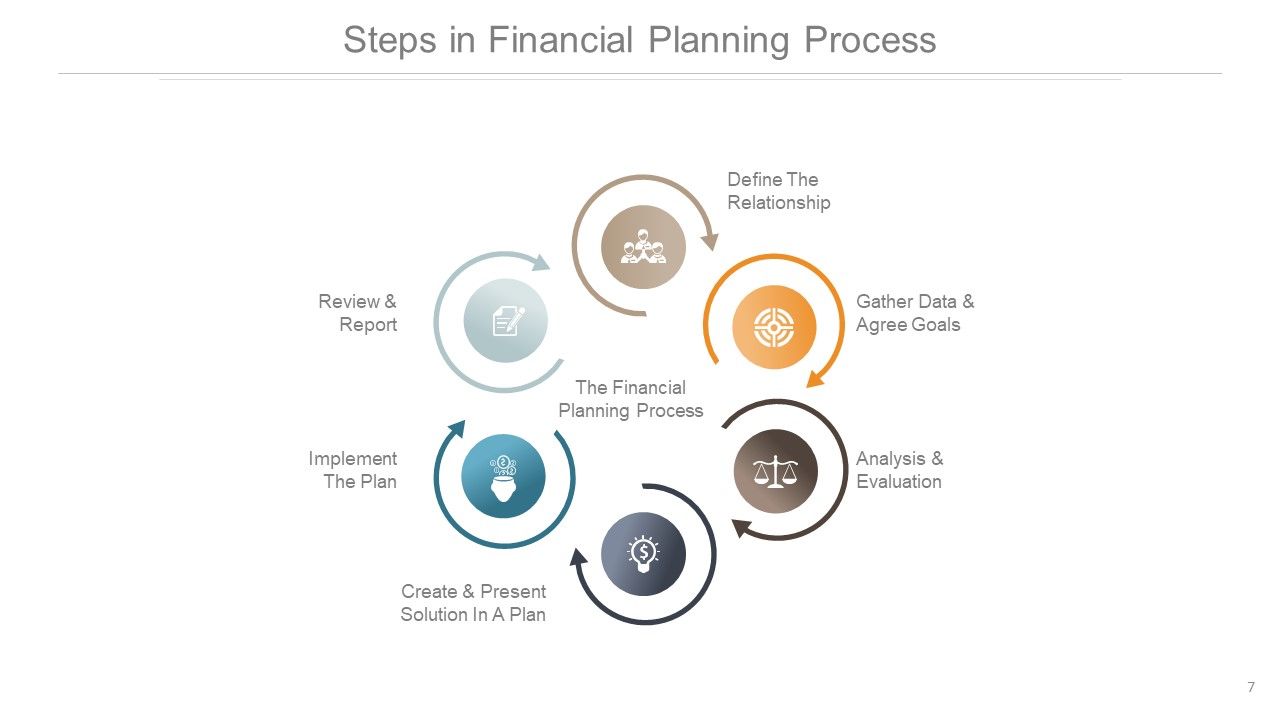
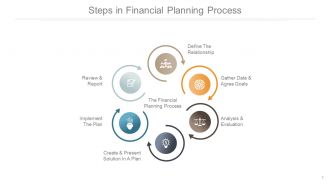
Folie 7 : Diese Folie zeigt die Schritte im Finanzplanungsprozess mit den folgenden Punkten – Daten sammeln und Ziele vereinbaren, Beziehung definieren, Analyse und Bewertung Lösung in einem Plan erstellen und präsentieren, Plan implementieren, überprüfen und berichten, Finanzplanungsprozess.
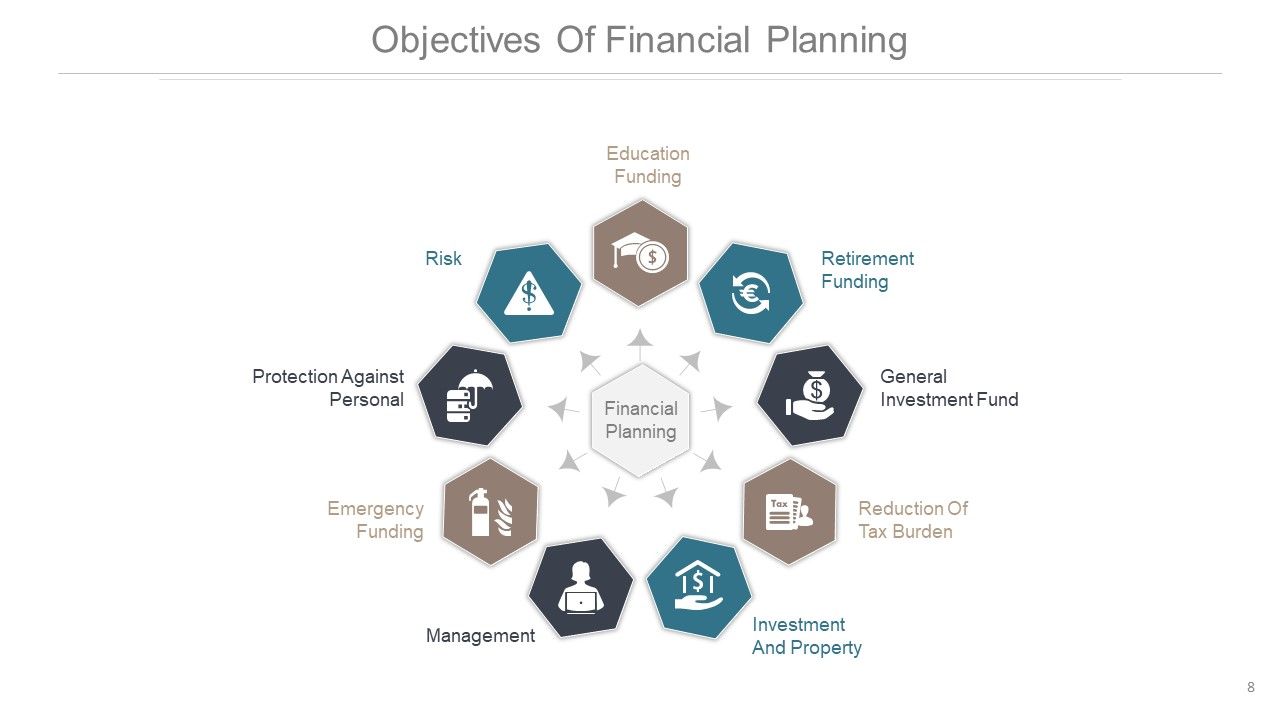
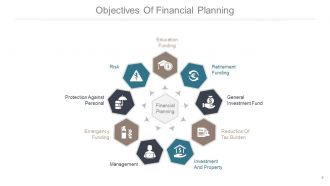
Folie 8 : Diese Folie zeigt die Ziele der Finanzplanung mit Bildungsfinanzierung, Altersvorsorge, allgemeiner Investitionsfonds, Reduzierung der Steuerbelastung, Investitionen und Eigentum, Verwaltung, Notfallfinanzierung, Schutz vor Personen, Risiken, Finanzplanung.
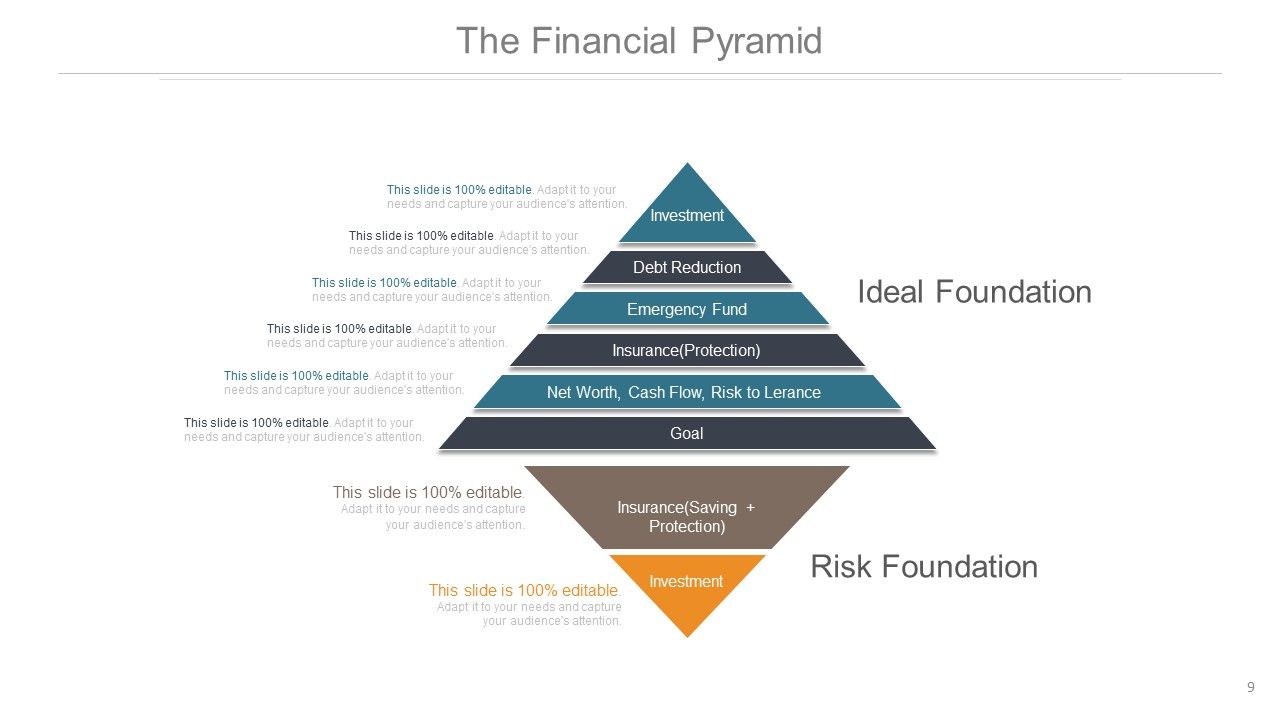
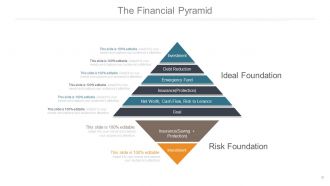
Folie 9 : Diese Folie zeigt die Finanzpyramide mit idealer Grundlage, Risikostiftung, Investition, Schuldenabbau, Notfallfonds, Versicherung (Schutz), Vermögen, Cashflow, Lernrisiko, Ziel, Investition, Versicherung (Ersparnis + Schutz) .
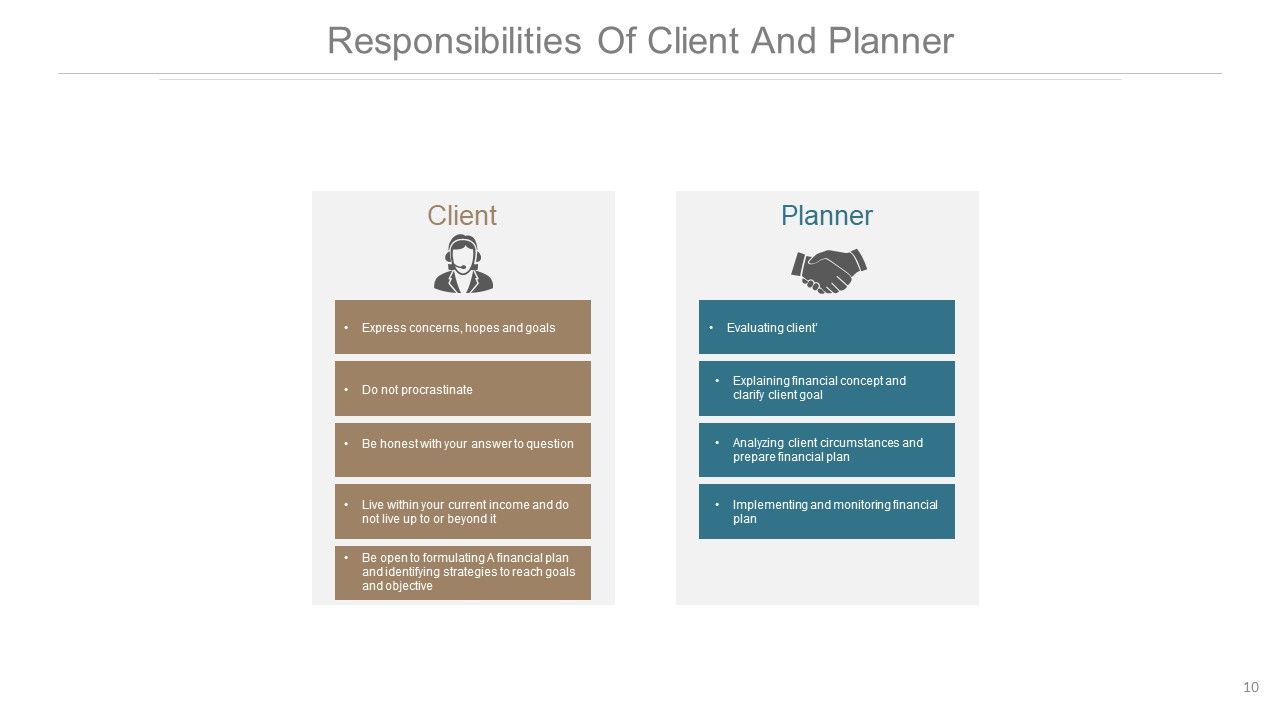
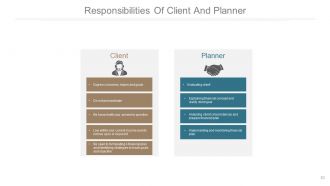
Folie 10 : Diese Folie zeigt die Verantwortlichkeiten des Kunden und des Planers – Äußern Sie Bedenken, Hoffnungen und Ziele, Zögern Sie nicht, Seien Sie ehrlich mit Ihrer Antwort auf die Frage, Leben Sie mit Ihrem aktuellen Einkommen und leben Sie es nicht oder darüber hinaus, Seien Sie offen für Einen Finanzplan formulieren und Strategien identifizieren, um die Ziele des Kunden zu erreichen und den Finanzplan implementieren und überwachen, die Umstände des Kunden analysieren und einen Finanzplan erstellen, das Finanzkonzept erklären und das Kundenziel klären, den Kunden von Planner bewerten.
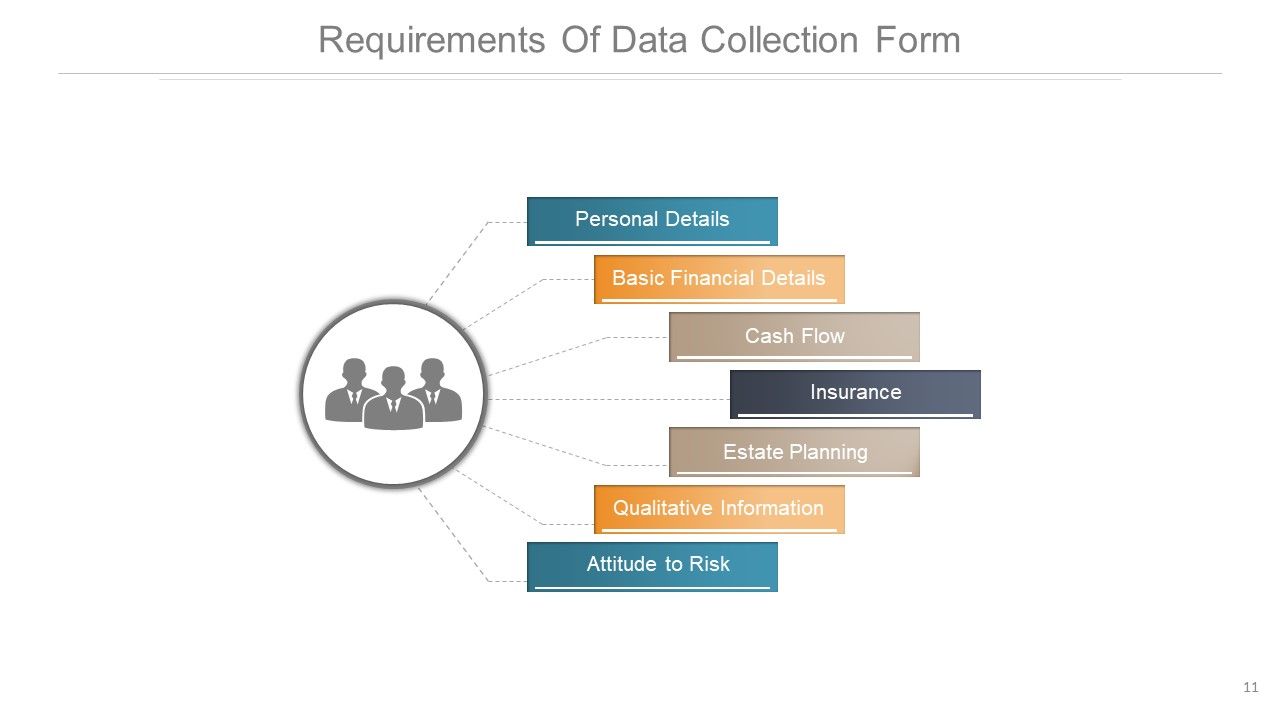
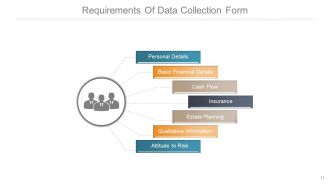
Folie 11 : Diese Folie zeigt die Anforderungen an das Datenerfassungsformular, das persönliche Daten, grundlegende Finanzdaten, Cashflow, Versicherung, Nachlassplanung, qualitative Informationen, Risikoeinstellung anzeigt.
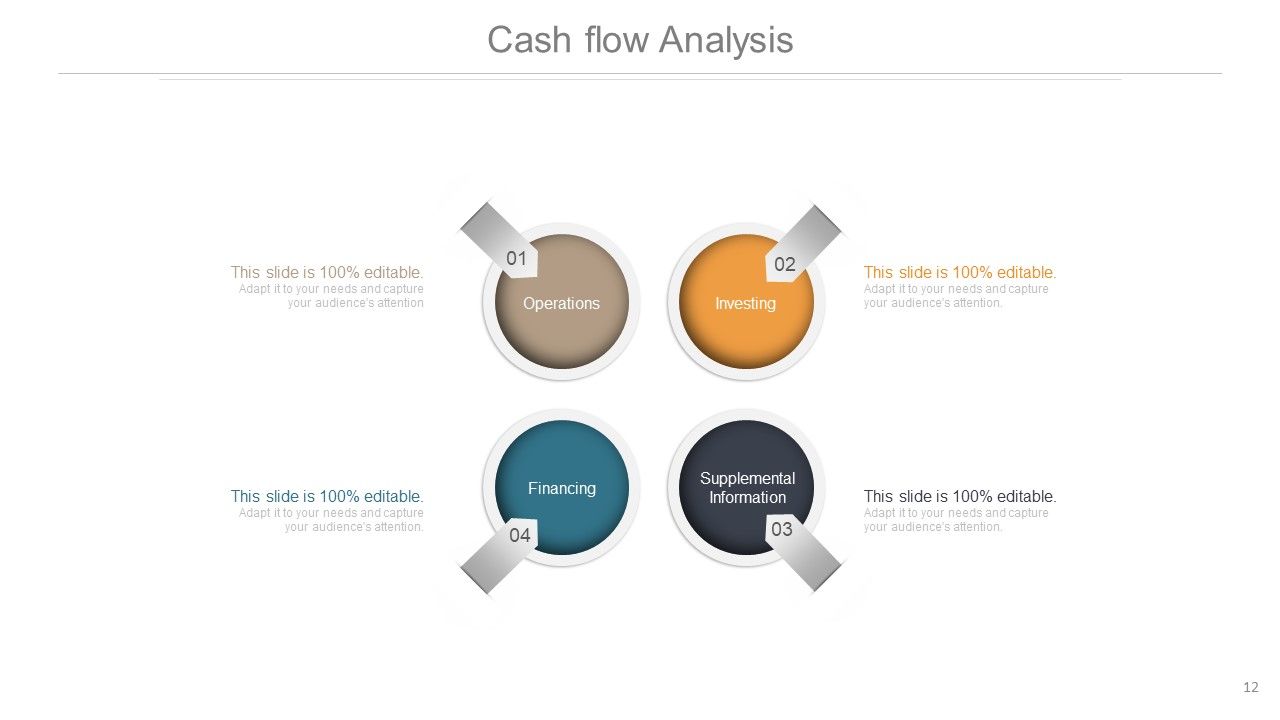
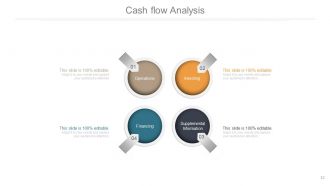
Folie 12 : Diese Cashflow-Analyse zeigt Investitionen, Betrieb, ergänzende Informationen, Finanzierung.
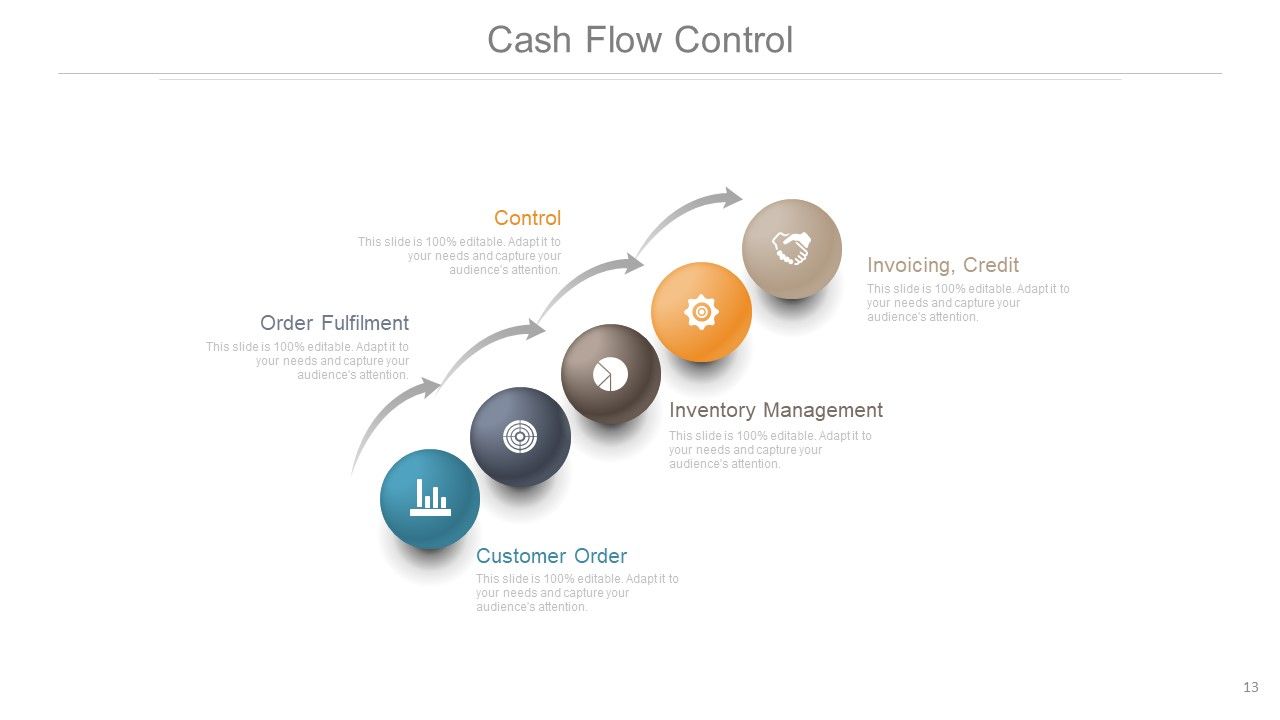
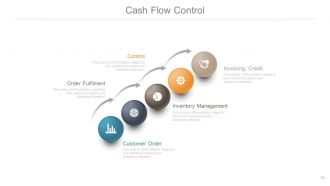
Folie 13 : Diese Folie zeigt die Cashflow-Steuerung, die Kundenbestellung, Bestandsverwaltung, Fakturierung, Kredit, Kontrolle, Auftragserfüllung zeigt.
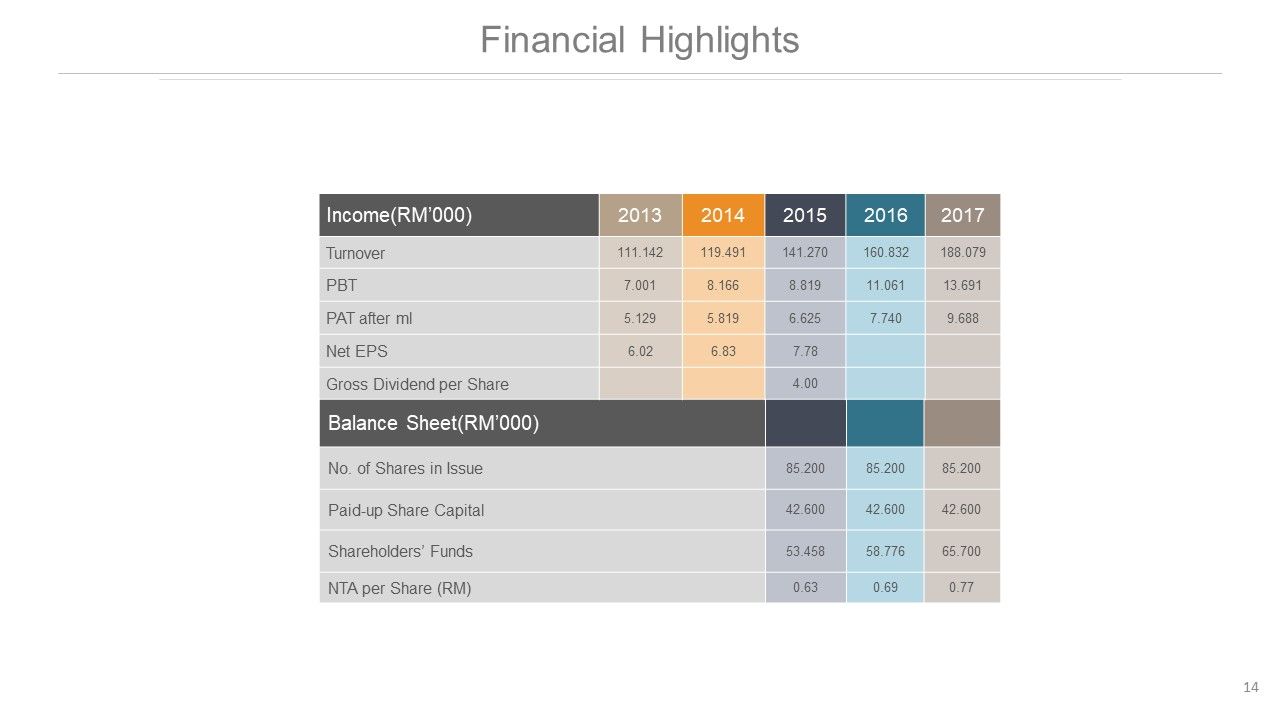
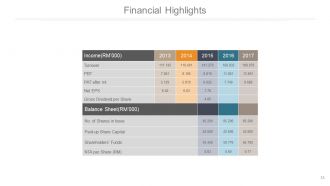
Folie 14 : Dies ist eine tabellarische Folie zu den Finanzhighlights.
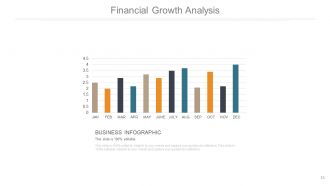
Folie 15 : Dies ist die Finanzwachstumsanalyse in Tabellenform.
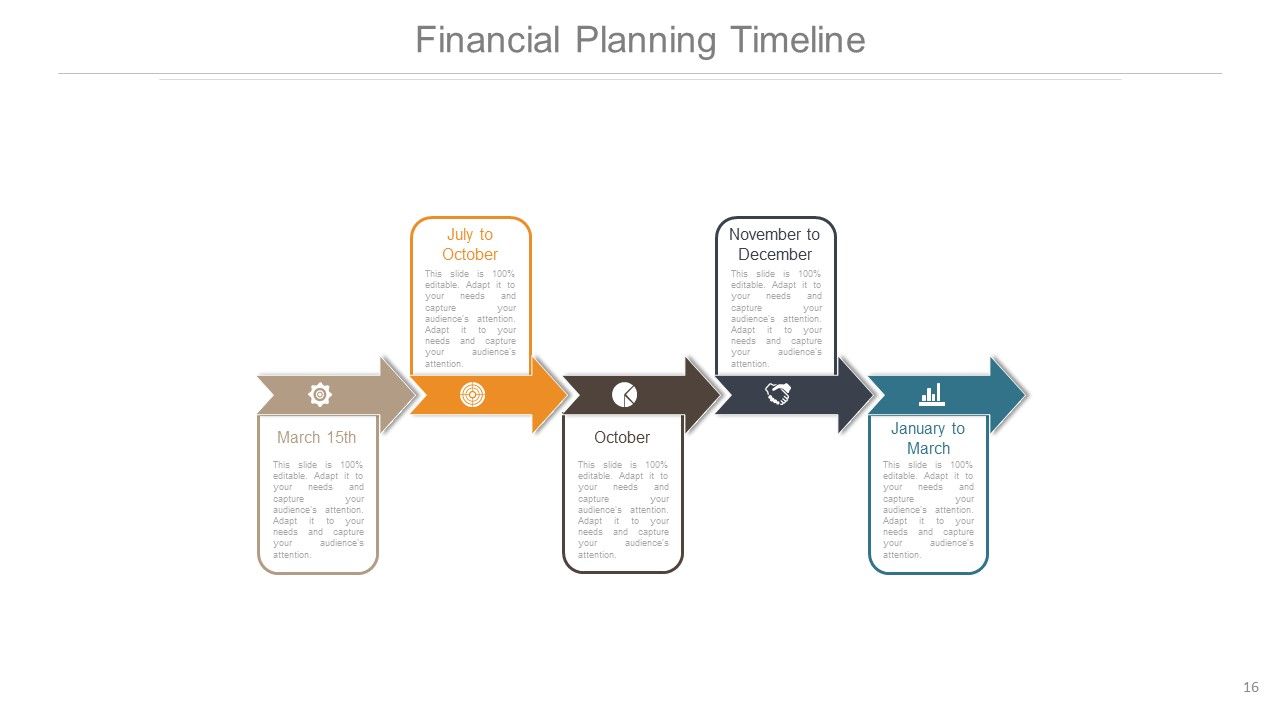
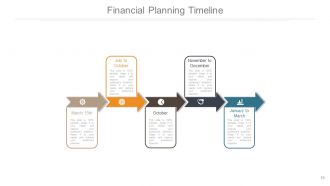
Folie 16 : Dies ist die Folie zur Zeitachse der Finanzplanung.
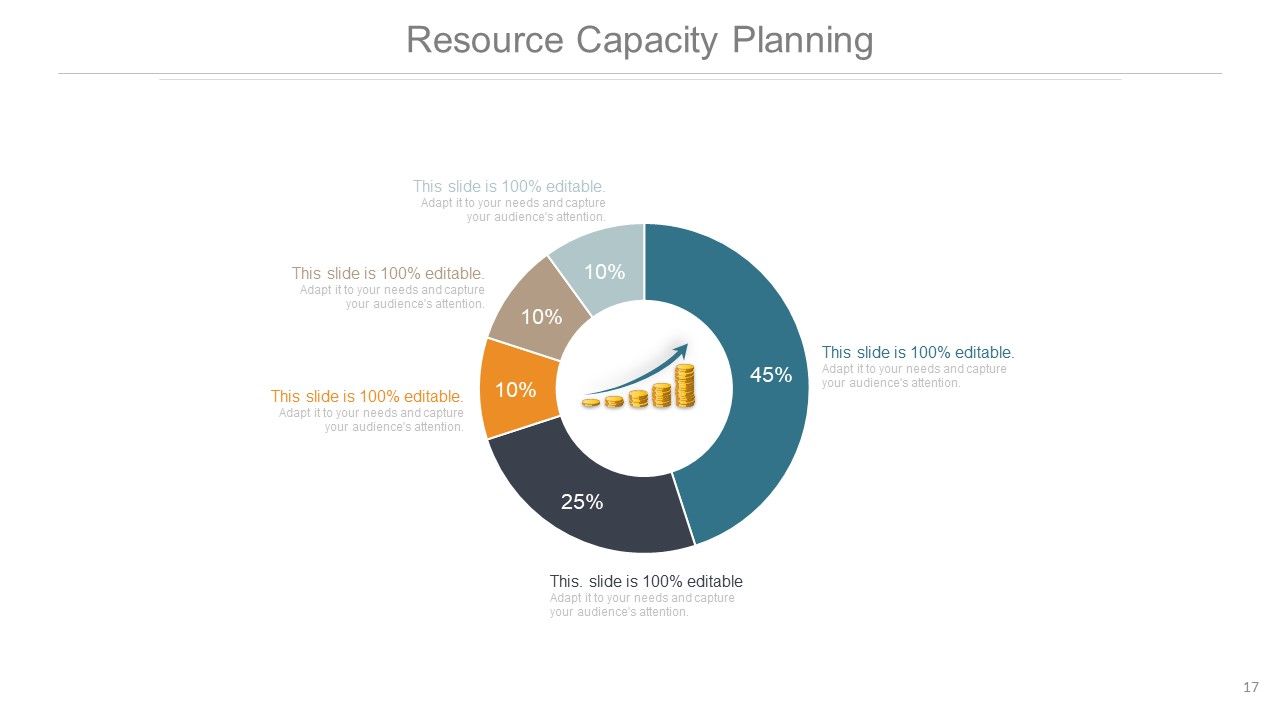
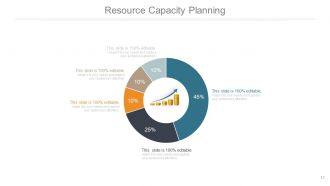
Folie 17 : Diese Folie zeigt die Ressourcenkapazitätsplanung.
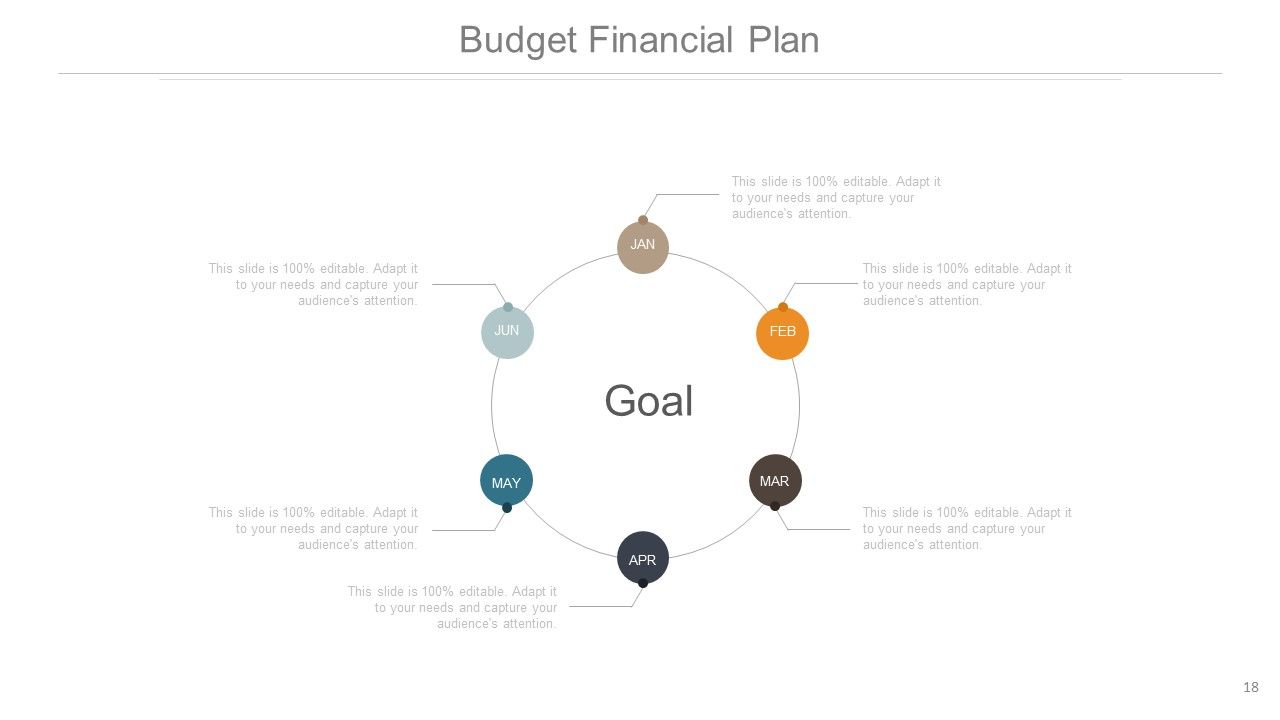
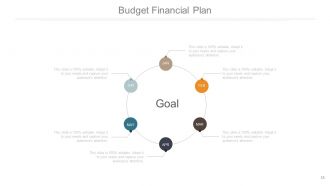
Folie 18 : Dies ist die Folie des Haushaltsfinanzplans.
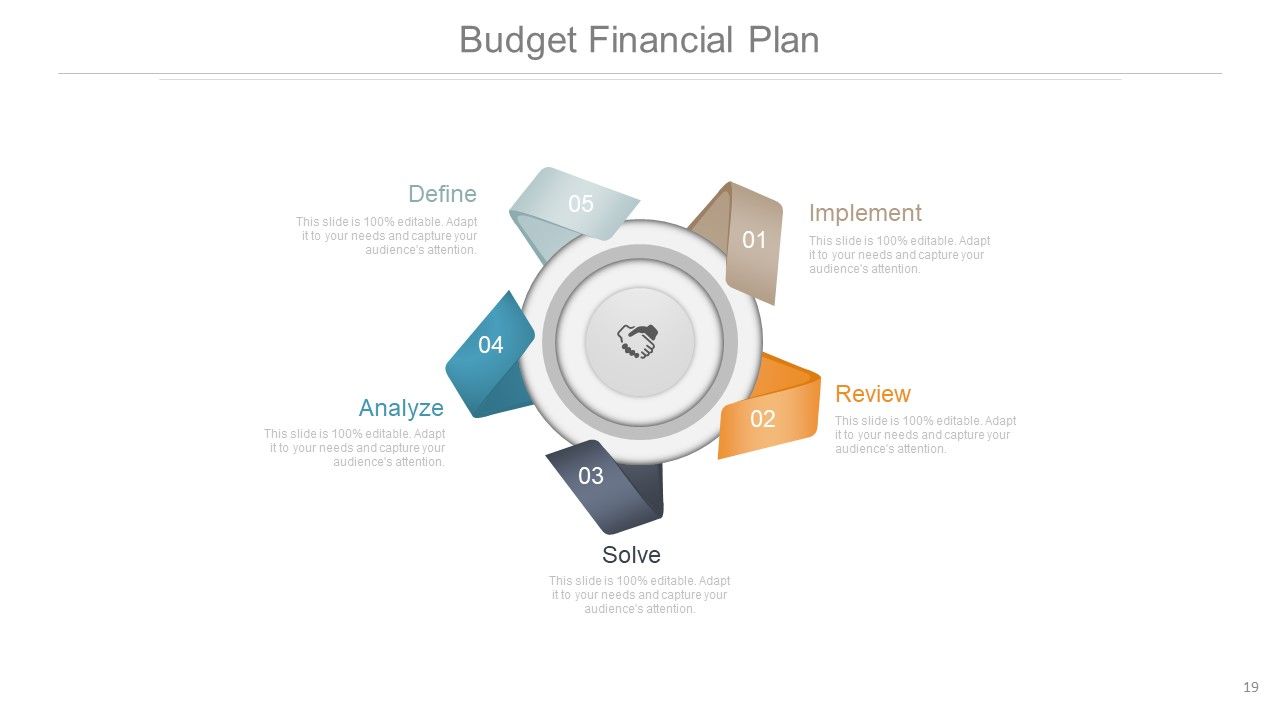
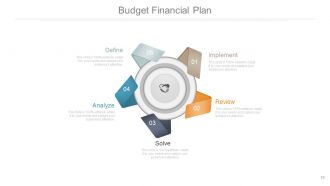
Folie 19 : Dies ist die Präsentation des Haushaltsfinanzplans – Überprüfen, Implementieren, Definieren, Analysieren, Lösen.
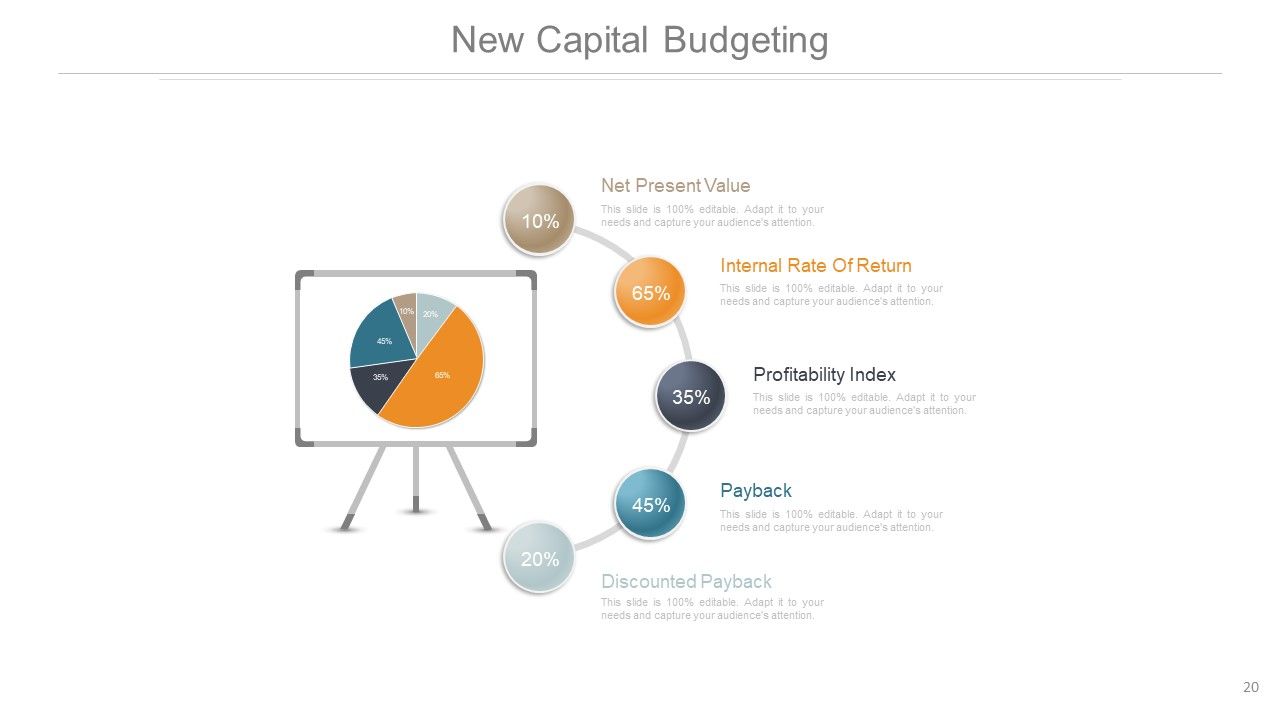
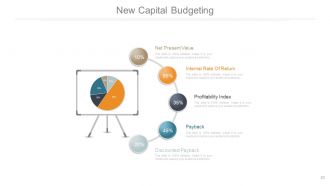
Folie 20 : Diese Folie präsentiert die neue Kapitalplanung mit Nettobarwert, internem Zinsfuß, Rentabilitätsindex, Amortisation, rabattierter Amortisation.
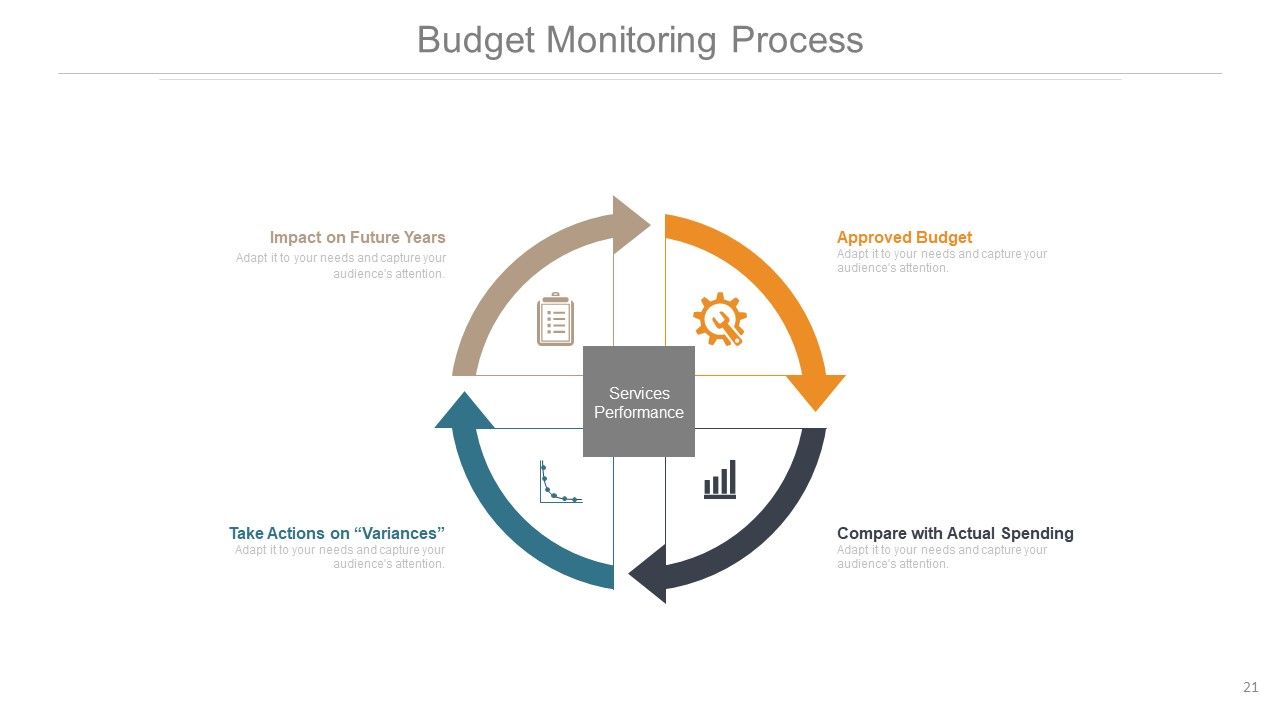
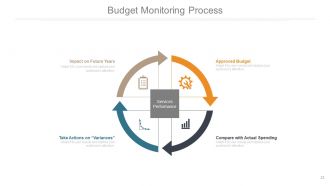
Folie 21 : Diese Folie zeigt den Budgetüberwachungsprozess mit Anzeige von Serviceleistung, Auswirkungen auf zukünftige Jahre, Maßnahmen bei „Abweichungen“, genehmigtes Budget, Vergleich mit tatsächlichen Ausgaben.
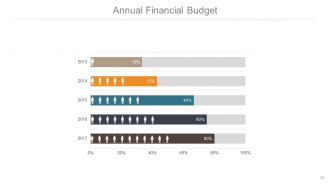
Folie 22 : Diese Folie zeigt das jährliche Finanzbudget in einer kreativen grafischen Form.
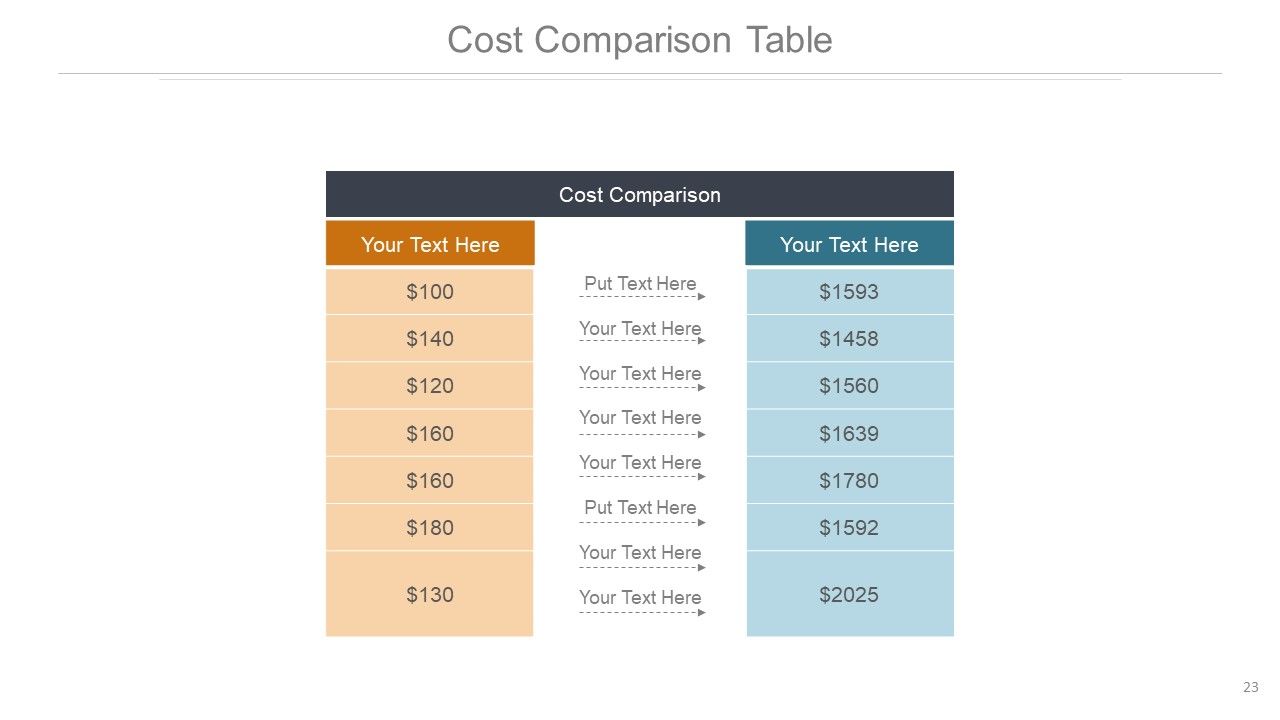
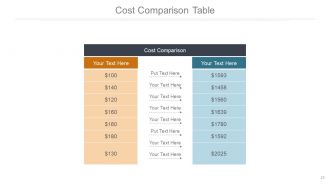
Folie 23 : Diese Folie zeigt eine Kostenvergleichstabelle.
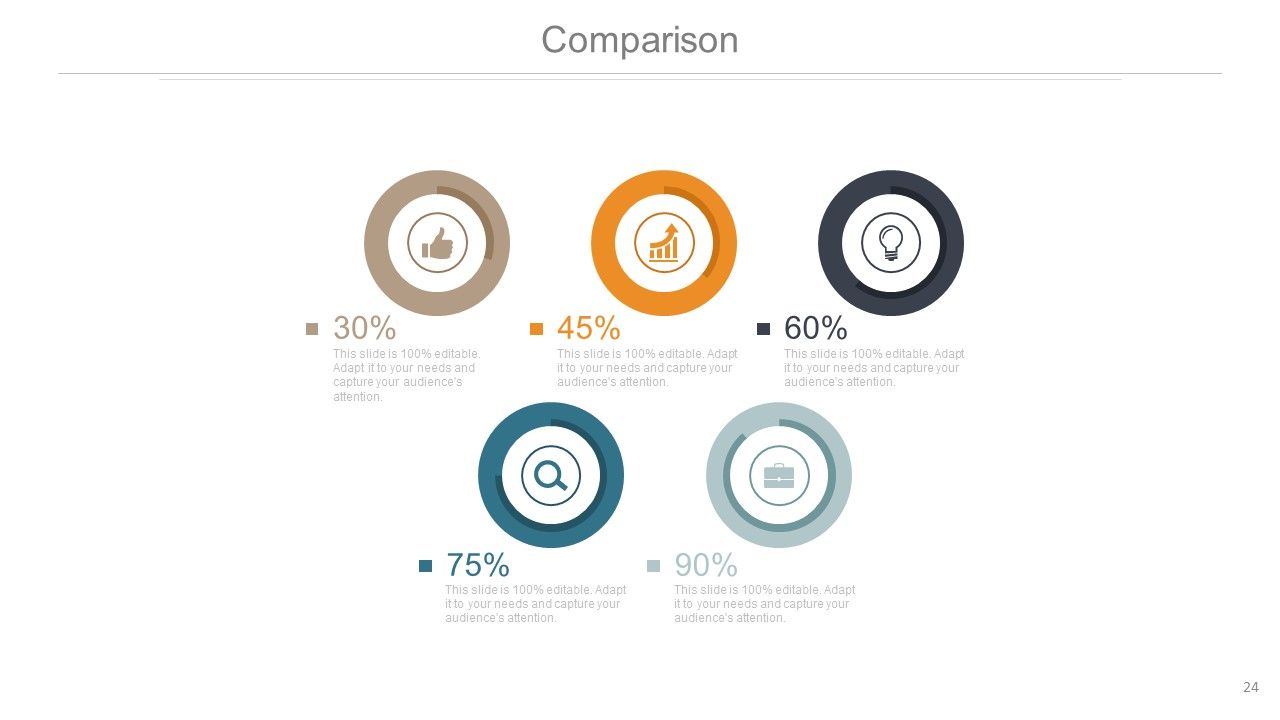
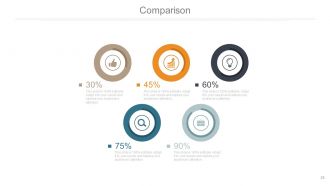
Folie 24 : Diese Folie zeigt den Vergleich an. Vergleichen Sie verschiedene Aspekte usw. mit kreativen Symbolbildern.
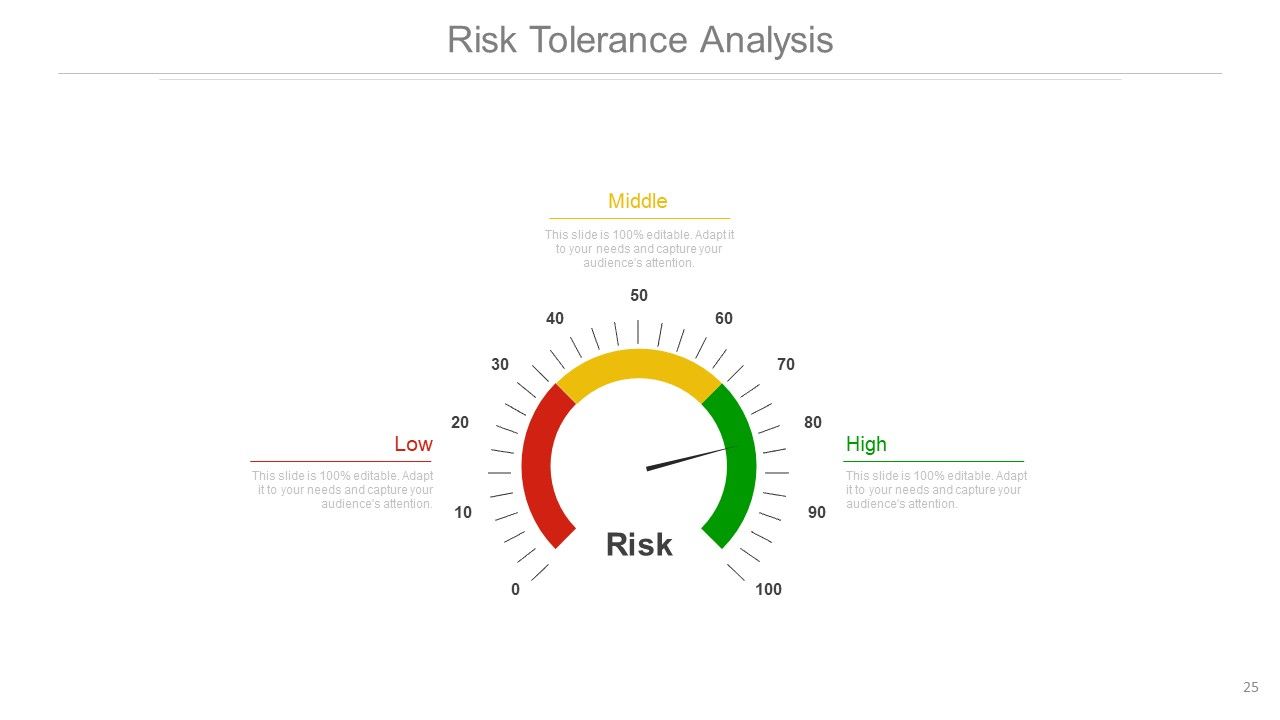
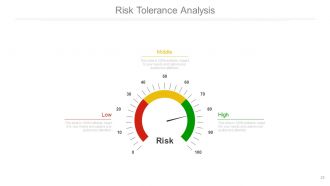
Folie 25 : Diese Folie zeigt die Risikotoleranzanalyse in einer metrischen Maßstabsform.
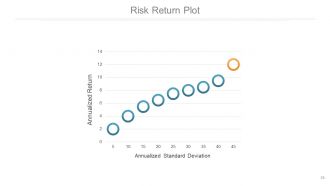
Folie 26 : Diese Folie zeigt das Risiko-Rendite-Diagramm, das die annualisierte Rendite und die annualisierte Standardabweichung anzeigt.
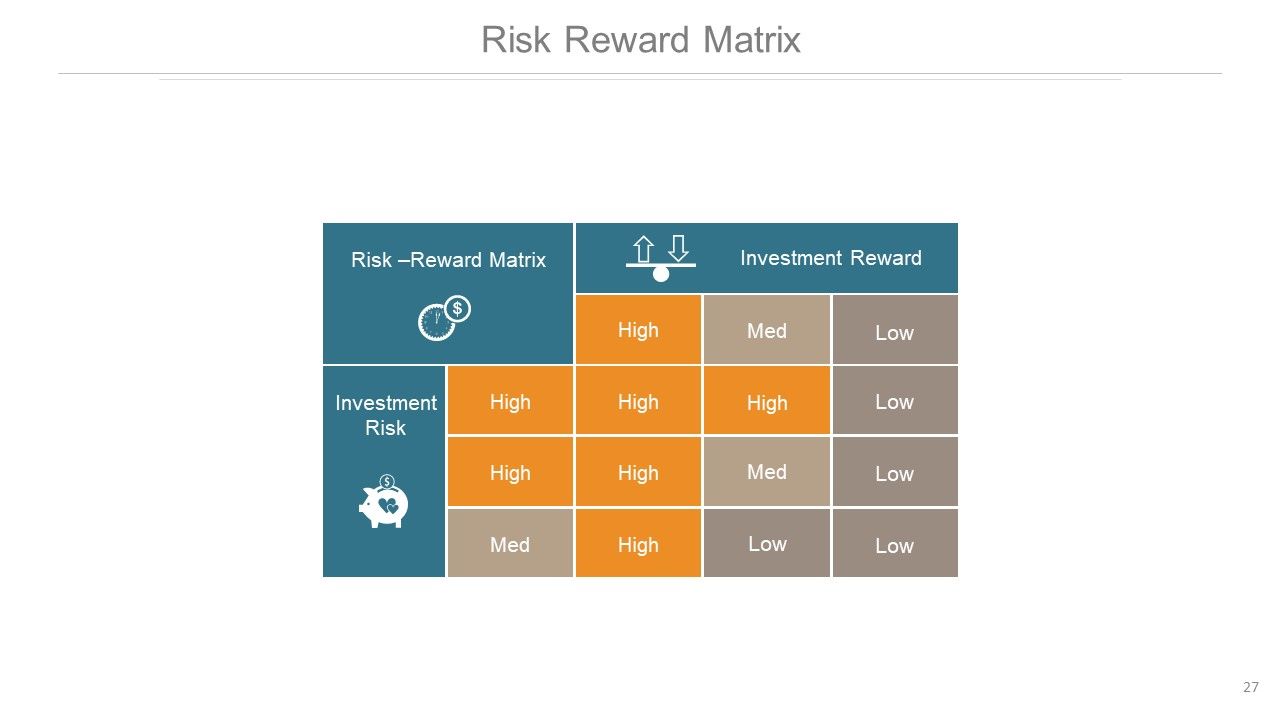
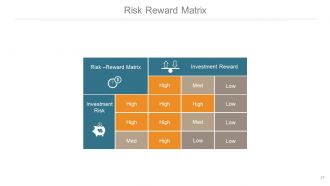
Folie 27 : Diese Folie stellt eine Risiko-Ertrags-Matrix dar, die Investitionserträge und Investitionen anzeigt.
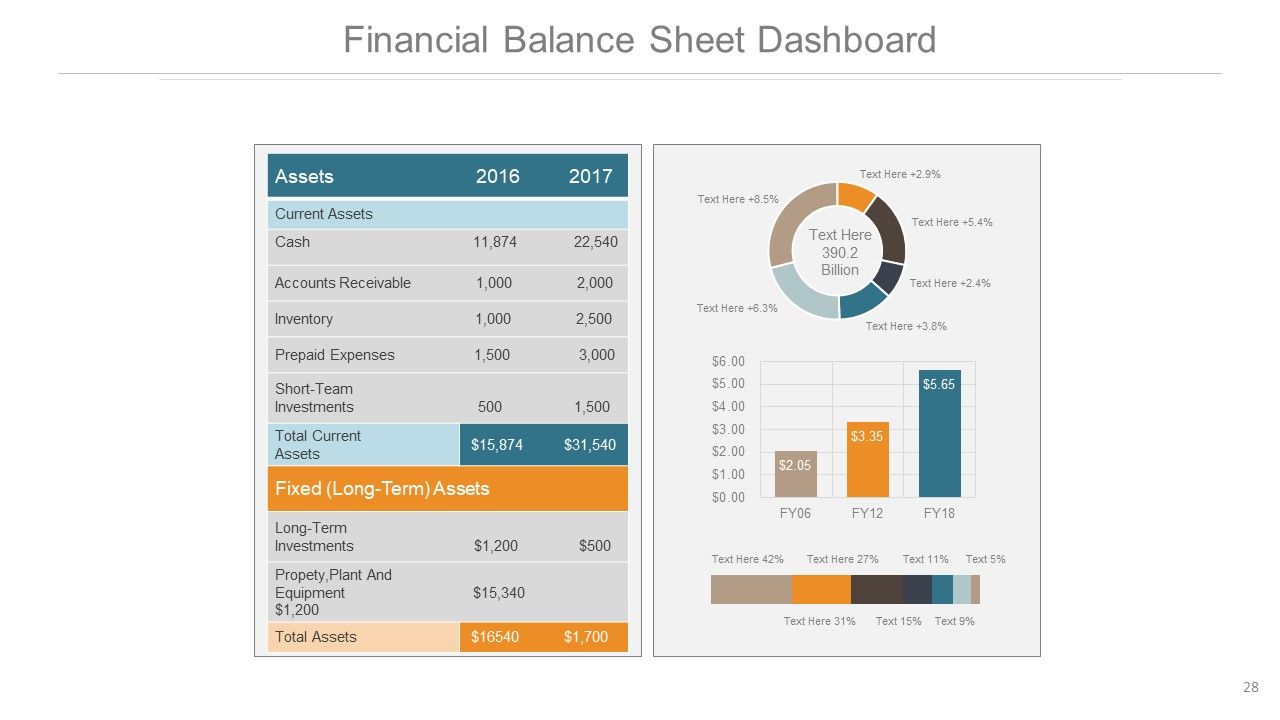
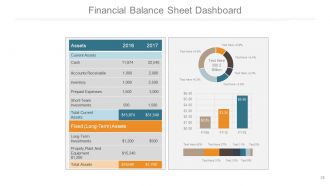
Folie 28 : Diese Folie zeigt ein Finanzbilanz-Dashboard.
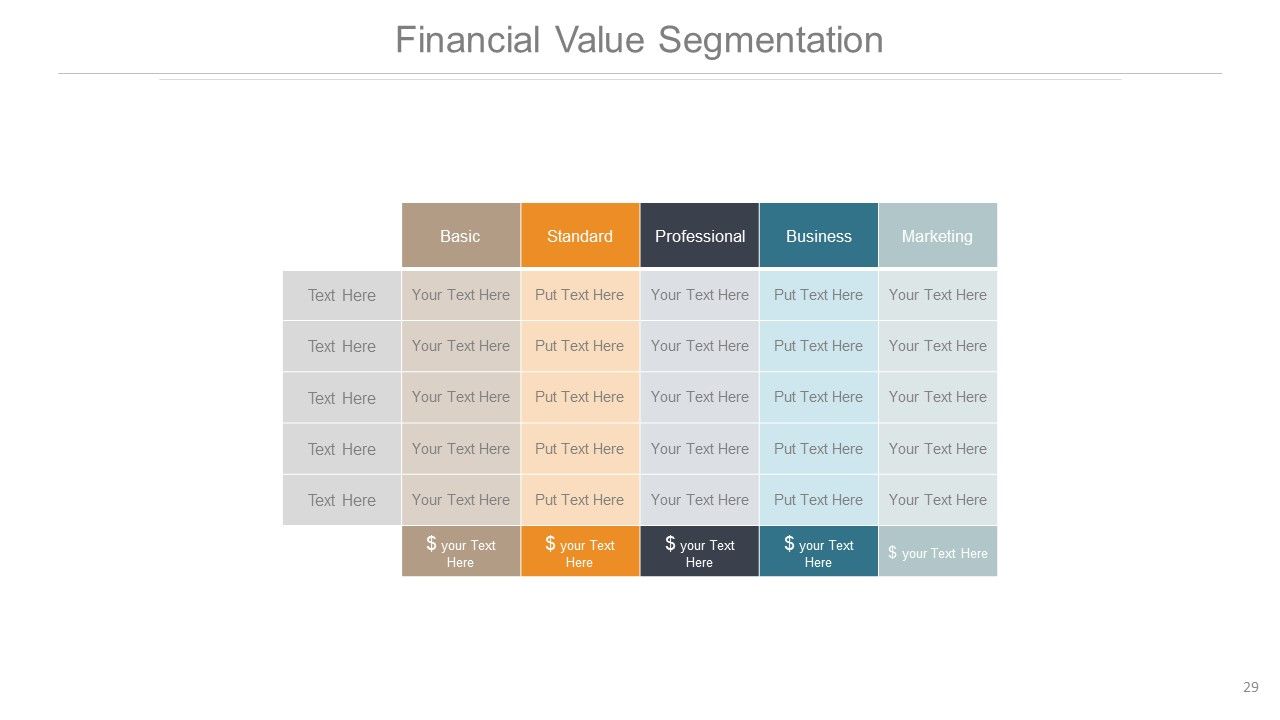
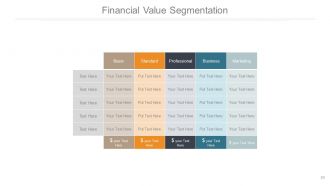
Folie 29 : Diese Folie zeigt die Segmentierung des finanziellen Werts in Tabellenform.
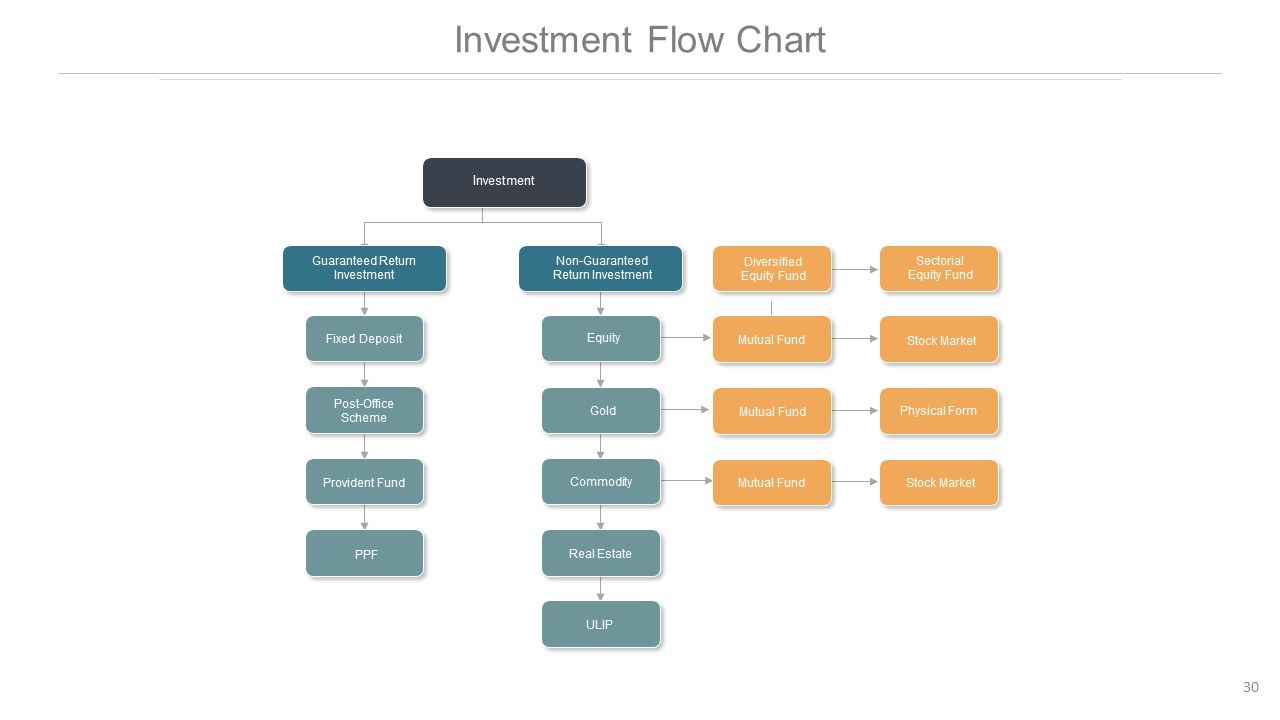
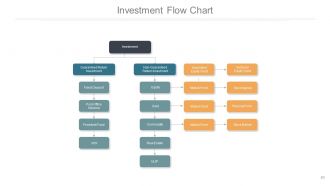
Folie 30 : Dies ist eine Präsentation des Investitionsflussdiagramms – Investition, Investition ohne garantierte Rendite, Investition mit garantierter Rendite, Festgeld, Postamt, Vorsorgefonds, PPF, Eigenkapital, Gold, Rohstoffe, Immobilien, ULIP, Investmentfonds , physische Form, Investmentfonds, Börse, Sektoraler Aktienfonds, Diversifizierter Aktienfonds, Investmentfonds, Börse.
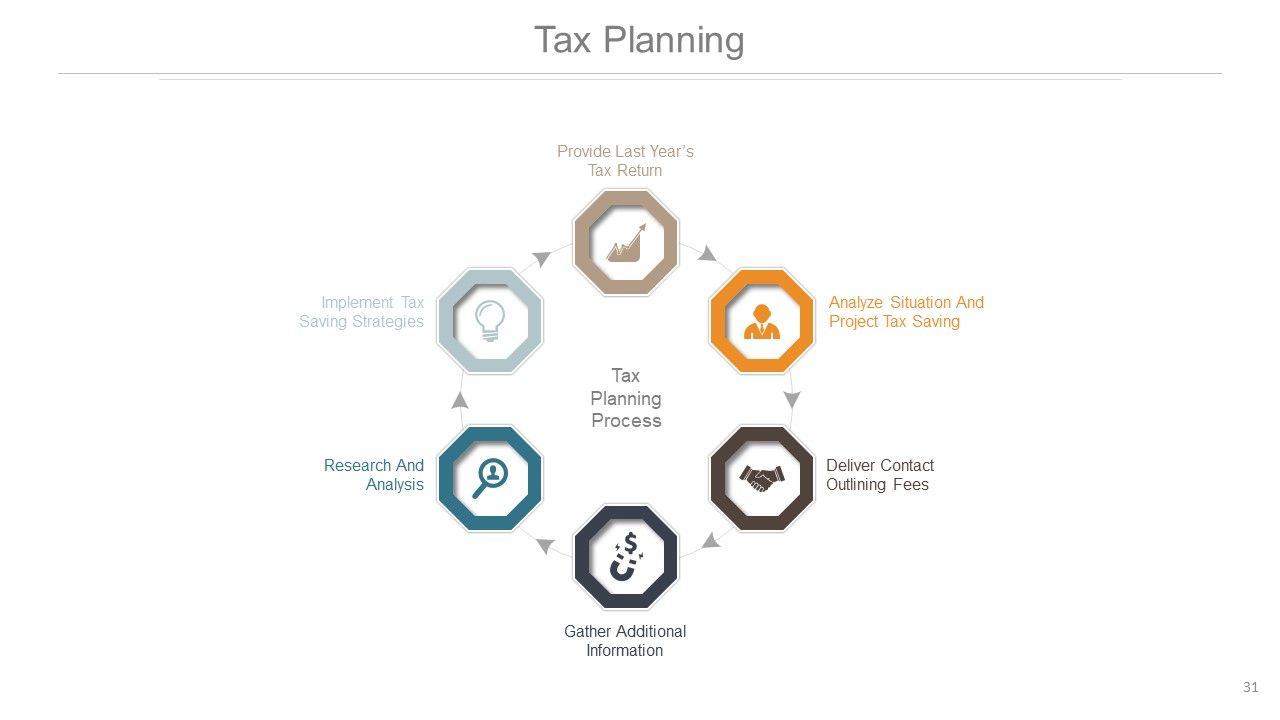
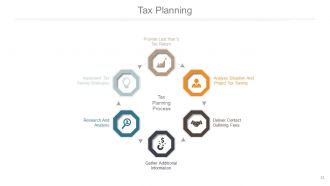
Folie 31 : Diese Folie zeigt die Anzeige der Steuerplanung - Steuererklärung des letzten Jahres bereitstellen, Situation analysieren und Steuereinsparungen planen, Gebühren für die Kontaktskizze liefern, Recherchen und Analysen durchführen, Steuersparstrategien implementieren, zusätzliche Informationen sammeln, Steuerplanungsprozess.
Folie 32 : Dies ist eine Post-It-Folie zum Markieren von Ereignissen, Erinnerungen, wichtigen Informationen usw.
Folie 33 : Dies ist eine Zeitungsfolie, um wichtige Informationen usw. anzuzeigen. Sie können den Folieninhalt nach Bedarf ändern.
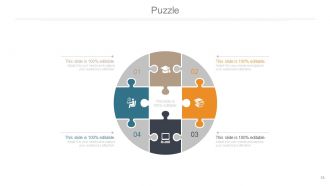
Folie 34 : Dies ist eine Puzzle-Bildfolie. Zustandsinformationen, Spezifikationen etc. hier.
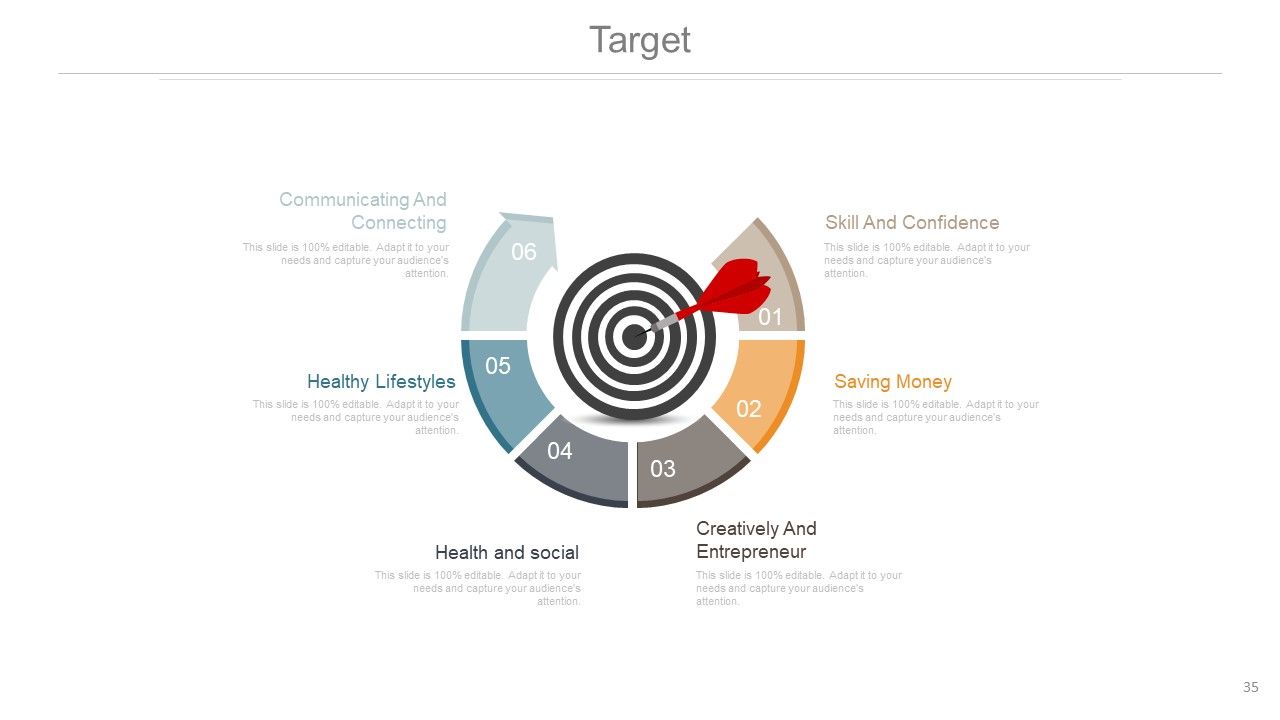
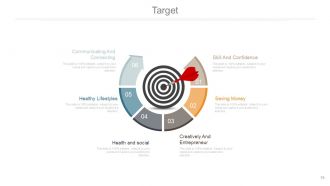
Folie 35 : Dies ist unsere Zielbildfolie. Geben Sie hier Ziele, Informationen, Spezifikationen etc. an. wie- Gesunder Lebensstil, Geld sparen, Kreativ und Unternehmerisch, Gesundheit und Soziales, Geschick und Selbstvertrauen, Kommunikation und Verbindung.
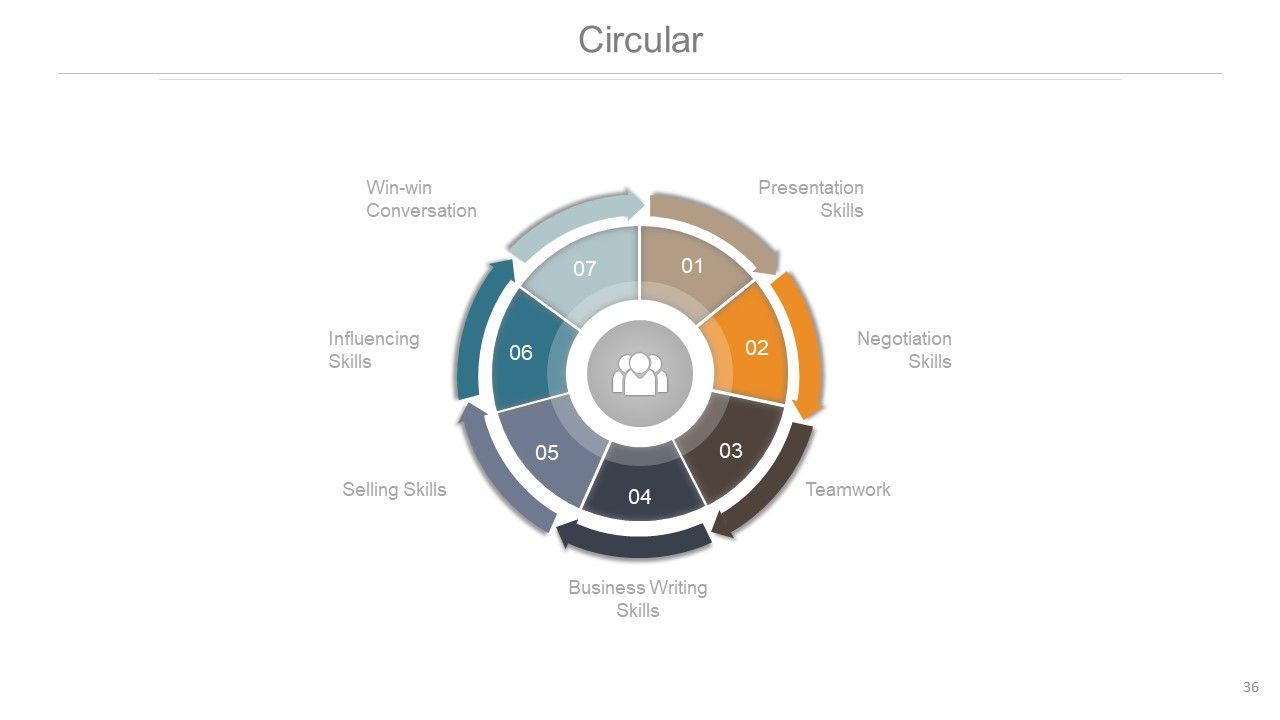
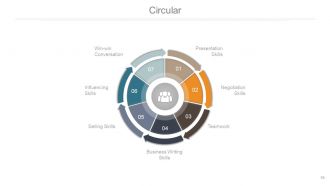
Folie 36 : Dies ist eine kreisförmige Bildfolie. Geben Sie hier Informationen, Spezifikationen usw. an, wie z. B. Win-Win-Konversation, Verhandlungsgeschick, Teamwork, Beeinflussungsfähigkeiten, Präsentationsfähigkeiten, Verkaufsfähigkeiten, Geschäftsschreibfähigkeiten.
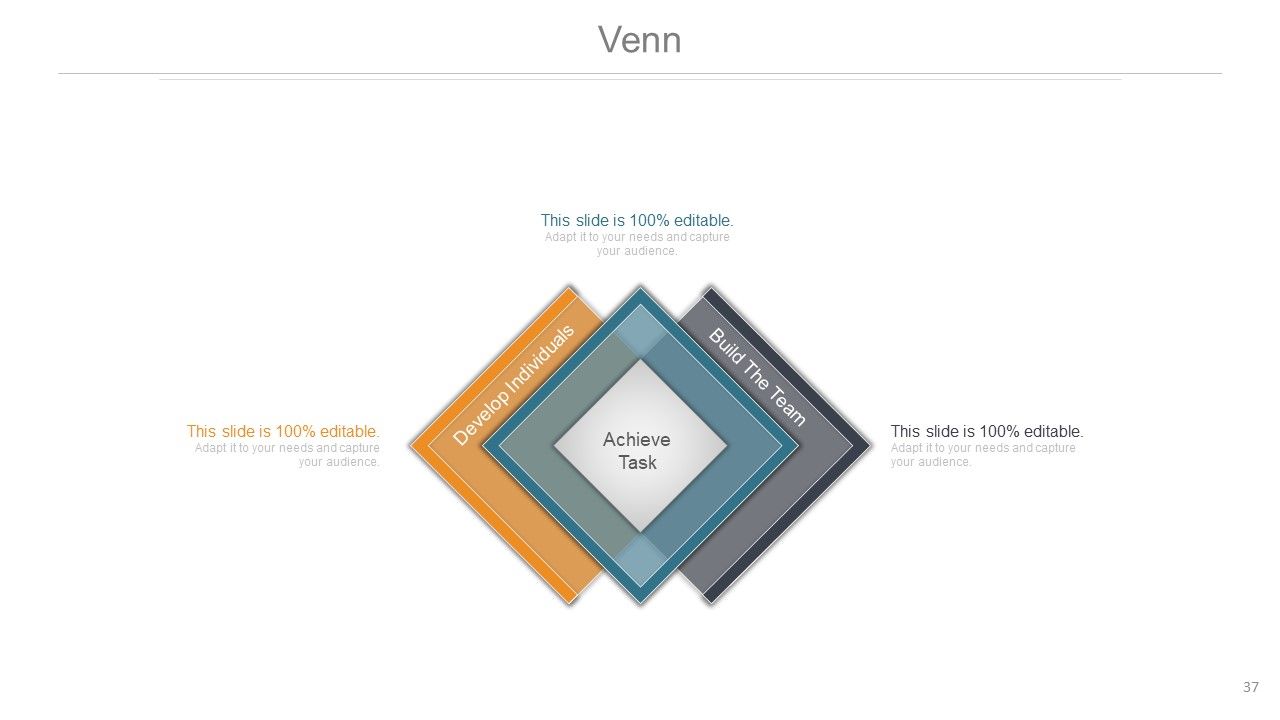
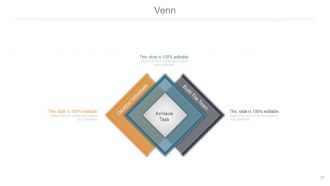
Folie 37 : Dies ist eine Bildfolie für ein Venn-Diagramm. Zustandsinformationen, Spezifikationen etc. hier. wie zum Beispiel – Einzelpersonen entwickeln, das Team aufbauen, Aufgabe erfüllen.
Folie 38 : Dies ist eine Mind Map-Bildfolie, um Informationen, Spezifikationen usw. anzuzeigen.
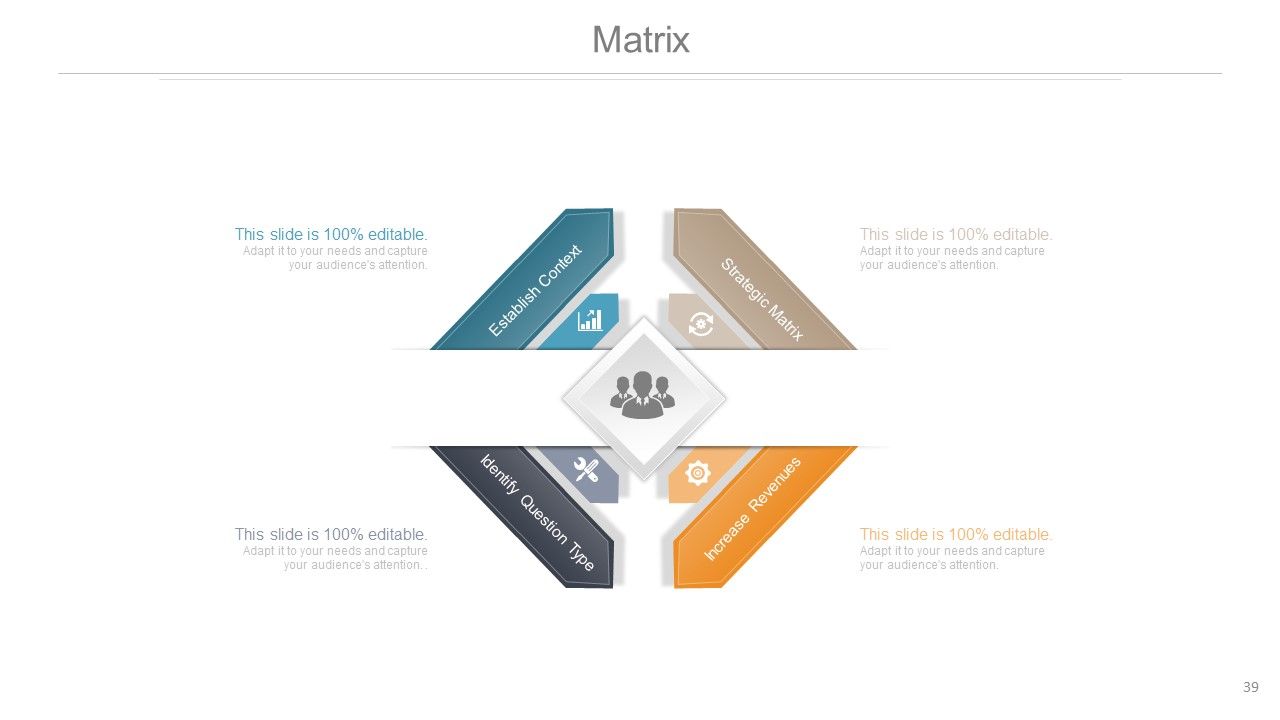
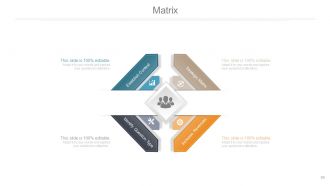
Folie 39 : Diese Folie präsentiert eine Niedrig-Hoch-Matrix zur Darstellung von Informationen wie: Strategische Matrix, Kontext herstellen, Fragetyp identifizieren, Einnahmen steigern.
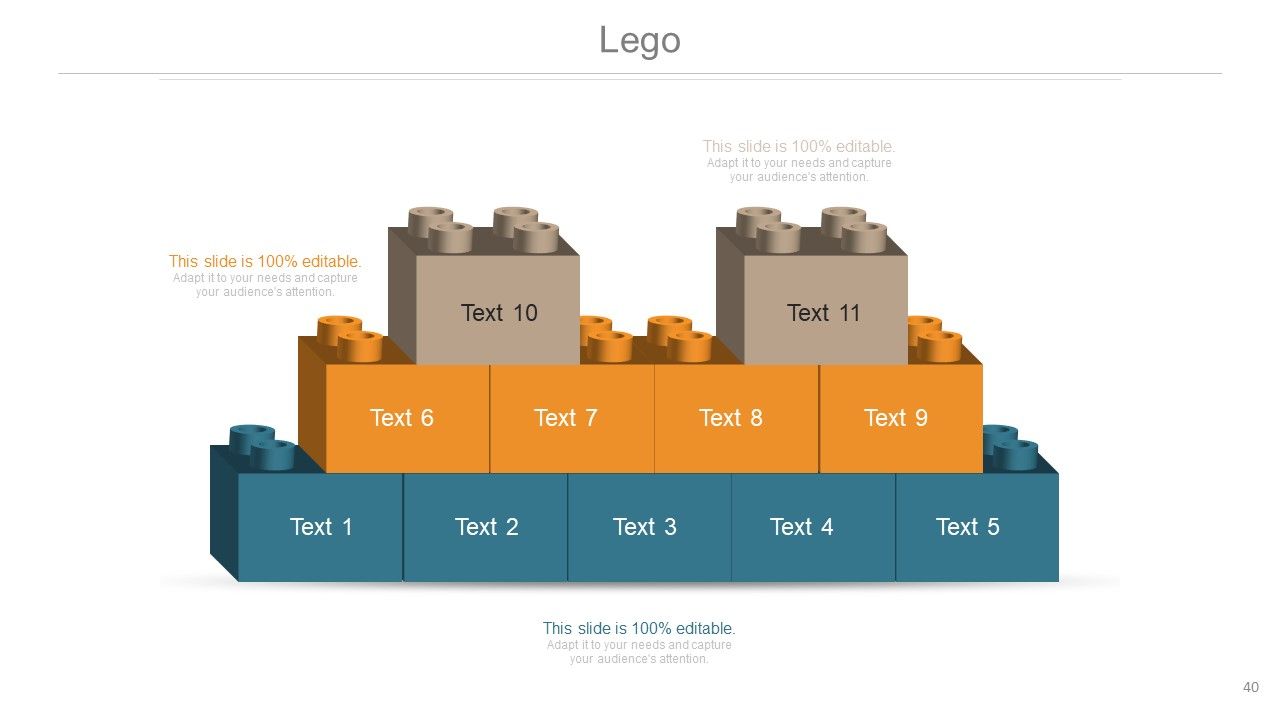
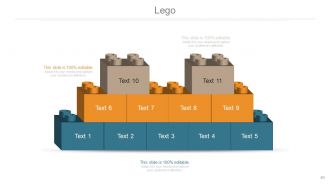
Folie 40 : Dies ist eine Lego-Bildfolie mit Textfeldern zur Anzeige von Informationen, Spezifikationen usw.
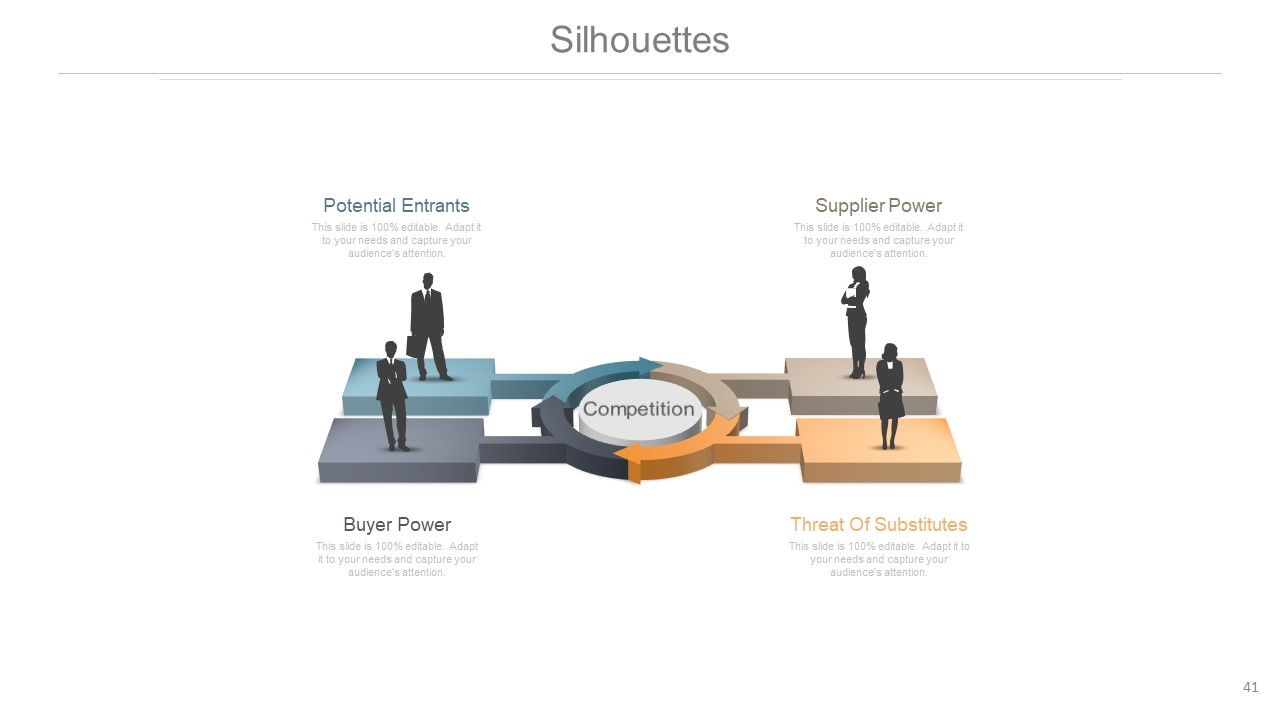
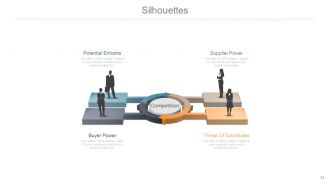
Folie 41 : Diese Folie zeigt Silhouetten mit Textfeldern. Geben Sie hier personenbezogene Informationen, Spezifikationen usw. an. B. Wettbewerb, Lieferantenmacht, potenzielle Neueinsteiger, Käufermacht, Bedrohung durch Substitute.
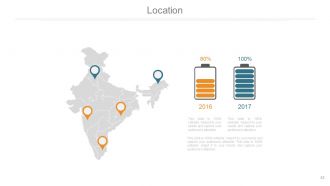
Folie 42 : Dies ist eine Standortfolie der Weltkarte, die globales Marketing, Wachstum, Präsenz usw. anzeigt.
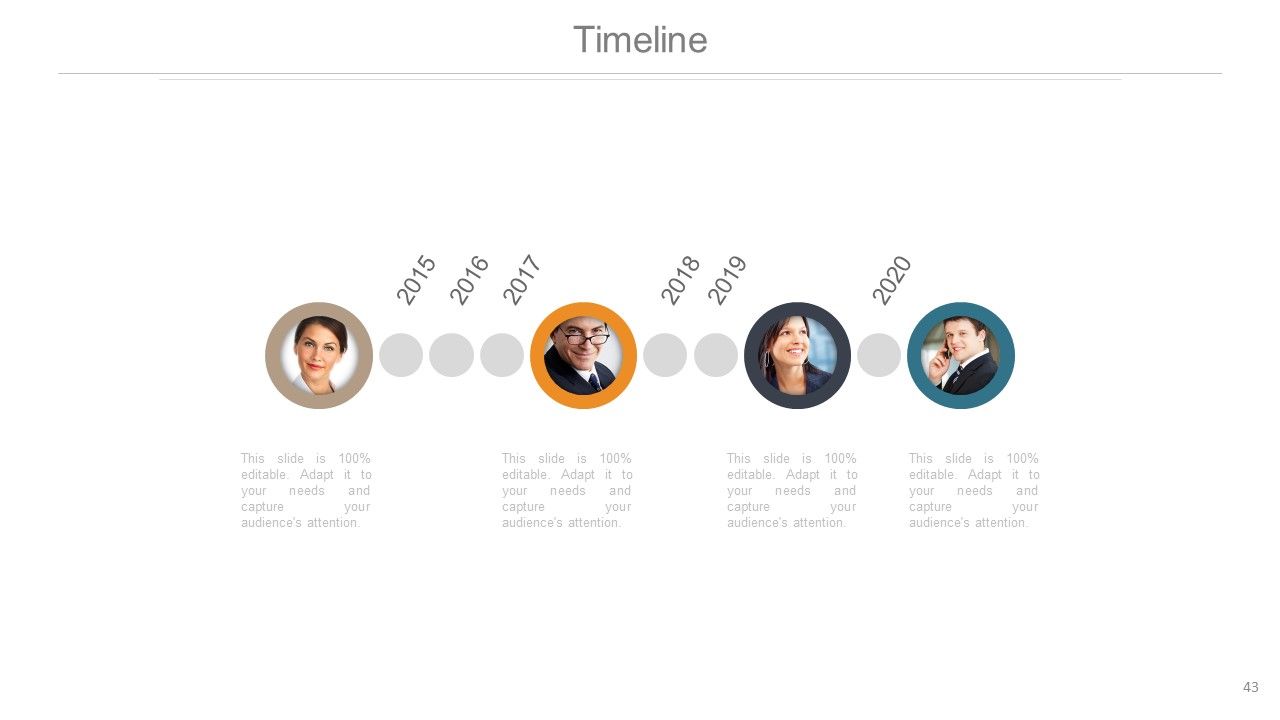
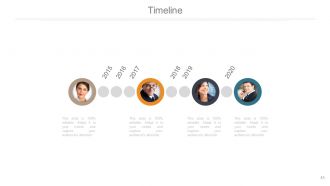
Folie 43 : Dies ist eine Timeline-Folie, die Meilensteine, Entwicklung, Wachstumshighlights usw. zeigt.
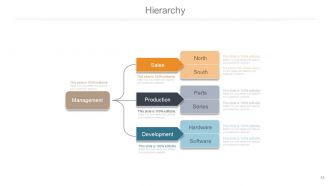
Folie 44 : Dies ist eine Hierarchiefolie mit Textfeldern zum Anzeigen von Informationen, Organisations-/Teamspezifikationen usw.
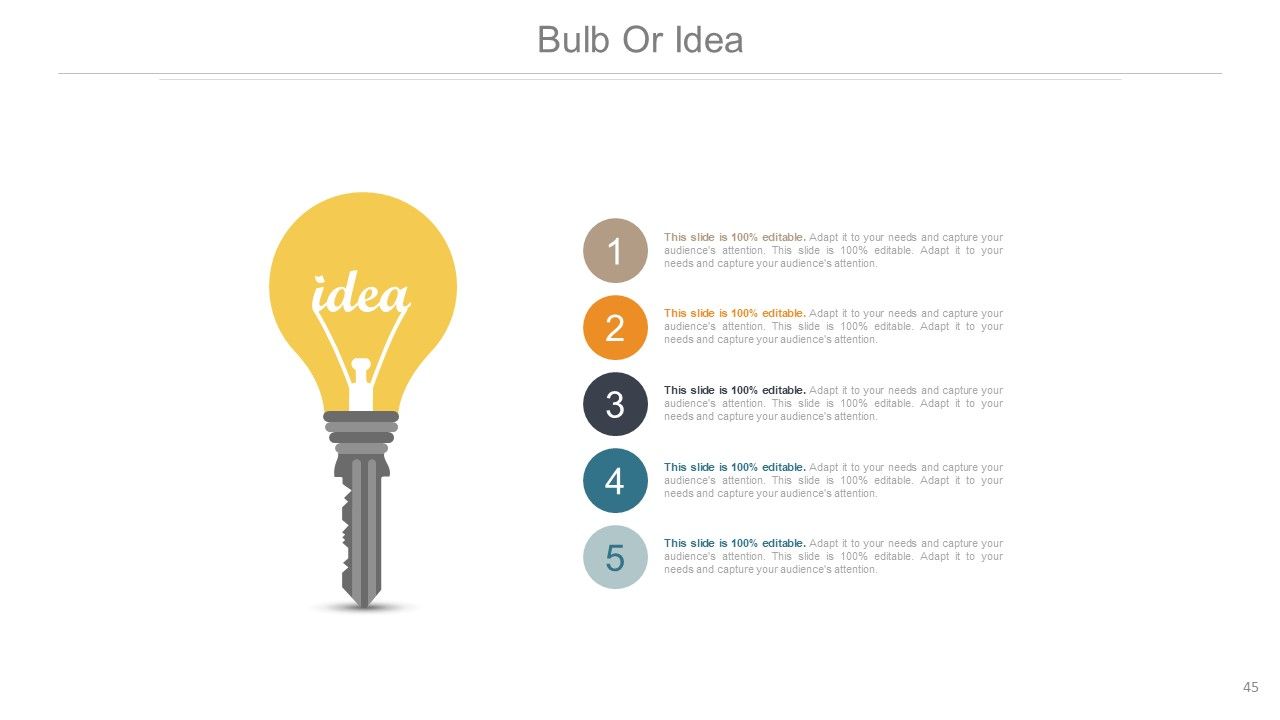
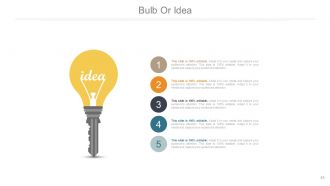
Folie 45 : Dies ist eine Glühbirnen- oder Ideenfolie, um eine neue Idee zu präsentieren oder innovative Spezifikationen/Informationen usw. hervorzuheben.
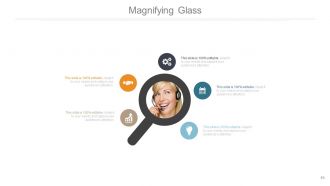
Folie 46 : Dies ist eine Lupenbildfolie zur Anzeige von Informationen, Spezifikationen usw.
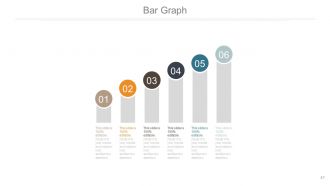
Folie 47 : Dies ist eine Balkendiagrammfolie zum Anzeigen des Produkt-/Entitätsvergleichs, der Spezifikationen usw.
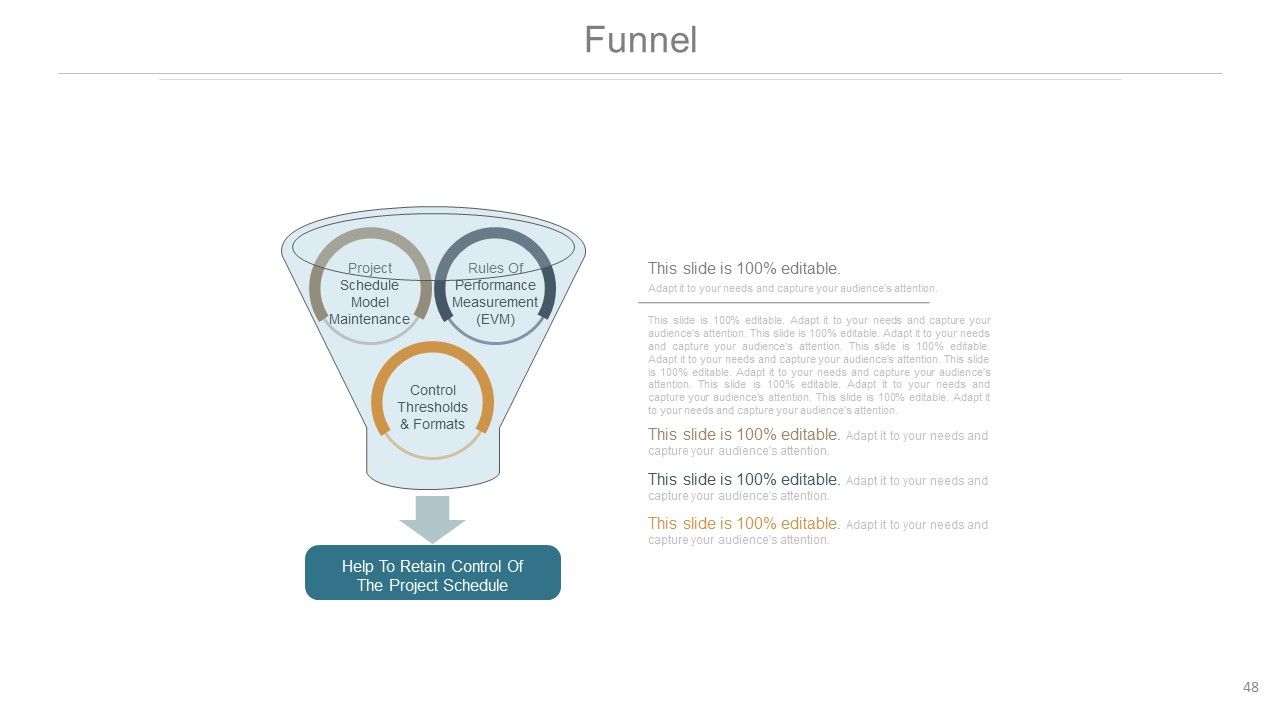
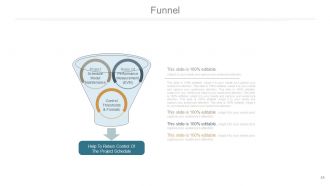
Folie 48 : Dies ist eine Trichter-Bildfolie, die Trichter-Aspekte zeigt, wie z.
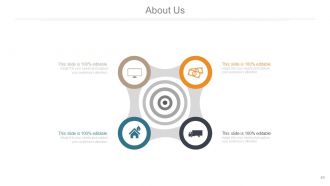
Folie 49 : Dies ist eine Über uns-Folie. Geben Sie hier die Firmen-/Teamspezifikationen an.
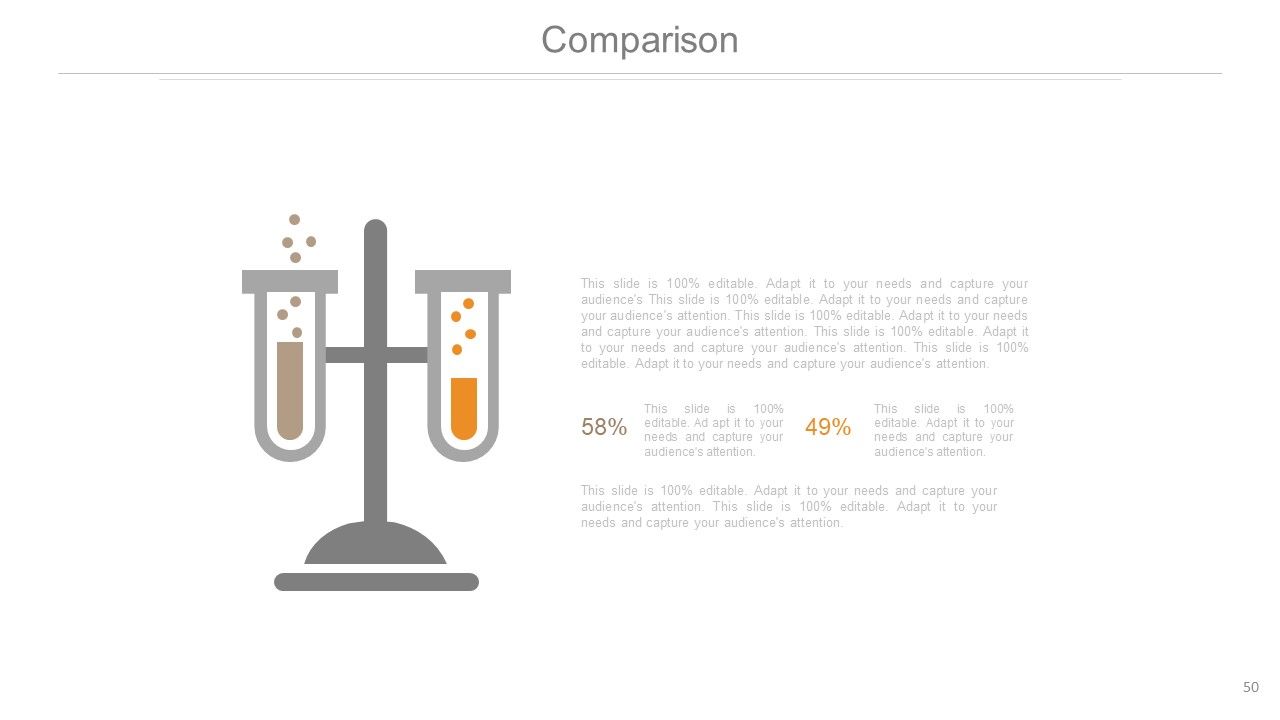
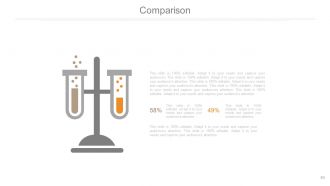
Folie 50 : Diese Folie zeigt den Vergleich zweier Entitäten in kreativer Reagenzglas-Bildform.
Folie 51 : Diese Folie zeigt den Vergleich zweier Entitäten in Tabellenform.
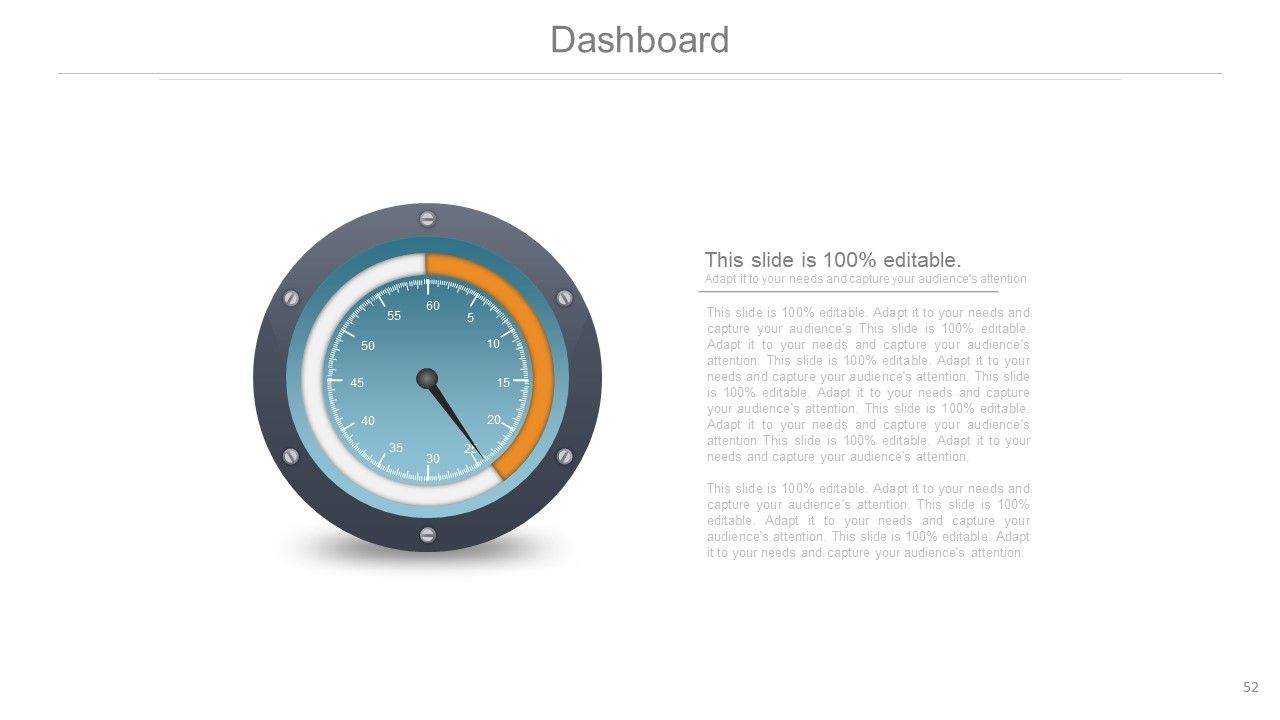
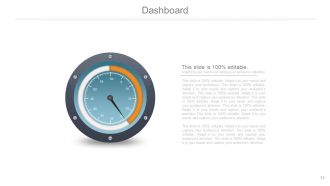
Folie 52 : Diese Folie zeigt ein Dashboard an. Nennen Sie hier Leistungsaspekte.
Folie 53 : Dies ist eine Dankesfolie für die Bestätigung.
Kundenfinanz- und Budgetplanungsprozess PowerPoint-Präsentationsfolien mit allen 53 Folien:
Unser Client Finanz- und Budgetplanungsprozess Das komplette Powerpoint-Deck erzeugt eine gute Harmonie. Jeder wird im Chor agieren.
-
Easily Understandable slides.
-
Editable templates with innovative design and color combination.
