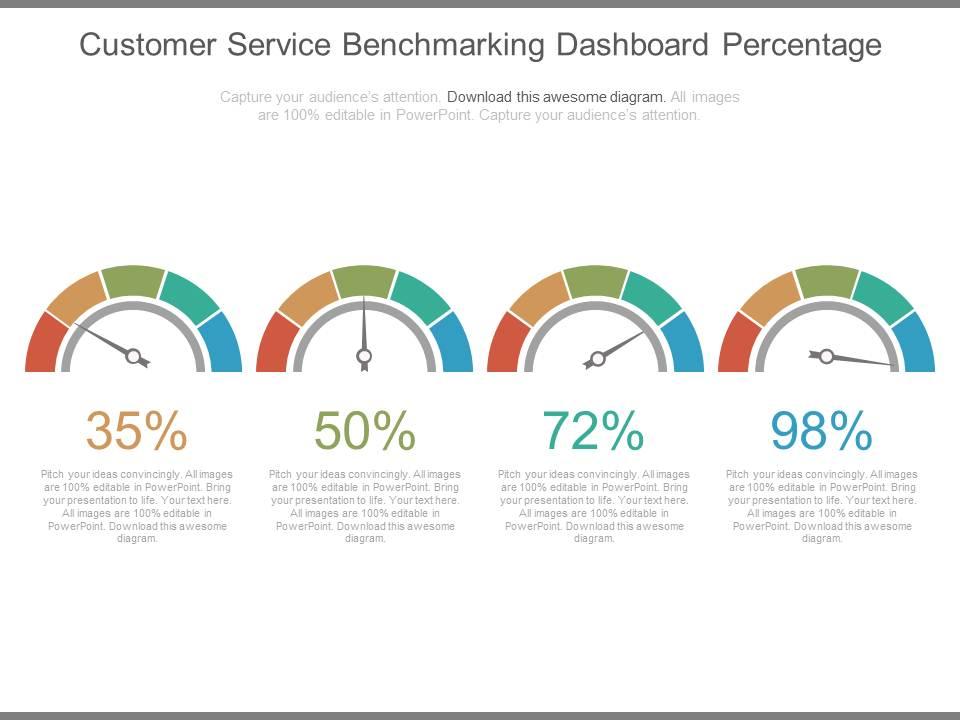
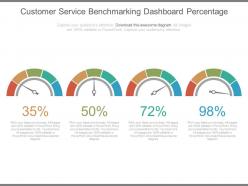
Kundenservice-Benchmarking-Dashboard-Prozentsatz-Ppt-Folien

Rating:
90%
Customer service benchmarking dashboard snapshot percentage ppt slides
Slide 1 of 4
Favourites Favourites

Try Before you Buy Download Free Sample Product

Audience Impress Your
Audience
Editable 100%
Editable
Time Save Hours
of Time
The Biggest Sale is ending soon in
0
0
:
0
0
:
0
0
Rating:
90%

Funktionen dieser PowerPoint-Präsentationsfolien:

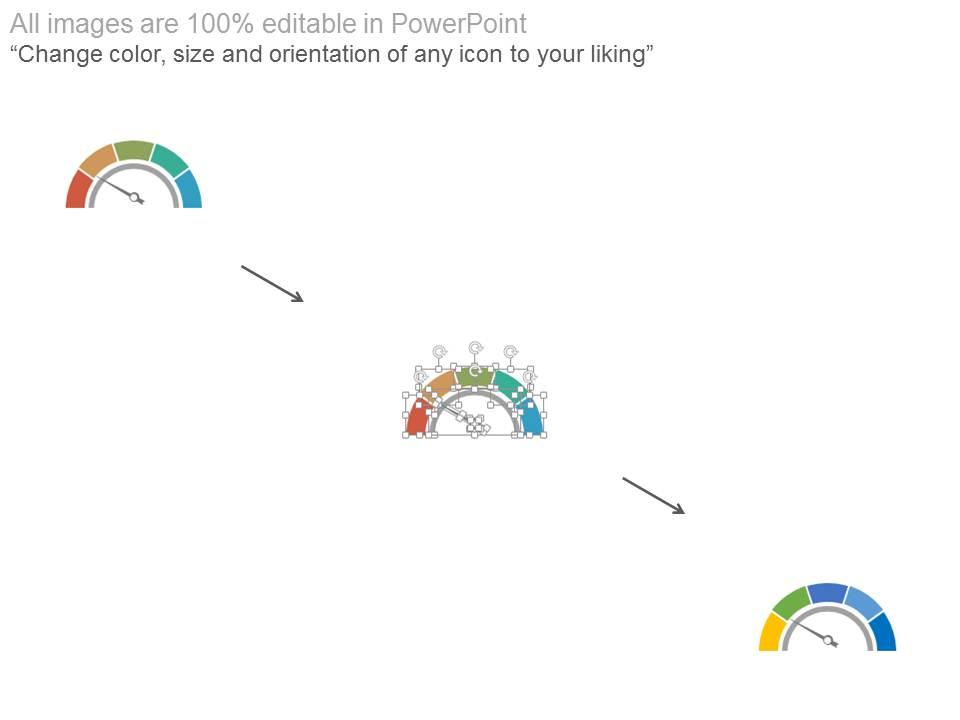
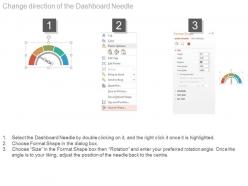
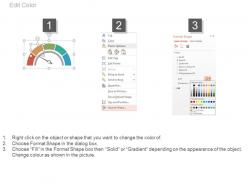
Diese PPT-Folie kann von jedem verwendet werden, der seine Ideen für die Kennzeichnung von Kundenservice-Benchmark projizieren möchte. Diese PowerPoint-Vorlage ist zu 100% bearbeitbar, d. h. Text, Farbe und Formen der angegebenen Elemente können nach Ihren Wünschen geändert werden. Diese Folien sind auch mit Google-Folien kompatibel. Sie können den Textabschnitt bearbeiten, um eine kurze Beschreibung des Prozesses zu verfassen. Die Phasen in diesem Prozess sind Finanzen, Marketing, Strategie und Geschäft.

FAQs for Customer service benchmarking dashboard snapshot

Start with response time and CSAT scores - those are your bread and butter. First call resolution is huge too, honestly one of my favorites because it shows if your team's actually solving problems. You'll also want NPS and average handle time. Escalation rates tell you a lot about how your frontline's doing (probably more than people realize). Customer effort score is cool if you're feeling ambitious, but don't overwhelm yourself early on. Ticket volume per agent matters too. Just build up your metrics slowly - Rome wasn't built in a day, right?

Look for patterns when you analyze what customers are saying - complaints, compliments, whatever. The negative stuff hurts to read but it's honestly gold. Set up surveys or just ask people directly for feedback. Then actually do something about the recurring issues you find. Here's the thing though - you gotta circle back and tell customers what you changed based on their input. People love knowing they were heard. Oh, and track your numbers before and after making changes so you can see if it's actually working. Don't just collect feedback and let it sit there.

So competitive analysis is basically stalking your competitors to see how good their customer service actually is. Look at their response times, how fast they solve problems, customer satisfaction scores - you know, the stuff that matters. It gives you a reality check on whether your team is crushing it or just thinks they are. I'd pick maybe 3-5 companies you're directly competing with and dig into whatever metrics they share publicly. The goal is finding that balance between what your team can realistically pull off and what customers expect these days. Trust me, it's way better than guessing what "good" looks like.

Honestly, quarterly is what I'd shoot for - twice a year if you're swamped though. Just be consistent about it, whatever you pick. Things change so fast now that waiting a whole year between assessments is kinda pointless. Monthly pulse checks on the basics like response times are clutch too. Catches problems before they blow up. Oh, and seriously - put it on your calendar right now or you'll totally forget. I learned that one the hard way! Your customers' expectations shift constantly, so staying on top of benchmarking isn't really optional anymore.

Start with something like Survicate for surveys and Google Analytics for tracking your metrics. HubSpot's CRM is perfect for benchmarking since it stores all your customer stuff. Social listening tools - Hootsuite works well - show you how competitors are doing. Twitter feedback can be pretty harsh but it's honest! For internal tracking, Zendesk gives you response times and resolution rates. Don't go crazy implementing everything at once though. Pick one tool per area first, then build from there. Way less overwhelming that way.

So industry standards are basically your reality check for customer service stuff. Response times, how fast you solve problems, satisfaction scores - you know the drill. Honestly, most companies think they're crushing it when they're really not. You can grab standards from your specific industry or just use general service benchmarks, whatever fits. Just make sure you're not comparing yourself to Amazon if you're a 5-person startup, that's setting yourself up to fail. Pick maybe 3 or 4 metrics your customers actually care about and start there.

Training's huge for your benchmarks - response times, resolution rates, all that stuff gets better when your team actually knows what they're doing. Better product knowledge plus decent people skills = faster fixes and happier customers. Honestly, it's probably the easiest win you'll get. Just make sure you're tracking your numbers before you start training so you can actually prove it worked. I'd give it like 30-60 days after training to see real changes in your metrics. Oh, and don't skip the soft skills part - technical knowledge only gets you so far.

So I'd focus on four main things: First Contact Resolution (how often issues get solved right away), Average Handle Time, Customer Satisfaction scores, and Response Time. FCR is honestly the biggest win - customers hate having to call back multiple times. The satisfaction scores are pretty obvious, and handle time helps you balance speed with actually helping people. Oh, and response time matters way more now with all the different channels people use. Start by seeing where you're at with these, then compare to industry benchmarks. That'll show you if you're killing it or need work.

So benchmarking basically shows you where you're screwing up compared to everyone else in your industry. Like, you might discover your response times are 3x slower than competitors - ouch. Pretty eye-opening stuff, honestly. You want to track the right things though: customer satisfaction, first-call resolution, wait times, that kind of thing. It's brutal but super helpful for spotting exactly what needs fixing. Once you see where the gaps are, you can figure out what to tackle first and actually set goals that make sense instead of just guessing.

Honestly, you really need both to get the full story. Internal benchmarks show your progress over time - like when response times always get worse during peak season (which, let's be real, happens to everyone). But external ones? That's how you find out your "amazing" 2-hour response is actually trash compared to competitors hitting 30 minutes. Without both perspectives, you'll either get too comfortable or set crazy unrealistic goals. I'd start small though - pick maybe 2-3 key metrics and check them monthly. Way less overwhelming that way.

You definitely can't use the same benchmarks everywhere - cultural stuff totally changes what people want. Like in Japan, they're all about perfect details and being super formal. Americans? They want things fast and friendly. Germans just want you to get to the point without all the chitchat, which honestly makes sense sometimes. Before you set any standards, you've gotta figure out what actually matters to customers in each place. Survey people locally. Research their service norms. What kills it in your home market might annoy the hell out of customers somewhere else.

Don't fall into the trap of comparing yourself to random companies - stick to your actual industry and customer type. Response time looks impressive on paper, but it's meaningless if you're not tracking quality or how many issues actually get resolved. Here's the thing though: most people benchmark once and then forget about it completely. Your competitors are constantly improving, so you can't just set it and forget it. Focus on what your customers really care about, not whatever's easiest to measure. I'd say pick 3-5 metrics that actually move the needle and review them quarterly.

Honestly, you've gotta stay on top of this stuff or you'll fall behind fast. I'd check quarterly minimum - maybe more if your industry's crazy competitive. Customer expectations change so quickly now, especially with all the new tech coming out. Those benchmarks from two years back? Probably useless at this point. Set up reminders to look at current industry standards and get fresh feedback from customers. Also watch what your biggest competitors are doing differently - sometimes they're onto something you missed. The whole thing needs to be ongoing, not just a project you do once and forget about.

Stop treating benchmarking like some quarterly thing you file away and forget about. Set up dashboards that actually track your metrics against competitors weekly - maybe daily if you're feeling ambitious. Those quick team meetings where you talk through what the competition's doing right? Pure gold for sparking ideas, honestly. Take whatever you learn and bake it into real goals for your team. Could be tweaking response times, updating those ancient scripts, or fixing your escalation mess. The whole point is making changes stick by building them into how you actually work, not treating it like a side project that'll magically happen.

Honestly, benchmarking is where the magic happens. You get to spy on how other companies handle customer service and steal their best ideas - totally legal though! Look beyond your industry too. Maybe check out how hotels deal with angry guests, then apply that to your tech support. I always tell people to pick three companies that absolutely nail customer service and really dig into what they're doing differently. You'll be shocked at the creative solutions you never would've thought of on your own. It's like having a cheat sheet for innovation.

Ratings and Reviews

90% of 100
Review Form
Write a review
Most Relevant Reviews
  1. 80%

    by Dexter Weaver

    Excellent products for quick understanding.
  2. 100%

    by Edgar George

    Very unique and reliable designs.

2 Item(s)

per page: