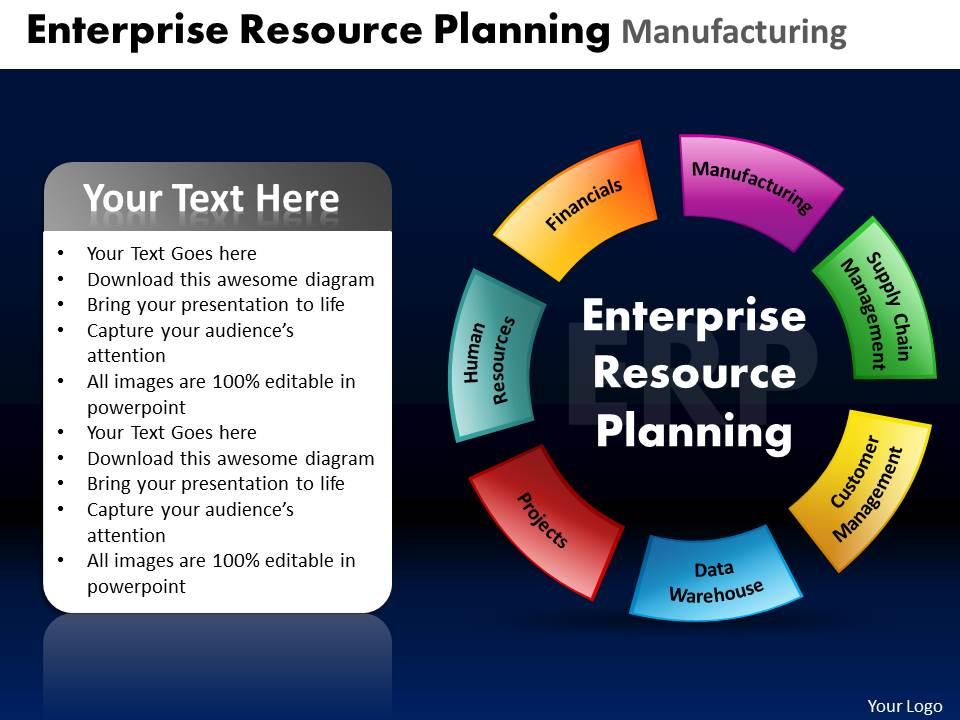
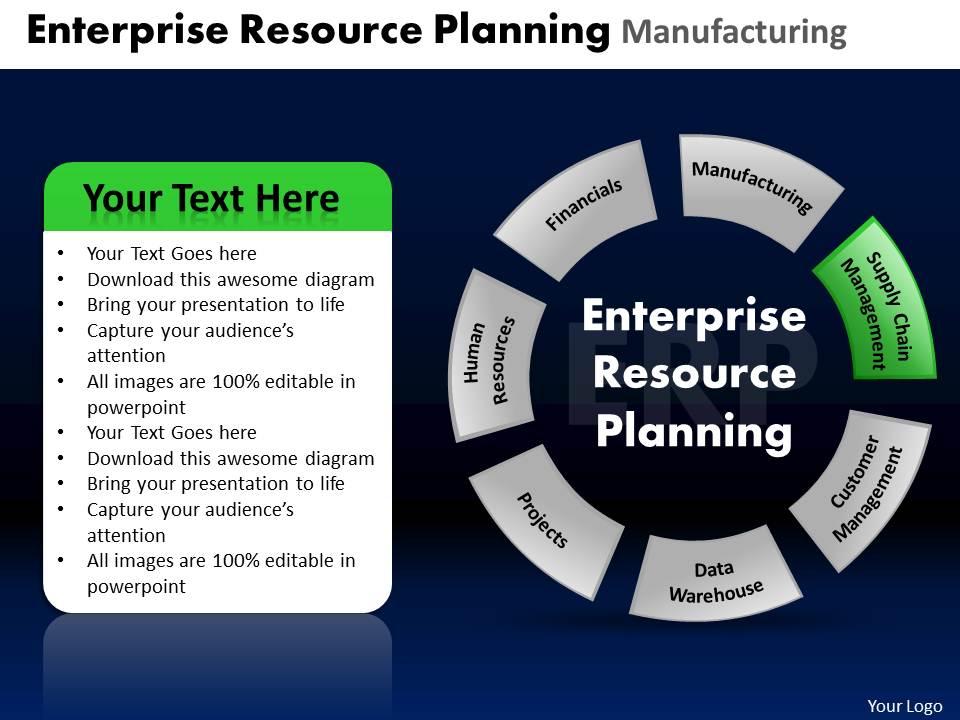
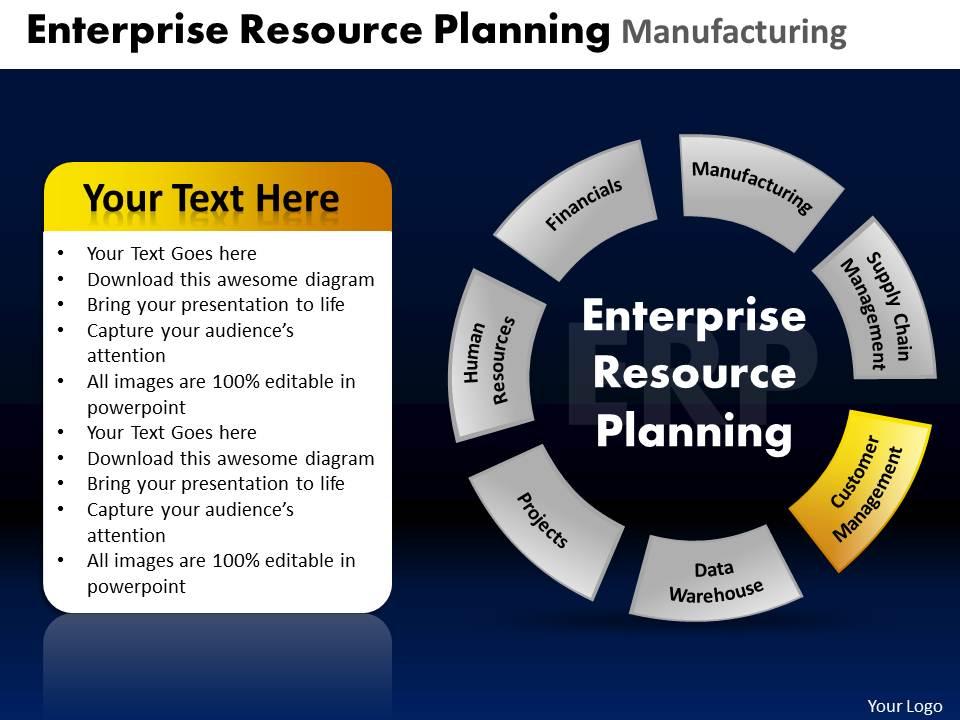
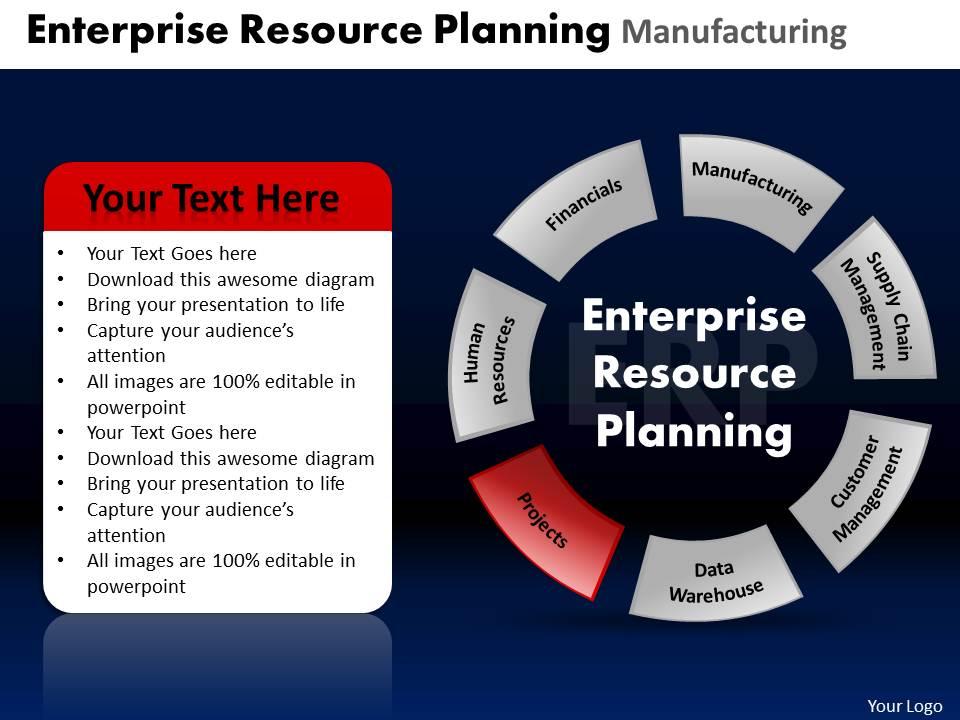
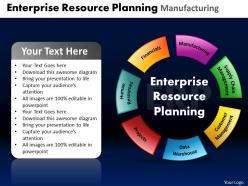
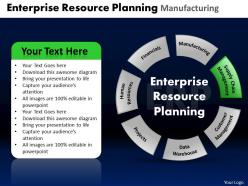
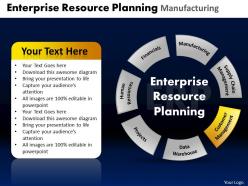
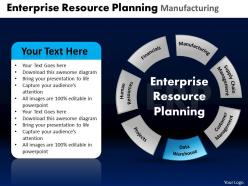
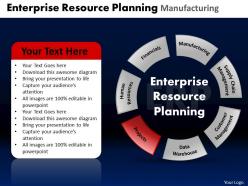
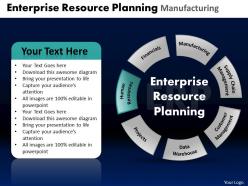
Enterprise resource planning manufacturing powerpoint slides and ppt templates db

Rating:
100%
Enterprise resource planning manufacturing powerpoint slides and ppt templates db
Slide 1 of 12
Favourites Favourites

Try Before you Buy Download Free Sample Product

Audience Impress Your
Audience
Editable 100%
Editable
Time Save Hours
of Time
The Biggest Sale is ending soon in
0
0
:
0
0
:
0
0
Rating:
100%
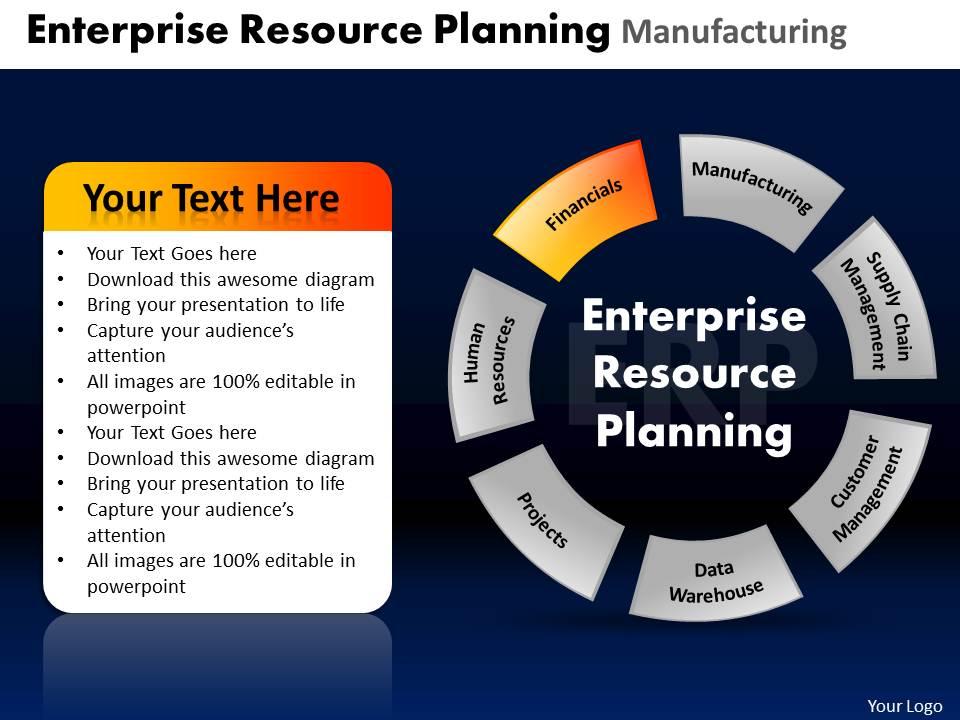
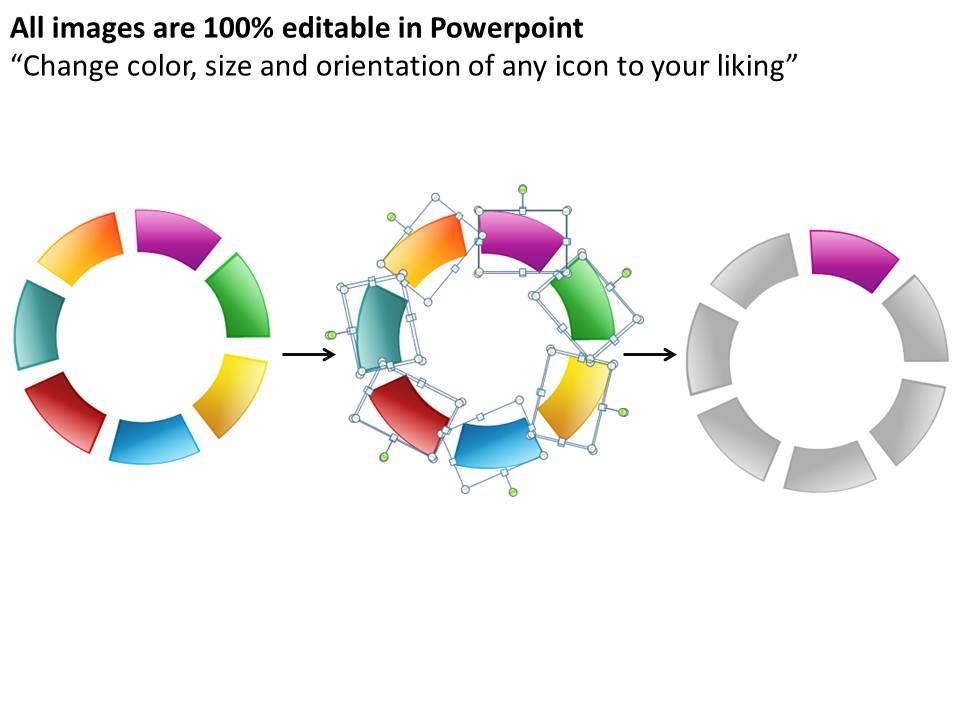
These high quality, editable pre-designed Enterprise Resource Planning Manufacturing Powerpoint Slides And Ppt Templates DB powerpoint slides and powerpoint templates have been carefully created by our professional team to help you impress your audience. Each graphic in every powerpoint slide is vector based and is 100% editable in powerpoint.Each and every property of any slide - color, size, shading etc can be modified to build an effective powerpoint presentation. Use these slides to convey complex business concepts in a simplified manner. Any text can be entered at any point in the powerpoint slide. Simply DOWNLOAD, TYPE and PRESENT

People who downloaded this PowerPoint presentation also viewed the following :

FAQs for Enterprise resource planning manufacturing powerpoint slides and

Key ERP benefits in manufacturing include streamlined production planning, real-time inventory management, enhanced supply chain visibility, improved quality control, and integrated financial reporting. These systems enable manufacturers to reduce operational costs, minimize waste, accelerate order fulfillment, and optimize resource allocation across facilities, with many organizations finding that comprehensive ERP integration delivers significant competitive advantage in increasingly complex manufacturing environments.

ERP systems streamline manufacturing supply chains by integrating procurement, inventory management, production scheduling, and logistics into unified platforms, enabling real-time visibility across operations. Through automated workflows and predictive analytics, manufacturers can optimize inventory levels, reduce lead times, and coordinate seamlessly with suppliers, ultimately delivering cost reductions and enhanced operational efficiency.

Manufacturers should prioritize ERP solutions with production planning, inventory management, quality control, supply chain integration, and real-time reporting capabilities. These features streamline operations by optimizing resource allocation, minimizing waste, and enhancing visibility across manufacturing processes, with many companies finding that comprehensive ERP systems ultimately deliver faster production cycles and improved operational efficiency.

ERP integration with IoT enhances manufacturing processes by providing real-time visibility into equipment performance, automating data collection from production lines, and enabling predictive maintenance scheduling. Through connected sensors and smart devices, manufacturers can streamline inventory management, reduce downtime, and optimize resource allocation, ultimately delivering faster production cycles and improved operational efficiency across facilities.

ERP systems serve as centralized compliance hubs for manufacturers, automating regulatory documentation, tracking quality standards, managing audit trails, and ensuring adherence to industry regulations like FDA, ISO, and environmental standards. These systems streamline compliance reporting by integrating production data, quality metrics, and regulatory requirements across operations, ultimately delivering faster audit responses and reduced compliance risks, with many manufacturers finding that automated reporting significantly minimizes regulatory penalties.

ERP systems enhance inventory management by providing real-time visibility across warehouses, automating reorder points, and integrating demand forecasting with production schedules. Manufacturing companies leverage these capabilities to minimize carrying costs, reduce stockouts, and optimize working capital, with many finding that automated inventory tracking and predictive analytics ultimately deliver 20-30% reductions in excess stock.

Manufacturers face integration complexities with legacy systems, data migration issues, employee resistance to change, significant upfront costs, and lengthy implementation timelines when adopting ERP systems. These challenges require strategic planning and change management, with many manufacturing organizations finding that phased rollouts, comprehensive training programs, and strong leadership commitment ultimately deliver streamlined operations and competitive advantage.

ERP facilitates real-time data analysis by integrating production schedules, inventory levels, quality metrics, and supply chain information into centralized dashboards that update continuously. Manufacturing companies leverage these systems to monitor equipment performance, track order fulfillment, and identify bottlenecks instantly, enabling managers to make informed decisions that optimize operations and reduce costly delays.

ERP systems revolutionize production planning and scheduling by providing real-time visibility into inventory levels, demand forecasts, resource availability, and production capacity across all manufacturing operations. These integrated platforms enable manufacturers to optimize workflow sequences, minimize bottlenecks, and reduce lead times, with many automotive and electronics companies finding significantly improved on-time delivery rates and operational efficiency.

ERP systems support lean manufacturing by providing real-time visibility into production processes, inventory levels, and resource utilization, enabling manufacturers to eliminate waste and optimize workflows. Through integrated data analytics and automated scheduling, manufacturers can minimize excess inventory, reduce production bottlenecks, and streamline operations, ultimately delivering improved efficiency and cost reduction across manufacturing operations.

Manufacturing ERP systems offer customization options including workflow automation, production scheduling modules, quality control checkpoints, inventory management parameters, and integration capabilities with existing machinery. These configurations enable manufacturers to streamline operations by adapting dashboards, reports, and processes to specific production requirements, ultimately delivering enhanced operational efficiency and real-time visibility across manufacturing operations.

ERP systems enhance collaboration by centralizing data access, enabling real-time communication between departments, standardizing workflows, and providing shared dashboards for visibility across operations. Through integrated modules, manufacturing teams coordinate seamlessly with procurement, finance, and quality control departments, while production schedules automatically align with inventory levels and customer demands, ultimately delivering faster decision-making and improved operational efficiency.

Cloud-based ERP solutions offer lower upfront costs, automatic updates, remote accessibility, and scalable infrastructure, while on-premises systems provide greater customization control, enhanced data security, and integration with existing manufacturing equipment. Many manufacturers find that cloud solutions accelerate deployment and reduce IT overhead, though on-premises options deliver deeper customization for complex production processes, ultimately enabling strategic flexibility based on operational priorities.

ERP systems enhance manufacturing quality control through real-time monitoring, automated compliance tracking, defect pattern analysis, and integrated testing workflows. These capabilities enable manufacturers to identify quality issues faster, streamline corrective actions, and maintain consistent standards across production lines, with many organizations finding that comprehensive quality modules reduce defects while accelerating response times.

Successful ERP implementation strategies include thorough change management, comprehensive staff training, detailed process mapping, phased rollout approaches, and strong executive sponsorship. These methodologies streamline adoption by minimizing operational disruptions, ensuring user buy-in, and maintaining production continuity, with many manufacturing organizations finding that dedicated project teams and clear communication protocols ultimately deliver faster ROI and enhanced operational efficiency.

Ratings and Reviews

100% of 100
Write a review
Most Relevant Reviews
  1. 100%

    by O'Kelly Phillips

    Great quality product.
  2. 100%

    by Cornelius Alexander

    Informative design.

2 Item(s)

per page: