


Finanzanalysemodul Powerpoint-Präsentationsfolien
Wenn Sie den Finanzstatus Ihres Unternehmens präsentieren möchten, ist unser Finanzanalysemodul PowerPoint-Präsentation ideal für Sie. Die PPT-Folien der Gewinn- und Verlustrechnung mit mehreren Folien wie GuV-KPIs, Bilanz-KPIs, Finanzprognosen, Finanzkennzahlen, Liquiditätskennzahlen, Kapitalflussrechnungs-KPIs, Rentabilitätskennzahlen, Aktivitätsquoten, Solvenzquoten, Gewinn- und Verlustrechnungsübersicht und Finanzierungsaktualisierungen usw. Unsere PPT-Präsentation zur Geldaufstellung passt gut zu Themen wie Rentabilitätsanalyse, Geschäftsauswirkungsanalyse, finanzielle Gesundheit und Gewinn- und Verlustrechnung, Bilanz, Kapitalflussrechnung und Finanzgesundheit sowie Finanzkennzahlenanalyse. Sie können diese PowerPoint-Folien zur Kapitalflussrechnung herunterladen, um eine schnelle Rentabilitätsanalyse durchzuführen. Die in diesen Präsentationen angegebenen Kennzahlen können zeigen, wie lange ein Unternehmen seine Verbindlichkeiten begleichen muss. Diese PowerPoint-Vorlage für das Finanzanalysemodul ist auch hilfreich, um zu zeigen, wie gut das Management seine Unternehmensressourcen verwaltet. Unsere Powerpoint-Präsentationsfolien für das Finanzanalysemodul werden exklusiv hergestellt. Sie können verführerisch großartig sein.








































-

- Google Slides is a new FREE Presentation software from Google.
- All our content is 100% compatible with Google Slides.
- Just download our designs, and upload them to Google Slides and they will work automatically.
- Amaze your audience with SlideTeam and Google Slides.
-

Want Changes to This PPT Slide? Check out our Presentation Design Services
-

- WideScreen Aspect ratio is becoming a very popular format. When you download this product, the downloaded ZIP will contain this product in both standard and widescreen format.
-

- Some older products that we have may only be in standard format, but they can easily be converted to widescreen.
- To do this, please open the SlideTeam product in Powerpoint, and go to
- Design ( On the top bar) -> Page Setup -> and select "On-screen Show (16:9)” in the drop down for "Slides Sized for".
- The slide or theme will change to widescreen, and all graphics will adjust automatically. You can similarly convert our content to any other desired screen aspect ratio.
Compatible With Google Slides

Get This In WideScreen
You must be logged in to download this presentation.


Do you want to remove this product from your favourites?
Funktionen dieser PowerPoint-Präsentationsfolien:
Diese PowerPoint-Präsentation enthält 62 Folien. PowerPoint-Vorlagen sind zu 100 Prozent bearbeitbar; Sie können diese nach Ihren Wünschen anpassen. PowerPoint-Produkt ist in beiden Formaten Standard und Widescreen verfügbar. Alle in diesem Produkt bereitgestellten Folien sind mit Google Slides kompatibel. Dieses PPT ist nützlich für Stakeholder, Eigenkapitalinvestoren und Entscheidungsträger innerhalb der Organisation. Wir bieten Premium-Kundensupport.

People who downloaded this PowerPoint presentation also viewed the following :
Video for Financial analysis module powerpoint presentation slides
Inhalt dieser Powerpoint-Präsentation
Folie 1 : Diese Folie stellt das Finanzanalysemodul vor. Geben Sie Ihren Firmennamen an und beginnen Sie.
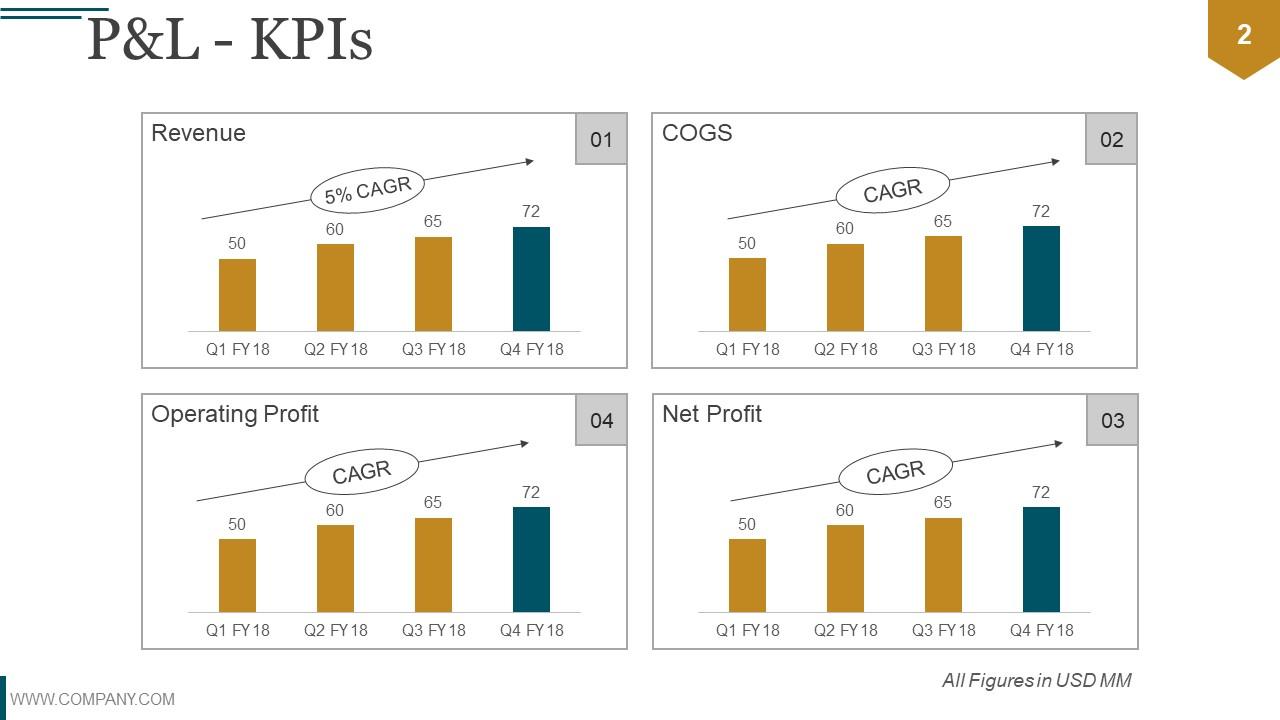
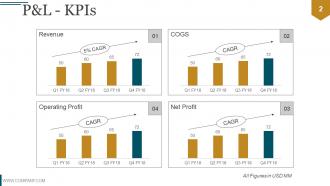
Folie 2 : Dies ist die Gewinn- und Verlustrechnung – KPIs, die COGS, Nettogewinn, Betriebsgewinn, Umsatz CAGR darstellen.
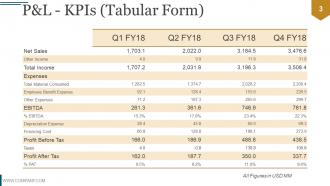
Folie 3 : Dies ist die Folie P&L – KPIs (Tabellarische Form).
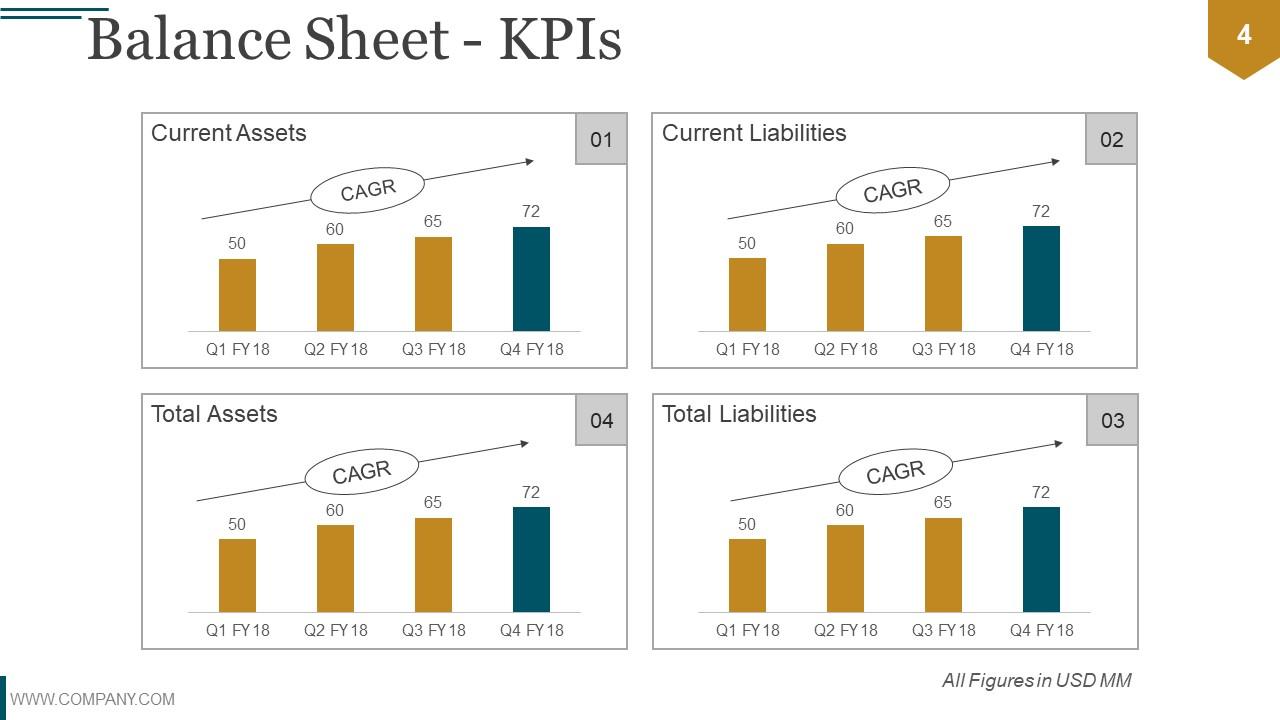
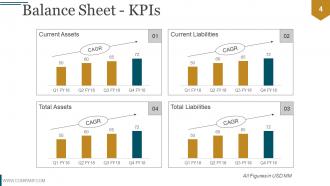
Folie 4 : Diese Folie zeigt Bilanz - KPIs kurzfristige Verbindlichkeiten, Gesamtverbindlichkeiten Gesamtvermögen, Umlaufvermögen CAGR.
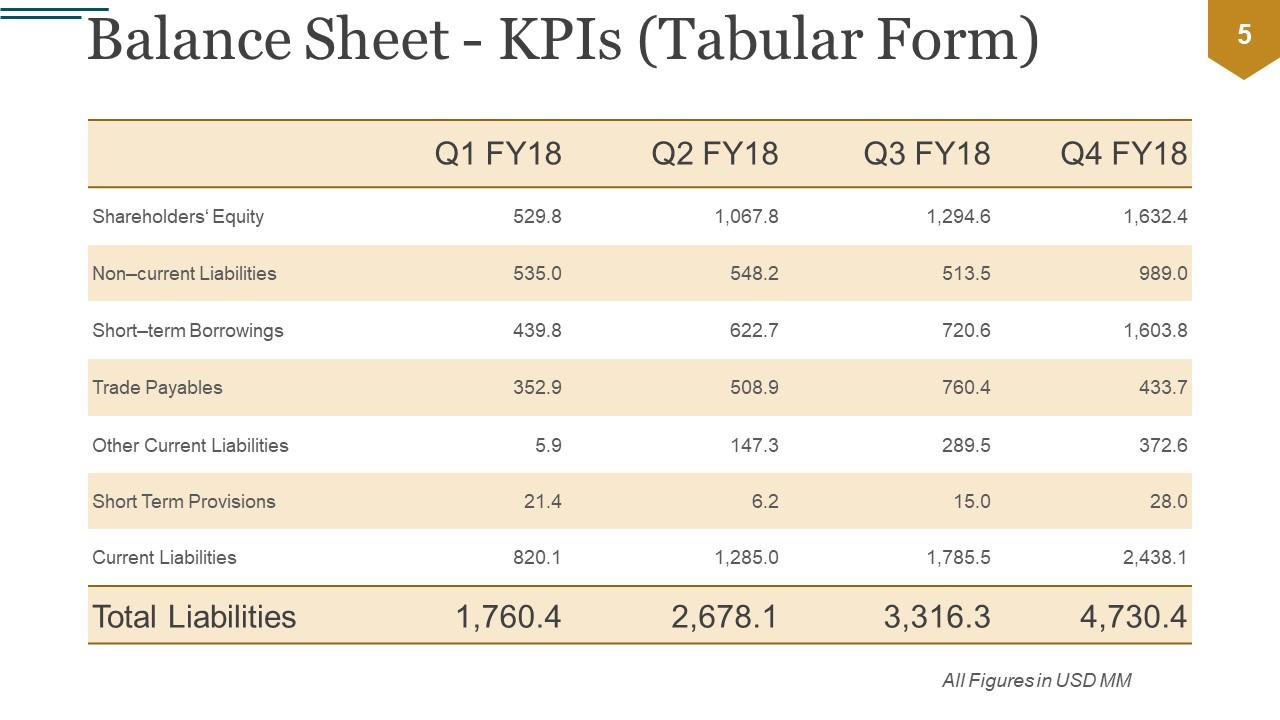
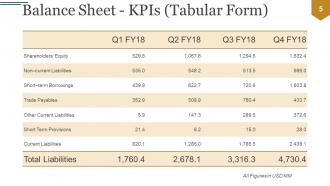
Folie 5 : Dies ist eine Folie mit Bilanz - KPIs (Tabellenform).
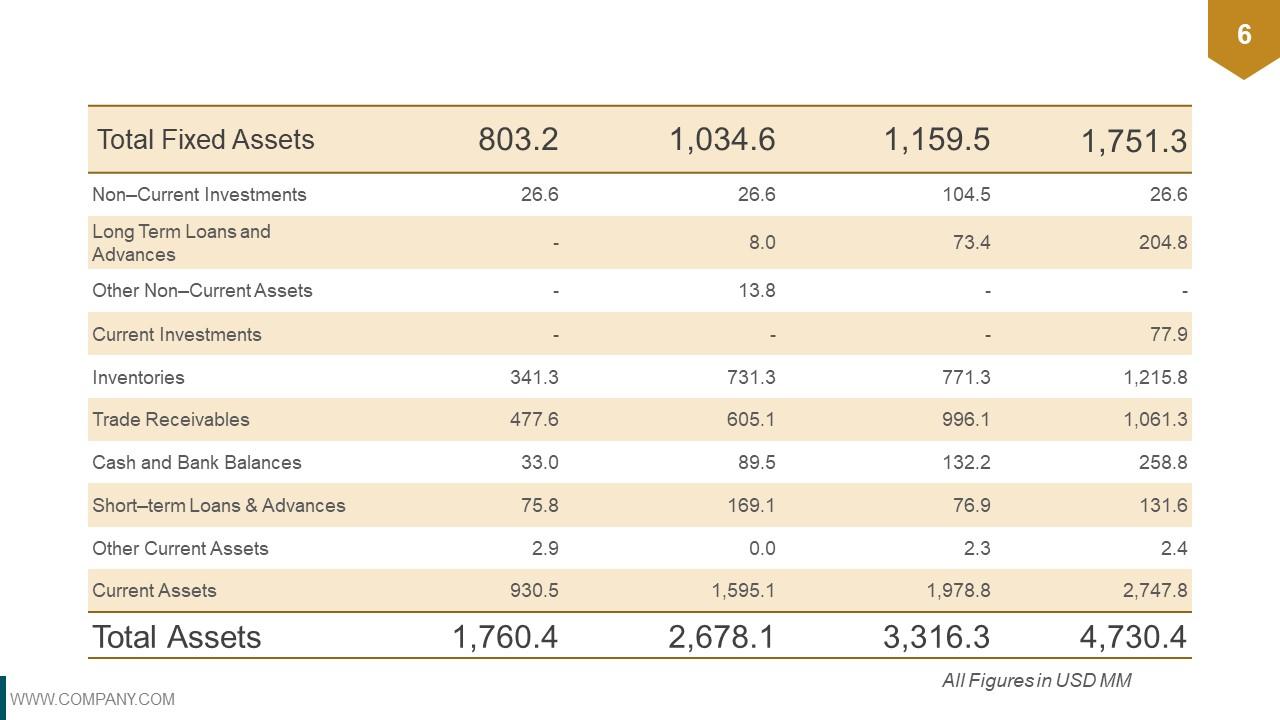
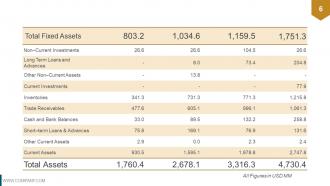
Folie 6 : Dies ist eine Fortsetzungsfolie für Bilanz.
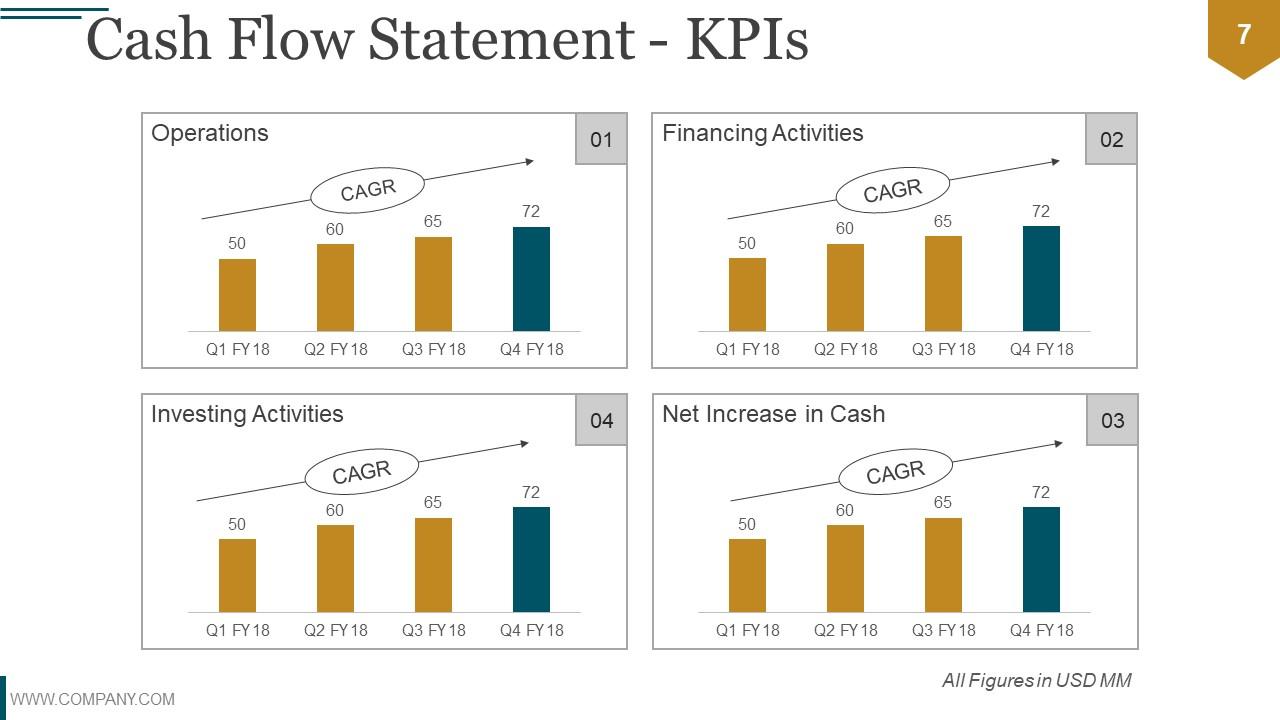
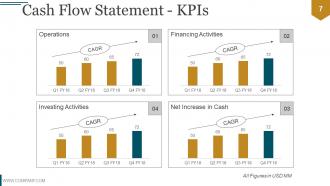
Folie 7 : Diese Folie zeigt die Kapitalflussrechnung – KPIs, die – Finanzierungsaktivitäten, Netto-Barmittelzuwachs, Investitionsaktivitäten, Betriebs-CAGR anzeigen.
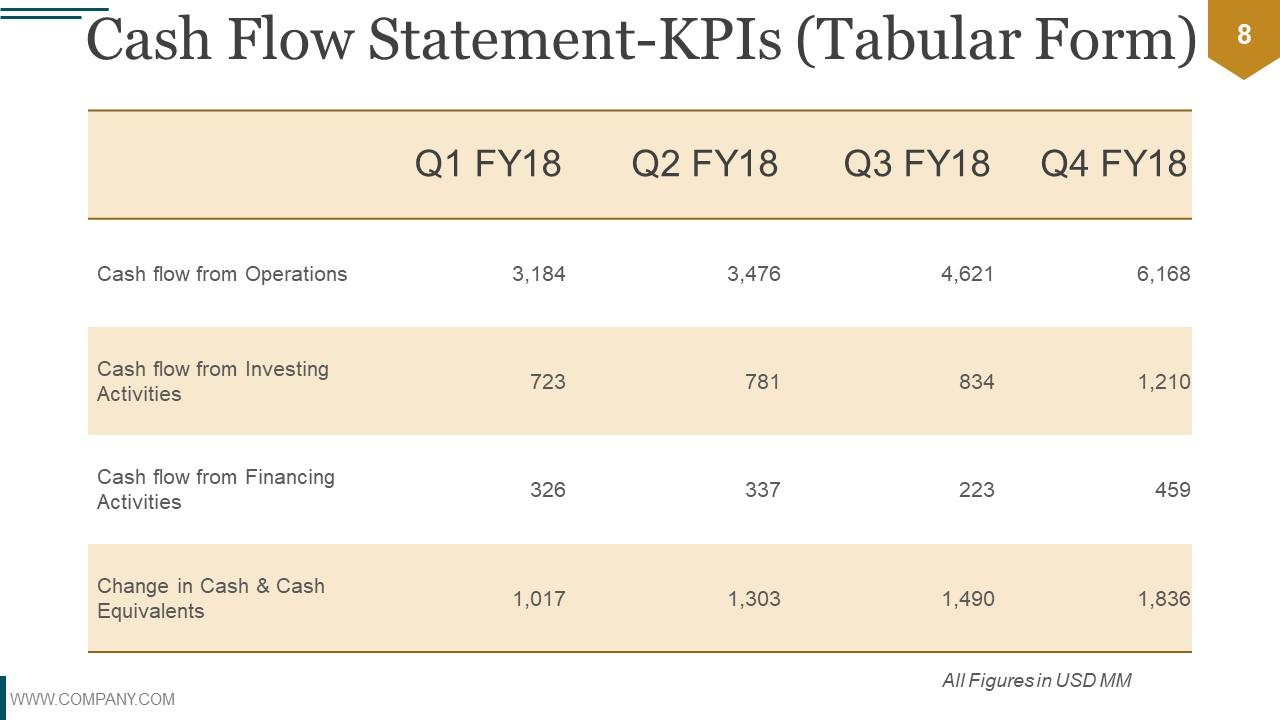
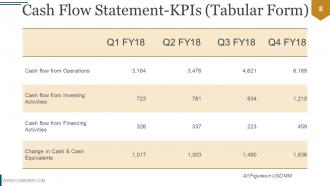
Folie 8 : Dies ist eine Folie mit Kapitalflussrechnung-KPIs (Tabellenform).
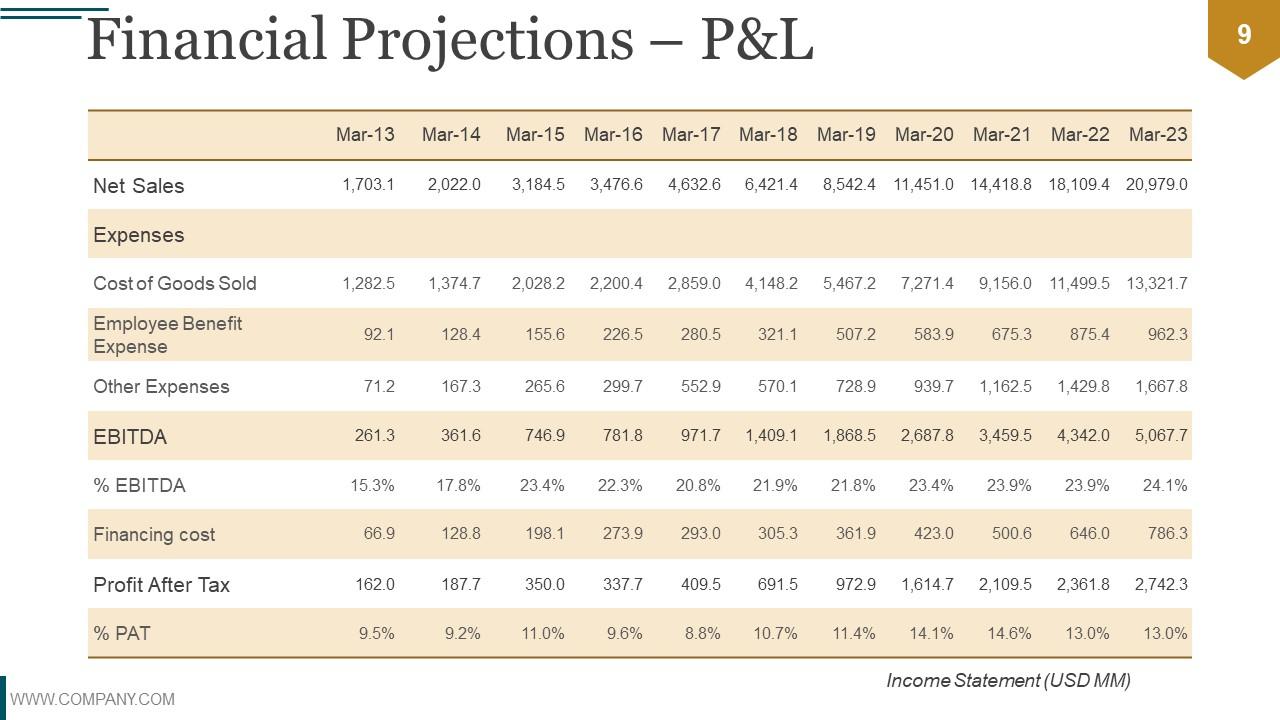
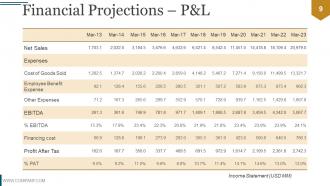
Folie 9 : Diese Folie zeigt Finanzprognosen – GuV-Gewinn- und Verlustrechnung (USD Mio.).
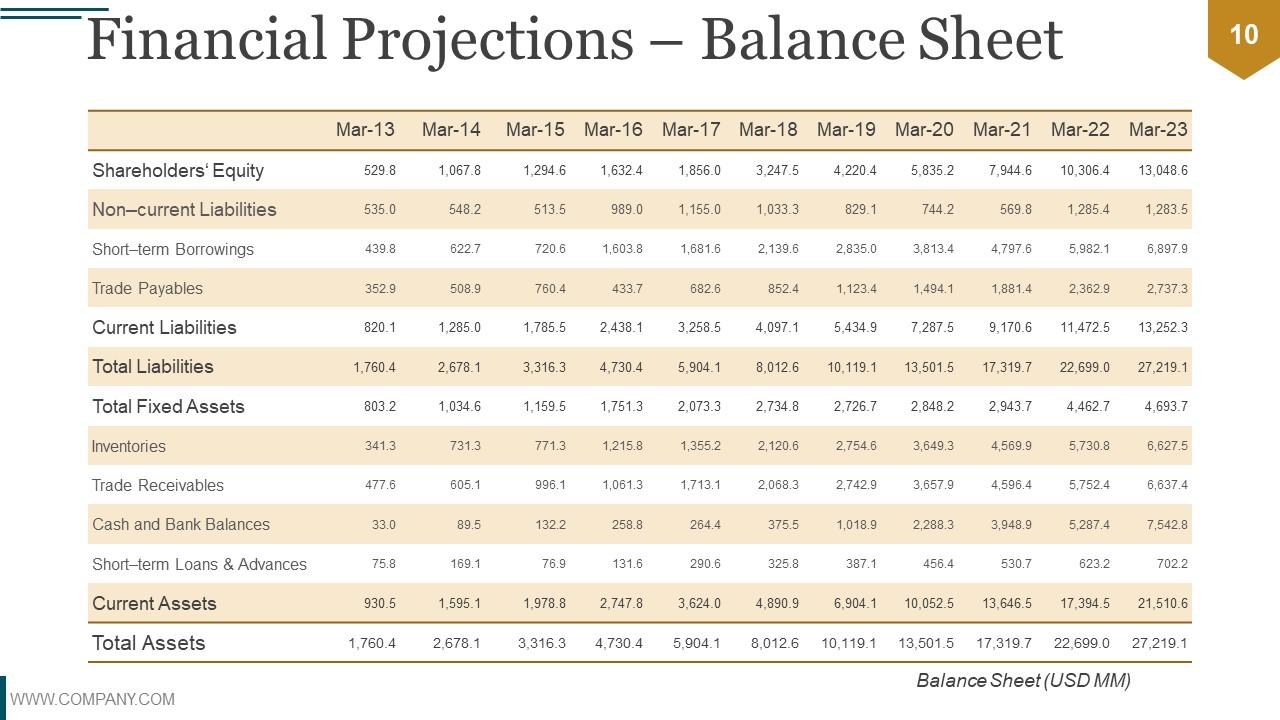
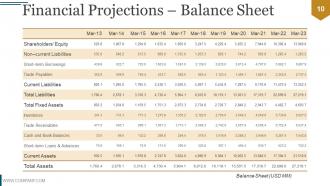
Folie 10 : Diese Folie präsentiert Finanzprognosen – Bilanz.
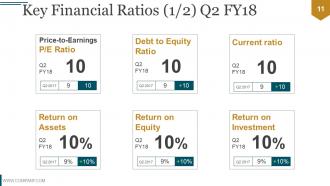
Folie 11 : Diese Folie zeigt die wichtigsten Finanzkennzahlen von- KGV, Verschuldungsquote, aktuelles Verhältnis zu Anlagenrendite, Eigenkapitalrendite, Kapitalrendite, Anlagenrendite.
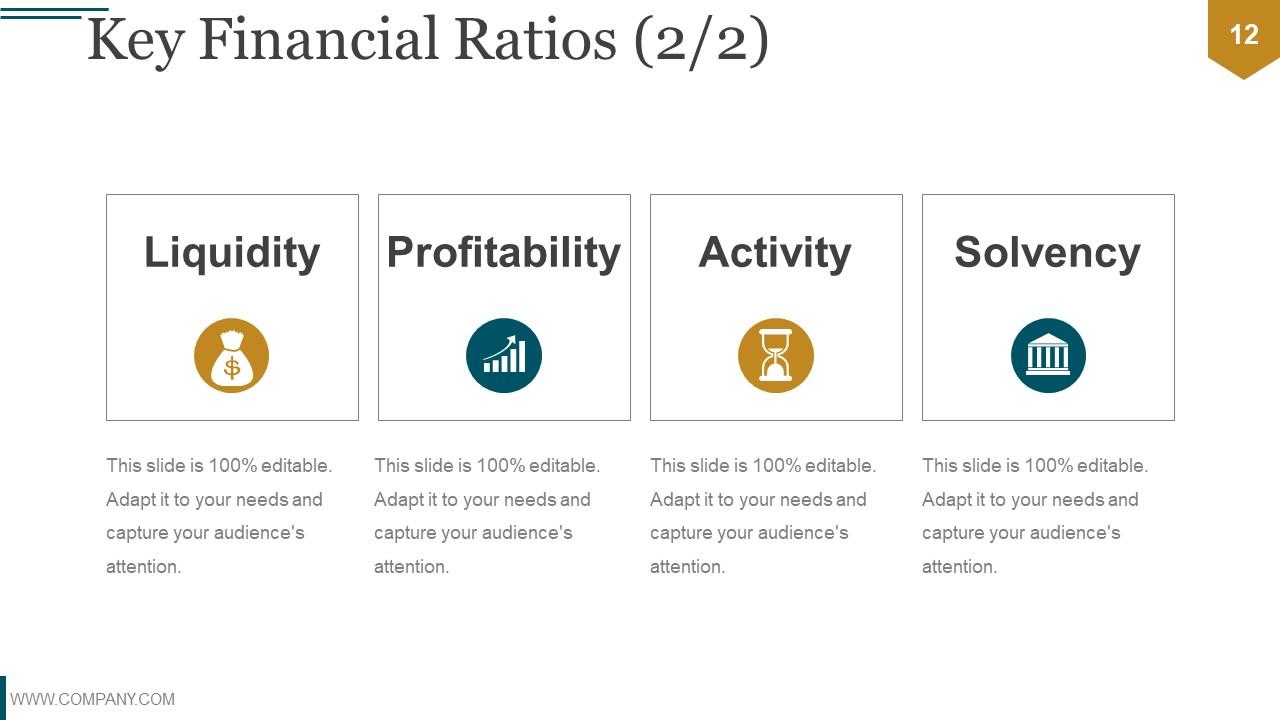
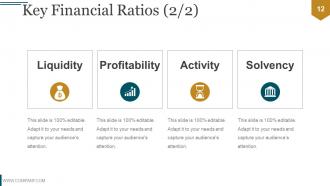
Folie 12 : Diese Folie zeigt die wichtigsten Finanzkennzahlen von – Liquidität, Rentabilität, Aktivität und Solvenz.
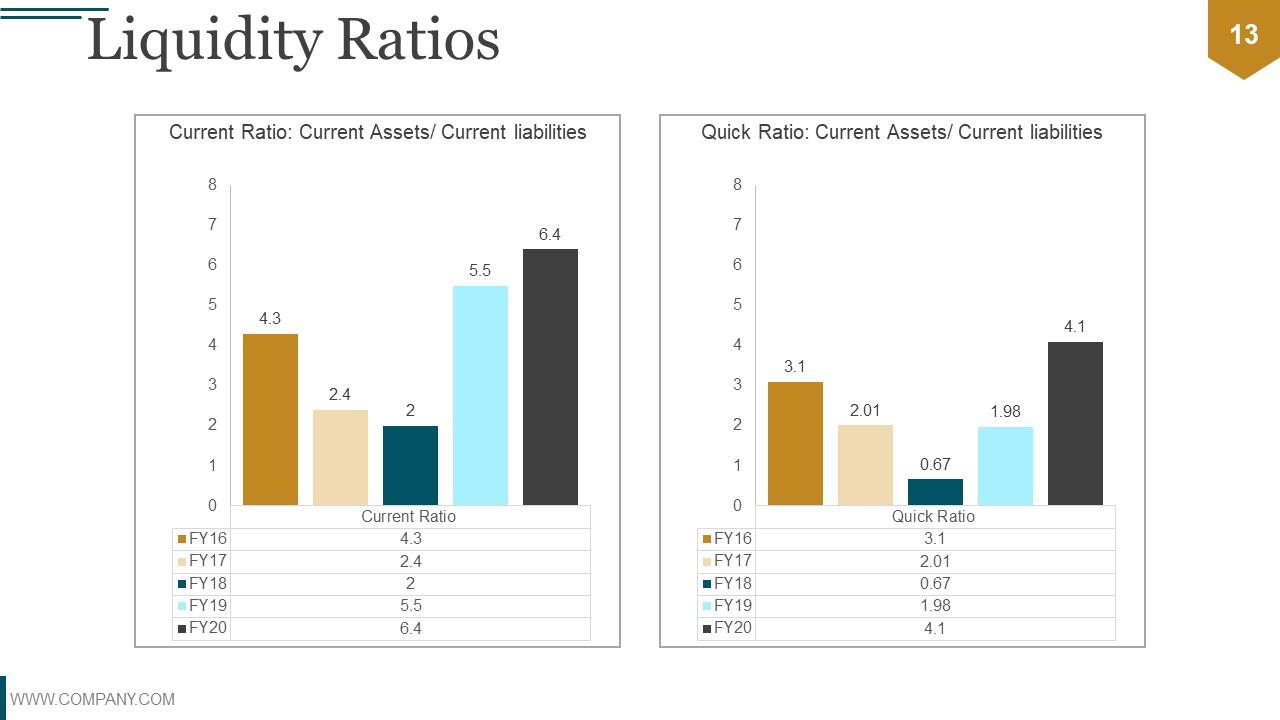
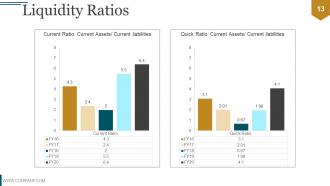
Folie 13 : Diese Folie zeigt Liquiditätskennzahlen, die Folgendes anzeigen: Aktuelles Verhältnis: Umlaufvermögen / kurzfristige Verbindlichkeiten, Schnellverhältnis: Umlaufvermögen / kurzfristige Verbindlichkeiten.
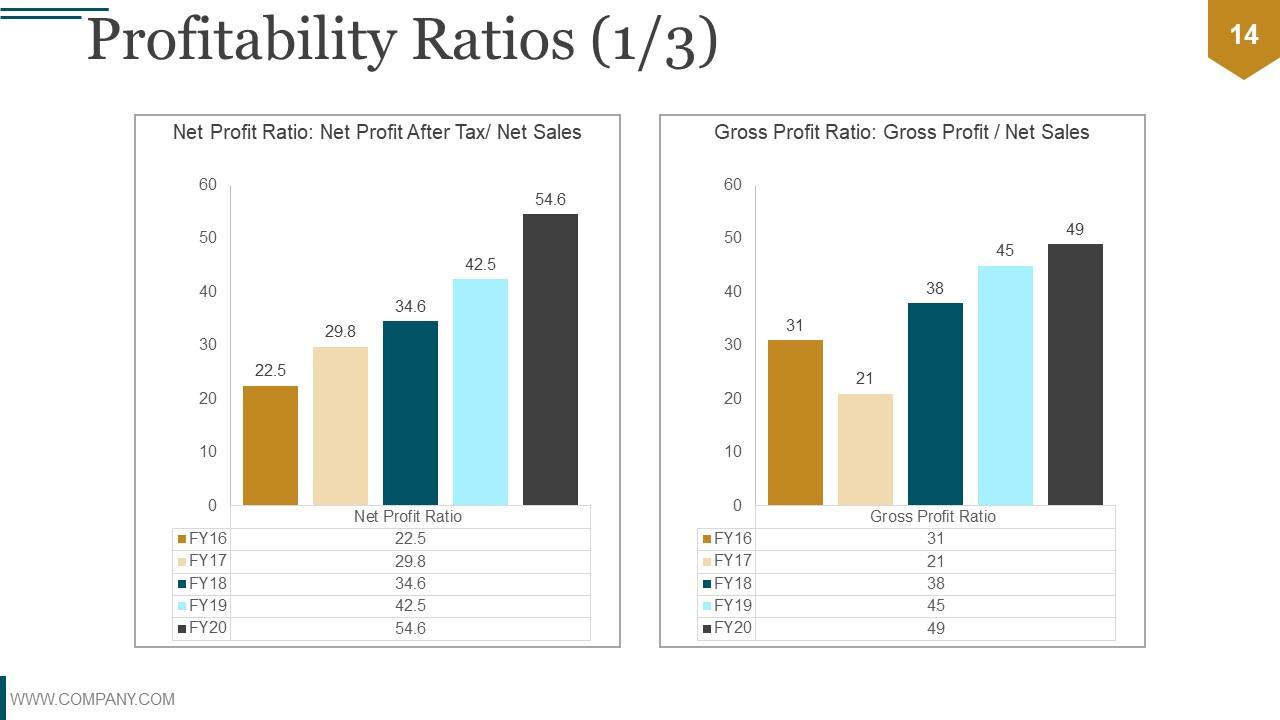
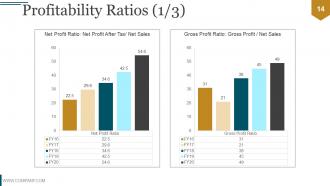
Folie 14 : Diese Folie zeigt Rentabilitätskennzahlen (1/3) mit folgenden Angaben: Nettogewinnverhältnis: Nettogewinn nach Steuern/Nettoumsatz, Bruttogewinnverhältnis: Bruttogewinn/Nettoumsatz.
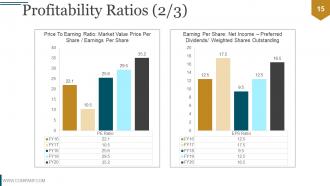
Folie 15 : Diese Folie zeigt die Rentabilitätskennzahlen (2/3) mit der Anzeige des Kurs-Gewinn-Verhältnisses: Marktwert Kurs pro Aktie / Gewinn pro Aktie Gewinn pro Aktie: Nettoeinkommen – Vorzugsdividenden/ im Umlauf befindliche gewichtete Aktien
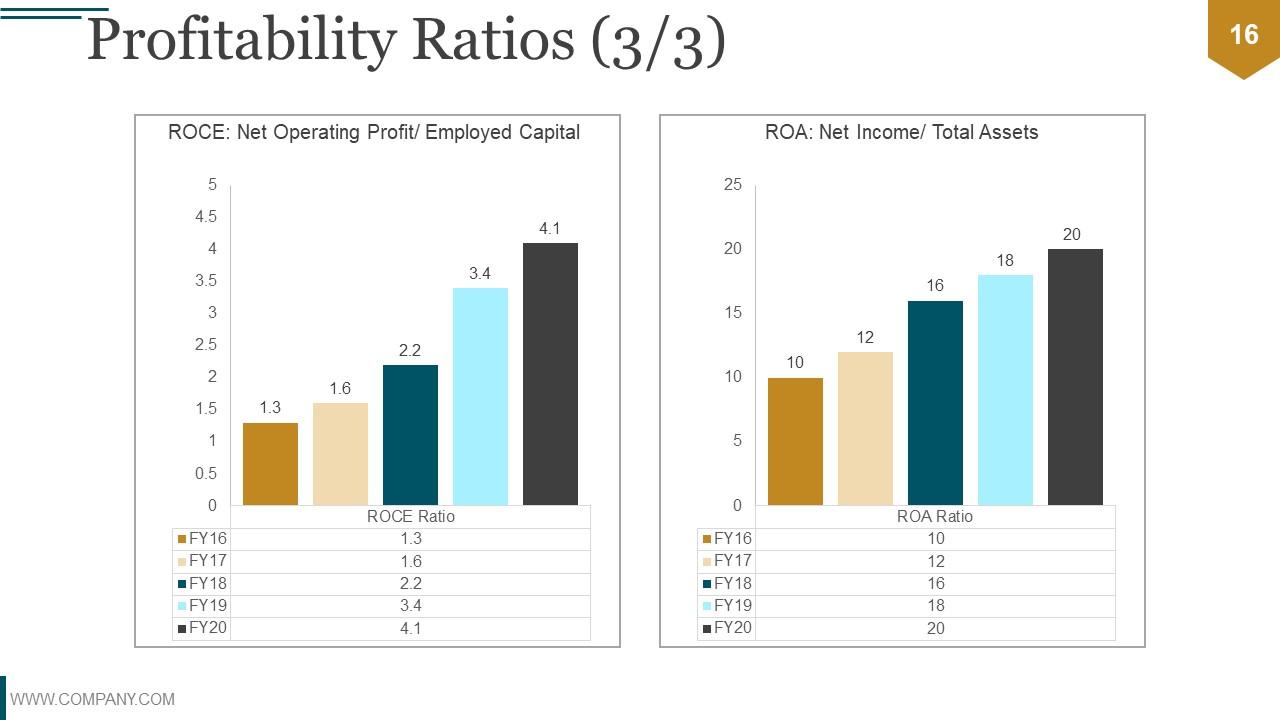
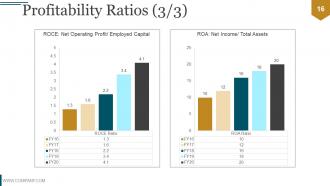
Folie 16 : Diese Folie zeigt die Rentabilitätskennzahlen (3/3) mit ROCE: Nettobetriebsgewinn/Employed Capital ROA: Nettoeinkommen/Gesamtvermögen
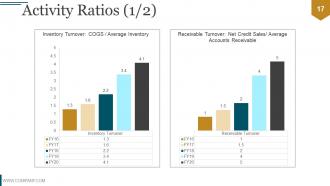
Folie 17 : Diese Folie zeigt Aktivitätsquoten (1/2), die Folgendes anzeigen: Lagerumschlag: COGS / durchschnittlicher Lagerbestand, Forderungsumsatz: Nettokreditverkäufe / durchschnittliche Debitorenbuchhaltung.
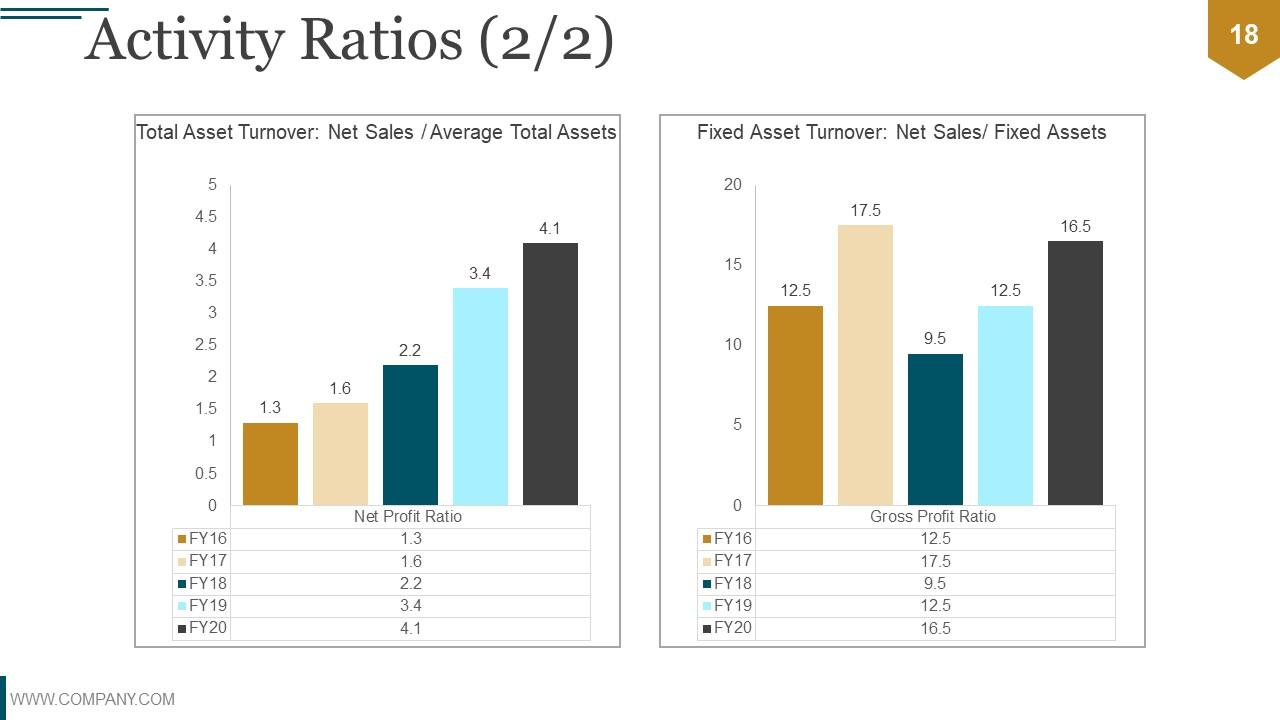
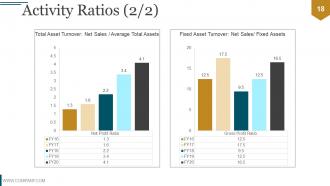
Folie 18 : Diese Folie zeigt Aktivitätsverhältnisse (2/2) mit folgenden Angaben: Gesamtvermögensumsatz: Nettoumsatz/Durchschnittliches Gesamtvermögen, Anlagevermögensumsatz: Nettoumsatz/Sachanlagevermögen.
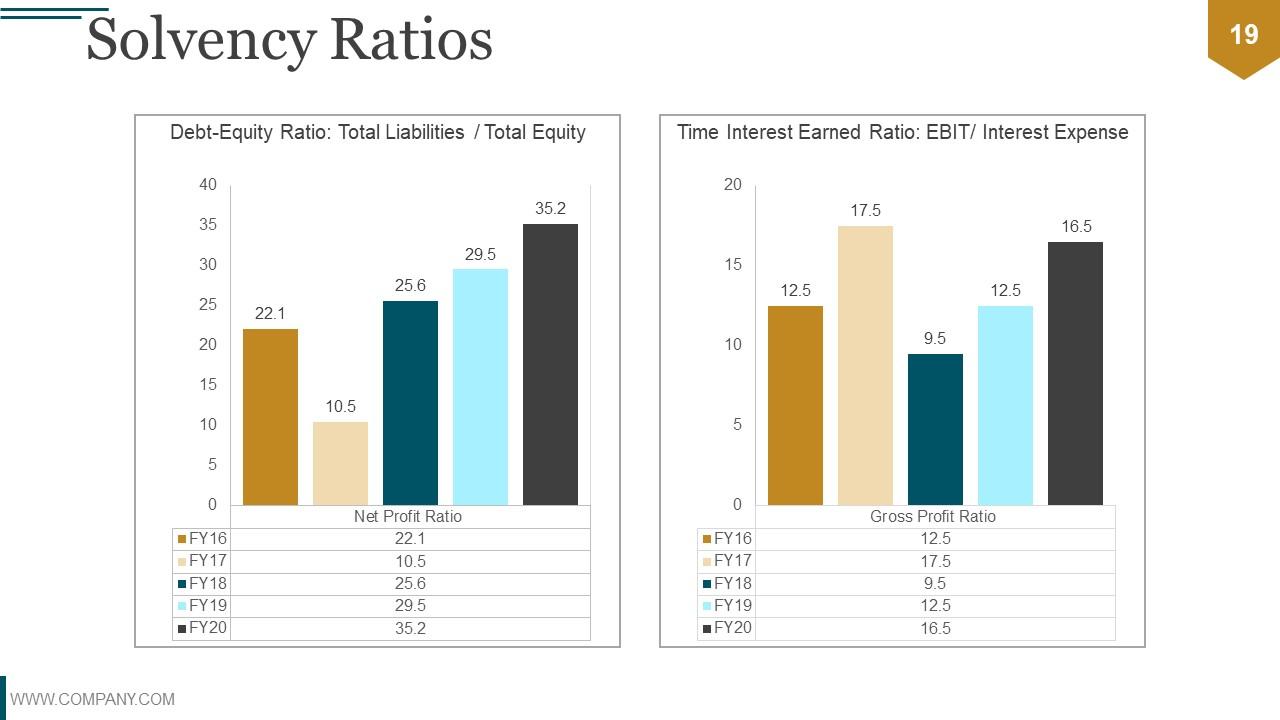
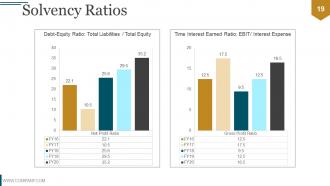
Folie 19 : Diese Folie zeigt Solvenzquoten, die folgendes anzeigen: Schulden-Eigenkapital-Verhältnis: Gesamtverbindlichkeiten/Gesamteigenkapital, Zeitverzinsungsverhältnis: EBIT/Zinsaufwand.
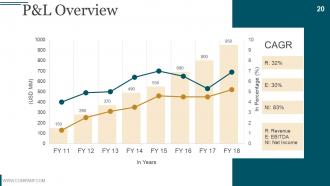
Folie 20 : Diese Folie zeigt eine GuV-Übersicht in Diagrammform, die die CAGR von R: Umsatz, E: EBITDA, NI: Nettoeinkommen zeigt.
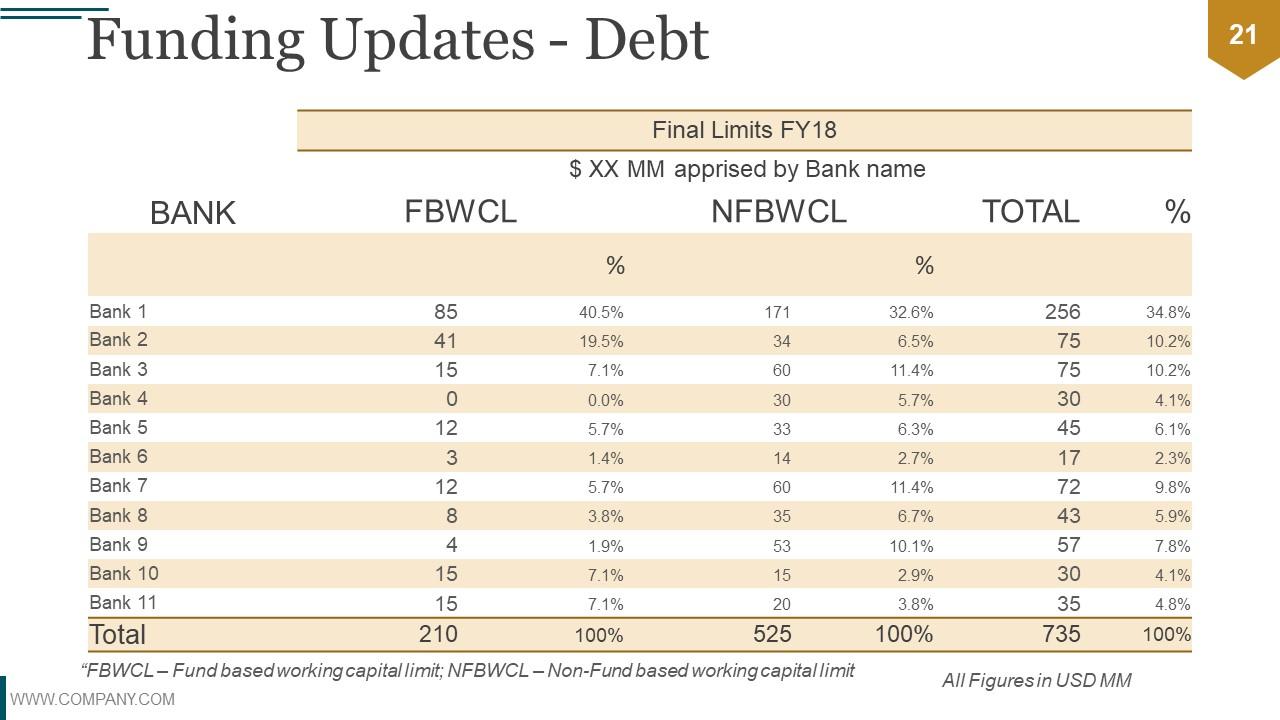
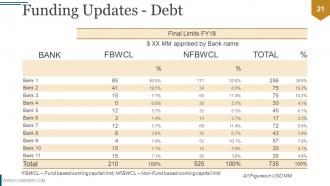
Folie 21 : Diese Folie zeigt Aktualisierungen der Finanzierung – Schulden in Tabellenform.
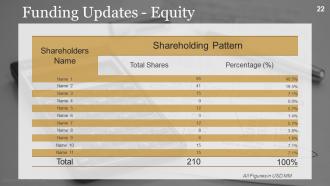
Folie 22 : Diese Folie zeigt Aktualisierungen der Finanzierung – Eigenkapital in Tabellenform.
Folie 23 : Diese Folie zeigt das Symbolset für das Finanzanalysemodul. Verwenden Sie die Symbole nach Bedarf.
Folie 24 : Diese Folie trägt den Titel Zusätzliche Folien, um vorwärts zu gehen. Sie können den Folieninhalt nach Bedarf ändern/modifizieren.
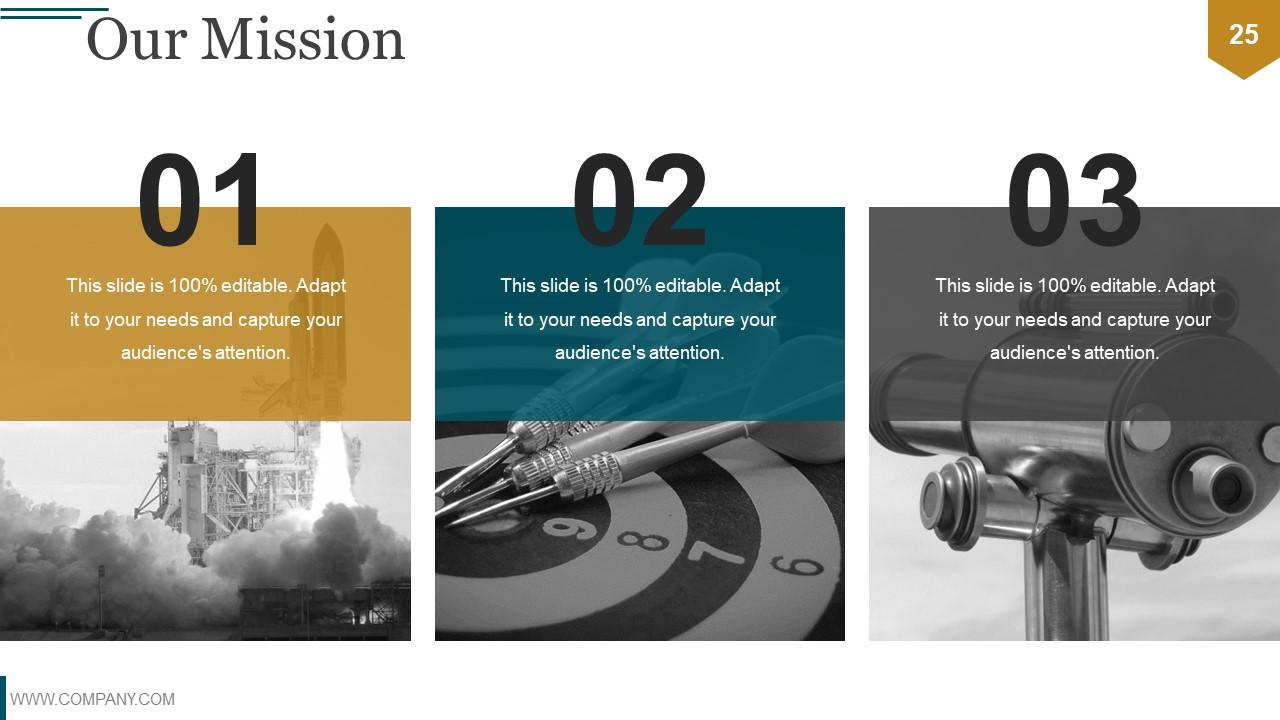
Folie 25 : Dies ist die Folie „Unsere Mission“ mit Symbolbildern für Vision und Ziel usw. Geben Sie sie hier an.
Folie 26 : Diese Folie präsentiert Meet Our Team mit Namen und Bezeichnung für relevante Informationen.
Folie 27 : Dies ist eine Folie über unser Unternehmen. Hier Firmen-/Teamspezifikationen etc. anzeigen
Folie 28 : Dies ist die Folie „Unser Ziel“. Geben Sie sie hier an.
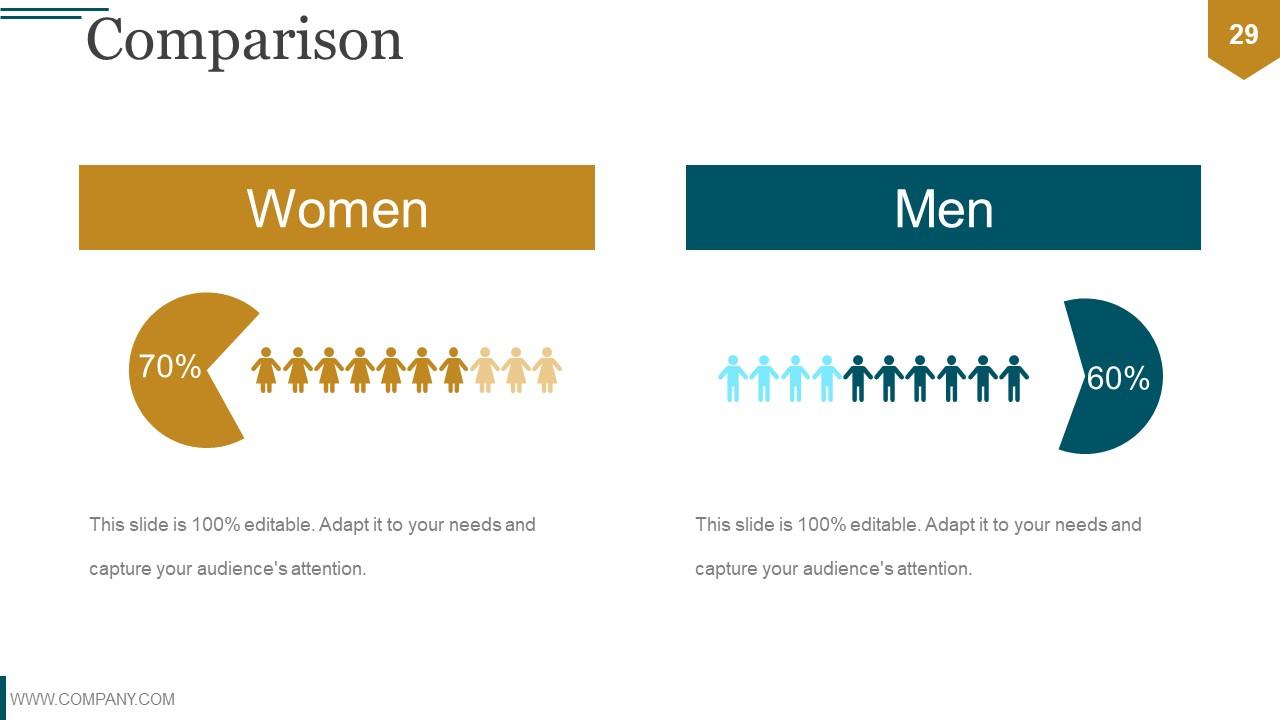
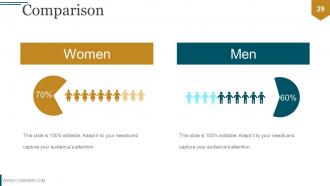
Folie 29 : Diese Folie zeigt einen Vergleich auf kreative Weise mit männlichen und weiblichen Bildern. Nennen Sie hier vergleichende Aspekte.
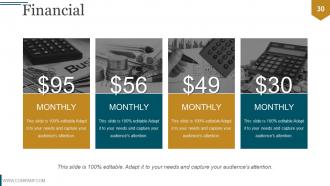
Folie 30 : Diese Folie zeigt den Finanzwert. Geben Sie hier finanzielle Aspekte an.
Folie 31 : Dies ist eine Zitate-Folie. Geben Sie hier geschäftliche Botschaften, Überzeugungen usw. an.
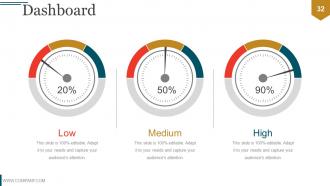
Folie 32 : Dies ist eine Dashboard-Folie zum Anzeigen von Metriken, KPIs usw.
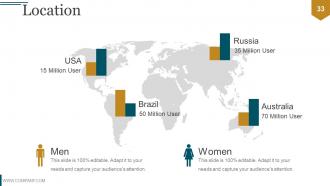
Folie 33 : Dies ist eine Standortfolie eines Weltkartenbilds, um das globale Wachstum, die Präsenz usw.
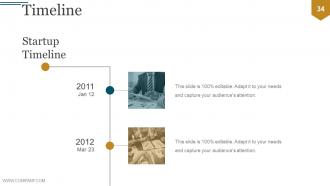
Folie 34 : Dies ist eine Timeline-Folie, die Wachstum, Reise, Entwicklung usw. zeigt.
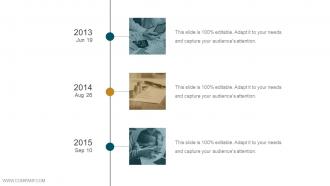
Folie 35 : Dies ist die Fortsetzung der Timeline-Folie, um Wachstum, Entwicklung usw. zu zeigen.
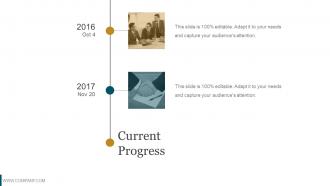
Folie 36 : Dies ist die Fortsetzung der Zeitleistenfolie, um den aktuellen Fortschritt, Wachstum, Entwicklung usw. zu zeigen.
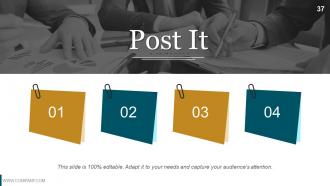
Folie 37 : Diese Folie zeigt Post-It-Notizen an, um Firmenereignisse, Nachrichten oder andere hervorzuhebende Elemente zu flashen.
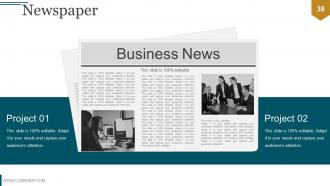
Folie 38 : Diese Folie zeigt ein Zeitungsbild an, um Firmenereignisse, Nachrichten oder alles andere hervorzuheben. Sie können den Inhalt nach Bedarf ändern.
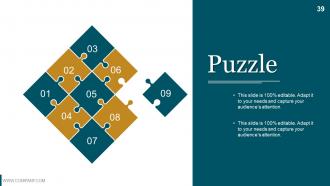
Folie 39 : Dies ist eine Puzzle-Bildfolie, um Informationen, Spezifikationen usw. anzuzeigen.
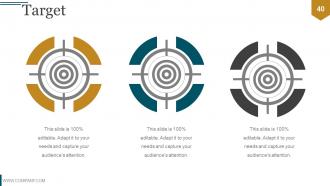
Folie 40 : Dies ist eine Zielfolie zum Anzeigen von Zielen, Plänen usw.
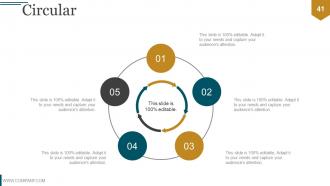
Folie 41 : Dies ist eine kreisförmige Bildfolie zur Anzeige von Informationen, Spezifikationen usw.
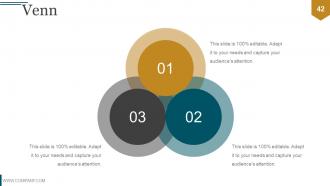
Folie 42 : Dies ist eine Venn-Diagramm-Bildfolie zur Anzeige von Informationen, Spezifikationen usw.
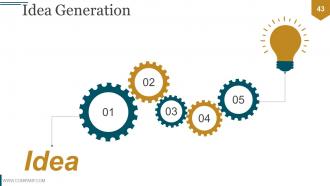
Folie 43 : Dies ist eine Bildfolie für eine Ideengeneration für eine Zahnradbirne, die Informationen, Spezifikationen usw. zeigt.
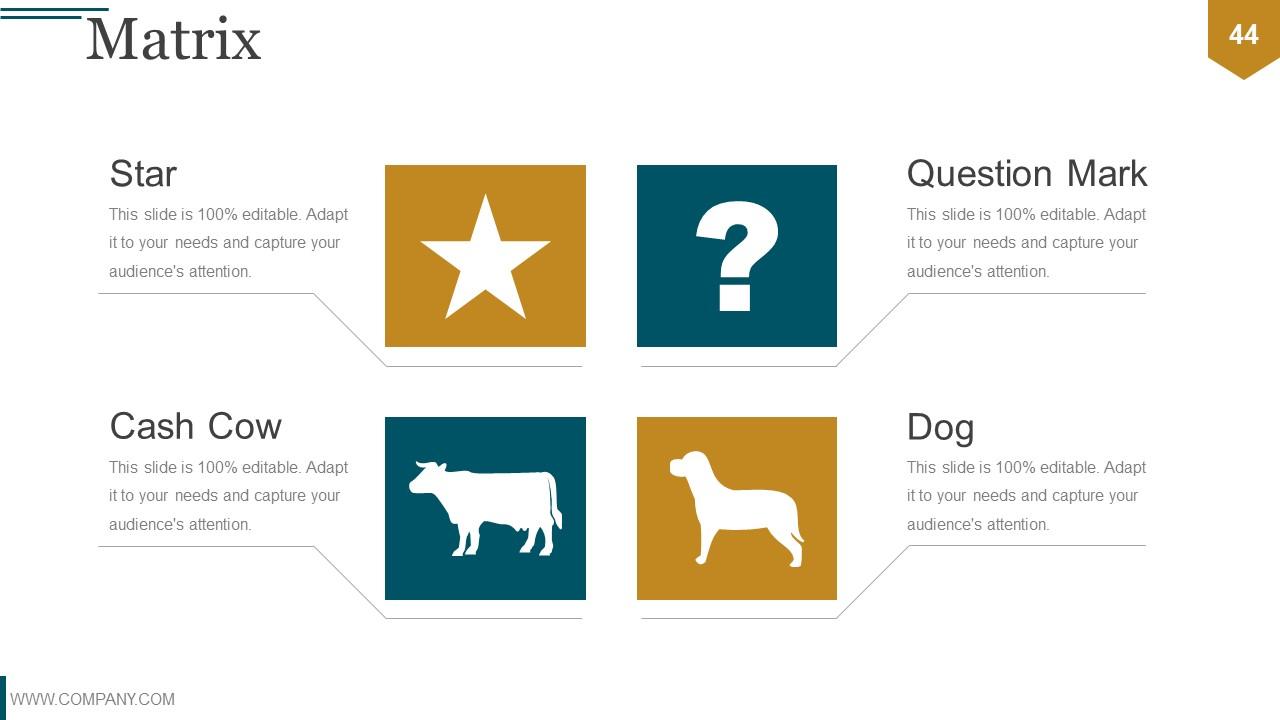
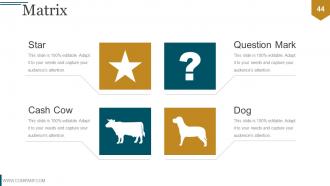
Folie 44 : Dies ist eine Matrixfolie zur Anzeige von Informationen, Spezifikationen, Vergleichen usw.
Folie 45 : Dies ist eine SWOT-Analysefolie.
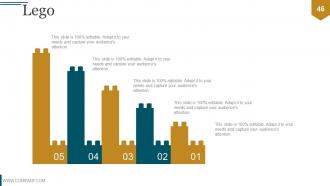
Folie 46 : Diese Folie zeigt Lego-Bilder. Präsentieren Sie hier Informationen, Spezifikationen etc.
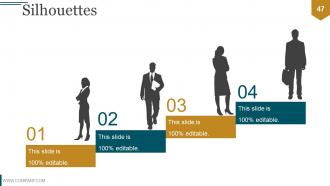
Folie 47 : Diese Folie zeigt ein Silhouettenbild mit Textfeldern. Zustandsinformationen etc. hier.
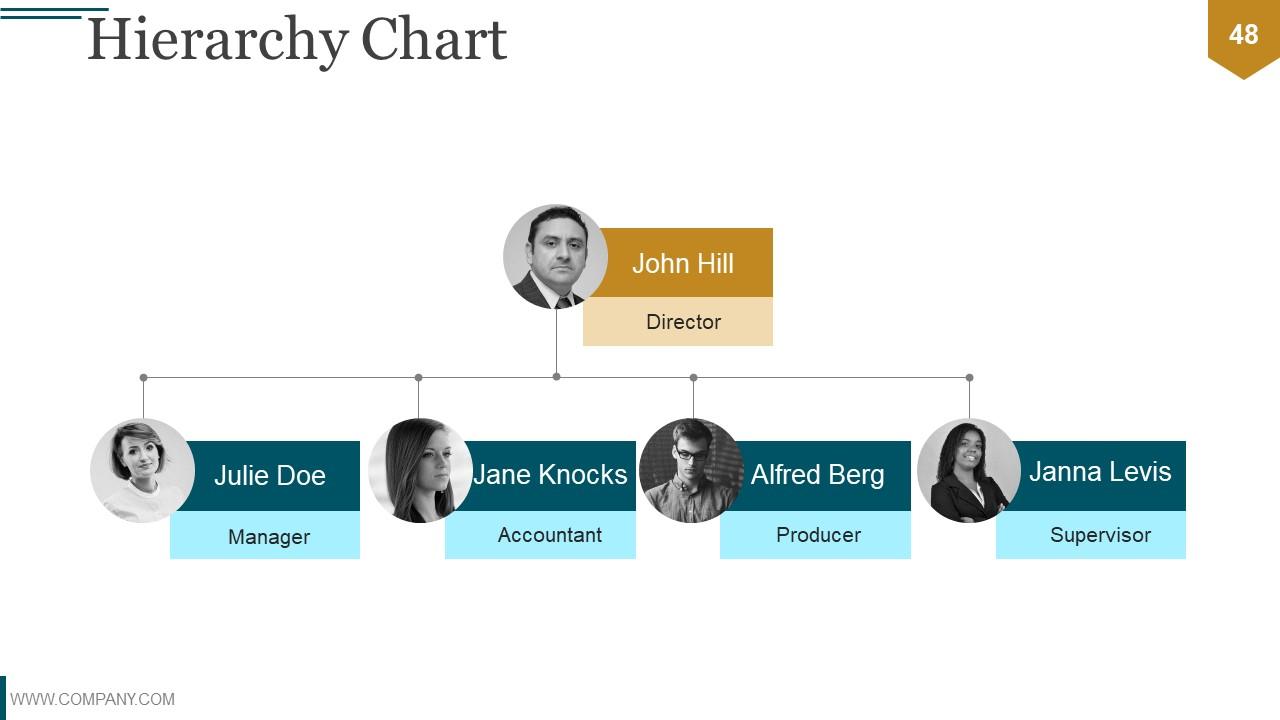
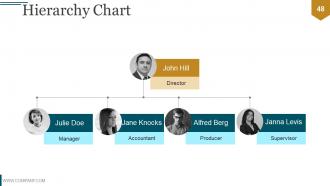
Folie 48 : Dies ist eine Hierarchiefolie zur Angabe von Teamspezifikationen, Organisationsstruktur usw.
Folie 49 : Dies ist eine Mindmap-Diagrammfolie, die Informationen, Trennungen, Spezifikationen usw. anzeigt.
Folie 50 : Diese Folie zeigt ein Lupenbild mit Textfeldern. Zustandsinformationen etc. hier.
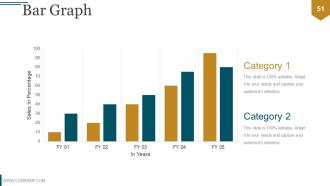
Folie 51 : Diese Folie präsentiert ein Balkendiagramm für den Vergleich von zwei Produkten/Einheiten, Informationen, Spezifikationen usw.
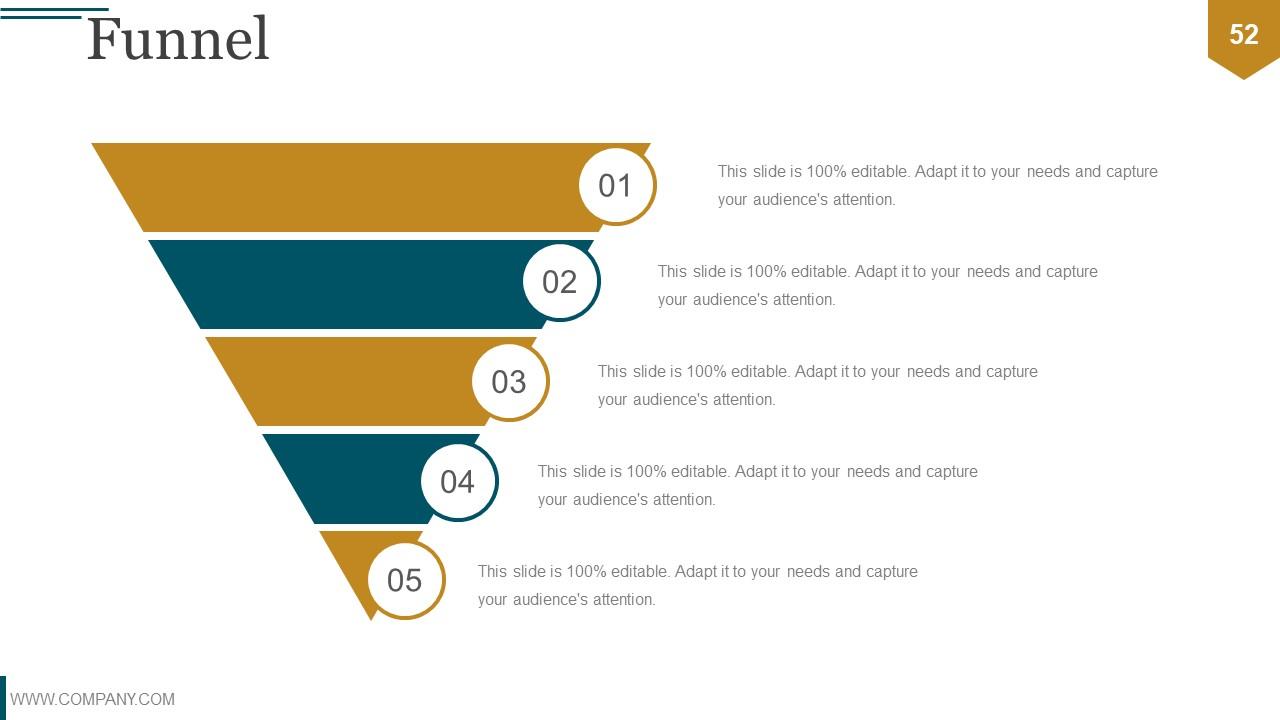
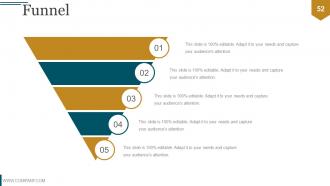
Folie 52 : Diese Folie zeigt ein Trichterbild an. Zustandsinformationen, Funneling-Aspekte etc. hier.
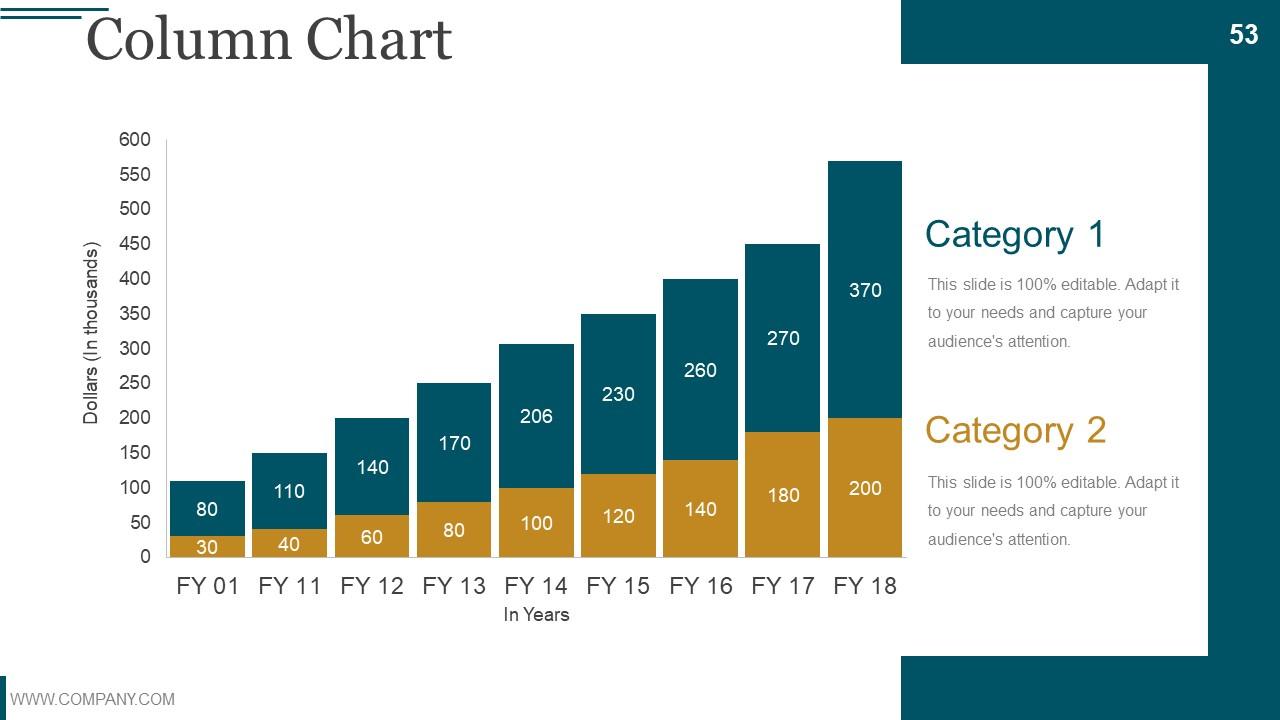
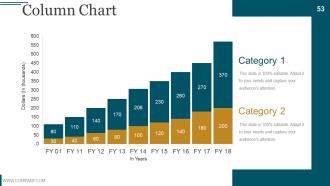
Folie 53 : Diese Folie präsentiert ein Säulendiagramm für den Vergleich von zwei Produkten/Einheiten, Informationen, Spezifikationen usw.
Folie 54 : Diese Folie trägt den Titel Unsere Charts, um vorwärts zu kommen. Sie können den Folieninhalt nach Bedarf ändern.
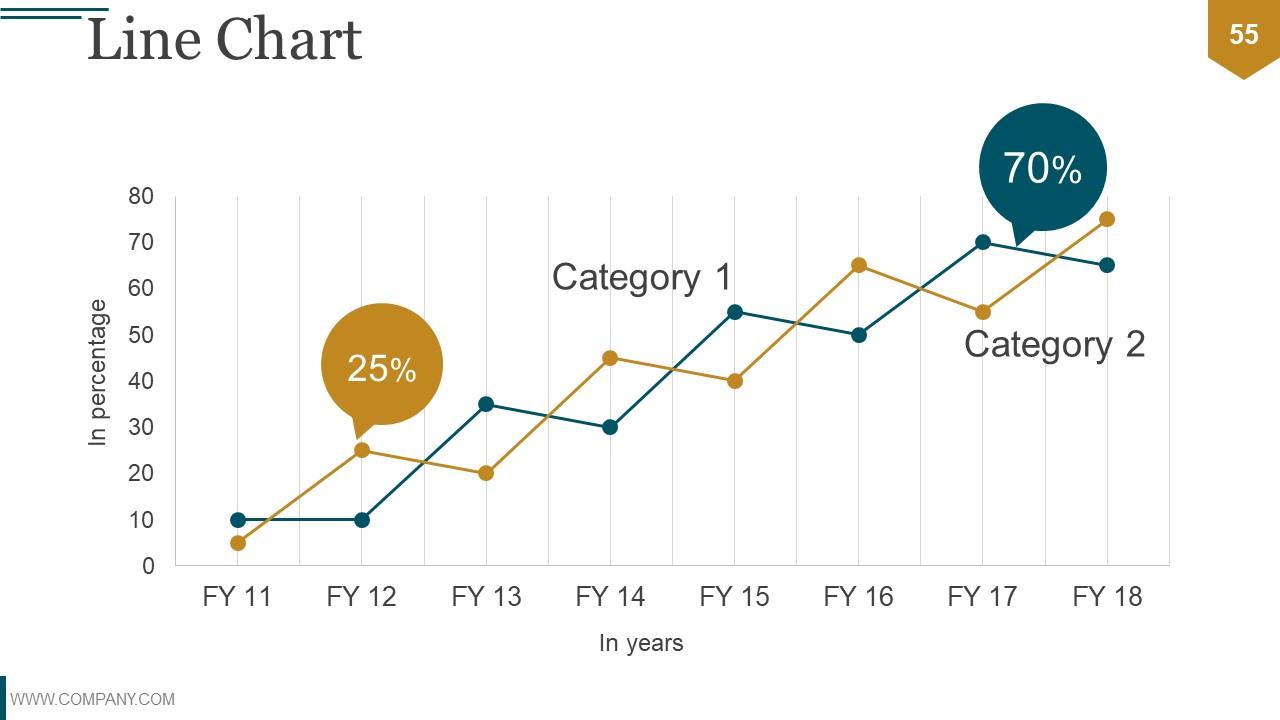
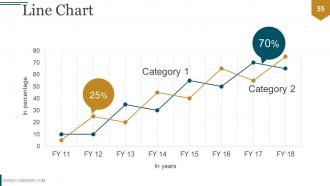
Folie 55 : Diese Folie präsentiert ein Liniendiagramm für den Vergleich von zwei Produkten/Einheiten, Informationen, Spezifikationen usw.
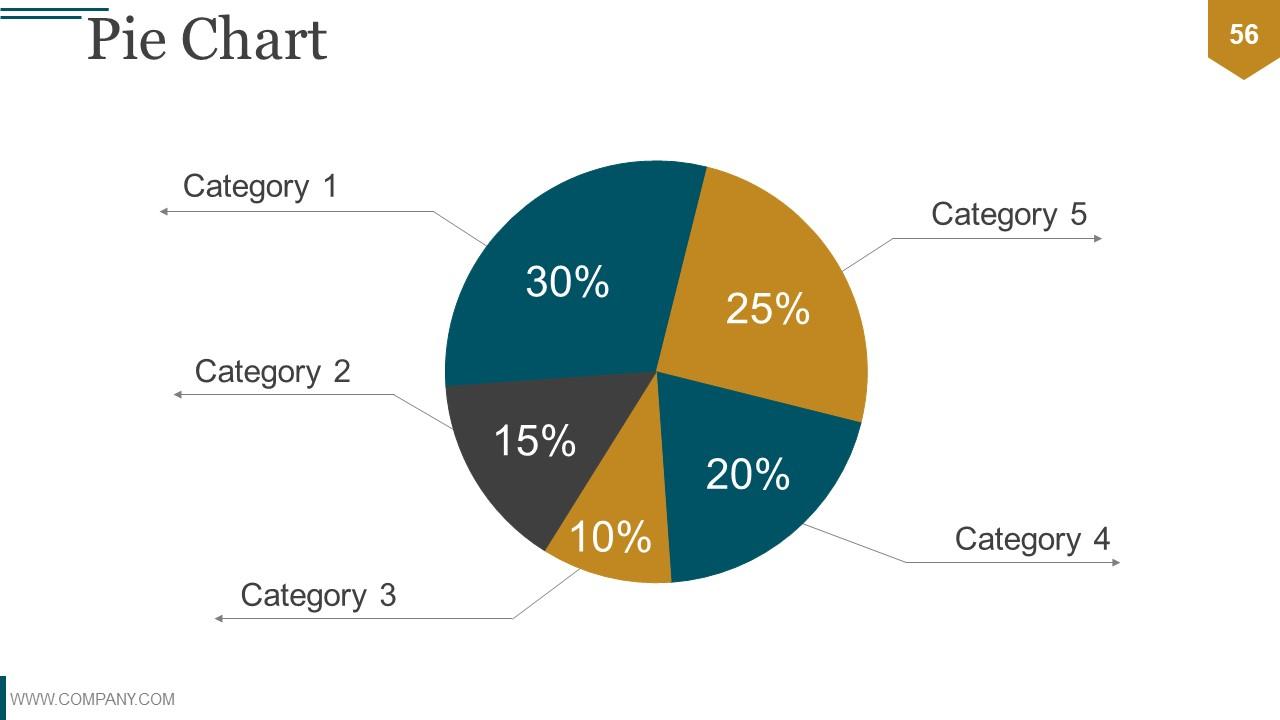
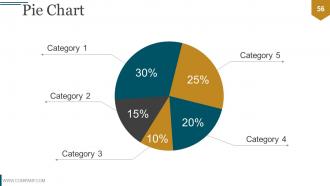
Folie 56 : Diese Folie präsentiert ein Kreisdiagramm für den Vergleich von zwei Produkten/Einheiten, Informationen, Spezifikationen usw.
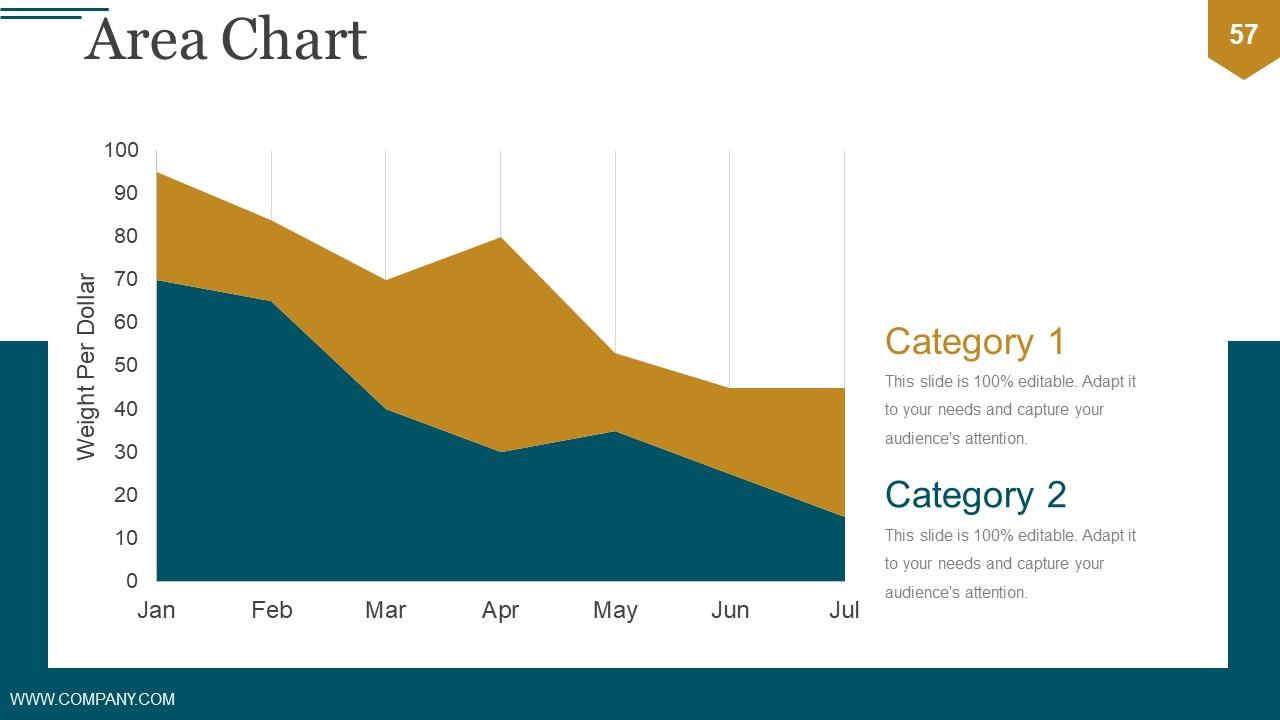
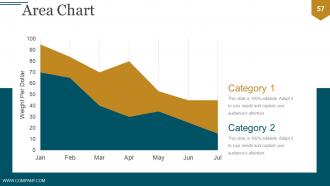
Folie 57 : Diese Folie präsentiert ein Flächendiagramm für den Vergleich von zwei Produkten/Einheiten, Informationen, Spezifikationen usw.
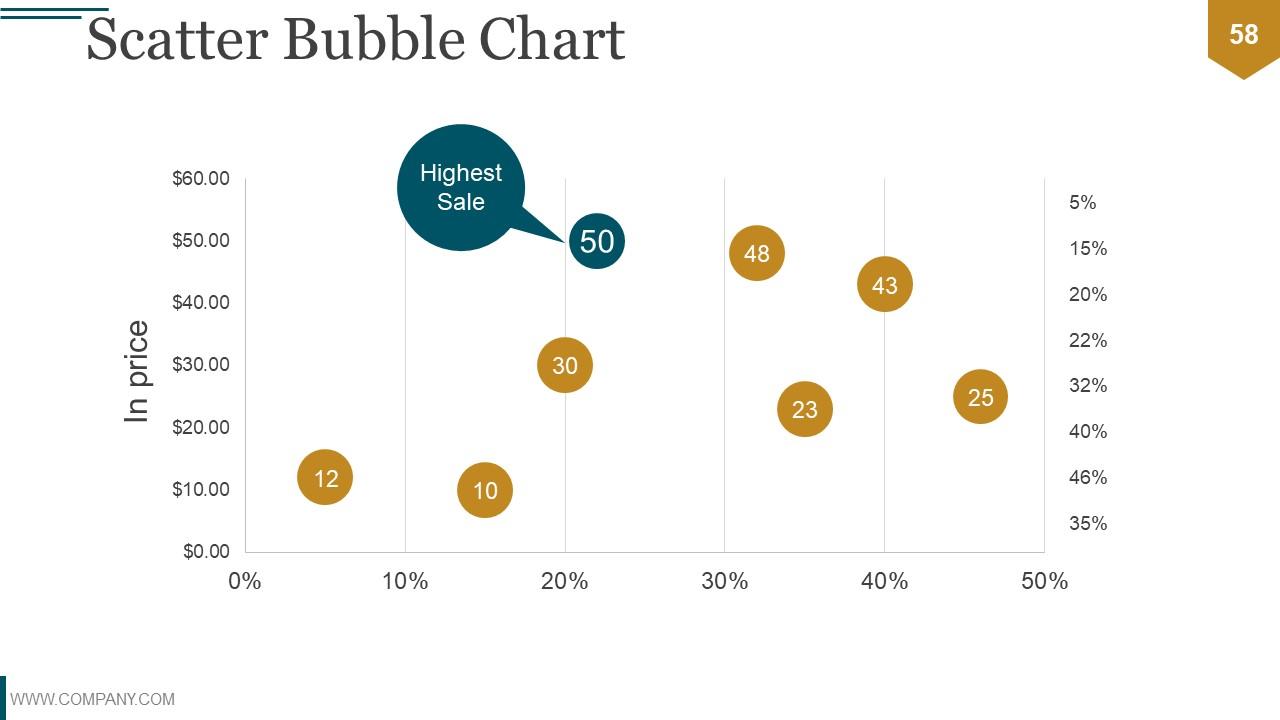
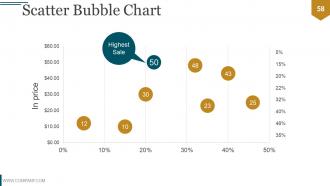
Folie 58 : Diese Folie präsentiert ein Streublasendiagramm für den Vergleich von zwei Produkten/Einheiten, Informationen, Spezifikationen usw.
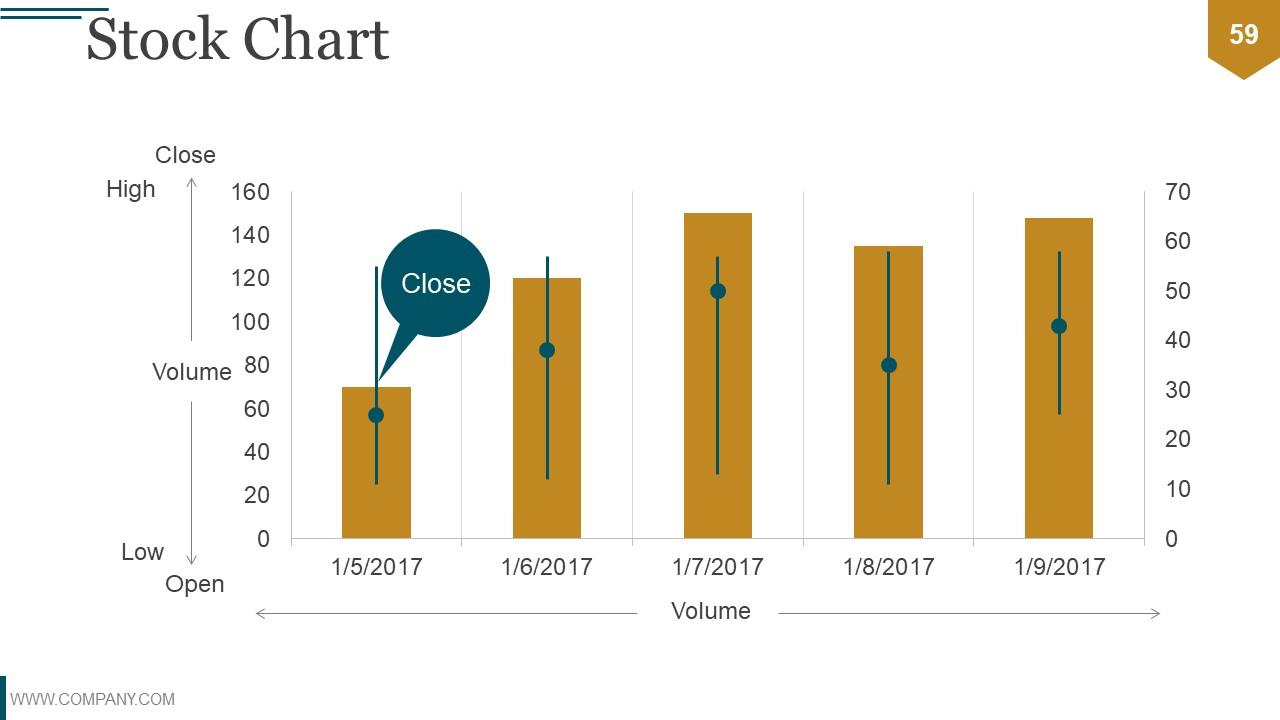
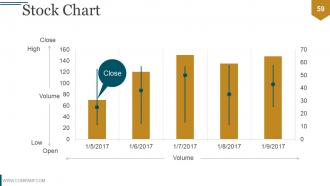
Folie 59 : Diese Folie zeigt ein Aktiendiagramm für den Vergleich von zwei Produkten/Einheiten, Informationen, Spezifikationen usw.
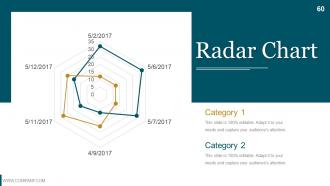
Folie 60 : Diese Folie zeigt ein Radardiagramm für den Vergleich von zwei Produkten/Einheiten, Informationen, Spezifikationen usw.
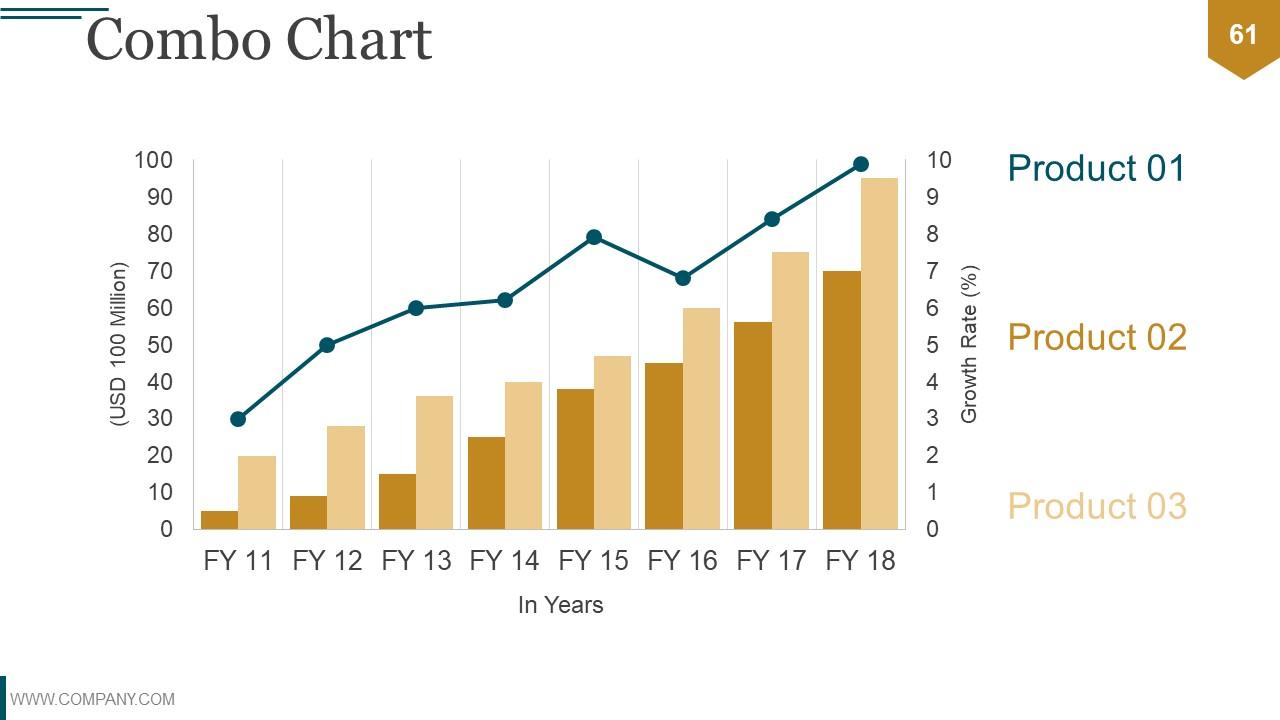
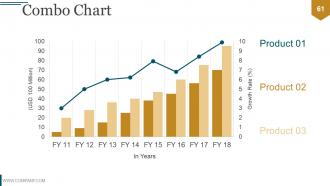
Folie 61 : Diese Folie zeigt ein Kombinationsdiagramm für den Vergleich von zwei Produkten/Einheiten, Informationen, Spezifikationen usw.
Folie 62 : Dies ist eine Dankesfolie mit Adresse# Hausnummer, Stadt, Bundesland, Kontaktnummern, E-Mail-Adresse.
Finanzanalysemodul Powerpoint-Präsentationsfolien mit allen 62 Folien:
Heben Sie die negativen Auswirkungen des Klimawandels mit unseren Powerpoint-Präsentationsfolien für das Finanzanalysemodul hervor. Erläutern Sie die Faktoren, die es beeinflussen.
-
The Designed Graphic are very professional and classic.
-
Innovative and Colorful designs.
