


Financial Market Instruments Powerpoint Presentation Slides
Have you been asked to create a detailed presentation on financial tools? If yes, then just simply download this financial market instruments PowerPoint presentation that assists you to highlight the various tools used in the financial market. This trading instruments PPT theme has been crafted after complete research by the industry professionals who understand the importance of sharing the information in a professional way. Some key aspects covered in this monetary instruments PPT deck are types of financial instruments we trade in, debentures, rights issue, financial instruments, financial instruments comparison, financial instruments overview, financial instruments market forms, financial instrument types, financial market instruments categorization, equity security market in India, foreign exchange market, bond market, bond market components, etc. This monetary instruments PPT template gives a better understanding of how and where you can invest your money. Download this financing tool PPT template now. Advise folks on catering for ill effects with our Financial Market Instruments Powerpoint Presentation Slides. It helps handle health complications.
Have you been asked to create a detailed presentation on financial tools? If yes, then just simply download this financia..










-

- Google Slides is a new FREE Presentation software from Google.
- All our content is 100% compatible with Google Slides.
- Just download our designs, and upload them to Google Slides and they will work automatically.
- Amaze your audience with SlideTeam and Google Slides.
-

Want Changes to This PPT Slide? Check out our Presentation Design Services
-

- WideScreen Aspect ratio is becoming a very popular format. When you download this product, the downloaded ZIP will contain this product in both standard and widescreen format.
-

- Some older products that we have may only be in standard format, but they can easily be converted to widescreen.
- To do this, please open the SlideTeam product in Powerpoint, and go to
- Design ( On the top bar) -> Page Setup -> and select "On-screen Show (16:9)” in the drop down for "Slides Sized for".
- The slide or theme will change to widescreen, and all graphics will adjust automatically. You can similarly convert our content to any other desired screen aspect ratio.
Compatible With Google Slides

Get This In WideScreen
You must be logged in to download this presentation.


Do you want to remove this product from your favourites?
PowerPoint presentation slides
Presenting this set of slides with name - Financial Market Instruments Powerpoint Presentation Slides. This deck consists of total of thirtyseven slides. It has PPT slides highlighting important topics of Financial Market Instruments Powerpoint Presentation Slides. This deck comprises of amazing visuals with thoroughly researched content. Each template is well crafted and designed by our PowerPoint experts. Download PowerPoint templates in both widescreen and standard screen. The presentation is fully supported by Google Slides. It can be easily converted into JPG or PDF format.

People who downloaded this PowerPoint presentation also viewed the following :
Content of this Powerpoint Presentation
Slide 1: This slide introduces Financial Market Instruments. State Your Company Name and begin.
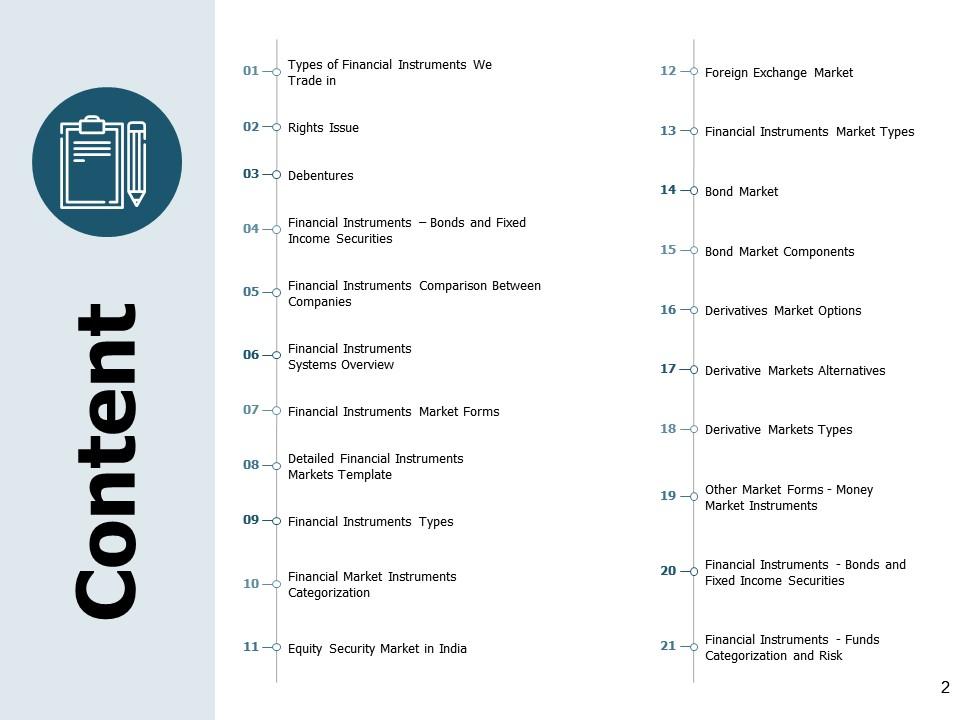
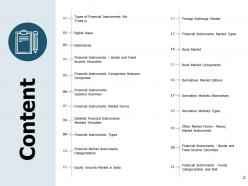
Slide 2: This slide shows Content of the presentation.
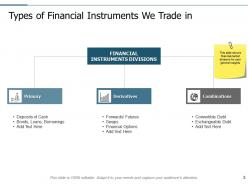
Slide 3: This slide presents Types of Financial Instruments We Trade In.
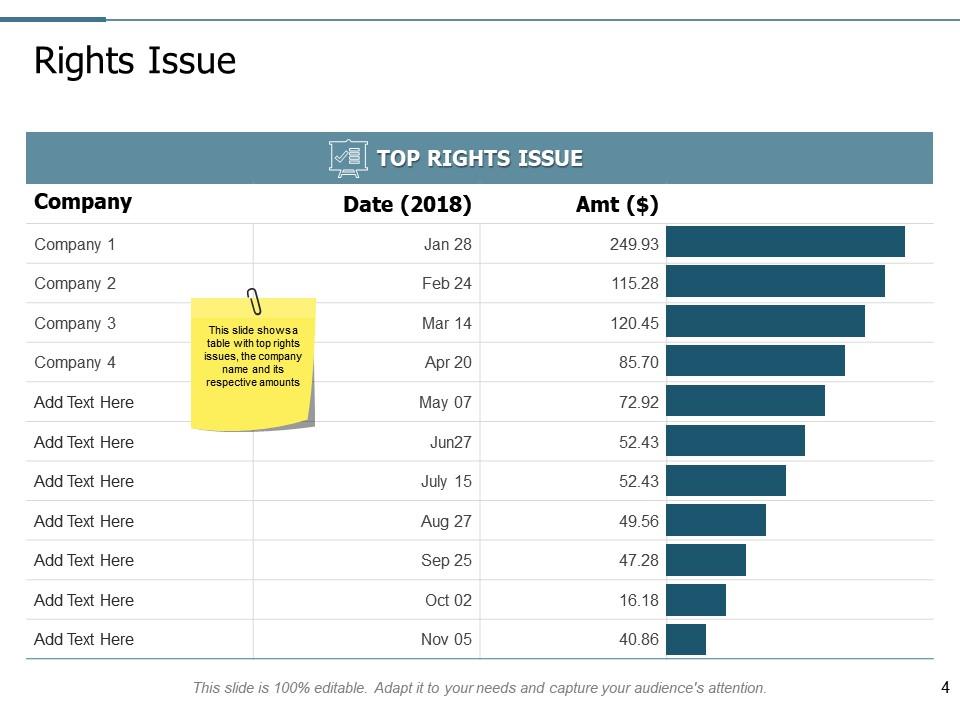
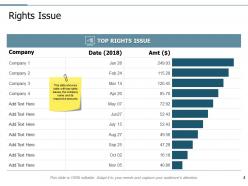
Slide 4: This slide displays Rights Issue in tabular form with the company name and its respective amounts.
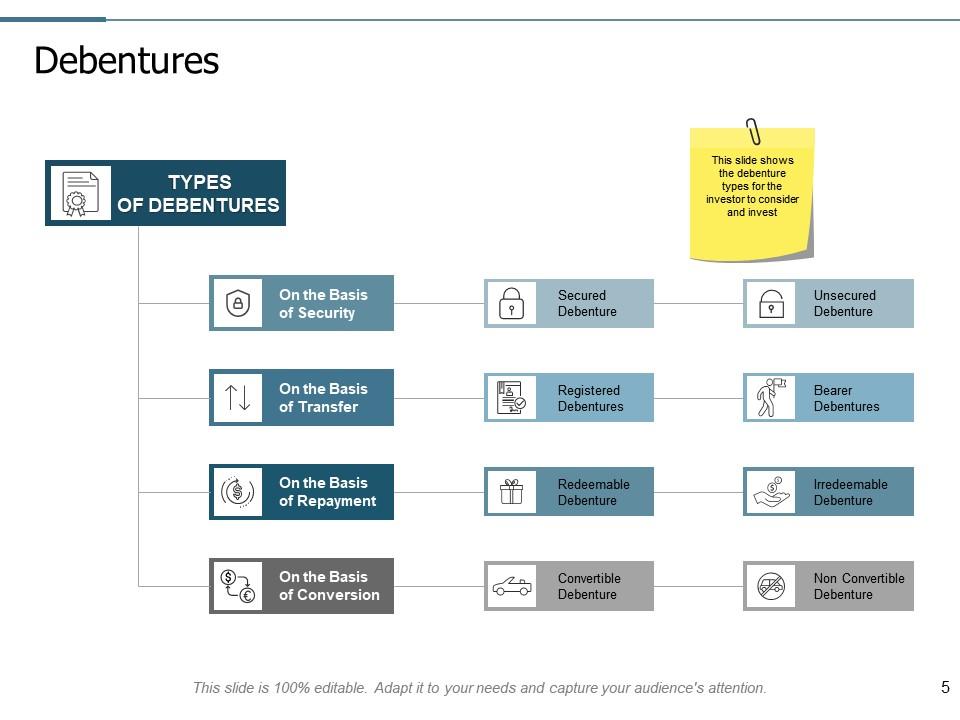
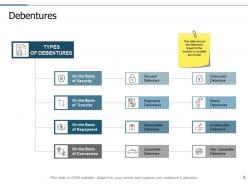
Slide 5: This slide shows the debenture types for the investor to consider and invest
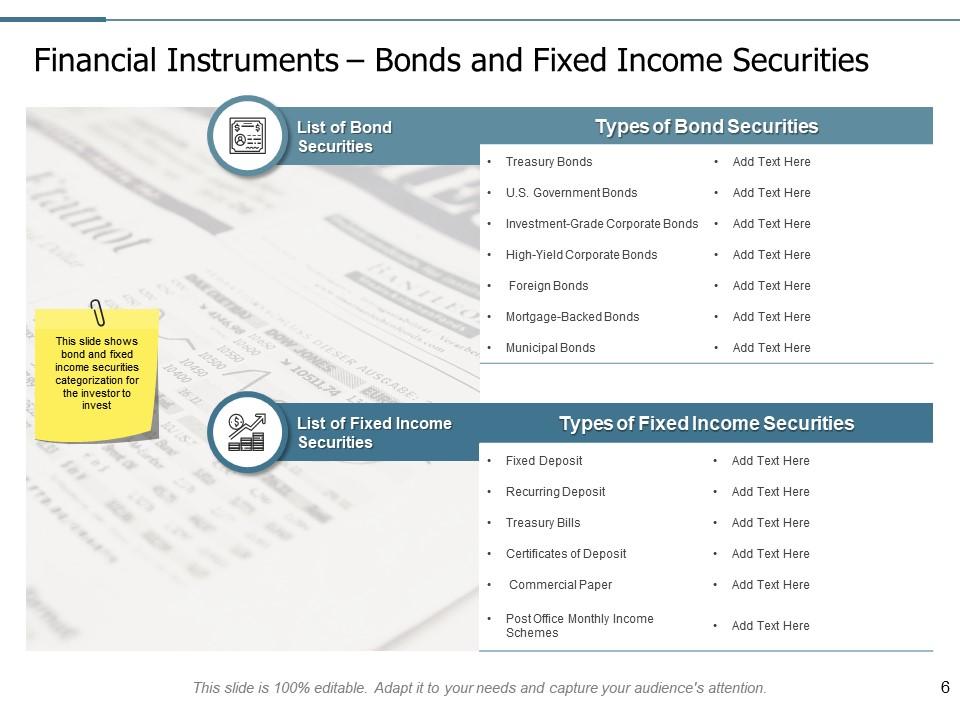
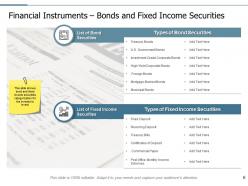
Slide 6: This slide shows bond and fixed income securities categorization for the investor to invest in.
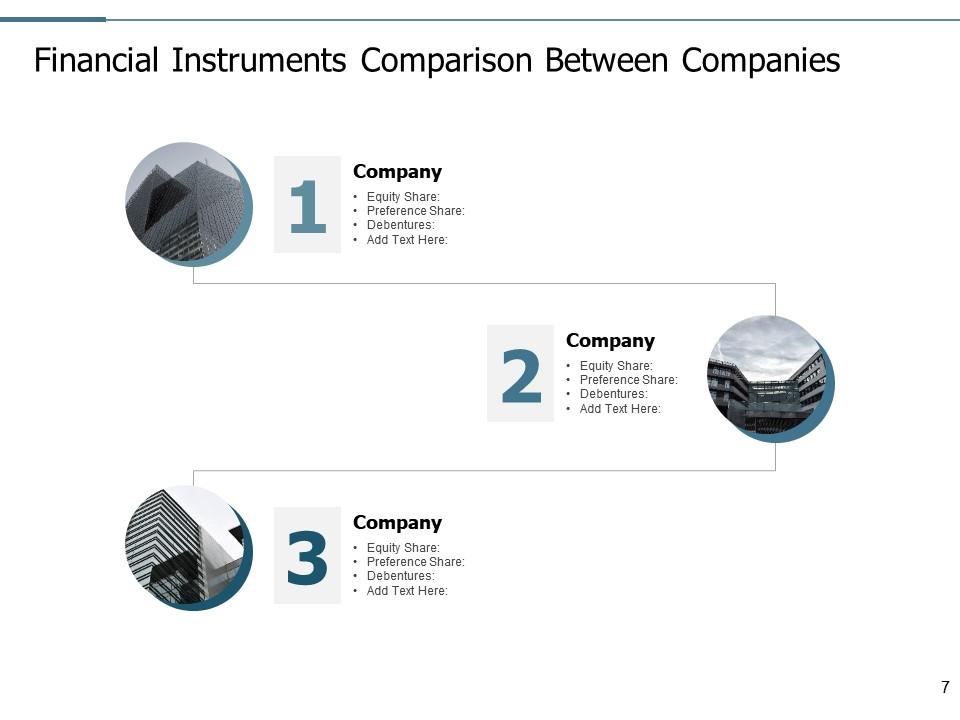
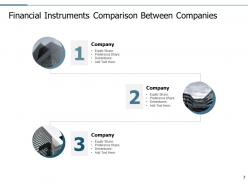
Slide 7: This slide shows the comparison between three companies on the basis of financial instruments.
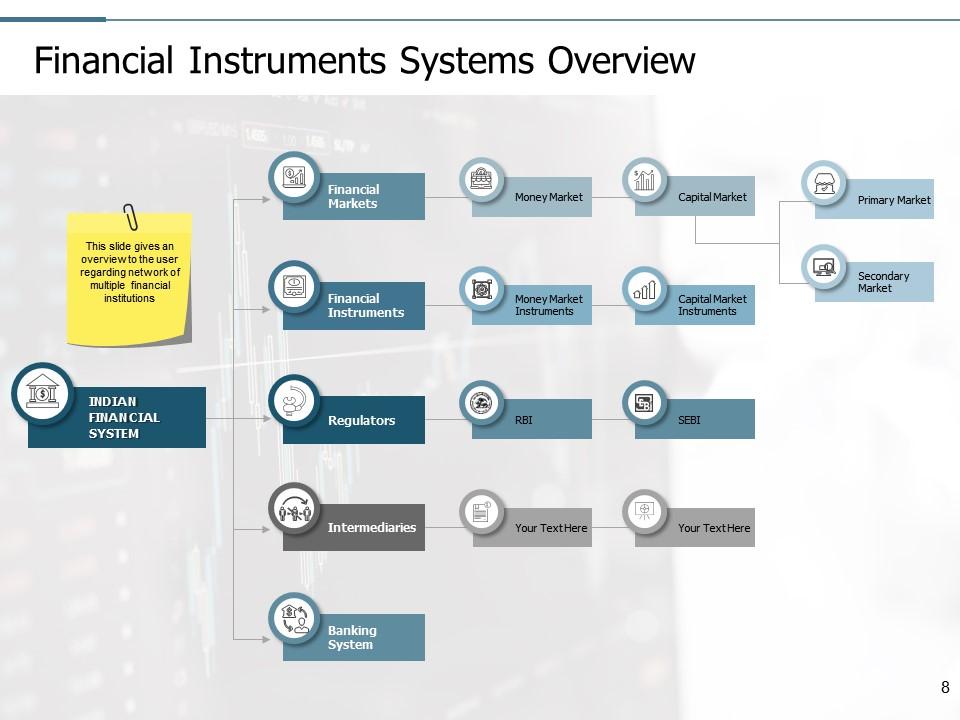
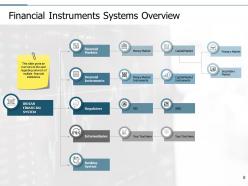
Slide 8: This slide represents Financial Instruments Systems Overview describing- Financial Instruments, Intermediaries, Banking System, Financial Markets, Regulators.
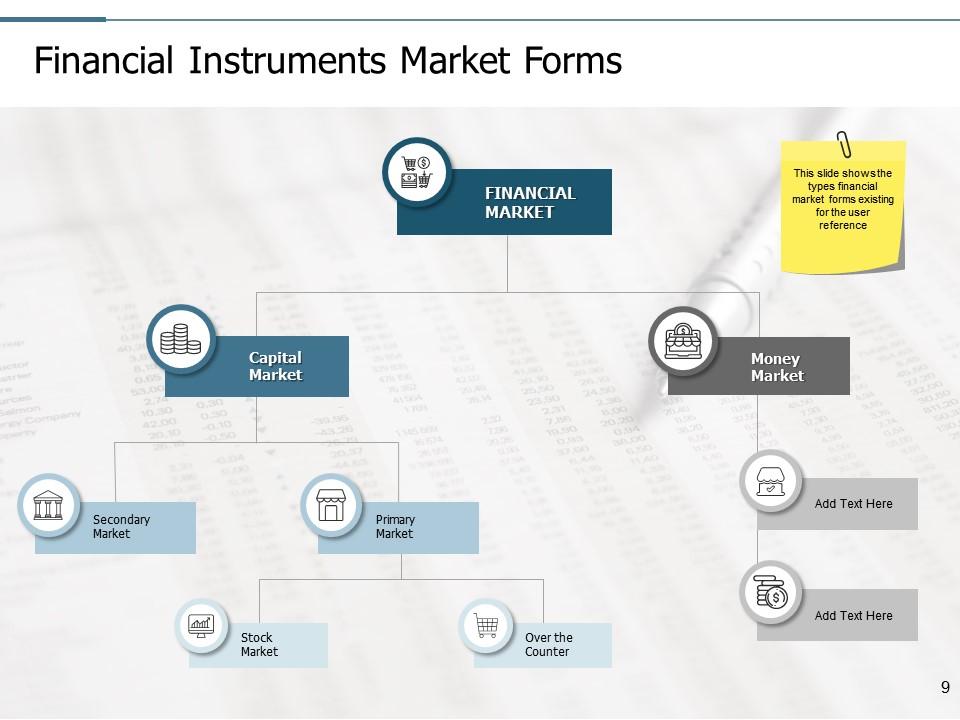
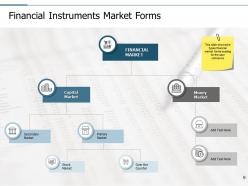
Slide 9: This slide showcases Financial Instruments Market Forms.
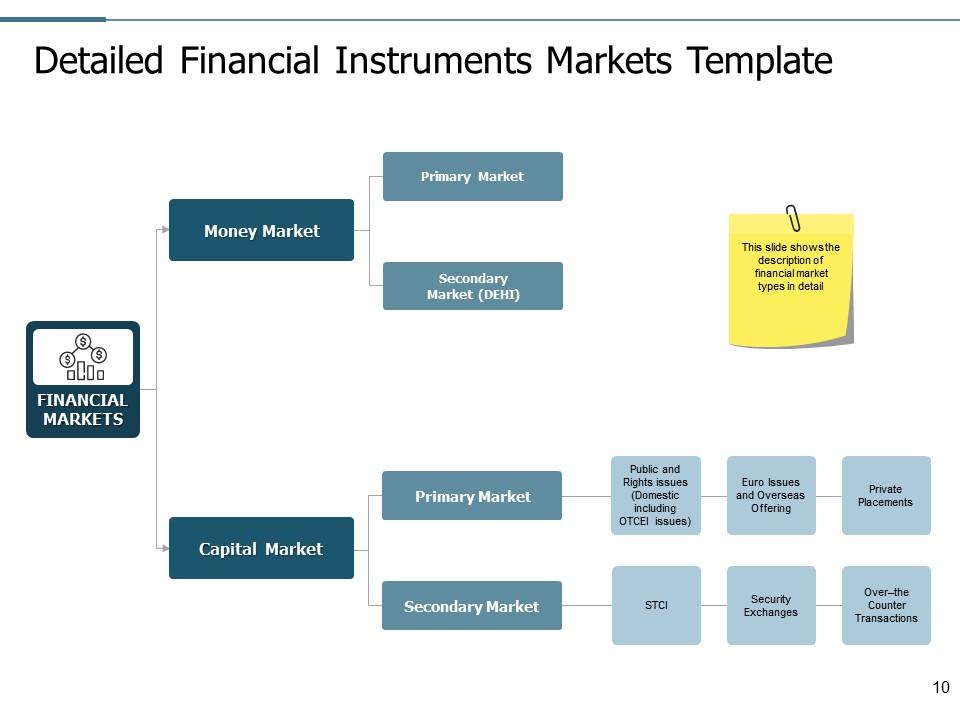
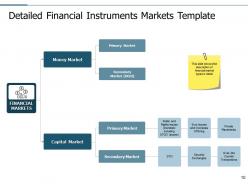
Slide 10: This slide presents Detailed Financial Instrument Markets Template.
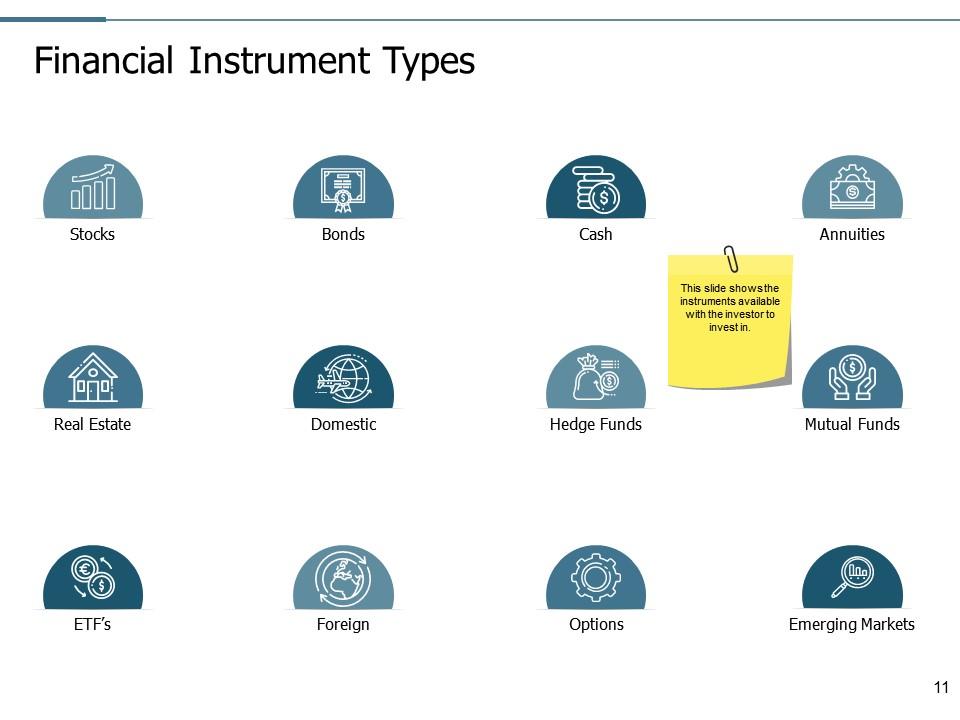
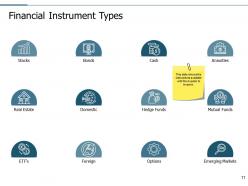
Slide 11: This slide shows the instruments available with the investor to invest in.
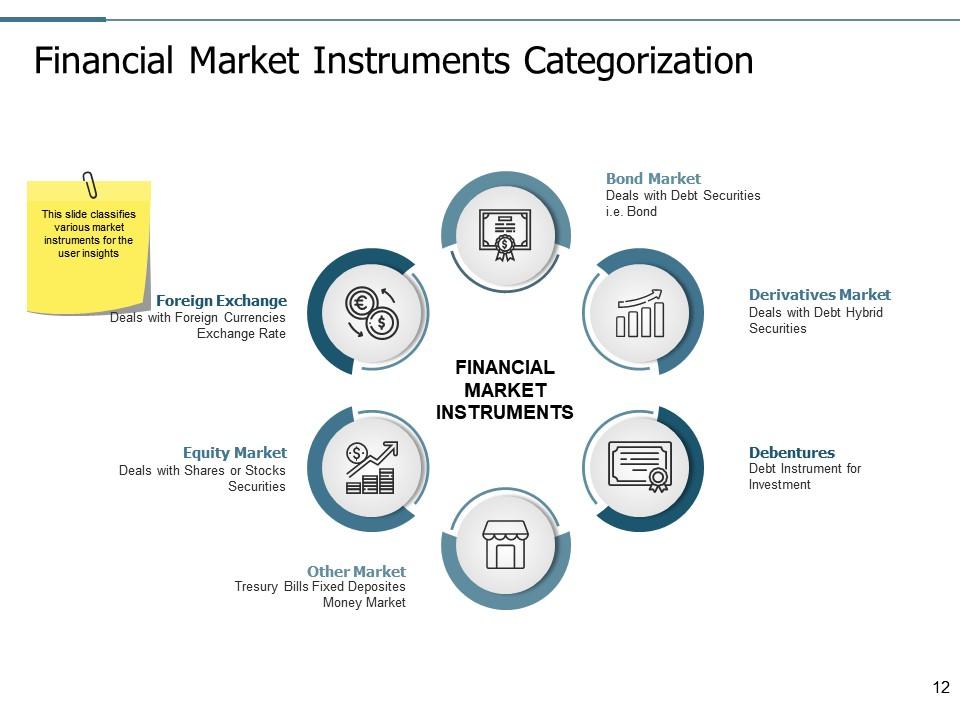
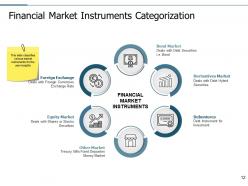
Slide 12: This slide displays Financial Market Instrument Categorization describing- Bond Market, Derivatives Market, Debentures, Other Market, Equity Market, Foreign Exchange.
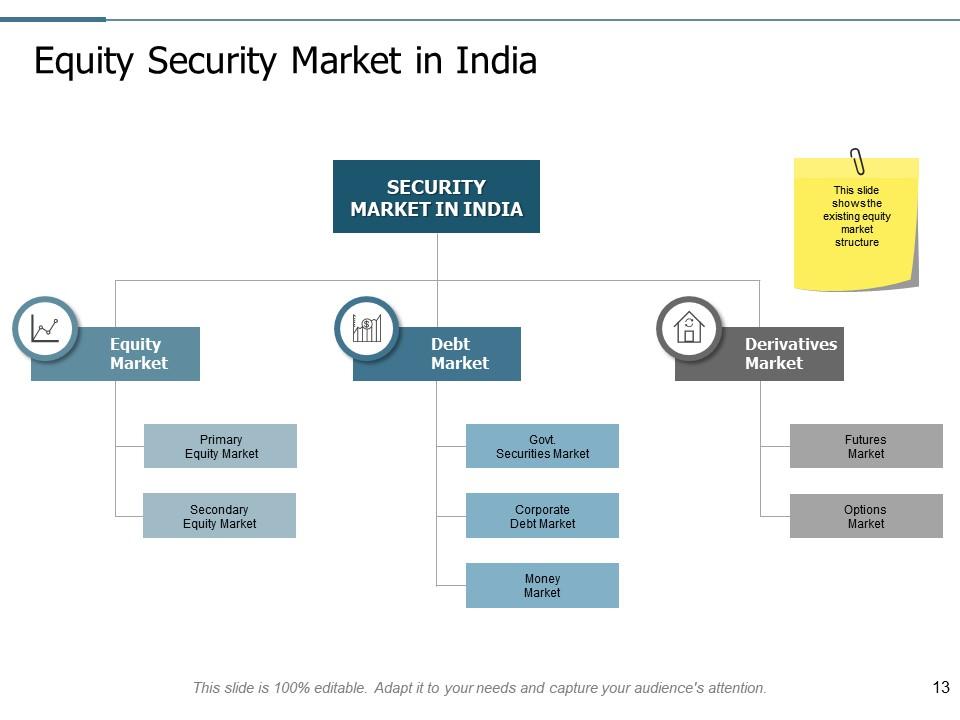
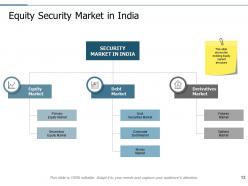
Slide 13: This slide showcases The Equity Security Market in India.
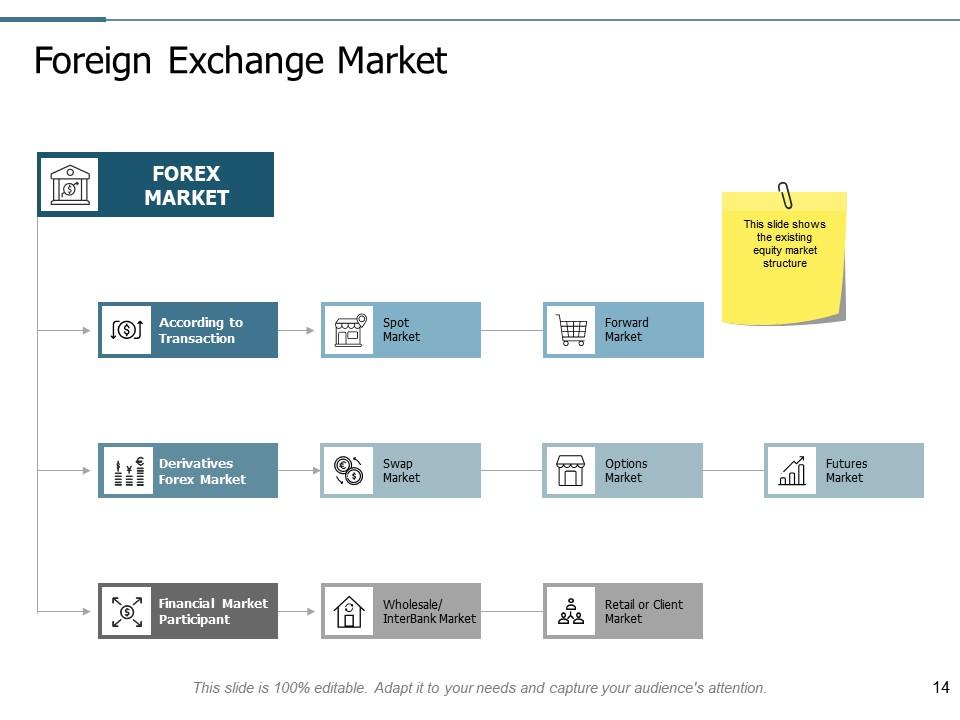
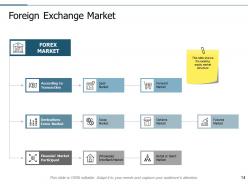
Slide 14: This slide shows the Foreign Exchange Market.
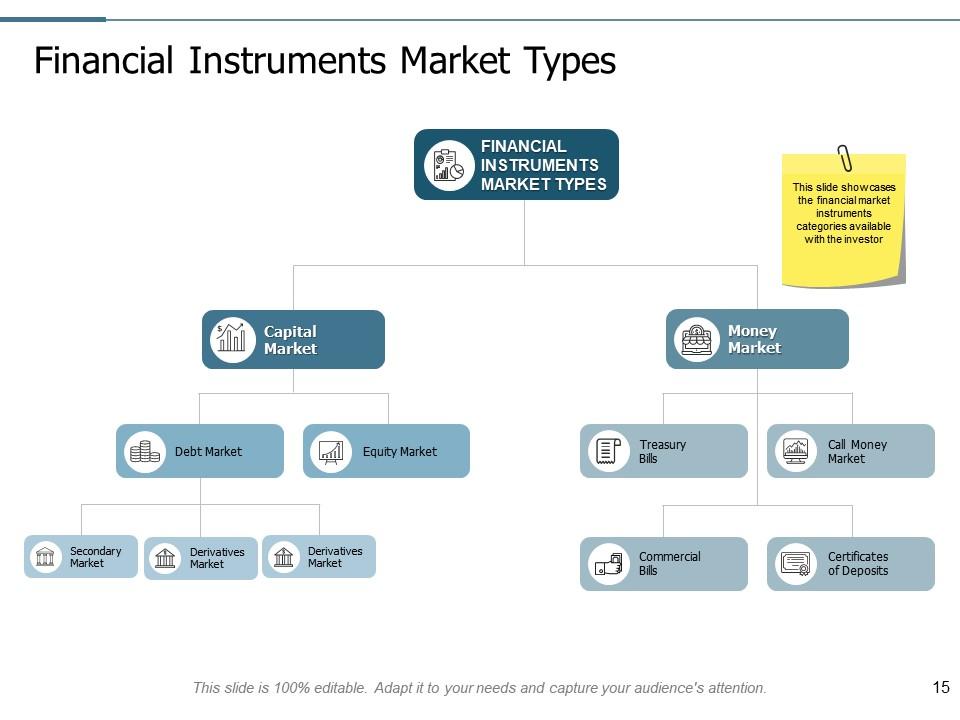
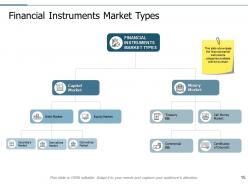
Slide 15: This slide showcases the financial market instrument categories available with the investor.
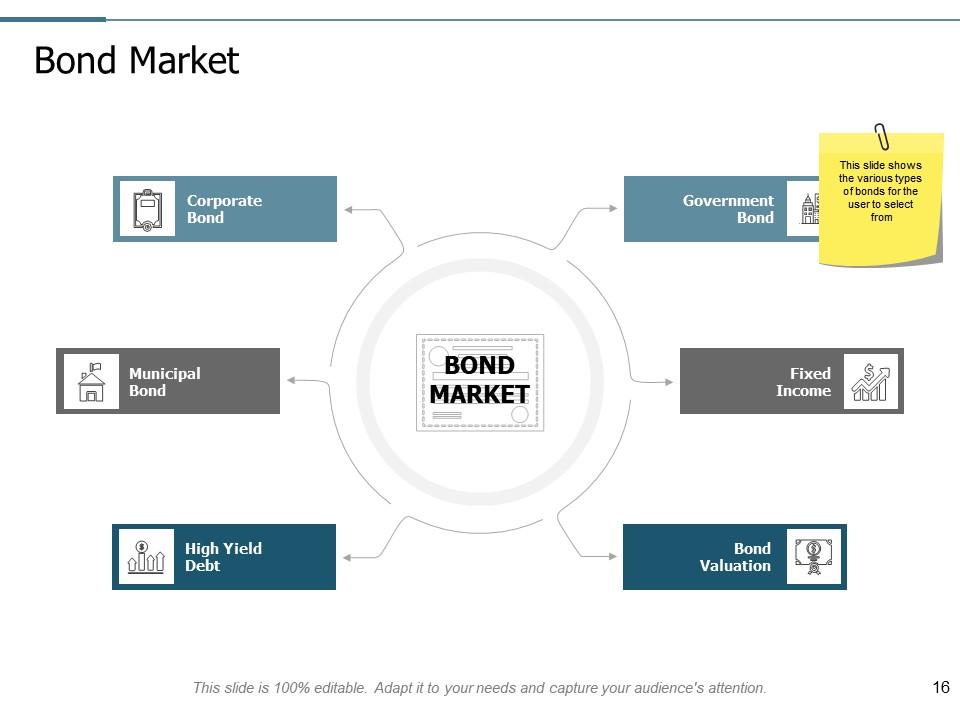
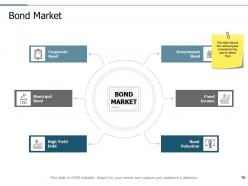
Slide 16: This slide shows Bond Market describing- High Yield Debt, Government Bond, Fixed Income, Bond Valuation, Municipal Bond, Corporate Bond.
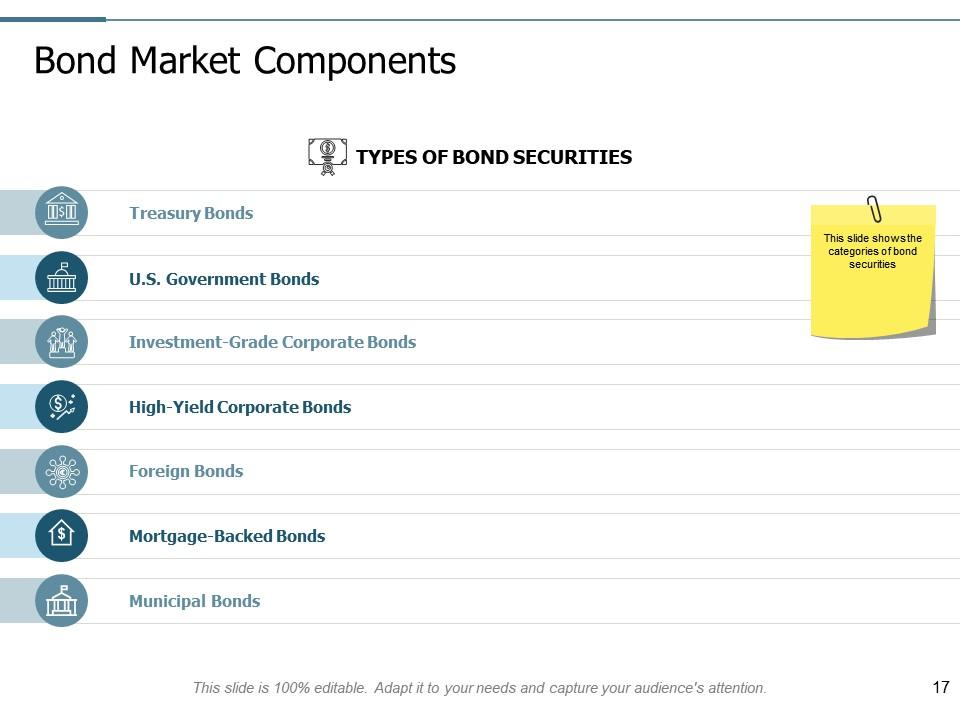
Slide 17: This slide shows Bond Market Components including- Treasury Bonds, U.S. Government Bonds, Investment-Grade Corporate Bonds, High-Yield Corporate Bonds, Foreign Bonds, Mortgage-Backed Bonds, Municipal Bonds.
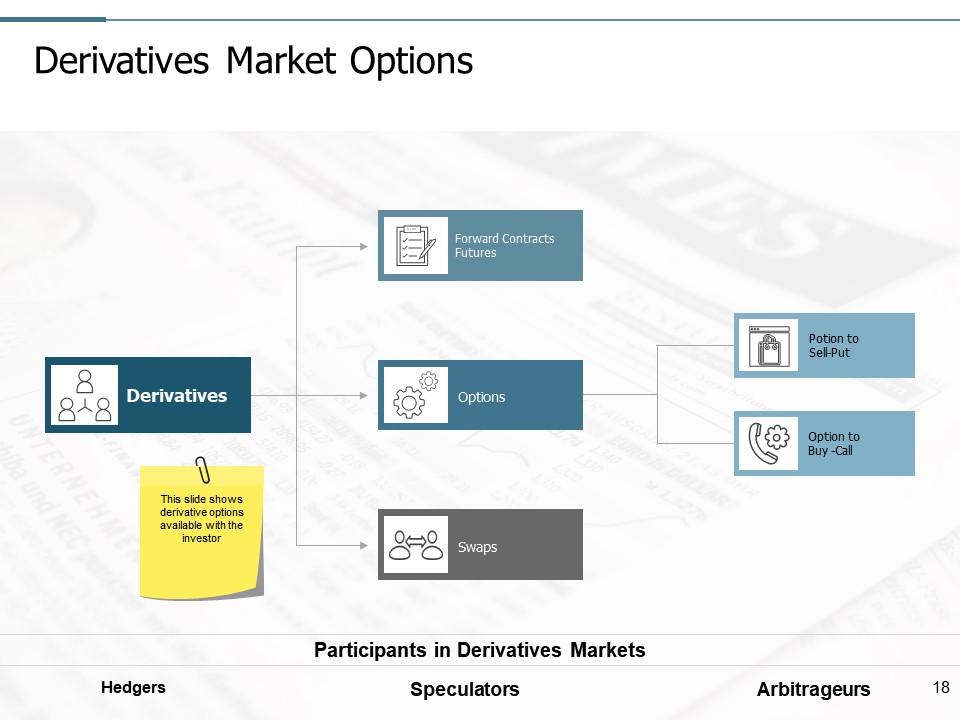
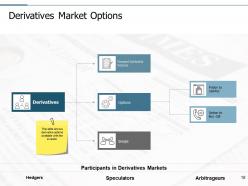
Slide 18: This slide presents Derivatives Market Options available with the investor.
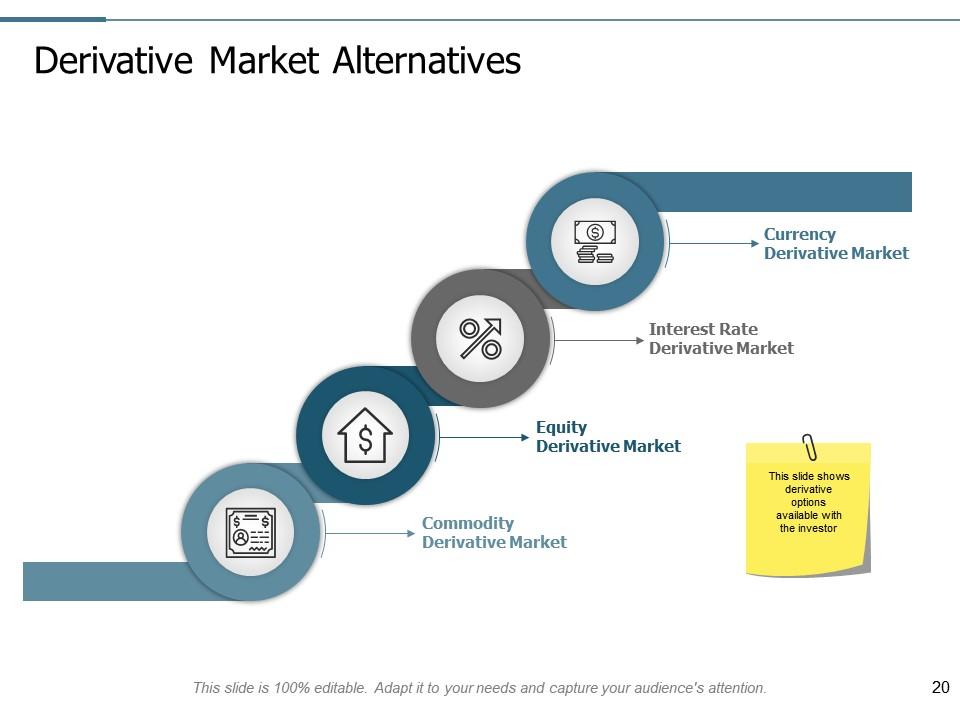
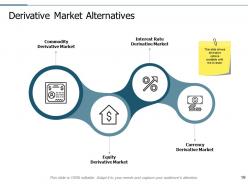
Slide 19: This slide displays Derivative Market Alternatives describing- Commodity Derivative Market, Equity Derivative Market, Interest Rate Derivative Market, Currency Derivative Market.
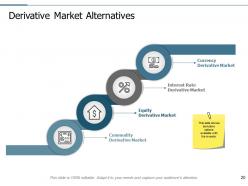
Slide 20: This is another slide on Derivative Market Alternatives.
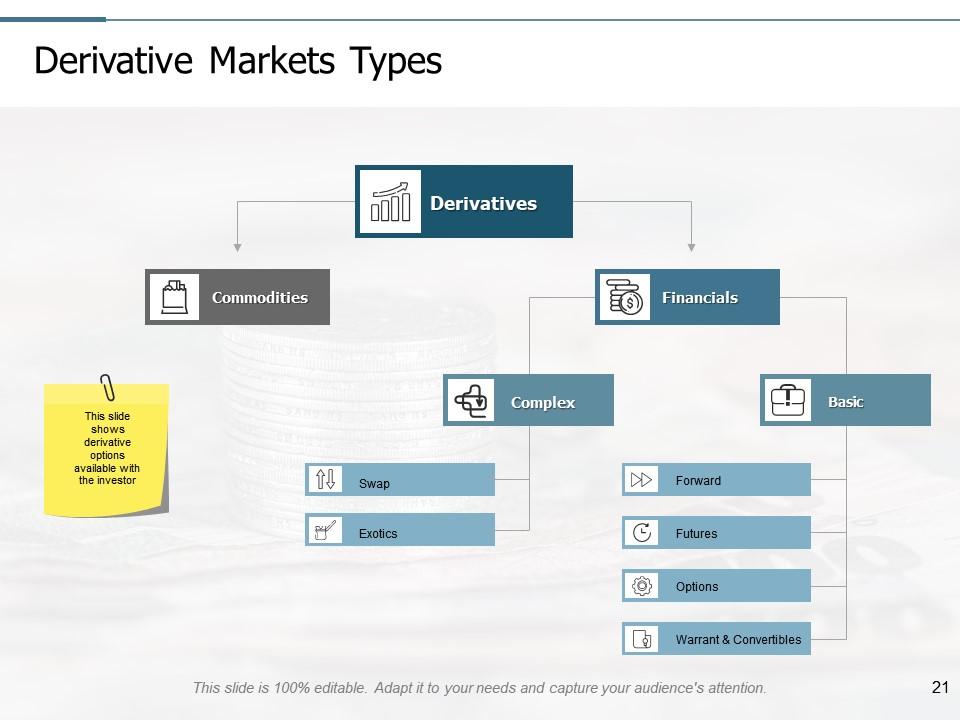
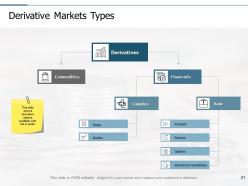
Slide 21: This slide represents Derivative Markets Types with related flow chart.
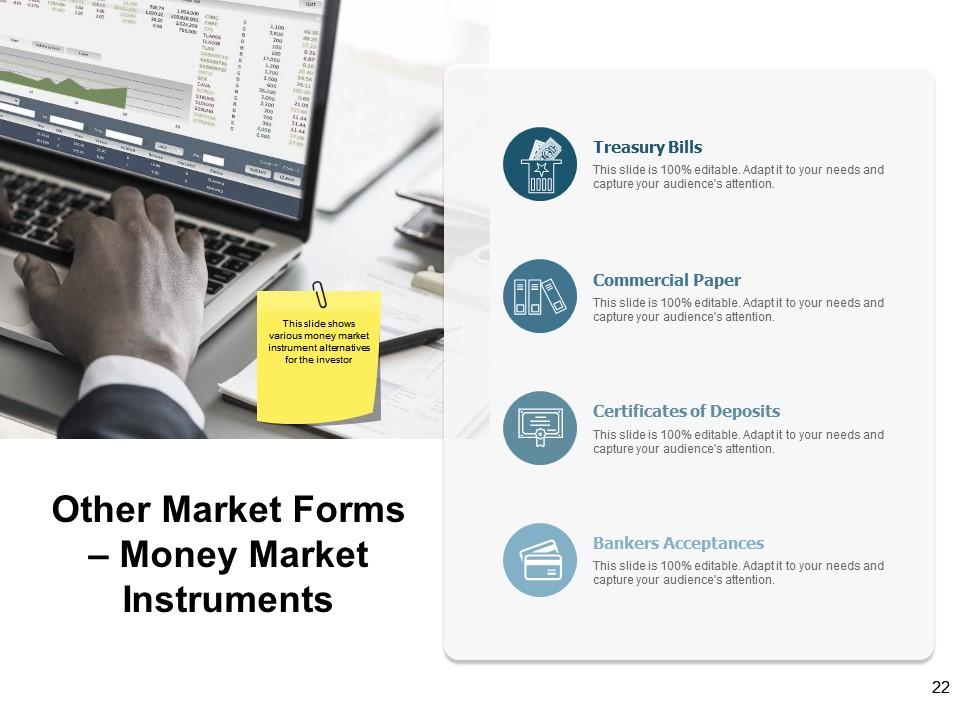
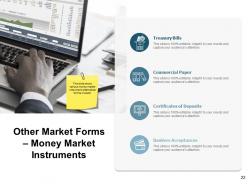
Slide 22: This slide showcases Other Market Forms – Money Market Instruments describing- Treasury Bills, Certificates of Deposits, Bankers Acceptances, Commercial Paper.
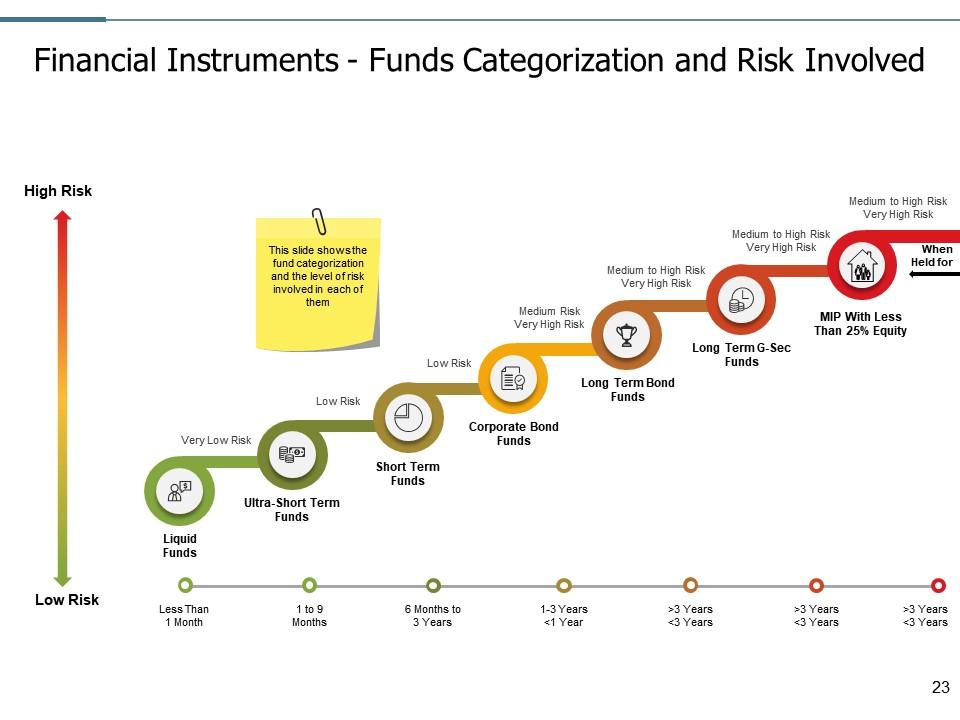
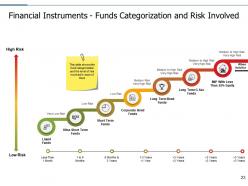
Slide 23: This slide shows Financial Instruments - Funds Categorization And Risk Involved.
Slide 24: This slide displays Financial Market Instruments Icons.
Slide 25: This slide is titled as Additional Slides for moving forward.
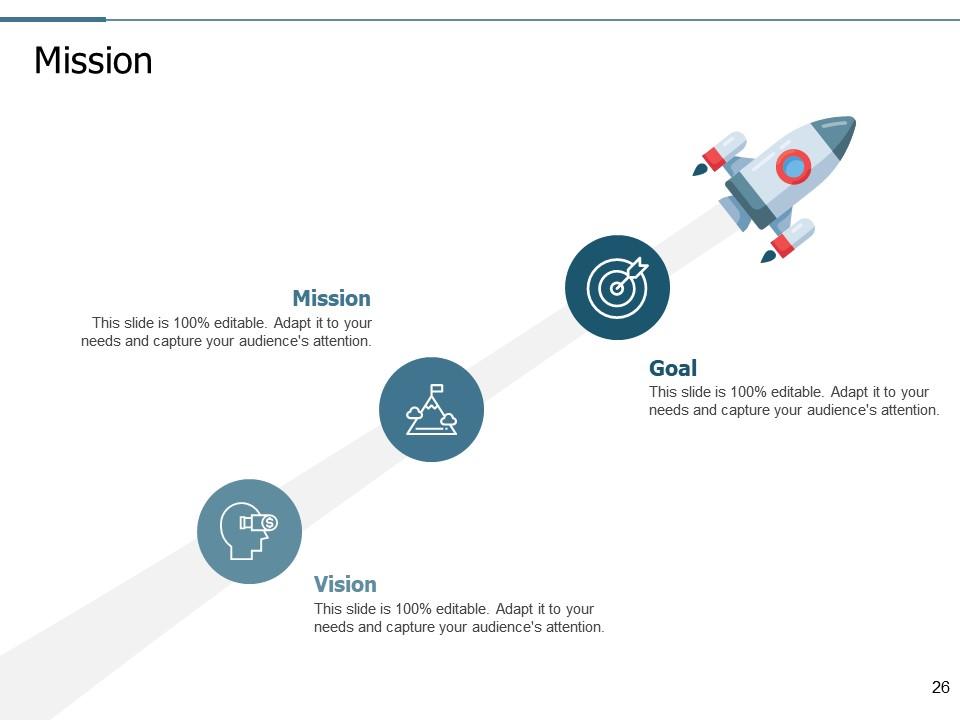
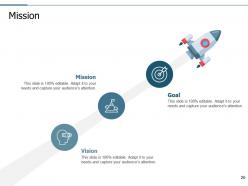
Slide 26: This is a Mission slide with related imagery and text.
Slide 27: This is Our Team slide with names and designation.
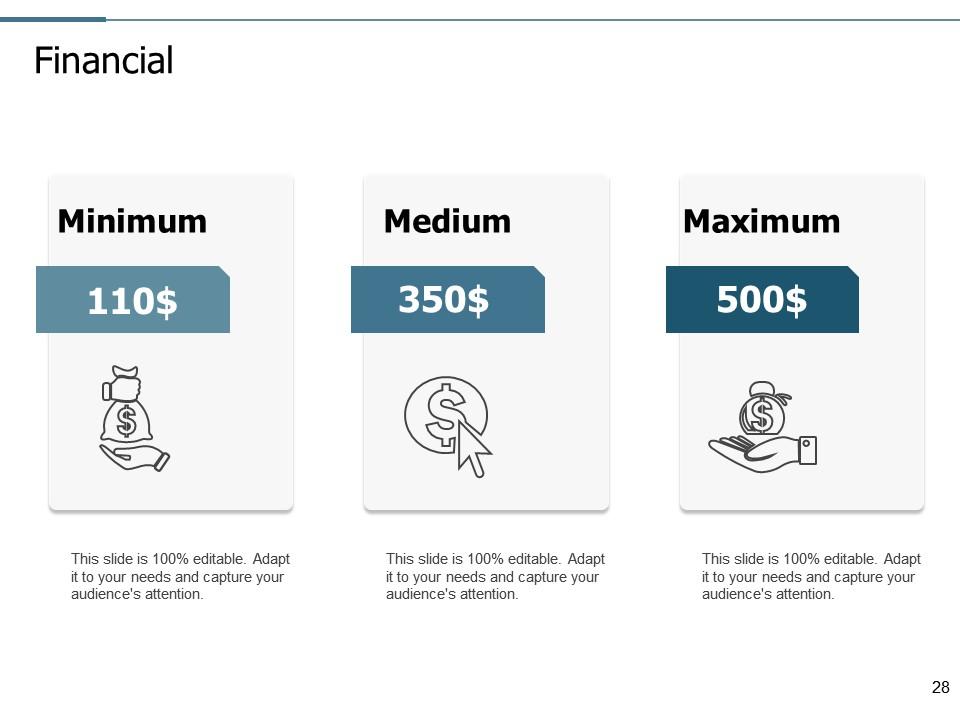
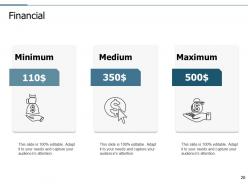
Slide 28: This is a Financial slide. Show your finance related stuff here.
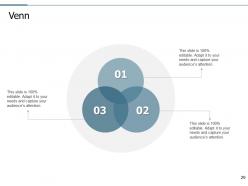
Slide 29: This is a Venn slide with text boxes.
Slide 30: This is About Us slide to show company specifications etc.
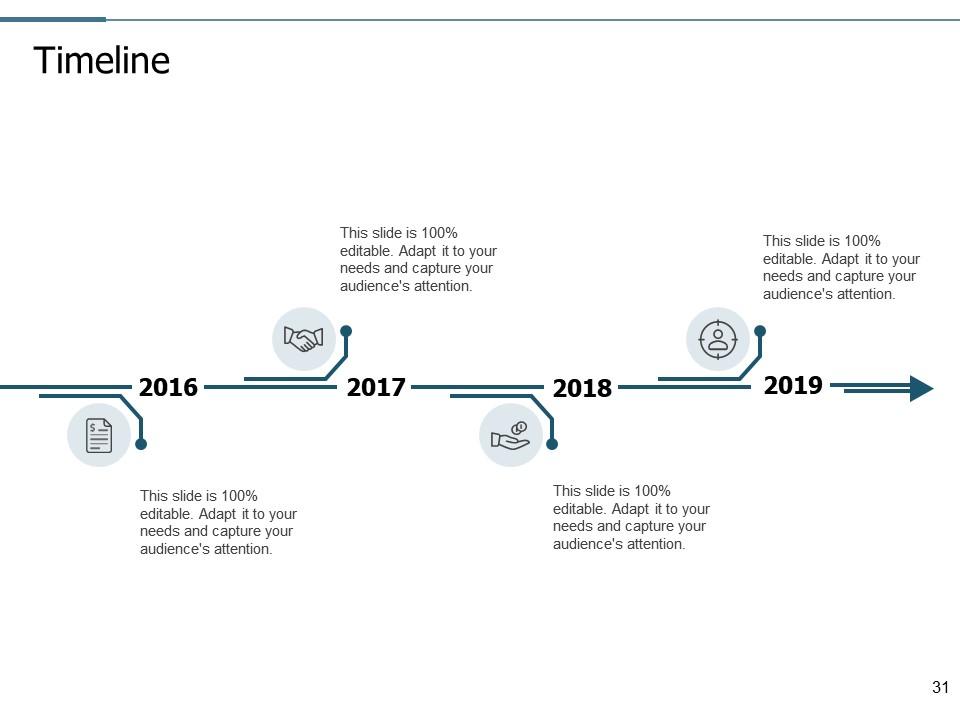
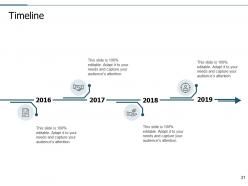
Slide 31: This is a Timeline slide to show information related with time period.
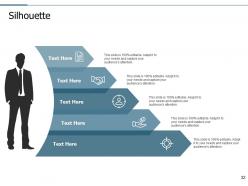
Slide 32: This is a Silhouette slide to show people specific information etc.
Slide 33: This is a Puzzle slide with text boxes.
Slide 34: This slide shows Magnifying Glass to highlight information, specifications etc.
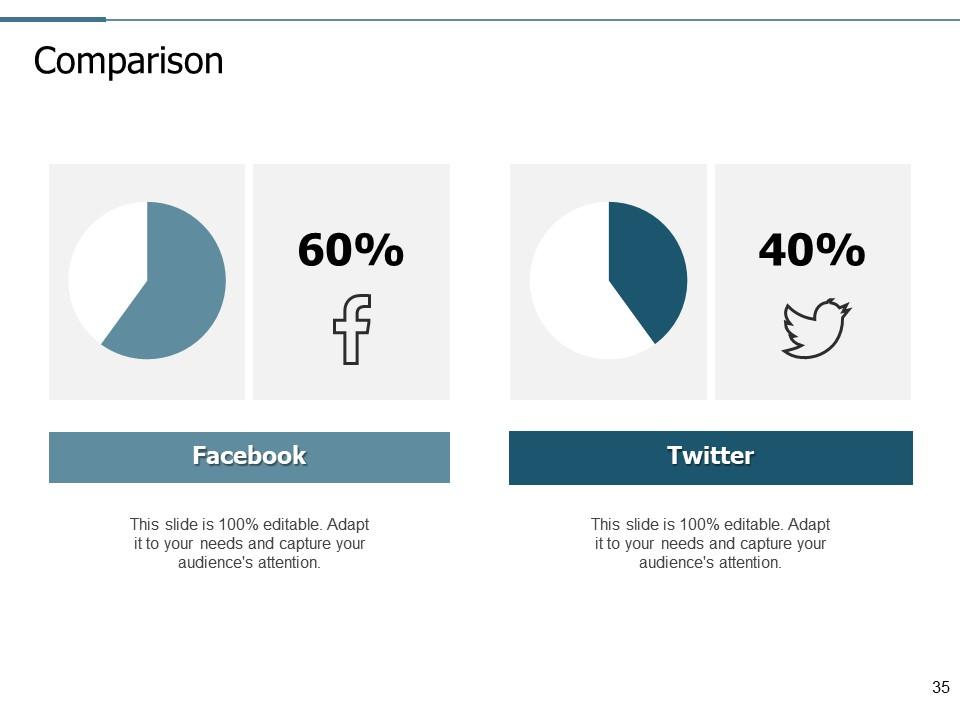
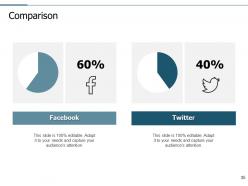
Slide 35: This is a Comparison slide to state comparison between commodities, entities etc.
Slide 36: This slide shows Mind Map for representing entities.
Slide 37: This is a Thank You slide with address, contact numbers and email address.
Financial Market Instruments Powerpoint Presentation Slides with all 37 slides:
Use our Financial Market Instruments Powerpoint Presentation Slides to effectively help you save your valuable time. They are readymade to fit into any presentation structure.
-
Graphics are very appealing to eyes.
-
Enough space for editing and adding your own content.
