


Internet Of Things IOT Ecosystem Frameworks And Best Practices Powerpoint Presentation Slides
The world of IoT is growing at an alarming rate, and if your business isn’t preparing for it, you will be left behind. That’s why we want to make sure you have everything you need to get started. Download our Internet of things iot ecosystem frameworks and best practices powerpoint presentation slides now. These templates are packed with information on all aspects of the IoT landscape, from devices and data collection to security and analytics. We also include real-world case studies to help you see how other businesses are using IoT to their advantage. So get ahead of the competition and download our free Internet of Things Template today.
The world of IoT is growing at an alarming rate, and if your business isn’t preparing for it, you will be left behind. That..













-

- Google Slides is a new FREE Presentation software from Google.
- All our content is 100% compatible with Google Slides.
- Just download our designs, and upload them to Google Slides and they will work automatically.
- Amaze your audience with SlideTeam and Google Slides.
-

Want Changes to This PPT Slide? Check out our Presentation Design Services
-

- WideScreen Aspect ratio is becoming a very popular format. When you download this product, the downloaded ZIP will contain this product in both standard and widescreen format.
-

- Some older products that we have may only be in standard format, but they can easily be converted to widescreen.
- To do this, please open the SlideTeam product in Powerpoint, and go to
- Design ( On the top bar) -> Page Setup -> and select "On-screen Show (16:9)” in the drop down for "Slides Sized for".
- The slide or theme will change to widescreen, and all graphics will adjust automatically. You can similarly convert our content to any other desired screen aspect ratio.
Compatible With Google Slides

Get This In WideScreen
You must be logged in to download this presentation.


Do you want to remove this product from your favourites?
PowerPoint presentation slides
Presenting the Internet Of Things IoT Ecosystem Frameworks And Best Practices Powerpoint Presentation Slides. The presentation is completely editable in PowerPoint and other office software. Alter the font type, size, diagram color, background color, etc. The template is also compatible with Google Slides and can be converted to multiple image formats such as JPEG, PNG or document formats such as PDF without any difficulty.

People who downloaded this PowerPoint presentation also viewed the following :
Content of this Powerpoint Presentation
Slide 1: This slide introduces Internet Of Things IOT Ecosystem Frameworks And Best Practices.
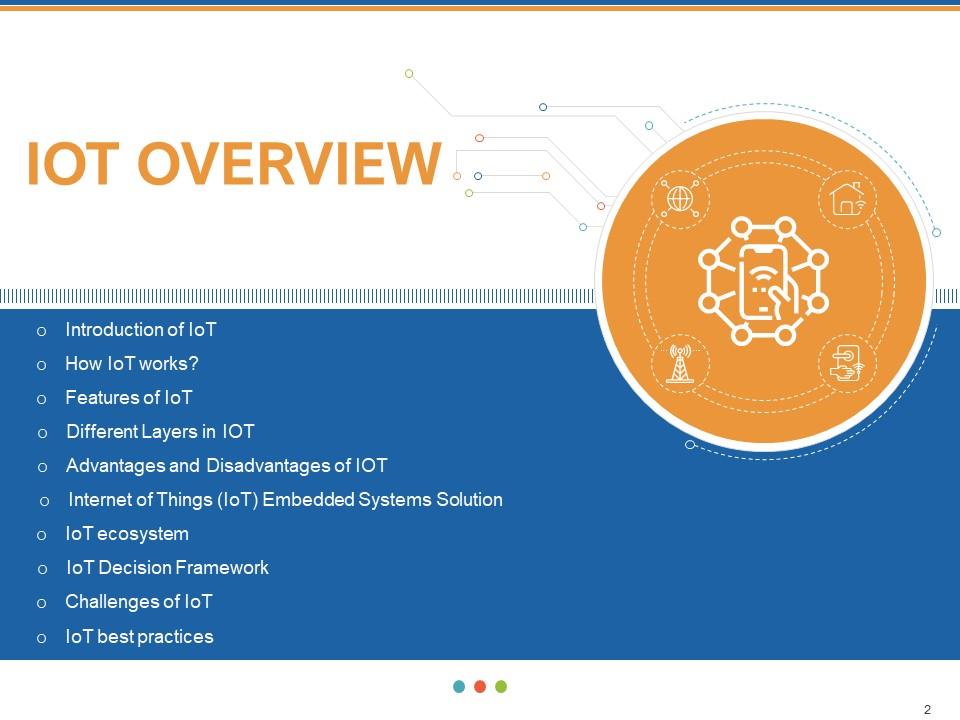
Slide 2: This slide shows IOT OVERVIEW
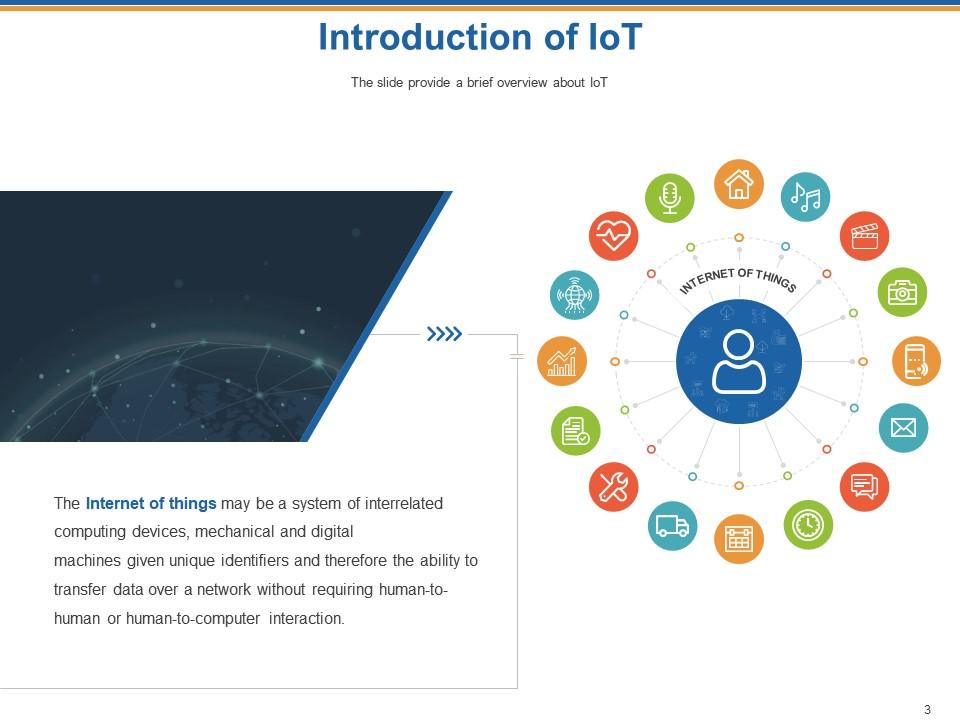
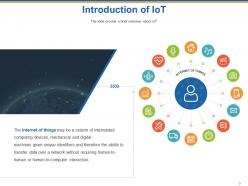
Slide 3: The slide provide a brief overview about IoT.
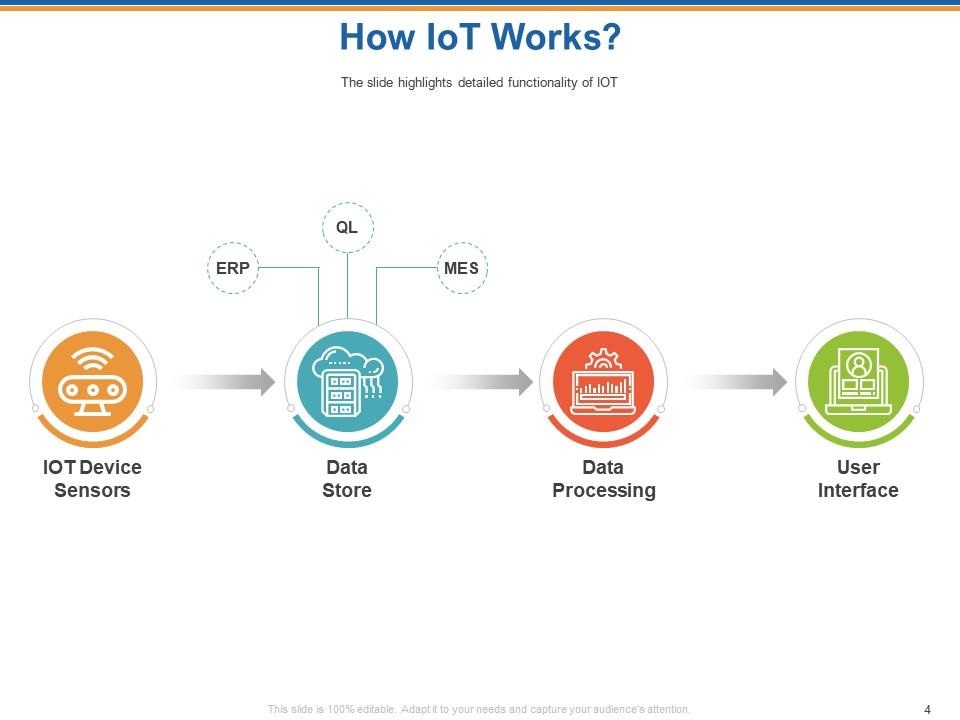
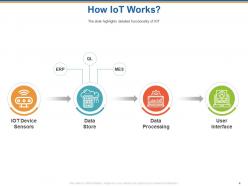
Slide 4: The slide highlights detailed functionality of IOT.
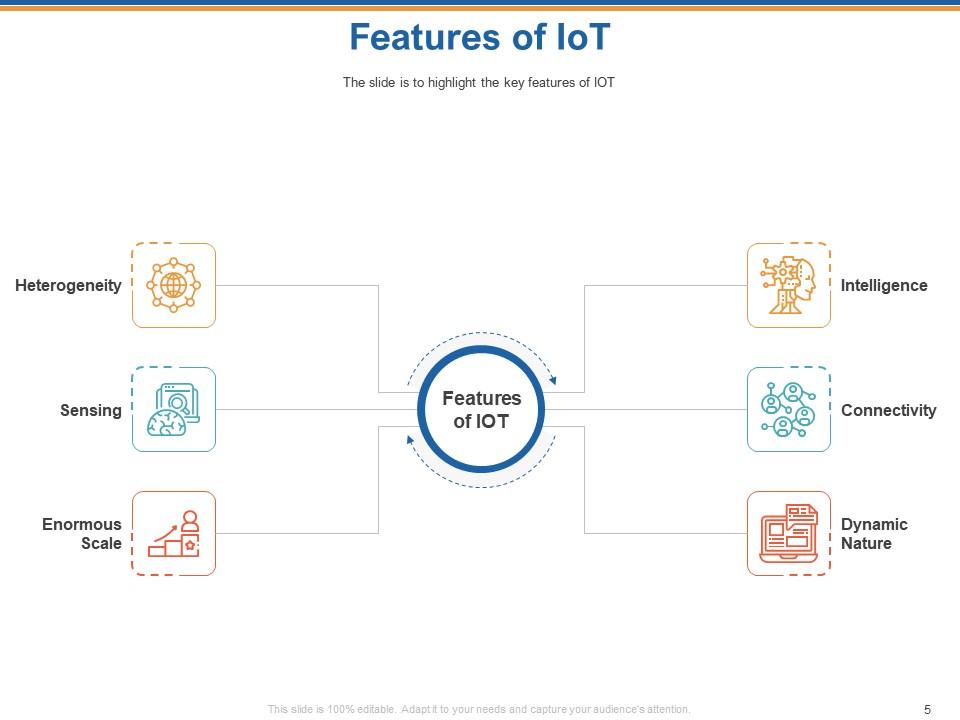
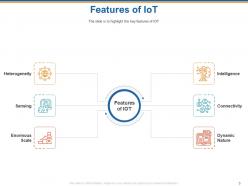
Slide 5: The slide is to highlight the key features of IOT
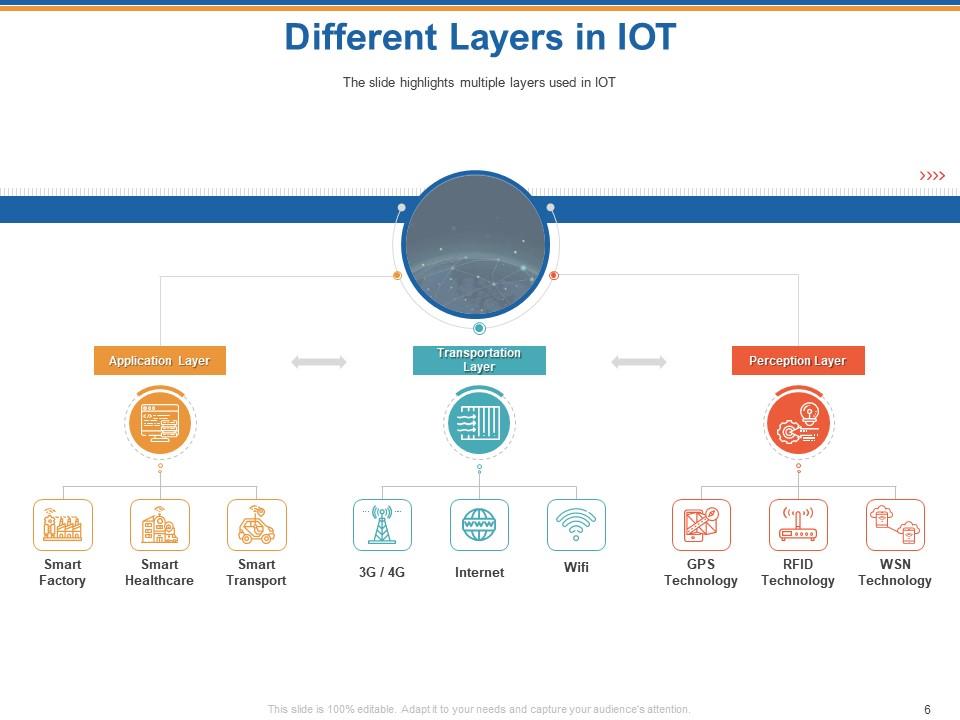
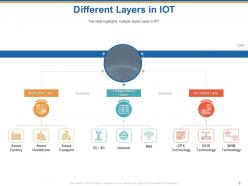
Slide 6: The slide highlights multiple layers used in IOT.
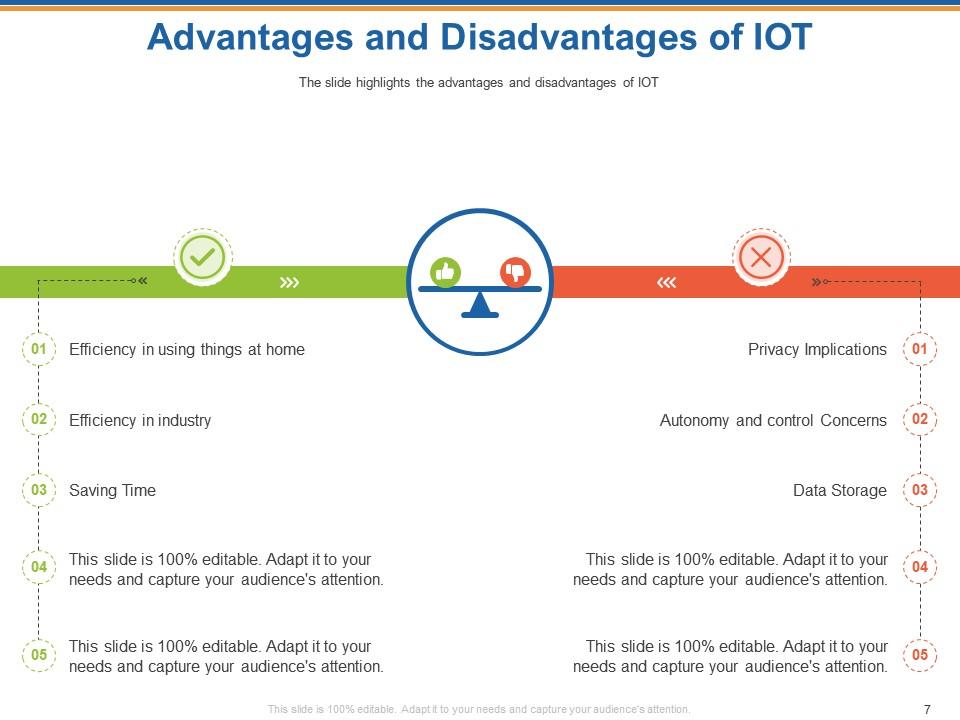
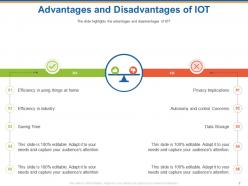
Slide 7: The slide highlights the advantages and disadvantages of IOT
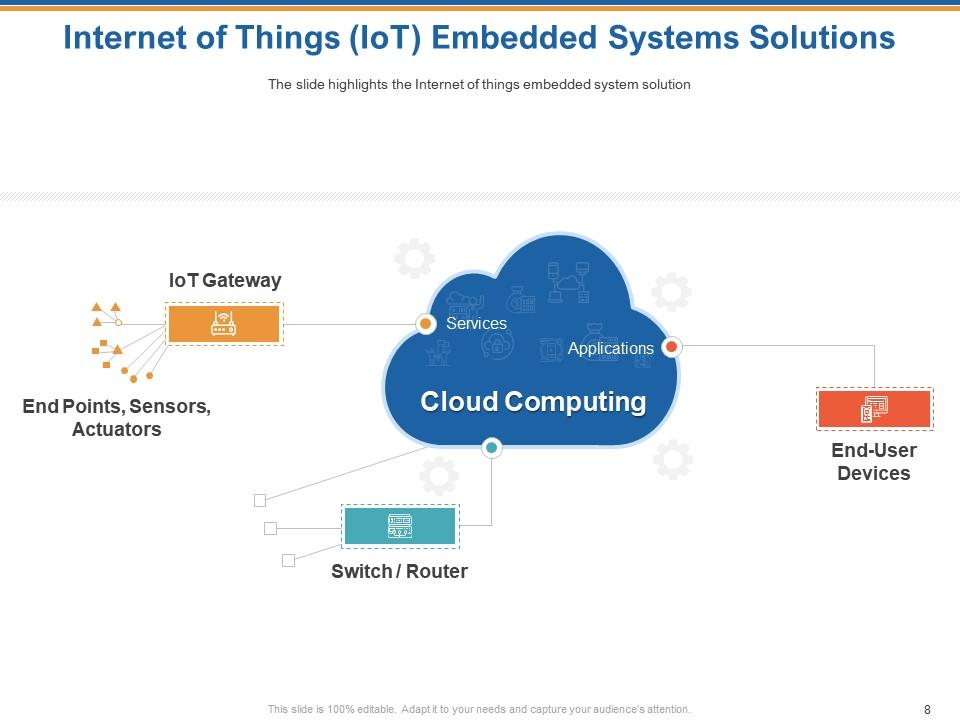
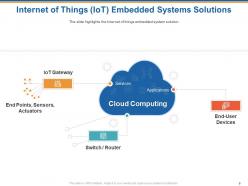
Slide 8: The slide highlights the Internet of things embedded system solution
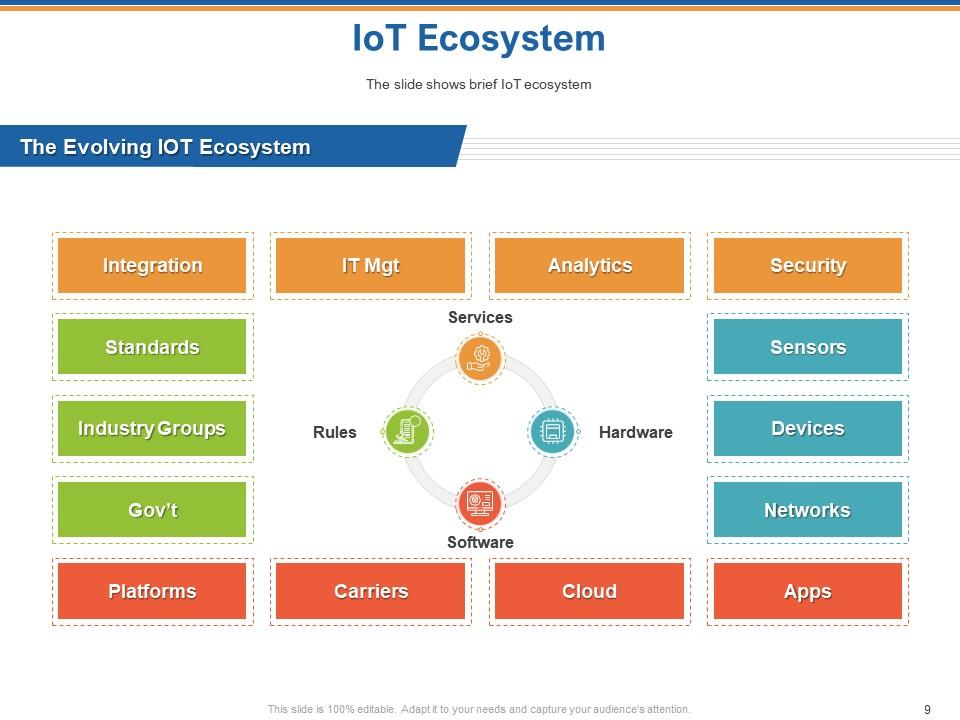
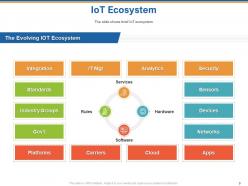
Slide 9: The slide shows brief IoT ecosystem.
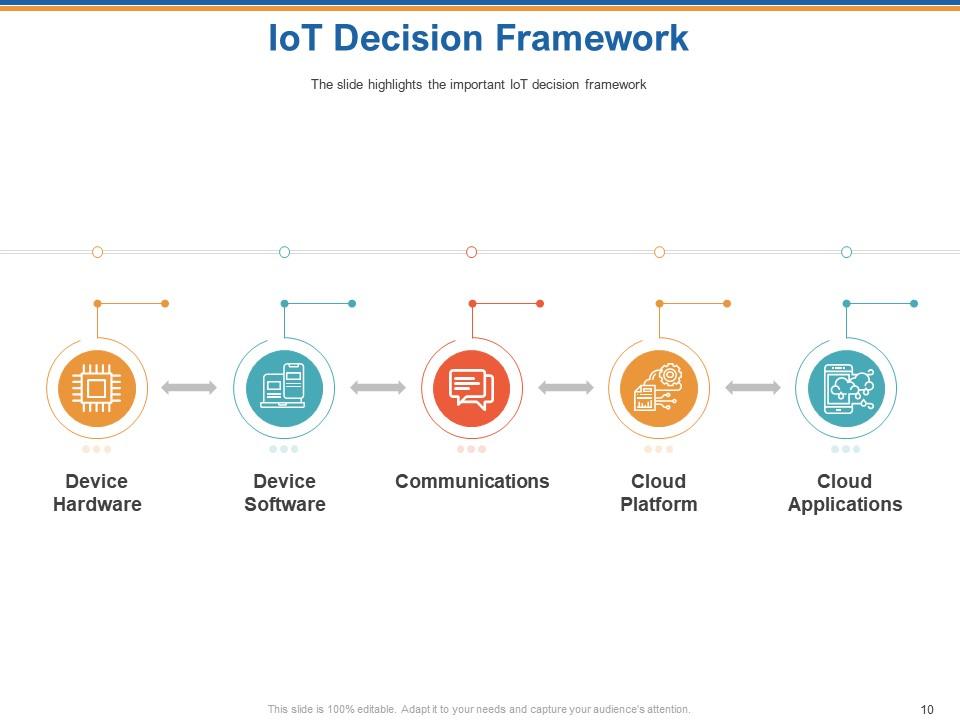
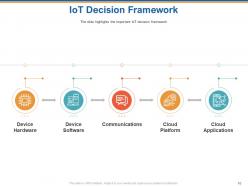
Slide 10: The slide highlights the important IoT decision framework
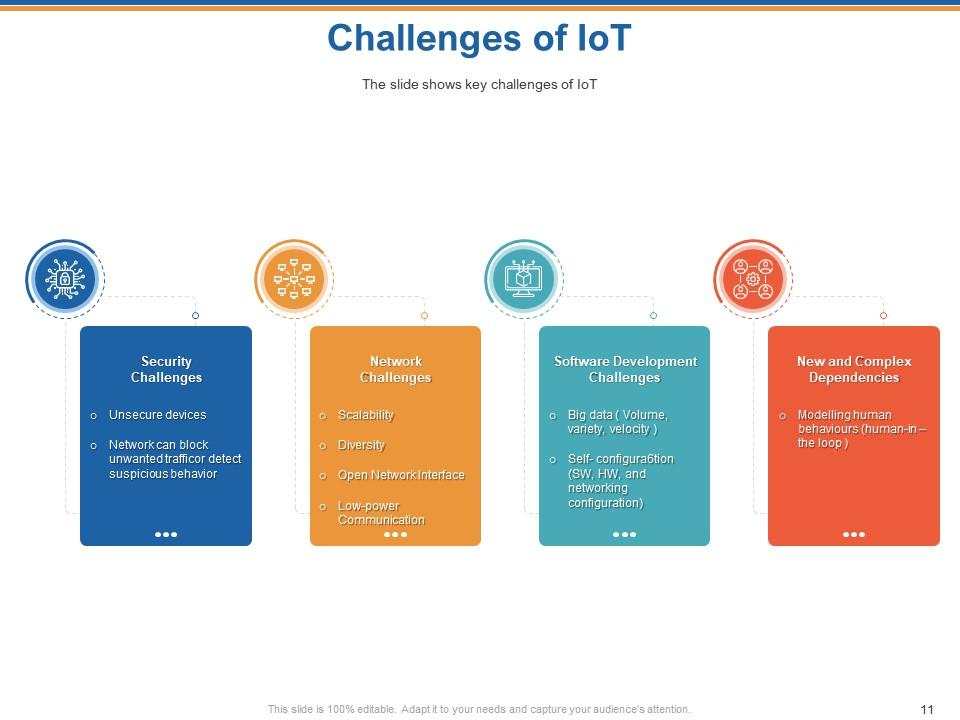
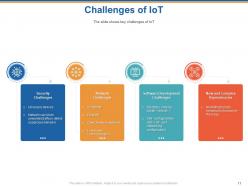
Slide 11: The slide shows key challenges of IoT
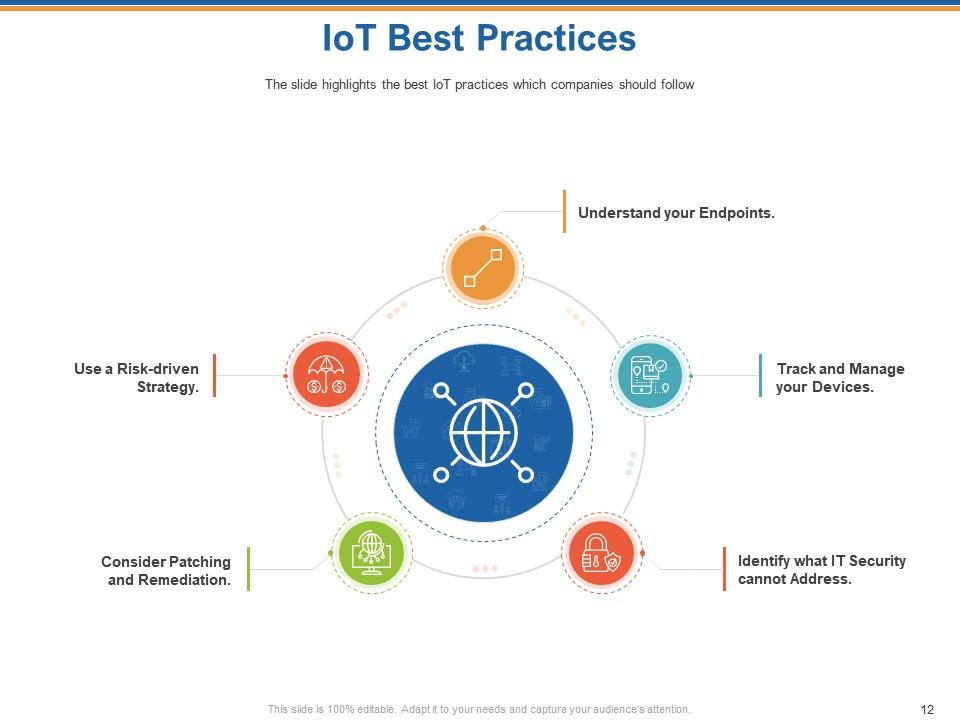
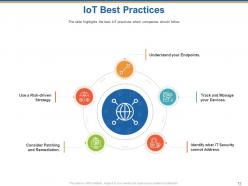
Slide 12: The slide highlights the best IoT practices which companies should follow
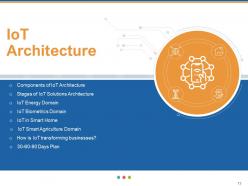
Slide 13: This slide displays IoT Architecture
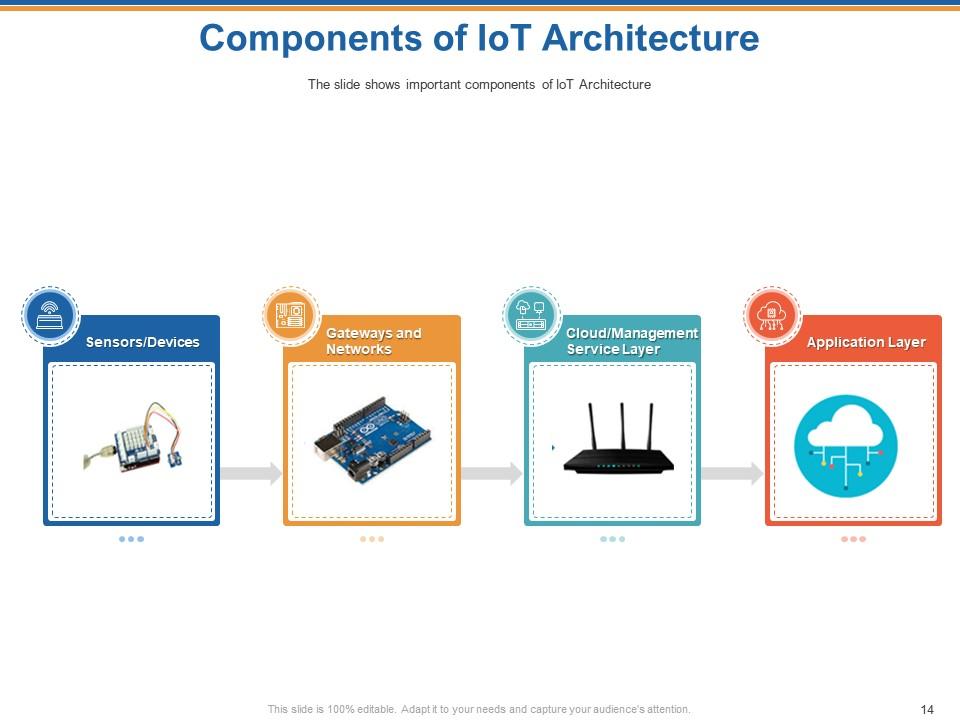
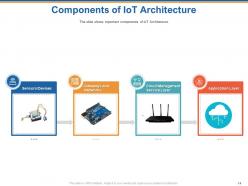
Slide 14: The slide shows important components of IoT Architecture
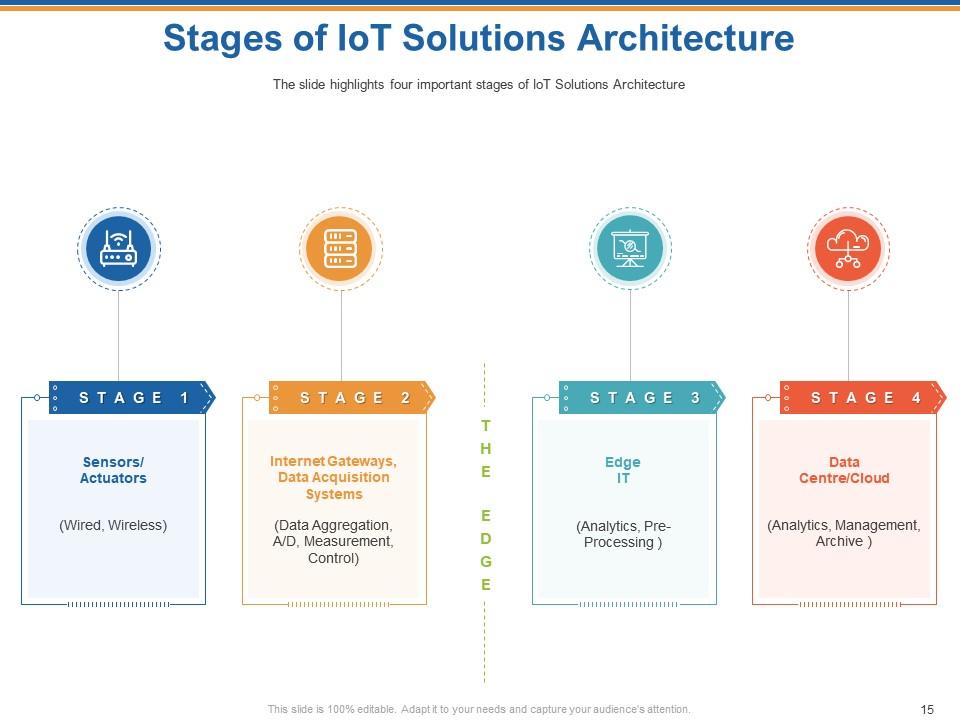
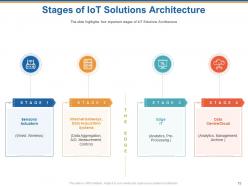
Slide 15: The slide highlights four important stages of IoT Solutions Architecture.
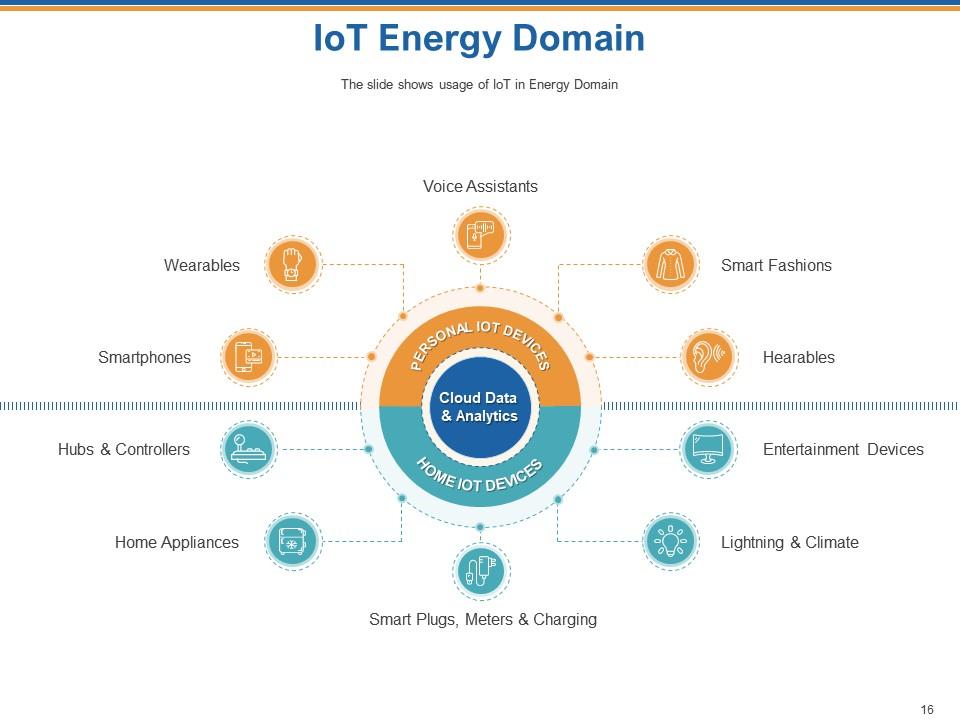
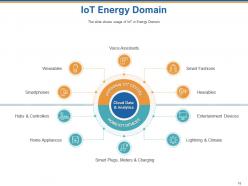
Slide 16: This slide showcases IoT Energy Domain.
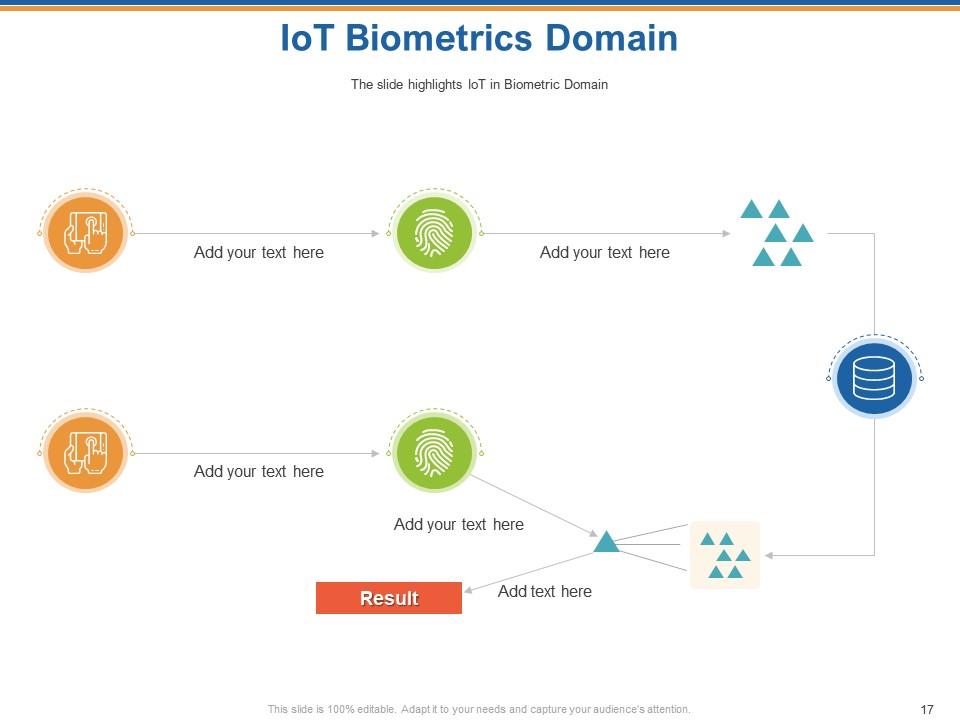
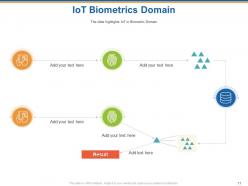
Slide 17: The slide highlights IoT in Biometric Domain
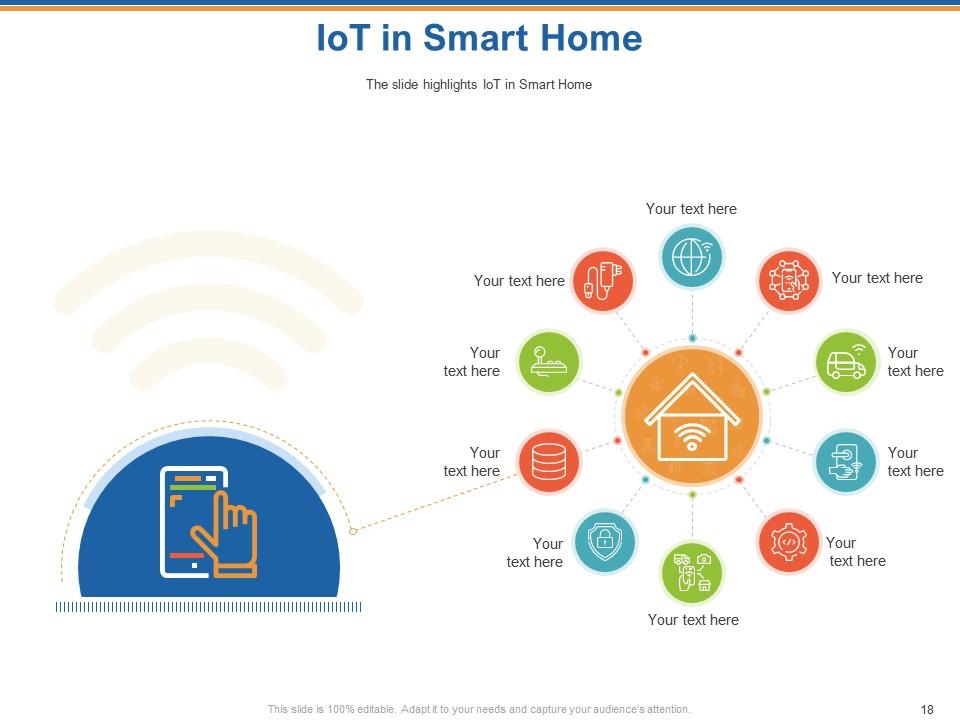
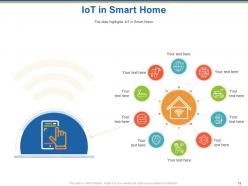
Slide 18: The slide highlights IoT in Smart Home
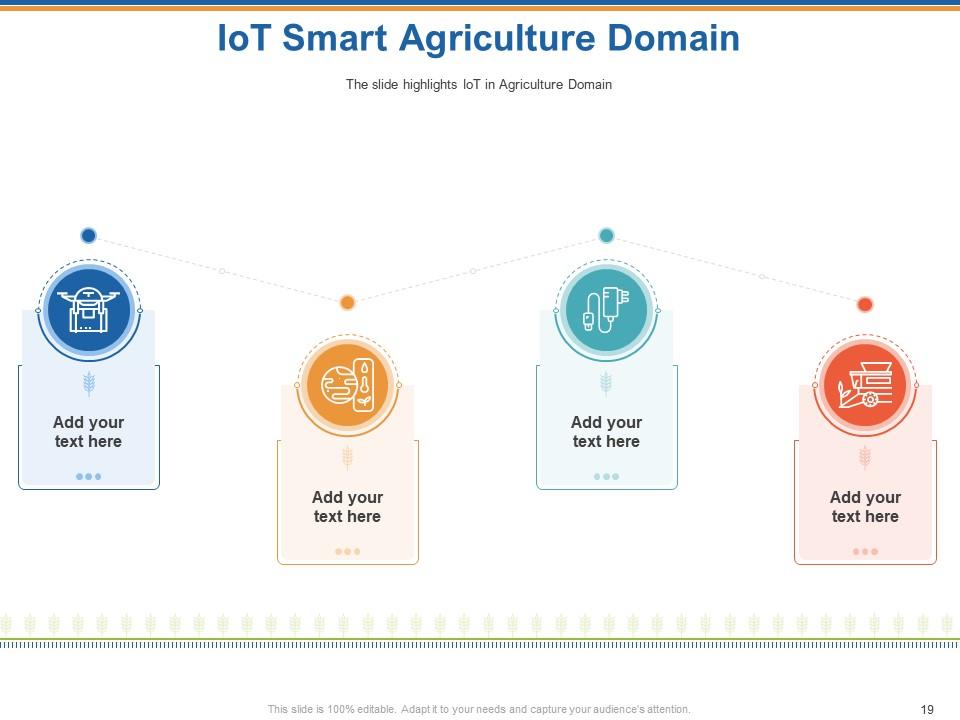
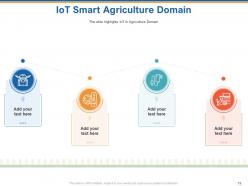
Slide 19: The slide highlights IoT in Agriculture Domain
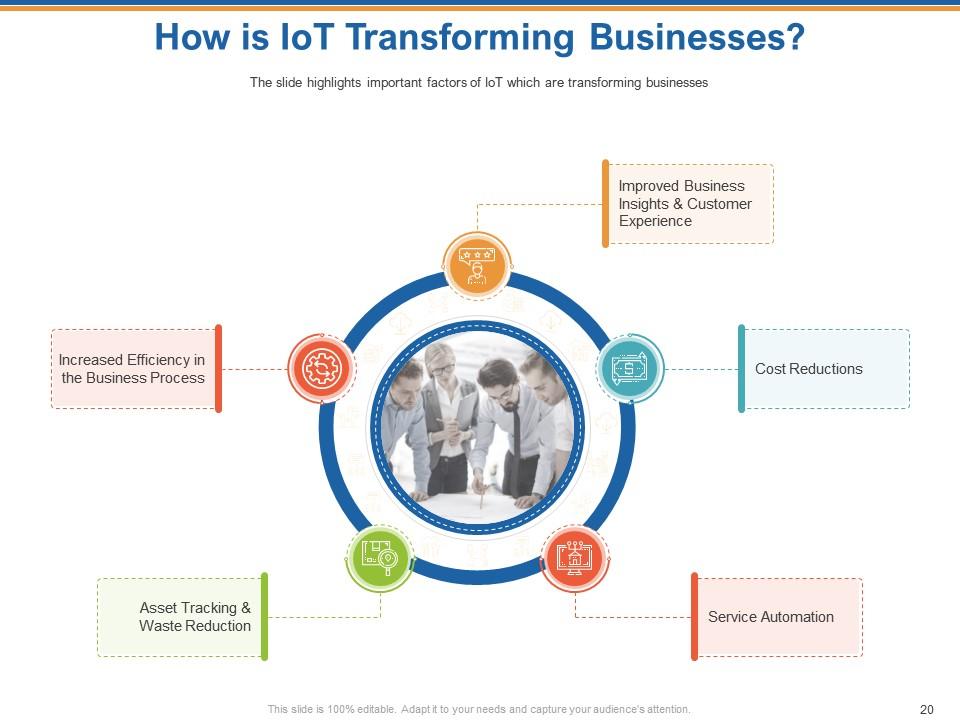
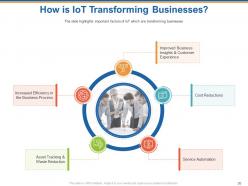
Slide 20: The slide highlights important factors of IoT which are transforming businesses
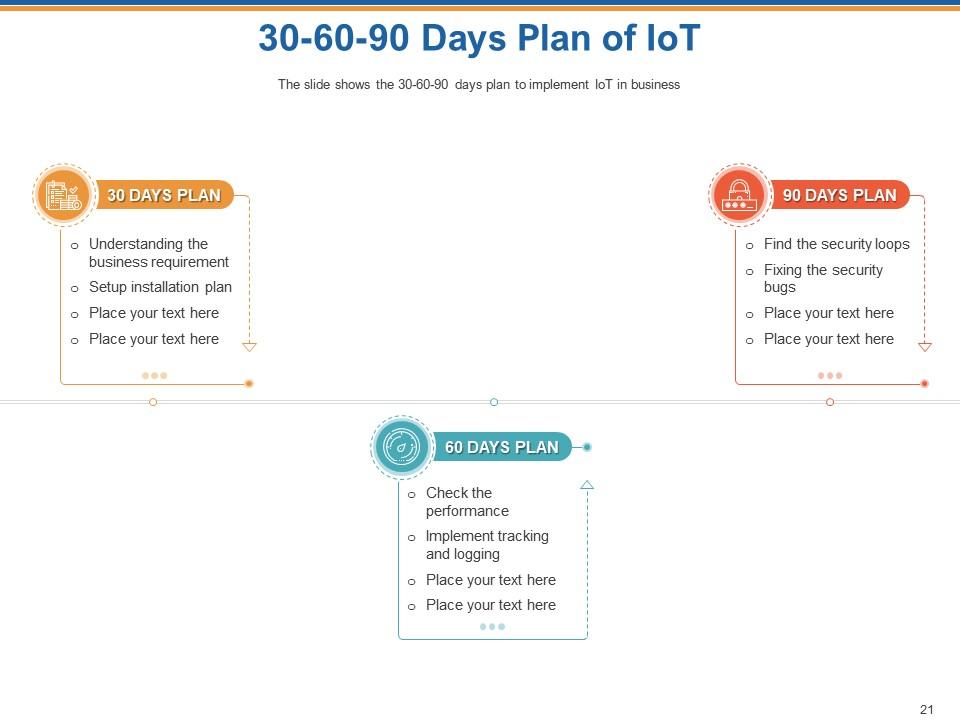
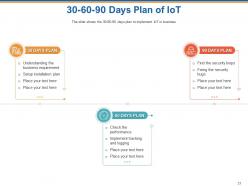
Slide 21: The slide shows the 30-60-90 days plan to implement IoT in business.
Slide 22: This slide shows IOT Devices
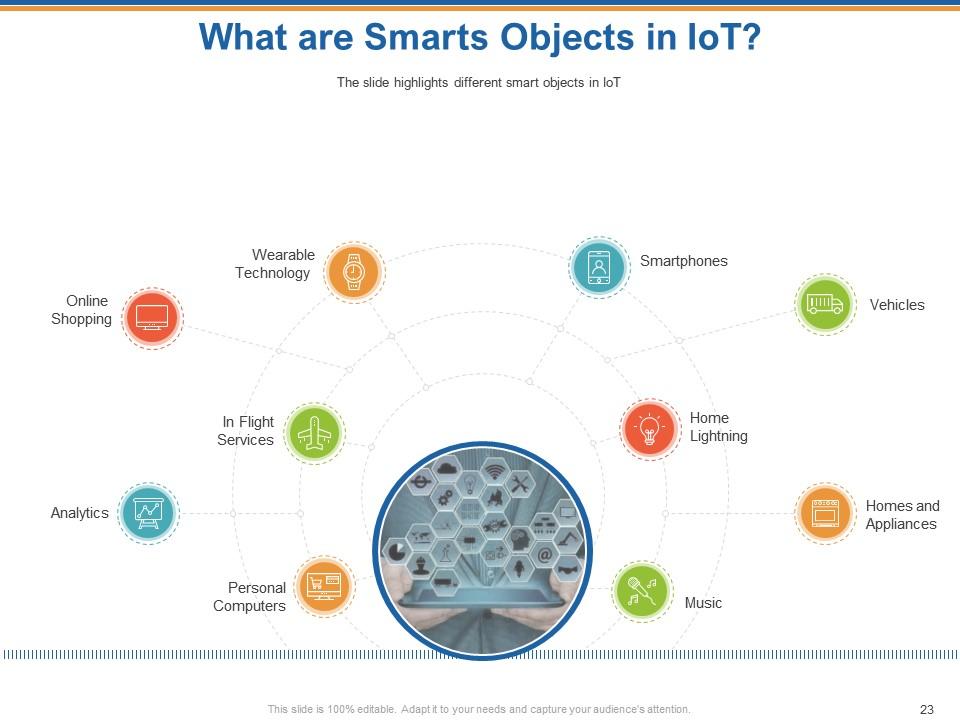
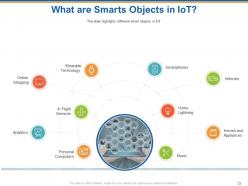
Slide 23: The slide highlights different smart objects in IoT
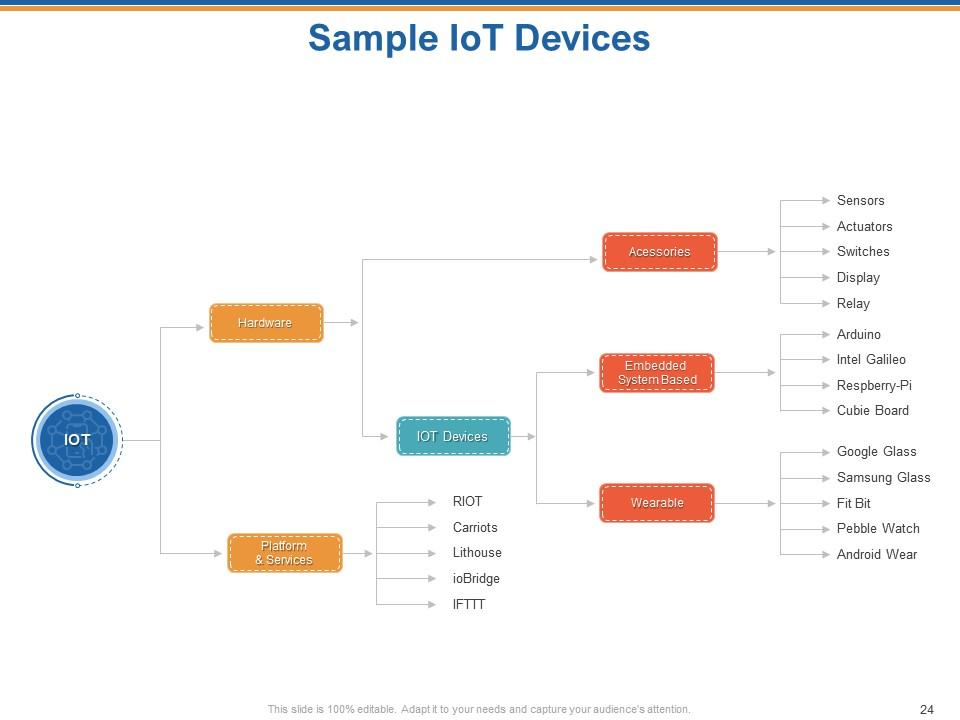
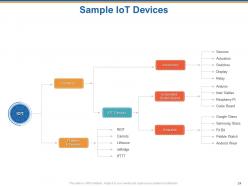
Slide 24: This slide displays Sample IoT Devices
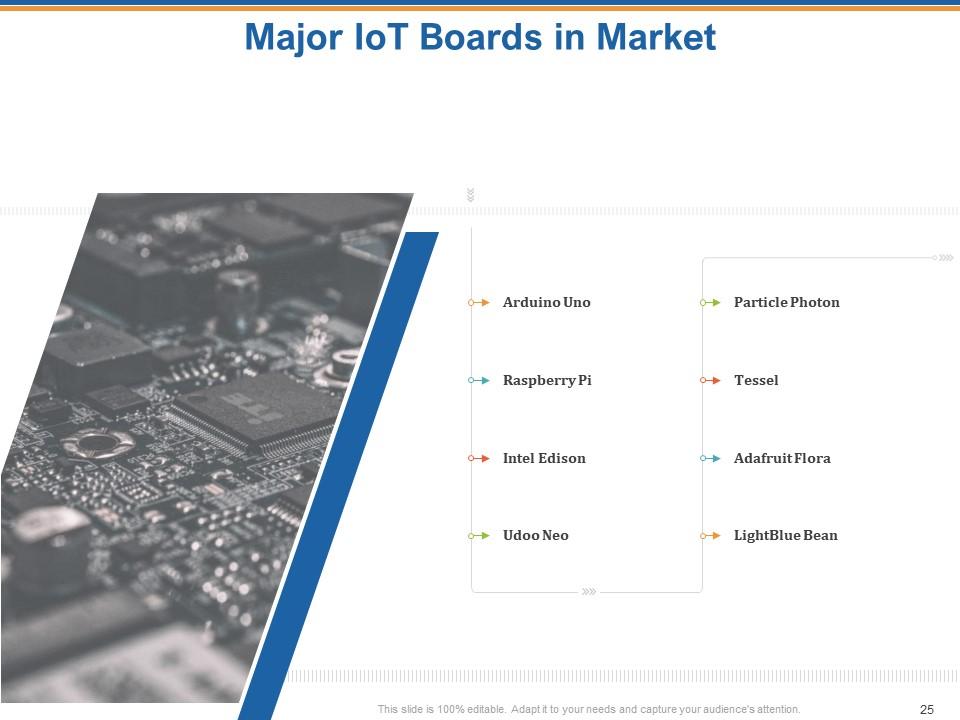
Slide 25: This slide depicts Major IoT Boards in Market
Slide 26: This slide explains How IoT platform helps Businesses
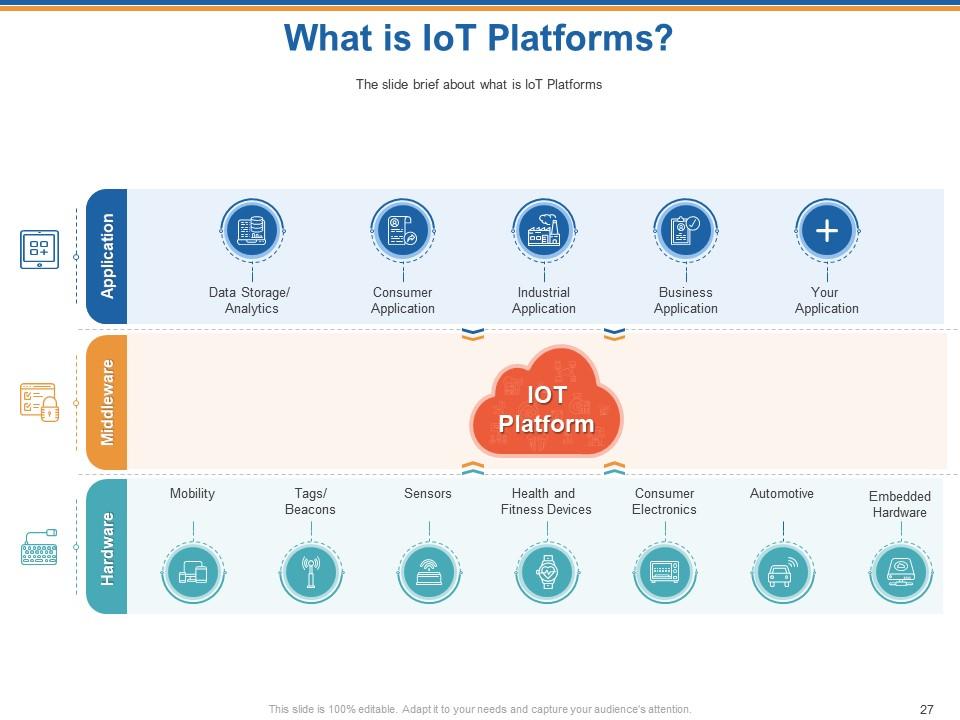
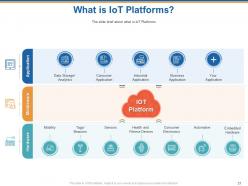
Slide 27: The slide brief about what is IoT Platforms
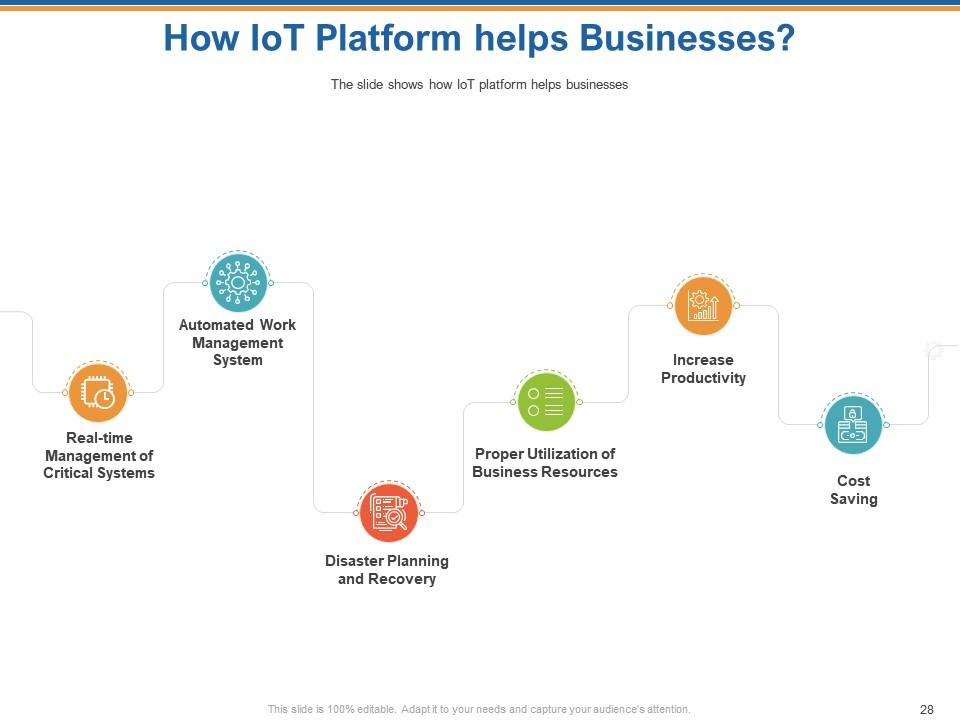
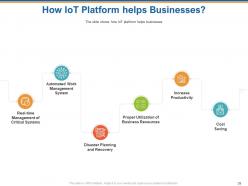
Slide 28: The slide shows how IoT platform helps businesses
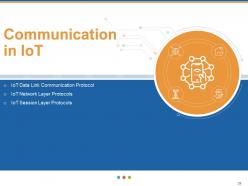
Slide 29: This slide displays Communication in IoT
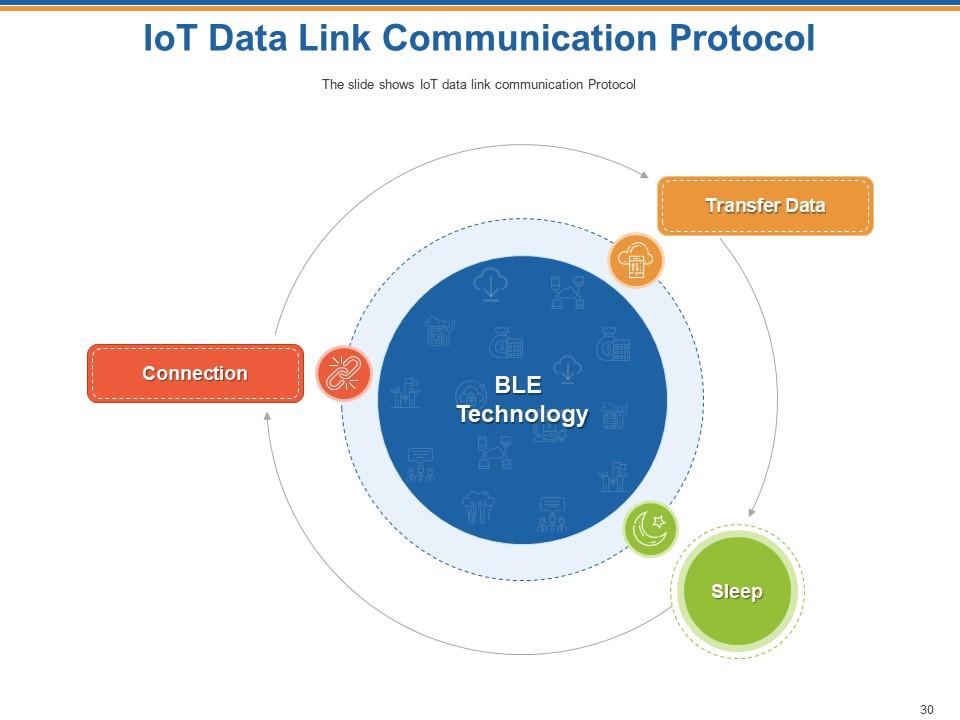
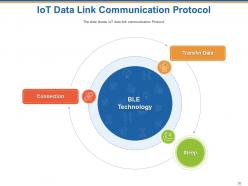
Slide 30: The slide shows IoT data link communication Protocol.
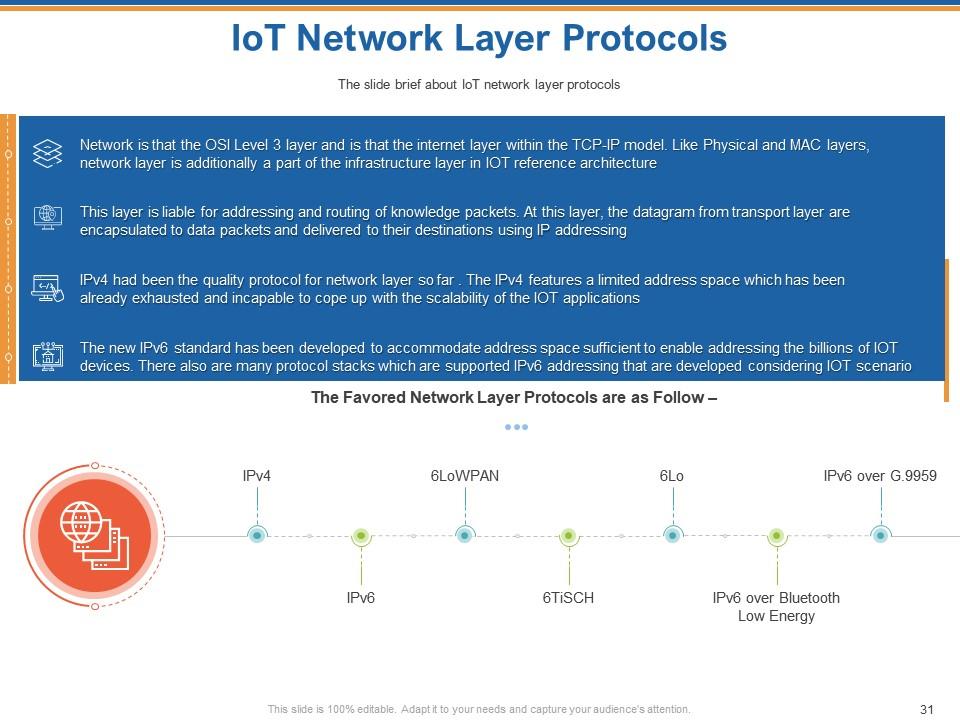
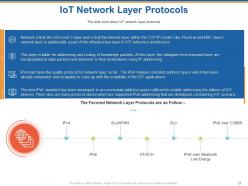
Slide 31: The slide brief about IoT network layer protocols
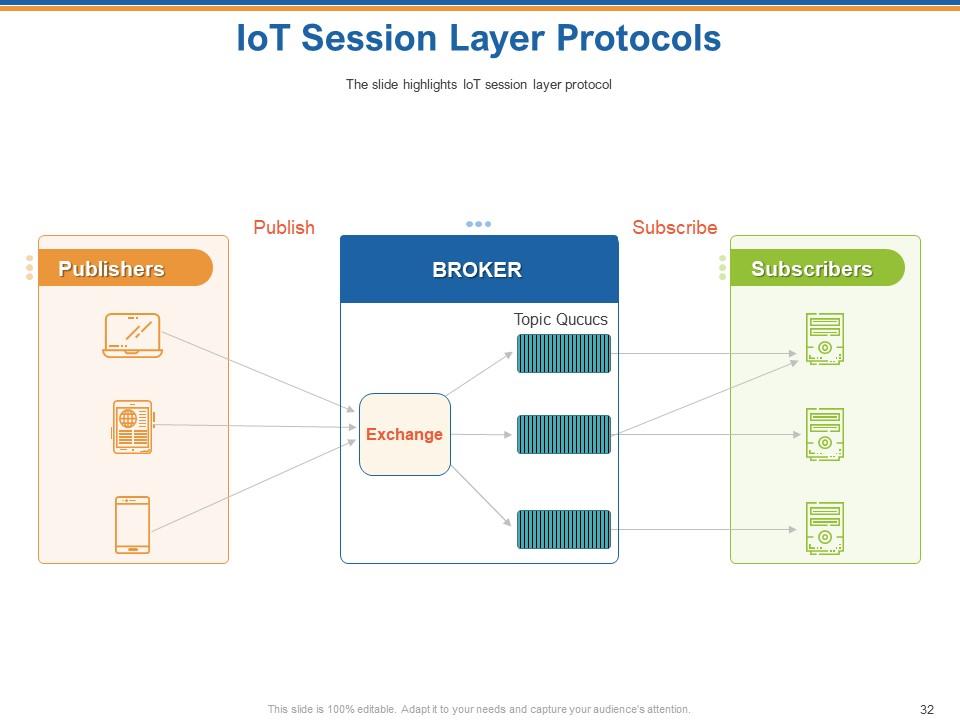
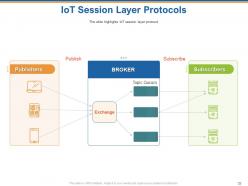
Slide 32: The slide highlights IoT session layer protocol
Slide 33: This slide represents Security in IOT
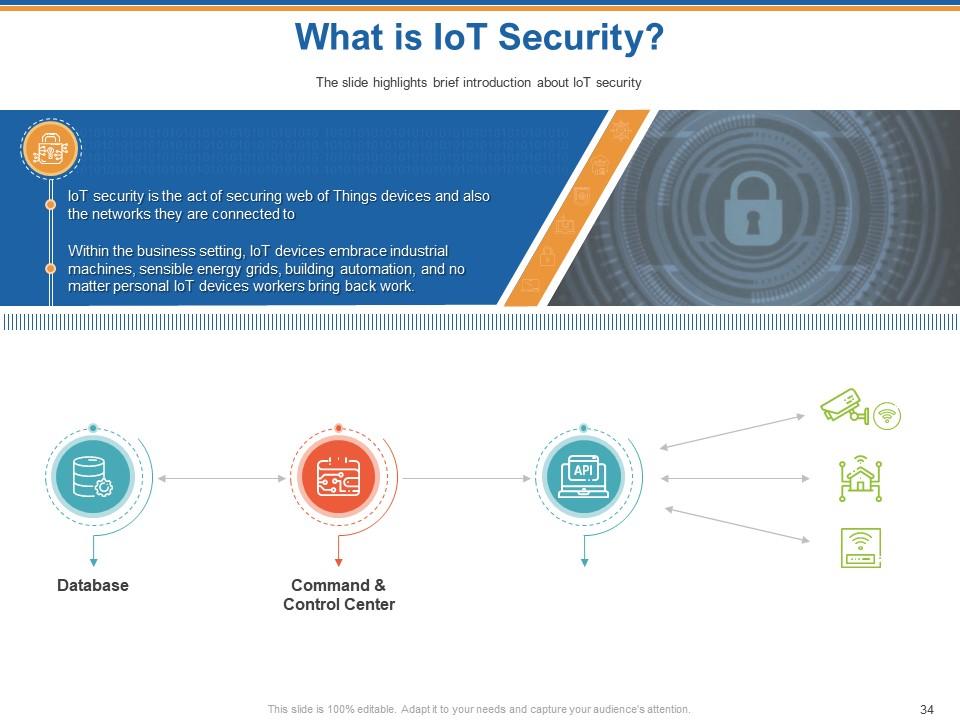
Slide 34: The slide highlights brief introduction about IoT security.
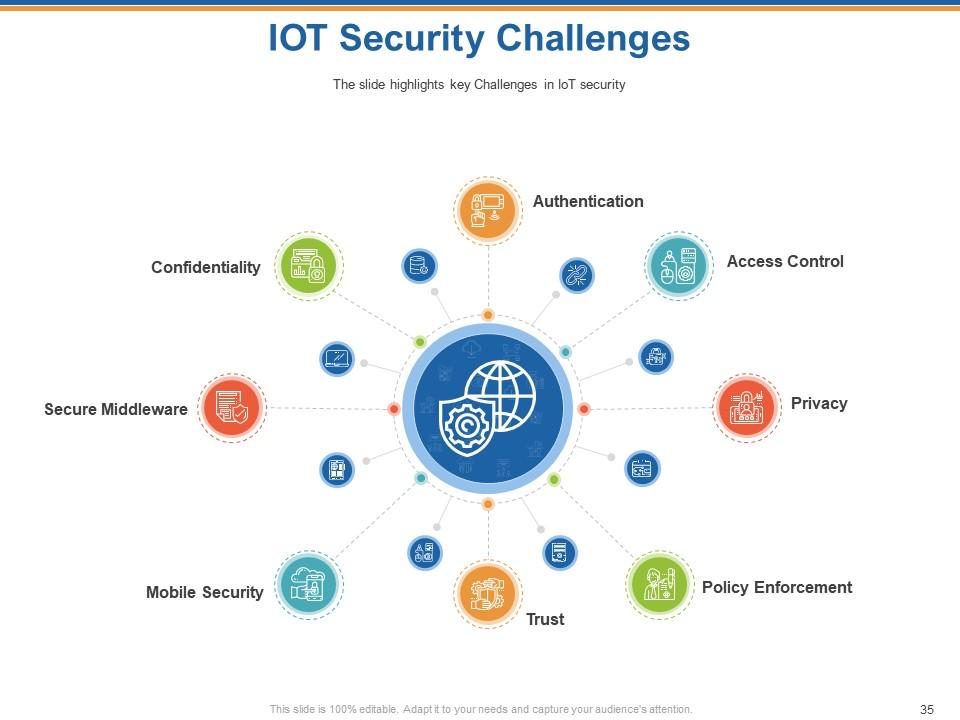
Slide 35: The slide highlights key Challenges in IoT security.
Slide 36: The slide shows end to end security plan in Iot
Slide 37: This is Internet of Things IOT Ecosystem Frameworks and Best Practices-Icons Slide.
Slide 38: This slide is titled as Additional Slides for moving forward.
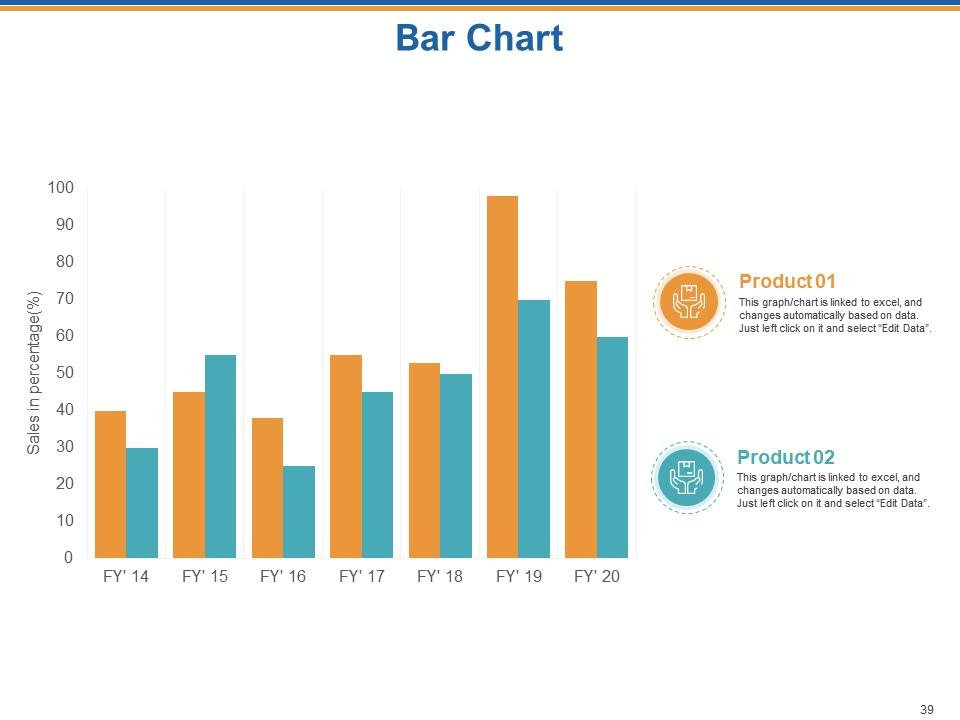
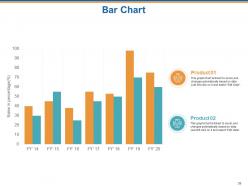
Slide 39: This slide shows Bar Chart with product comparison.
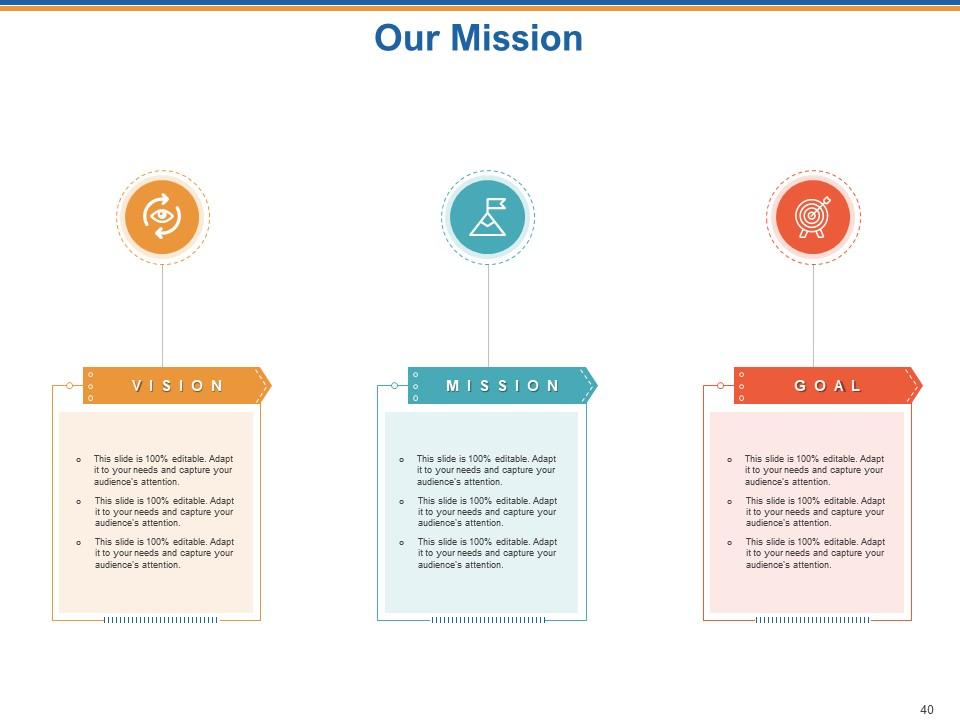
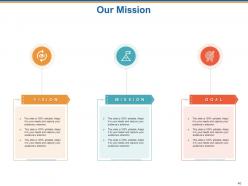
Slide 40: This slide displays Mission, Vision and Goals.
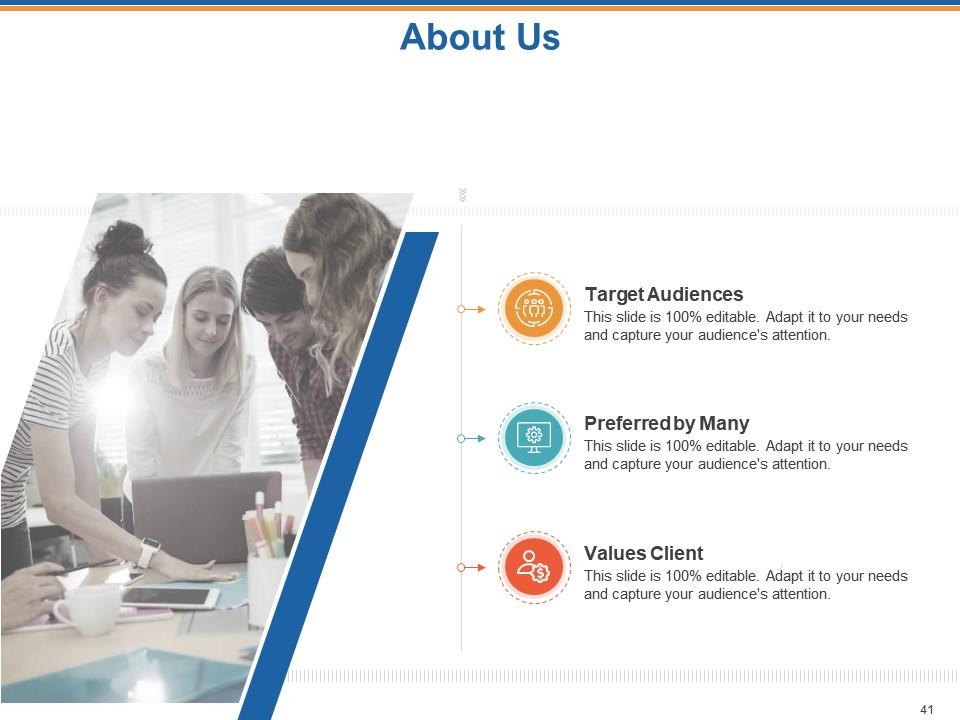
Slide 41: This is About Us slide to showcase Company specifications.
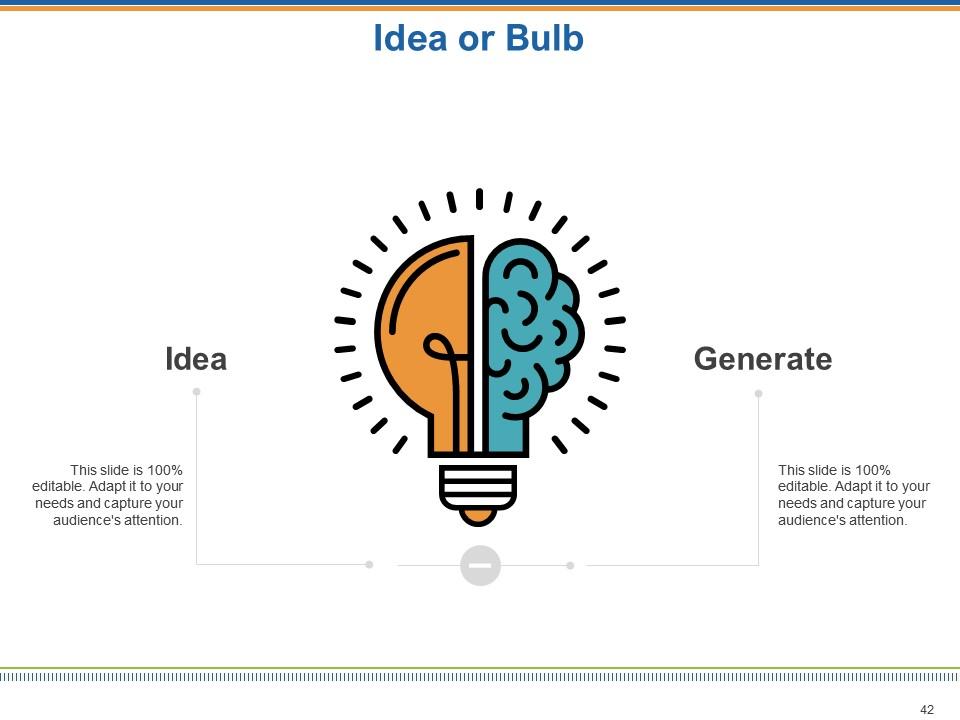
Slide 42: This is idea generation slide.
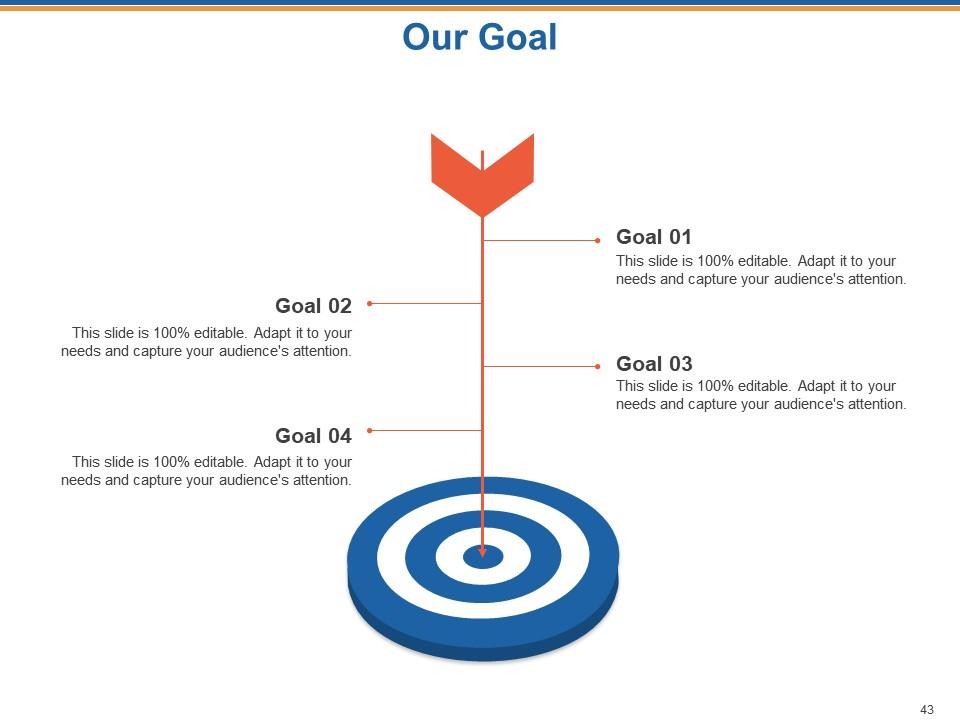
Slide 43: This slide depicts Our goals.
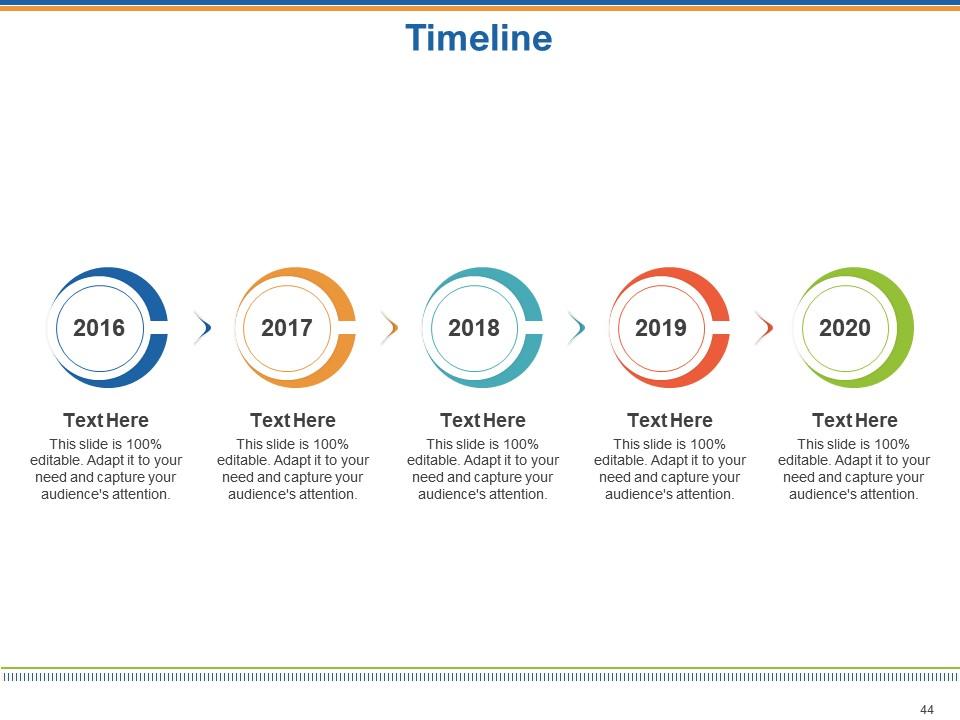
Slide 44: This slide shows Timeline process.
Slide 45: This slide highlights Quotes.
Slide 46: This is Thank You slide with Contact details.
Internet Of Things IOT Ecosystem Frameworks And Best Practices Powerpoint Presentation Slides with all 46 slides:
Use our Internet Of Things IOT Ecosystem Frameworks And Best Practices Powerpoint Presentation Slides to effectively help you save your valuable time. They are readymade to fit into any presentation structure.
-
Use of icon with content is very relateable, informative and appealing.
-
The Designed Graphic are very professional and classic.
-
Content of slide is easy to understand and edit.
-
Unique and attractive product design.
-
Unique research projects to present in meeting.
-
Understandable and informative presentation.
-
Best Representation of topics, really appreciable.
