

Sales and marketing summary annual report powerpoint presentation slides





Try Before you Buy Download Free Sample Product
 Impress Your
 Audience
 100%
100% Editable
 Save Hours
 of Time


You need a sales and marketing summary annual report PowerPoint presentation? No worries. Here we have brought one pre built company annual report PPT sample for you. To help you out further here we have shared few tips to use our corporate annual report slide presentation. With help of this PowerPoint show you can easily brief your employees about importance, uses and objectives of annual report. Additionally, using our PPT model you can lay emphasis on the financial position, income statement, objectives and future directions of a company. Not finished yet, as PowerPoint slides used here supports to underline major company’s activities, achievements, auditor’s report and annual accounts of previous year. Good thing is that to present the crux of a sales and marketing summary we have included creative presentation slides likes our products services, world economic outlook, world sector growth, net fixed asset turnover and many more like these. In short, delivering a stunning company report PPT presentation is pretty easy. Just click and download to get started with your sales marketing and financial reporting. Appreciate intrepid approaches with our financial presentation ppt Slides. Applaud efforts at being inventive.
People who downloaded this PowerPoint presentation also viewed the following :
Content of this Powerpoint Presentation
Slide 1: This slide introduces Sales & Marketing Summary Annual Report. State company name to get started.
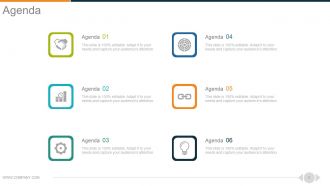
Slide 2: This is an Agenda slide. State your agendas here.
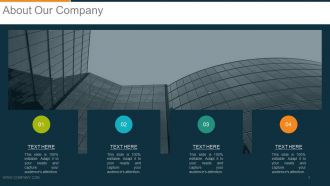
Slide 3: This is an About Our Company slide. State your company specifications, information etc. here.
Slide 4: This is also About Our Company slide with imagery and text boxes.
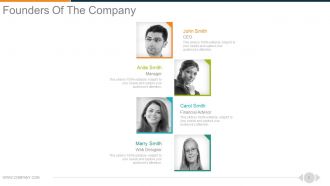
Slide 5: This slide showcases Founders Of The Company. Illustrate them beautifully with the help of this slide.
Slide 6: This is CEO’S Message slide. State some quotes or anything you beleive in.
Slide 7: This slide also states CEO’S Message.
Slide 8: This is Vision Of The Company slide. State company, vision, mission etc. here.
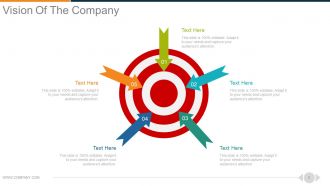
Slide 9: This slide also displays Vision Of The Company with target and arrow imagery.
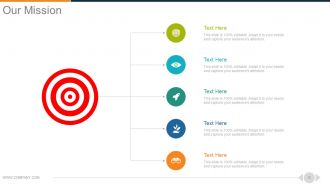
Slide 10: This is Our Mission slide with target imagery. State your mission, goals etc. here.
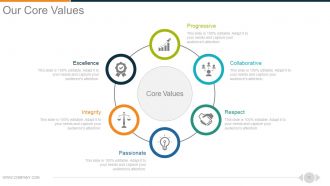
Slide 11: This slide showcases Our Core Values in a circular image form. These values are- Progressive, Collaborative, Respect, Passionate, Integrity, Excellence.
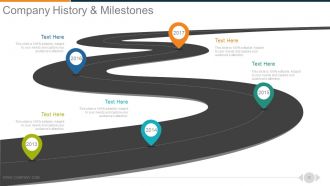
Slide 12: This slide displays Company History & Milestones in a roadmap.
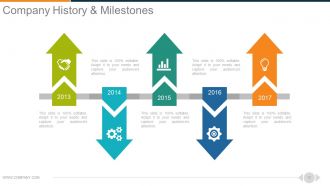
Slide 13: This slide also showcases Company History & Milestones in a timeline form.
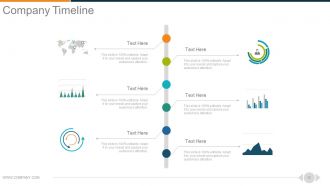
Slide 14: This is a Company Timeline slide to showcase company milestones, growth etc.
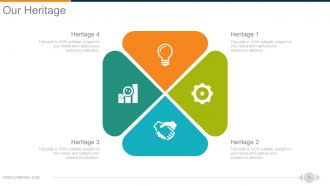
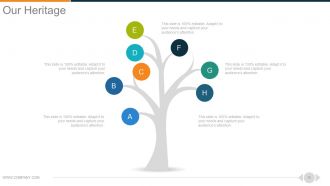
Slide 15: This is Our Heritage slide with icons.
Slide 16: This slide also shows Our Heritage with relevant imagery.
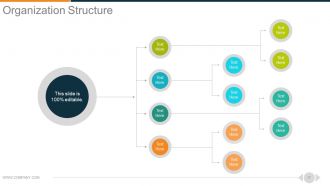
Slide 17: This slide displays Organization Structure in a flow chart form.
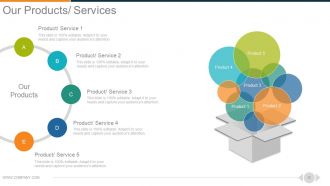
Slide 18: This is Our Products/ Services slide with imagery. State your products, services etc. here.
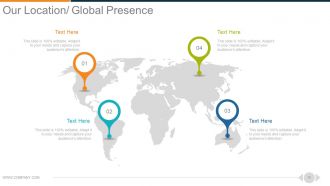
Slide 19: This slide displays company Location/ Global Presence on a world map image.
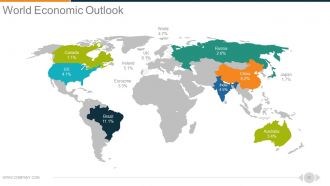
Slide 20: This slide presnts World Economic Outlook on a world map image.
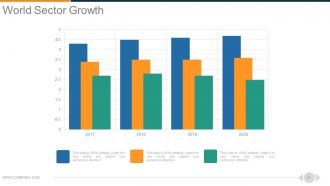
Slide 21: This slide shows World Sector Growth in a bar graph/ chart form.
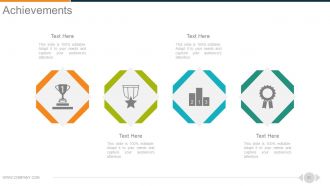
Slide 22: This slide showcases company Achievements with creative imagery.
Slide 23: This slide also showcases company Achievements with respective icons.
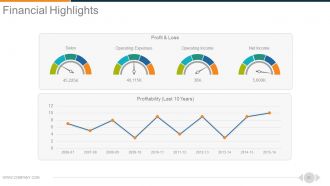
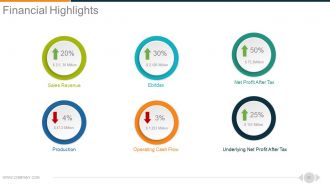
Slide 24: This slide showcases Financial Highlights in charts and graphs. State financial aspects etc. here.
Slide 25: This slide also presents Financial Highlights in a circular image form.
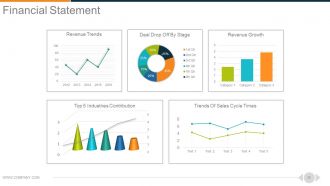
Slide 26: This slide presents Financial Statement in charts and graphs.
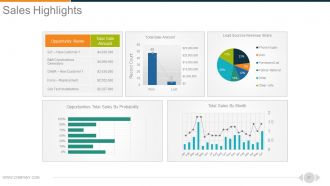
Slide 27: This slide presents Sales Highlights in charts and graphs.
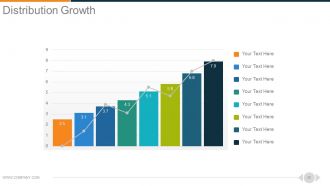
Slide 28: This slide presents Distribution Growth in a combo chart/ graph form.
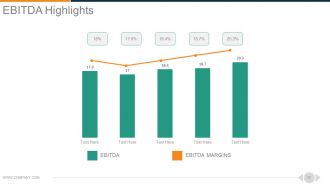
Slide 29: This slide presents EBITDA Highlights in charts and graphs.
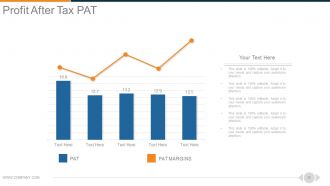
Slide 30: This is Profit After Tax PAT slide in a bar chart/ graph form.
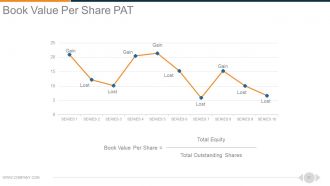
Slide 31: This is Book Value Per Share PAT slide in a line chart/ graph form showcasing Loss and Gain.
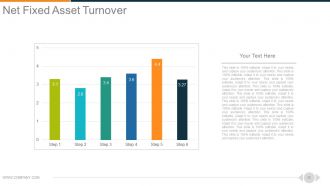
Slide 32: This slide showcases Net Fixed Asset Turnover in a bar chart/ graph form.
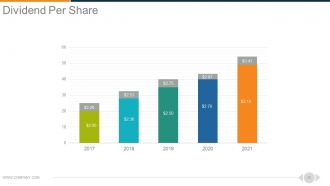
Slide 33: This slide showcases Dividend Per Share in a bar chart/ graph form.
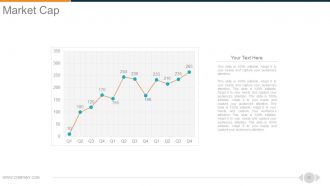
Slide 34: This is Market Cap slide in a line chart/ graph form.
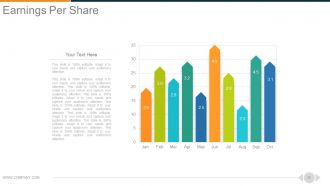
Slide 35: This slide states Earnings Per Share in a bar chart/ graph form.
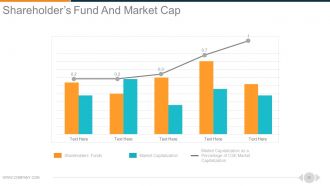
Slide 36: This is Shareholder’s Fund And Market Cap slide in charts and graphs.
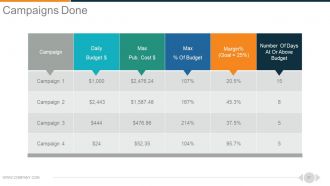
Slide 37: This slide presents Campaigns Done in a tabular form.
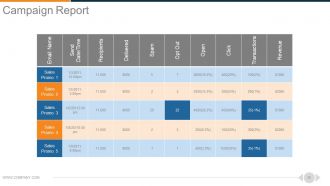
Slide 38: This is a Campaign Report slide.
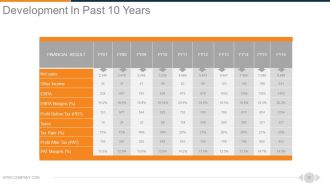
Slide 39: This slide showcases company Development In Past 10 Years.
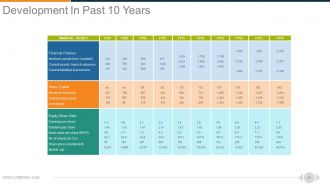
Slide 40: This slide also showcases company Development In Past 10 Years.
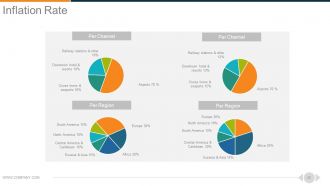
Slide 41: This slide shows Inflation Rate in a bar chart/ graph form with text boxes.
Slide 42: This slide also shows Inflation Rate of Per Channel and Per Region in a pie chart form.
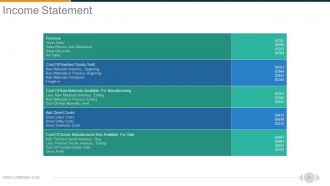
Slide 43: This slide presents Income Statement of the company.
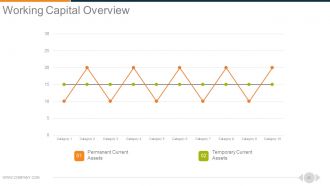
Slide 44: This slide presents Working Capital Overview with respect to- Temporary Current Assets, Permanent Current Assets.
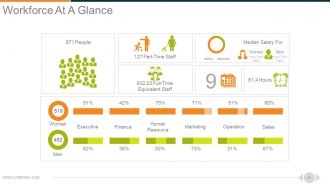
Slide 45: This is Workforce At A Glance slide.
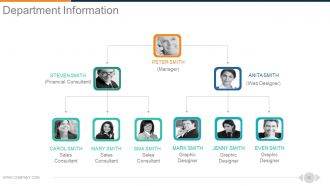
Slide 46: This slide displays Department Information with name and designation in a flow chart.
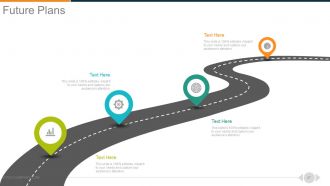
Slide 47: This slide states company Future Plans on a roadmap.
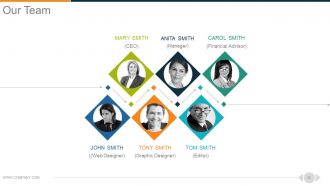
Slide 48: This is Our Team slide. State company/ team specifications etc. here.
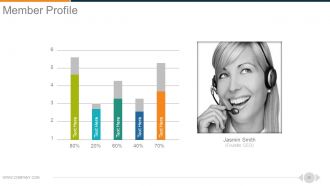
Slide 49: This is a Member Profile slide with name and designation to fill.
Slide 50: This slide is titled Additional slides to proceed forward. You can change the slide content as per need.
Slide 51: This is Our Goal slide. State them here
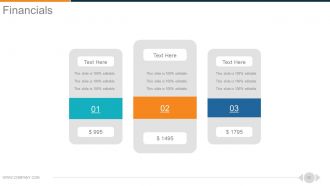
Slide 52: This is a Financial score slide. State financial aspects etc. here.
Slide 53: This is a Quotes slide to convey messages, beliefs etc. You can change the slide content as per need.
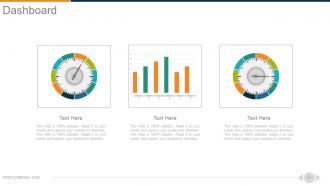
Slide 54: This is a Dashboard slide in charts and graphs to state metrics, kpis etc.
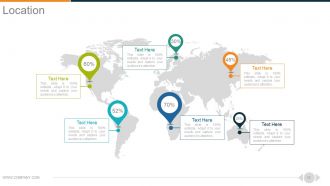
Slide 55: This is a Location slide on a world map to show global presence, growth etc.
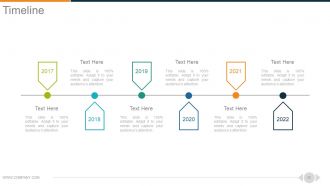
Slide 56: This is a Timeline slide to show milestones, growth or highlighting factors.
Slide 57: This is a Bulb or Idea image slide to state a new idea or highlight specifications/information etc.
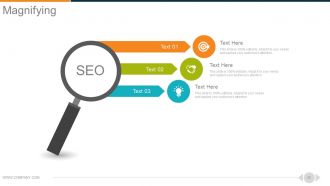
Slide 58: This slide shows a Magnifying glass with text boxes and relevant imagery.
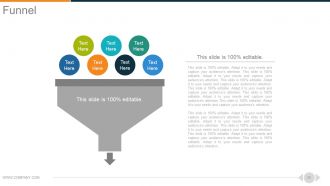
Slide 59: This slide showcases a Funnel with text boxes. State information, process in a funnel form here.
Slide 60: This is a Thank You image slide with Address, Email and Contact number.
Sales and marketing summary annual report powerpoint presentation slides with all 60 slides:
Give birth to feelings of charity with our Sales And Marketing Summary Annual Report Complete Powerpoint Deck With Slides. Encourage helping hands to emerge.



FAQs for Sales and marketing summary annual report
Okay so marketing is basically about getting your name out there - content, social media, SEO, all that stuff to build awareness. Sales is more direct, right? They're doing the actual calls, demos, closing deals with people who are already interested. I always think of marketing as casting this huge net to pull people in, then sales swoops in with their CRM tools and personalized pitches to seal the deal. The boundaries get pretty blurry though, honestly. Your teams need to be on the same page about goals and make sure those marketing leads actually get passed over smoothly to sales.
Honestly, data analytics is a game changer because you stop guessing and start knowing what actually works. Like, you'll see which marketing channels bring quality customers and what content makes people buy. The stuff that seems important? Often isn't what drives results - analytics reveals the real patterns. Plus you can predict customer behavior and personalize outreach better. I'd start small though, maybe pick one revenue-impacting metric first. Oh, and you'll probably spot opportunities your competitors miss, which is always nice.
So basically you're grouping your customers so you can actually talk to what they care about. Like, soccer moms and tech executives want completely different things, you know? Instead of sending the same boring message to everyone, you hit their specific pain points and budgets. Way better open rates that way. Your messaging becomes super relevant, conversions go up, and you stop wasting money on people who'll never buy anyway. Honestly, it's kind of a game-changer once you get it right. Just look at your current data first - find 3-4 patterns in demographics or how people actually engage with your stuff.
Don't just dump all your stories upfront - sprinkle them throughout instead. Open with a quick customer win that sounds like their exact situation. Shows you actually get their problems. When you're presenting solutions, throw in mini-stories like "this other client tried everything else first, but this finally did it." Personal stuff works great too, honestly. Keep each story under 90 seconds (people zone out fast). Always tie it back to what they specifically need. Oh, and wrap up with a vision story about where they'll be after using your solution. Works way better than just listing features.
Honestly, just go where your people are already spending time. LinkedIn's solid for B2B stuff, but Instagram or TikTok might be better depending on who you're targeting. Here's what actually works - comment on their posts first before you pitch anything. Sounds obvious but most people skip this step. Share content that helps with their problems instead of just talking about your product. Social listening tools are clutch for finding people complaining about stuff you can fix. Oh, and join groups where they hang out. Pick one platform though. Don't try to be everywhere at once - you'll just burn out and do everything poorly.
Honestly, buyer personas are a game-changer because they tell you exactly who you're trying to reach. Your messaging gets way more focused instead of that generic stuff nobody cares about. You'll know if someone wants emails or phone calls, what problems keep them up at night, how they make decisions. Makes sales conversations feel less awkward too. Your marketing budget stops getting wasted on random channels that don't work - I've seen companies blow thousands on LinkedIn ads when their customers are all on Facebook. Just map what you're doing now against your personas first. You'll spot the obvious fixes right away.
Honestly, video content is crushing it right now - TikTok and Reels especially. Even boring B2B companies are doing short videos now, which is wild. You'll also want to look at AI-powered personalization and chatbots for customer service. Social commerce is huge too since people buy directly through Instagram and stuff. Voice search matters more with all the Alexa/Google speakers everywhere. Oh, and customers actually care about sustainability messaging now - not just greenwashing but real environmental stuff. Account-based marketing got way better with new data tools. I'd say start with your video strategy first, then maybe try one AI tool for sorting leads.
Dude, this is huge. When your sales and marketing teams aren't on the same page, you're basically throwing money away. Marketing sends over leads that sales thinks are trash, or sales makes promises that marketing never even mentioned - it's a mess. I've watched companies blow deals just because their messaging was all over the place. Both teams need to share customer data and agree on what counts as a qualified lead. Weekly check-ins help too. Honestly, most companies screw this up way more than they realize. Fix the alignment and your conversion rates will jump immediately.
Honestly, start with a good CRM - HubSpot's free version is decent, Salesforce if you're feeling fancy. Email automation is where it gets fun though. Mailchimp or ActiveCampaign will nurture your leads while you sleep. I'd grab Hootsuite for social posting because doing it manually is soul-crushing after like a week. Google Analytics is obvious but get some attribution software too so you actually know what's converting. Oh and throw a chatbot on your site - even a basic one catches leads when you're not around. Don't go crazy with ten tools at once though, you'll hate yourself.
So influencer marketing basically turns the whole sales thing upside down. Instead of pitching customers yourself, someone they already trust does it for you. Way smarter, right? Cold outreach gets trickier now because people just go check what their favorite creators are saying. You still need those traditional relationships, but digital credibility matters way earlier in the process. The trick is finding influencers your customers actually follow - not just whoever has the most followers. Then you've gotta make partnerships that don't feel like obvious ads. Nobody wants to watch a commercial disguised as content.
So basically your sales and marketing teams need to actually talk to each other about what customers are saying. Sales can tell marketing which leads are trash and which ones convert. Marketing shares what messaging gets people interested before they even hop on a call. Way better than those painful quarterly check-ins where everyone just nods and lies about how great things are going. Once both sides know what's actually working, you can pivot faster instead of beating dead horses. Honestly, just start with a weekly 15-minute call to swap war stories and customer feedback.
Honestly, focus on conversion rates, CAC, and ROI first - those are your money metrics. Don't get sucked into vanity stuff like impressions (guilty of this myself back in the day). Lead quality beats quantity every time. Track your sales cycle length and customer lifetime value too, plus figure out which channels actually bring in revenue. Email opens and website traffic are cool to know but they don't pay the bills. Set up monthly dashboards so you're not scrambling for data later. Attribution across channels is huge - you'll want to know what's really working.
Honestly, personalization works because you're actually talking to people about stuff they care about instead of sending random crap to everyone. Like, I'd way rather get an email about those shoes I was looking at than some generic "SALE ON EVERYTHING" blast. When you match your content to what someone's already interested in, they're obviously more likely to buy. Most personalized campaigns see like 10-15% better conversion rates - which is pretty solid. Just start by splitting up your email list based on what people bought before or what they've been browsing. Then write messages that actually make sense for each group. Super simple but it works.
So basically you want customers to jump between your website, social media, store, whatever - without things getting weird. First thing is getting all your systems talking to each other so their info actually transfers. Like, if someone starts chatting on Instagram then calls your store, your team should know what's up already. Map out where people usually bounce and fix those spots. Your messaging needs to match everywhere too - can't sound corporate on email then super casual on TikTok, you know? Train your staff so they can handle stuff that started somewhere else. Oh and definitely test it yourself because you'll catch things your team misses.
Look, you've gotta match your approach to where people actually are in their buying journey. Top-of-funnel folks just want to learn stuff - send them blog posts, maybe a webinar. Once they're comparing options, that's when you break out case studies and demos. Bottom-funnel leads? They're ready for trials or consultations. Honestly, the follow-up game is everything, but don't be that annoying salesperson who won't take a hint. I'd set up some automated sequences for each stage - saves you time but still feels personal when you can swing it. Track what's working because half the stuff you think is brilliant probably isn't moving the needle.
-
Presentation Design is very nice, good work with the content as well.
-
Excellent work done on template design and graphics.