


Powerpoint-Präsentationsfolien „Smart Grid vs. konventionelles Netz“
Schauen Sie sich unsere PowerPoint-Präsentation zum Thema „Smart Grid vs. konventionelles Netz“ an, die einen kurzen Überblick über die intelligente Netztechnologie gibt, einschließlich ihres Vergleichs mit herkömmlichen Netzen, Marktgröße, Zielsetzung, Bedeutung, Technologielücke usw Arbeiten mit IoT. Es bietet einen Überblick über das intelligente Netz, einschließlich seiner Einführung, Funktionen, Infrastruktur, was ein Netz intelligent macht, und einen kurzen Überblick über das traditionelle Netzsystem und seine Probleme. Unser Deck zur Smart-Grid-Infrastruktur enthält Informationen zur Marktgröße, Zielsetzung und Bedeutung der Smart-Grid-Technologie. Es enthält auch einen Überblick über die Lücke in der Smart-Grid-Technologie, ihre Komponenten, Funktionen und Anwendungen in verschiedenen Bereichen. Darüber hinaus befasst sich die Smart-Grid-Technologie-PPT mit der Beziehung zwischen dem Smart Grid und dem Internet der Dinge (IoT), der Benutzereinbindung und der Energiedezentralisierung im Smart Grid, dem innovativen Grid-Reifegradmodell und verschiedenen Smart-Grid-Technologien. Darüber hinaus bietet es einen Vergleich zwischen intelligenten und traditionellen Netzen, die Implementierung und die Auswirkungen der Smart-Grid-Technologie. Darüber hinaus umfasst dieses Smart-Grid-Reifemodell-Deck einen Kostenplan für die Modernisierung des herkömmlichen Netzes, einen Entwicklungsfahrplan und ein innovatives Home-Dashboard für die Geräteüberwachung. Laden Sie unsere zu 100 Prozent bearbeitbare und anpassbare Vorlage herunter, die auch mit Google Slides kompatibel ist.

















































You must be logged in to download this presentation.


Do you want to remove this product from your favourites?
 Impress your
 audience
 100%
100% Editable
 Save Hours
 of Time
Merkmale dieser PowerPoint-Präsentationsfolien:
Begeistern Sie Ihr Publikum mit diesen Powerpoint-Präsentationsfolien für Smart Grid vs. konventionelles Grid. Erhöhen Sie Ihre Präsentationsschwelle, indem Sie diese gut gestaltete Vorlage bereitstellen. Aufgrund seines gut recherchierten Inhalts eignet es sich hervorragend als Kommunikationsmittel. Es enthält auch stilisierte Symbole, Grafiken, visuelle Elemente usw., die es sofort zum Blickfang machen. Dieses komplette Deck besteht aus 69 Folien und ist alles, was Sie brauchen, um aufzufallen. Alle Folien und deren Inhalte können an Ihr individuelles Geschäftsumfeld angepasst werden. Darüber hinaus können auch andere Komponenten und Grafiken modifiziert werden, um diesem vorgefertigten Set eine persönliche Note zu verleihen.

People who downloaded this PowerPoint presentation also viewed the following :
Inhalt dieser Powerpoint-Präsentation
Folie 1 : Auf dieser Folie wird Smart Grid im Vergleich zu konventionellem Netz vorgestellt. Beginnen Sie mit der Angabe Ihres Firmennamens.
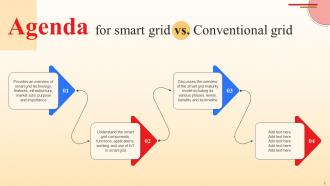
Folie 2 : Diese Folie zeigt die Agenda der Präsentation.
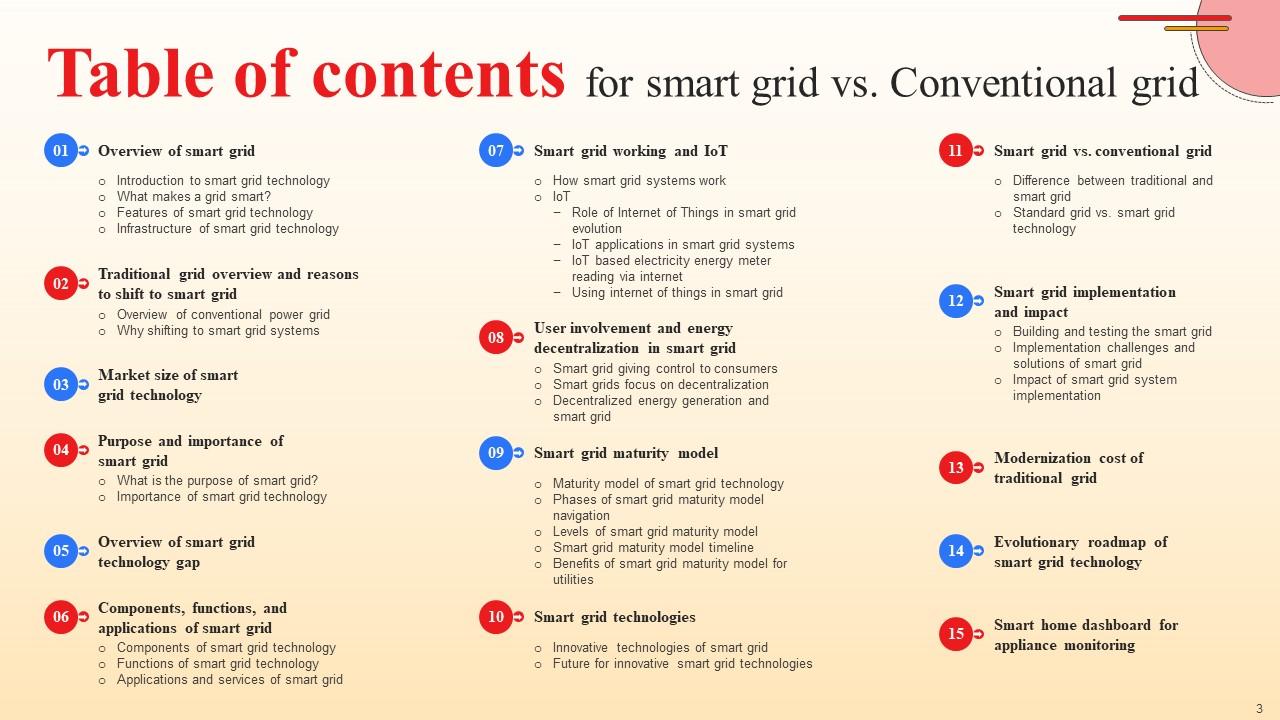
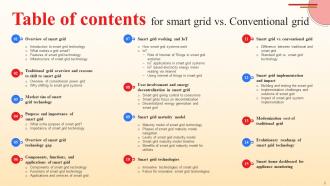
Folie 3 : Diese Folie enthält das Inhaltsverzeichnis.
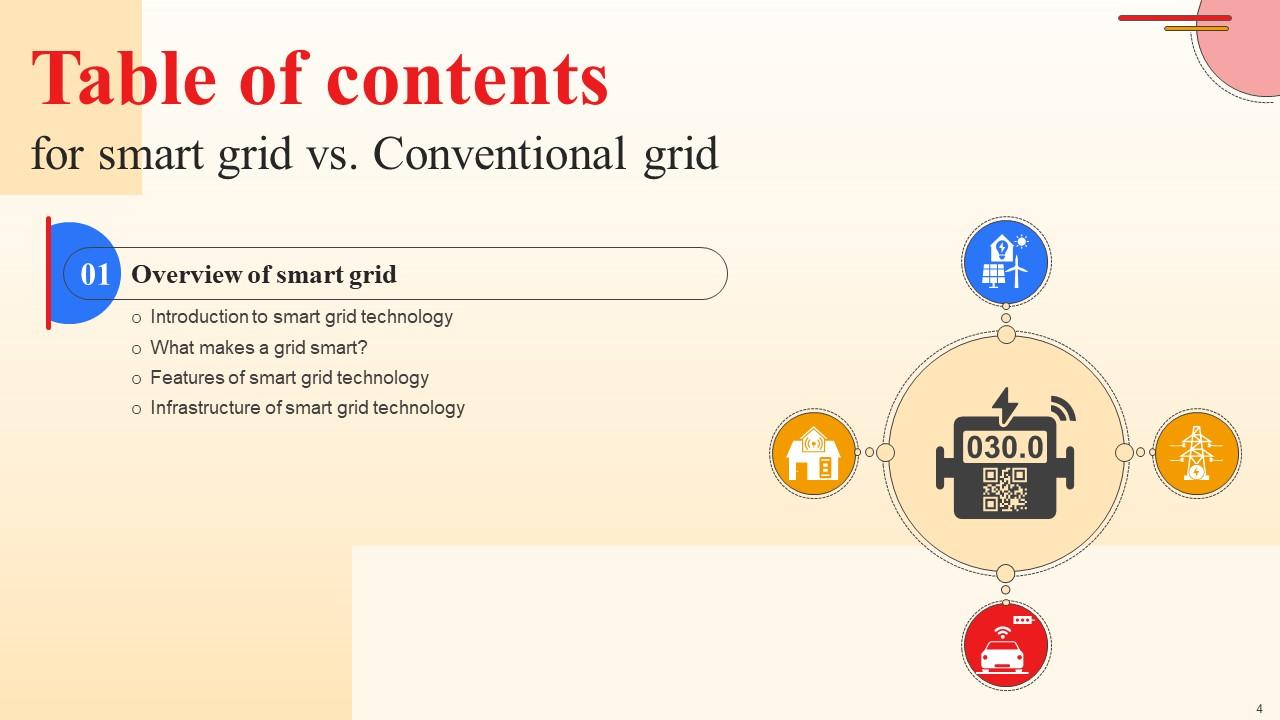
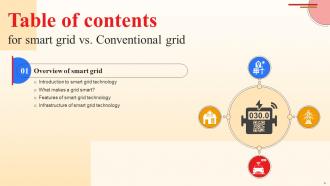
Folie 4 : Diese Folie hebt den Titel der Themen hervor, die weiter behandelt werden sollen.
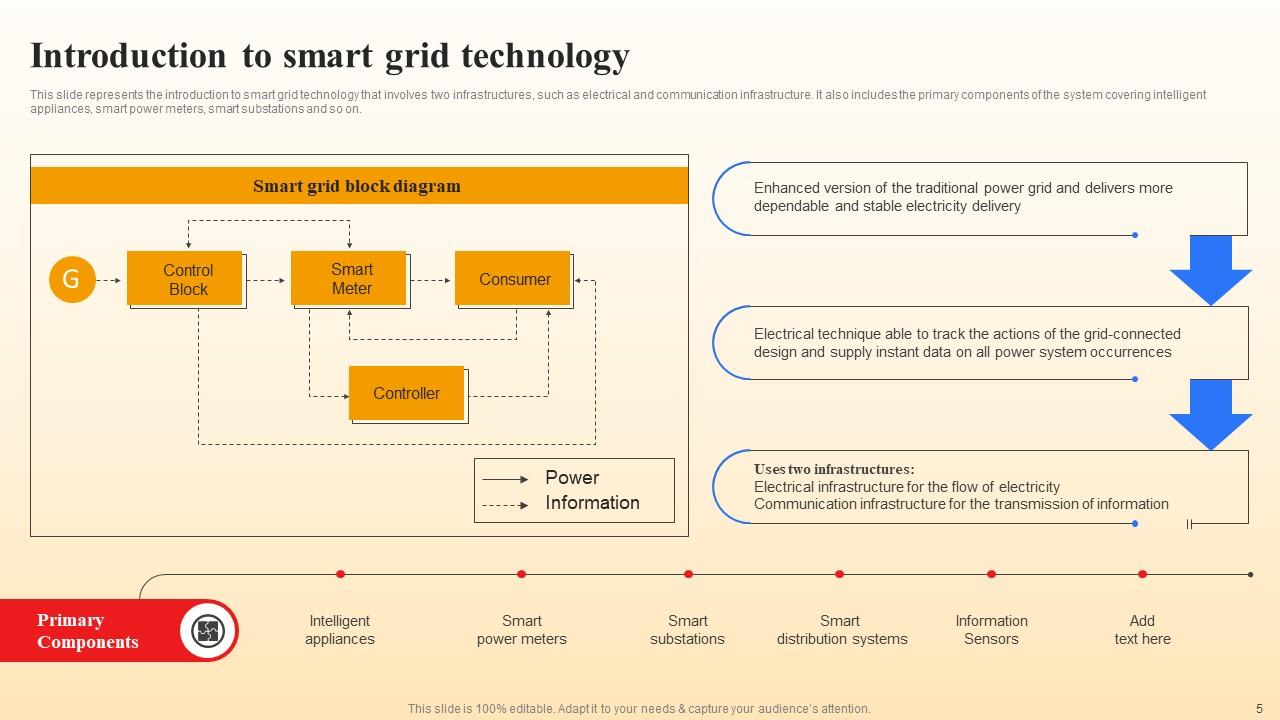
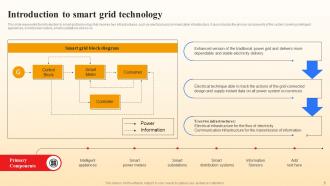
Folie 5 : Diese Folie stellt die Einführung in die Smart-Grid-Technologie dar.
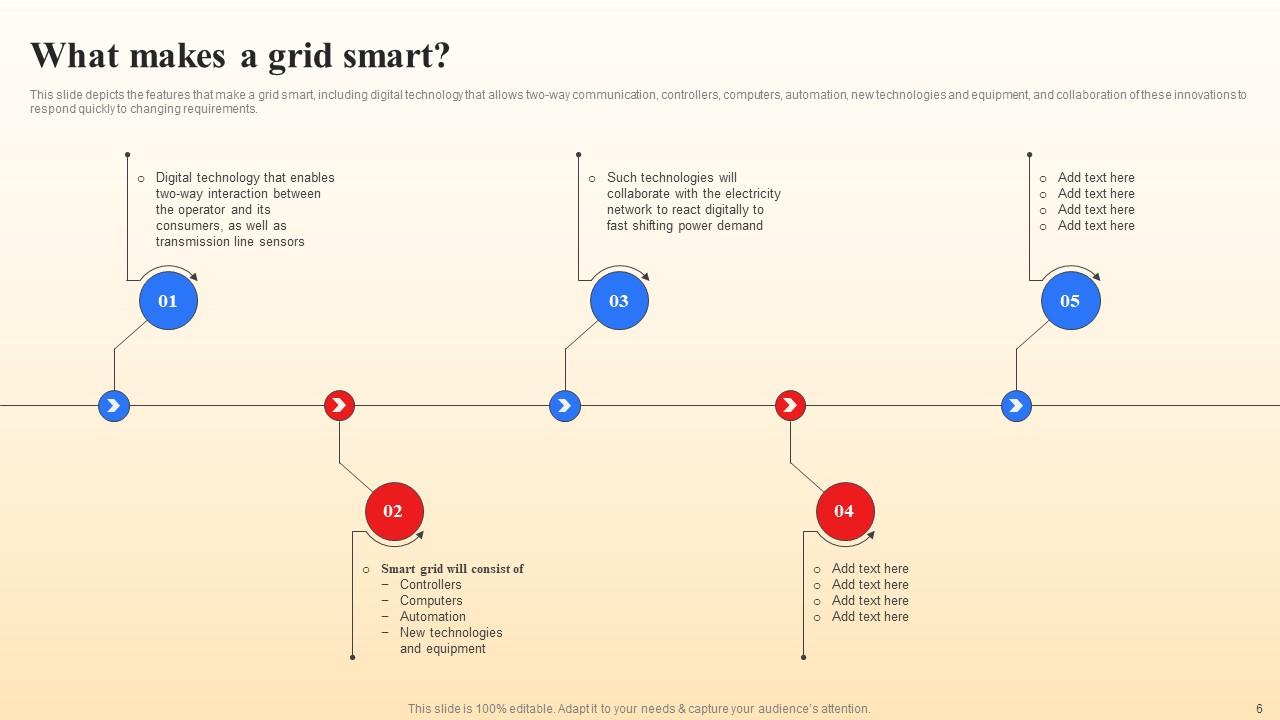
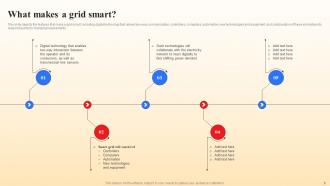
Folie 6 : Diese Folie zeigt die Funktionen, die ein Raster intelligent machen.
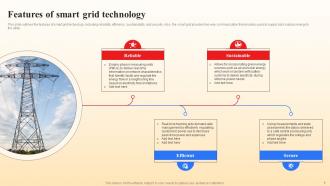
Folie 7 : Auf dieser Folie werden die Merkmale der Smart-Grid-Technologie erläutert.
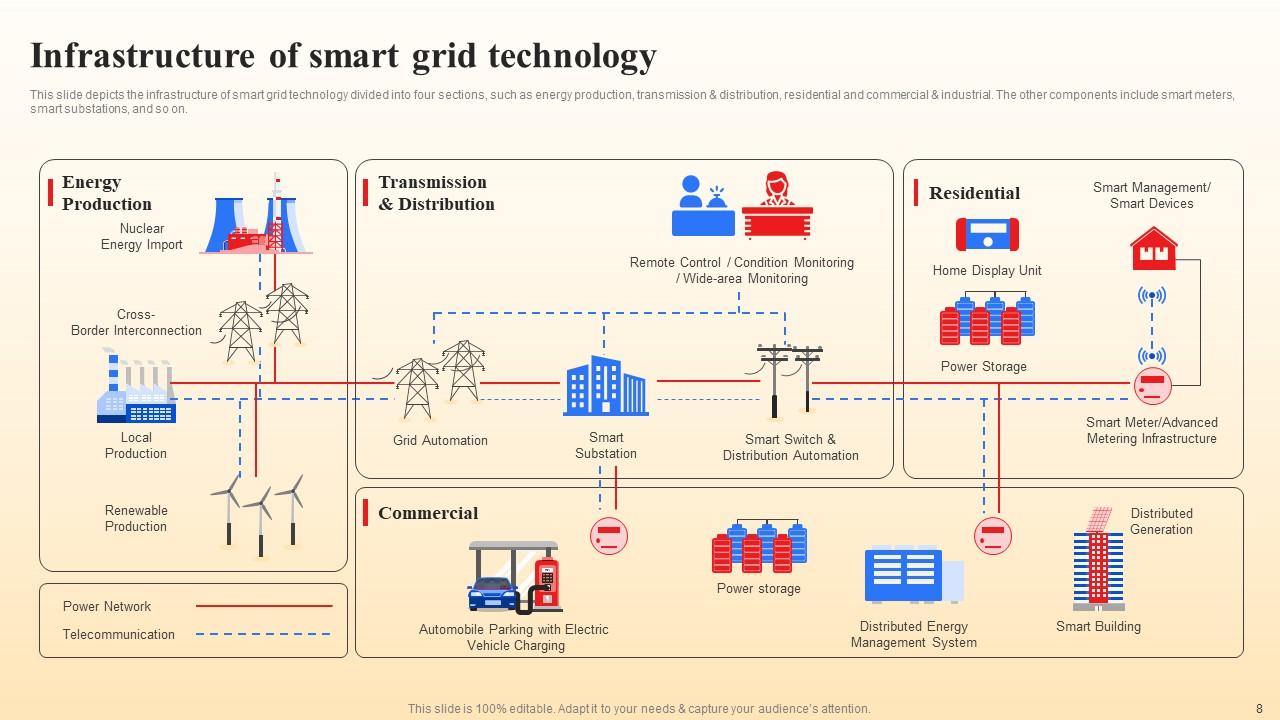
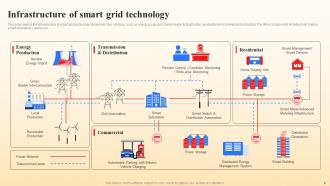
Folie 8 : Diese Folie zeigt die Infrastruktur der Smart-Grid-Technologie unterteilt in vier Abschnitte.
Folie 9 : Diese Folie enthält die Überschrift für den Inhalt, der als Nächstes besprochen wird.
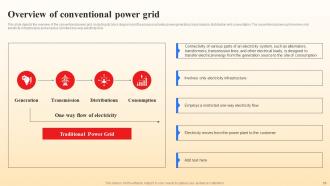
Folie 10 : Diese Folie gibt einen Überblick über das konventionelle Stromnetz.
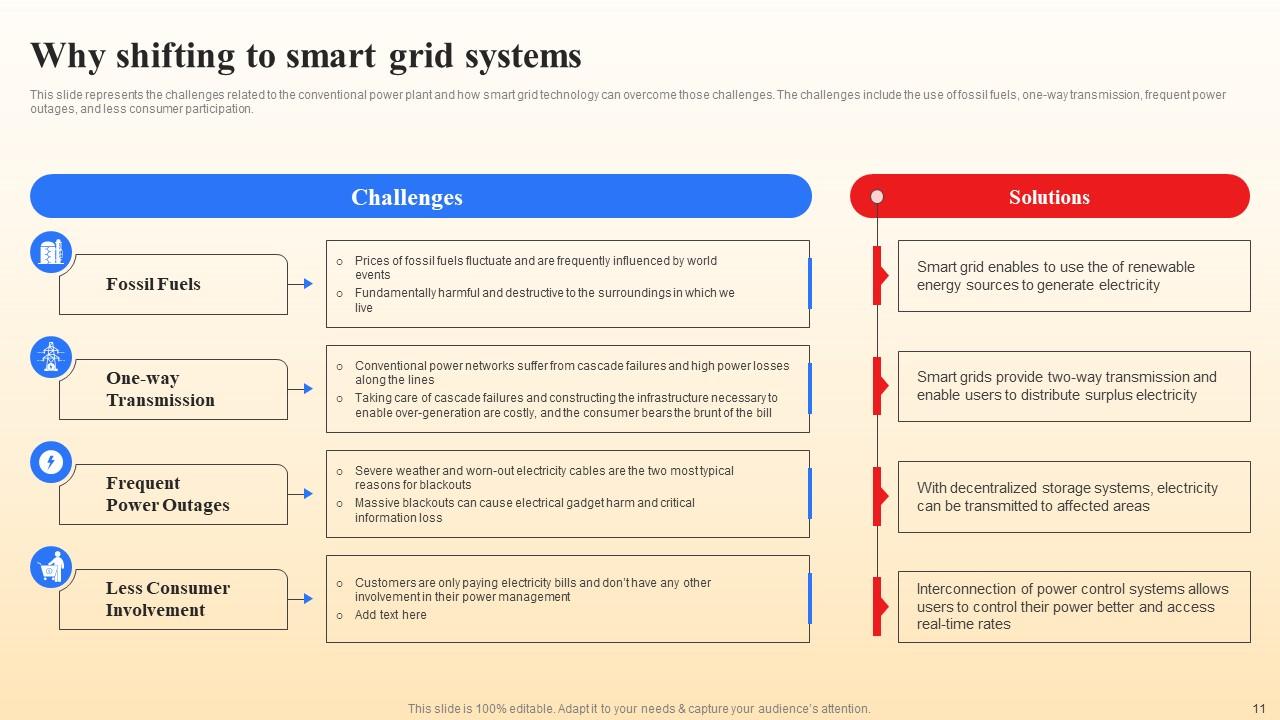
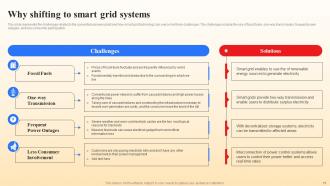
Folie 11 : Diese Folie stellt die Herausforderungen im Zusammenhang mit konventionellen Kraftwerken dar und zeigt, wie die Smart-Grid-Technologie diese Herausforderungen bewältigen kann.
Folie 12 : Diese Folie enthält den Titel für die Ideen, die in der kommenden Vorlage behandelt werden sollen.
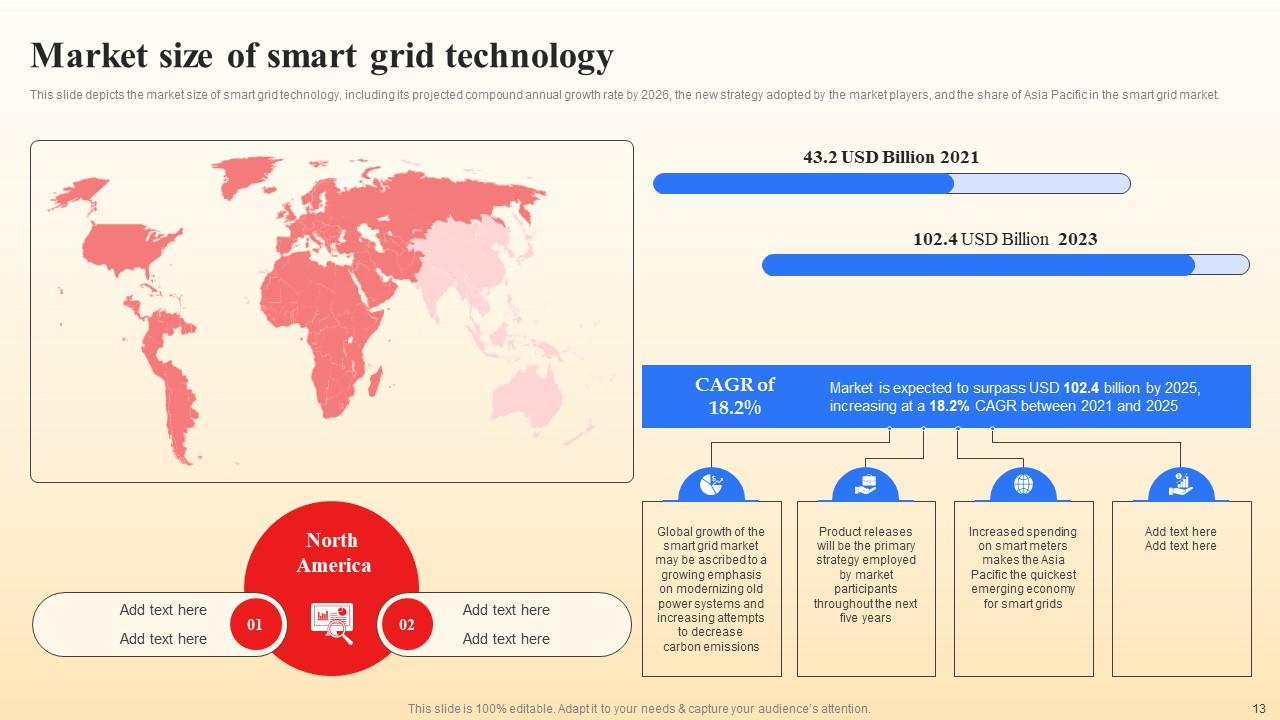
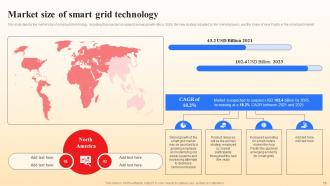
Folie 13 : Diese Folie zeigt die Marktgröße der Smart-Grid-Technologie.
Folie 14 : Diese Folie hebt die Überschrift der Ideen hervor, die in der nächsten Vorlage besprochen werden sollen.
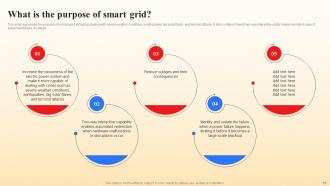
Folie 15 : Diese Folie stellt den Zweck eines Smart Grids dar.
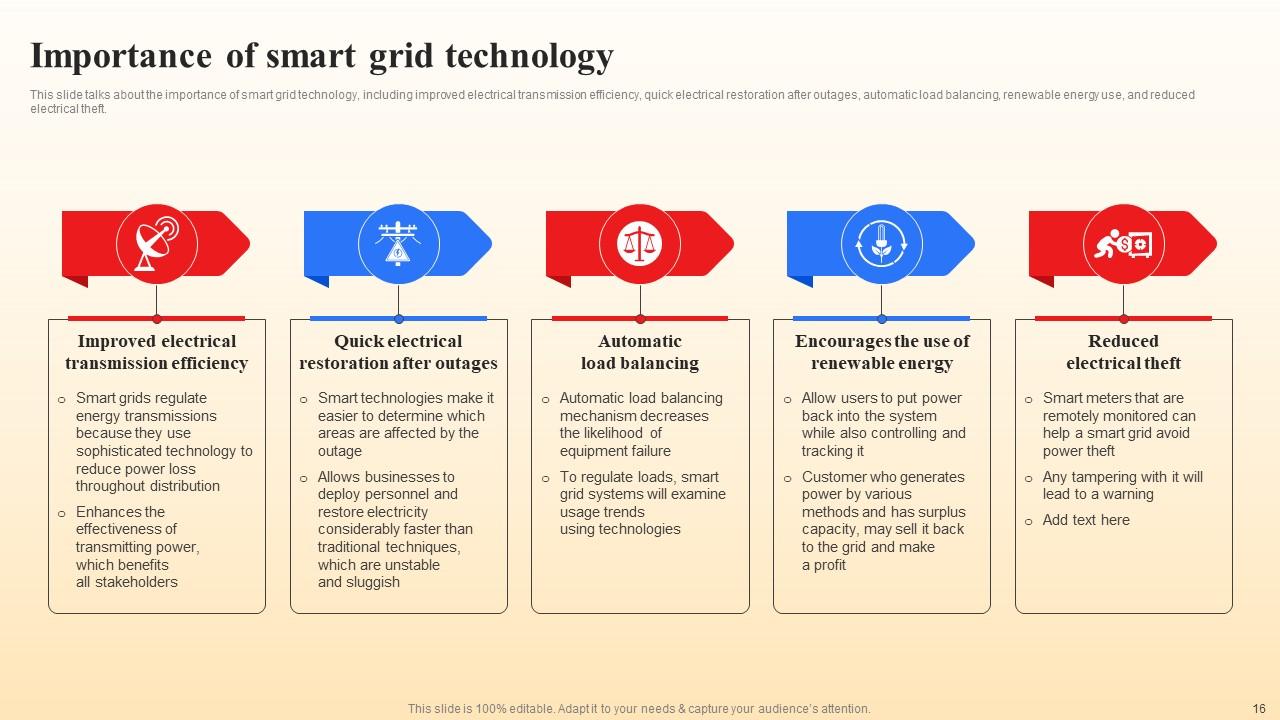
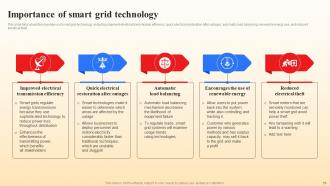
Folie 16 : Diese Folie zeigt die Bedeutung der Smart-Grid-Technologie.
Folie 17 : Diese Folie zeigt den Titel für die Inhalte, die in der kommenden Vorlage behandelt werden sollen.
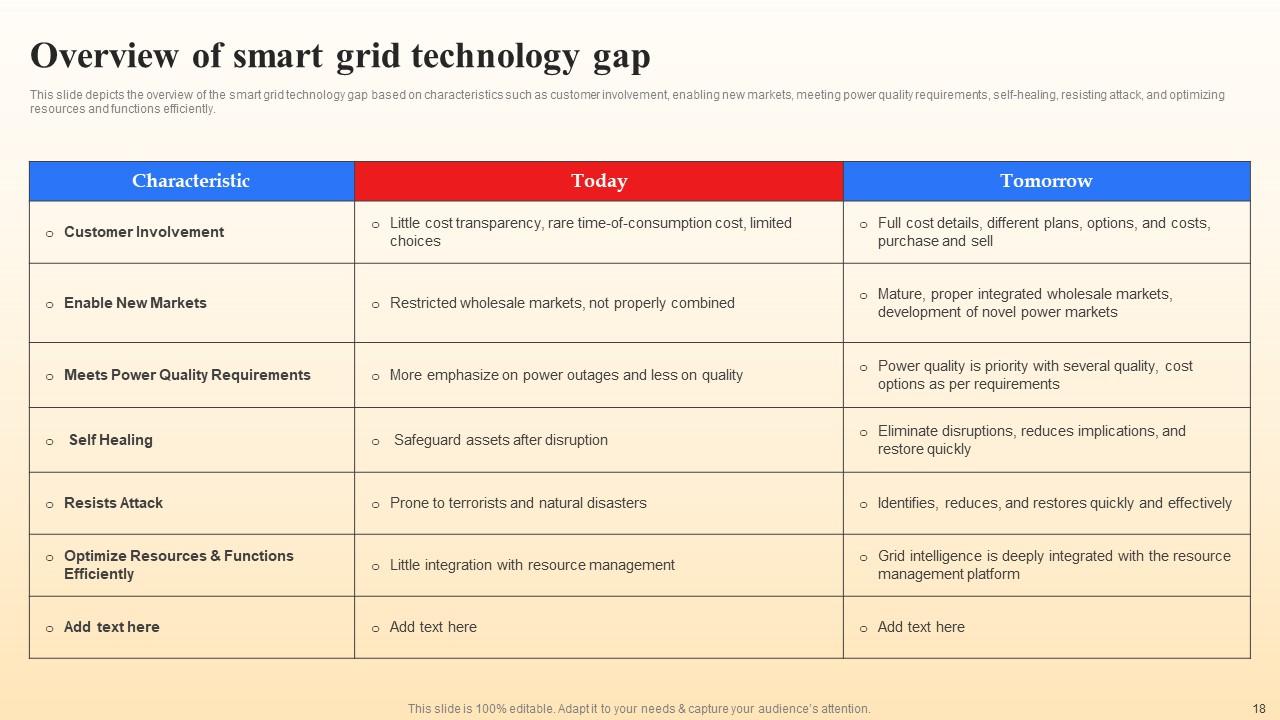
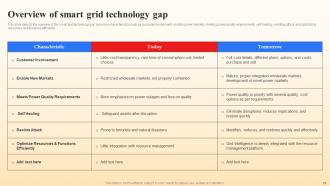
Folie 18 : Diese Folie gibt einen Überblick über die Lücke in der Smart-Grid-Technologie.
Folie 19 : Diese Folie enthält den Titel für die Inhalte, die in der kommenden Vorlage behandelt werden sollen.
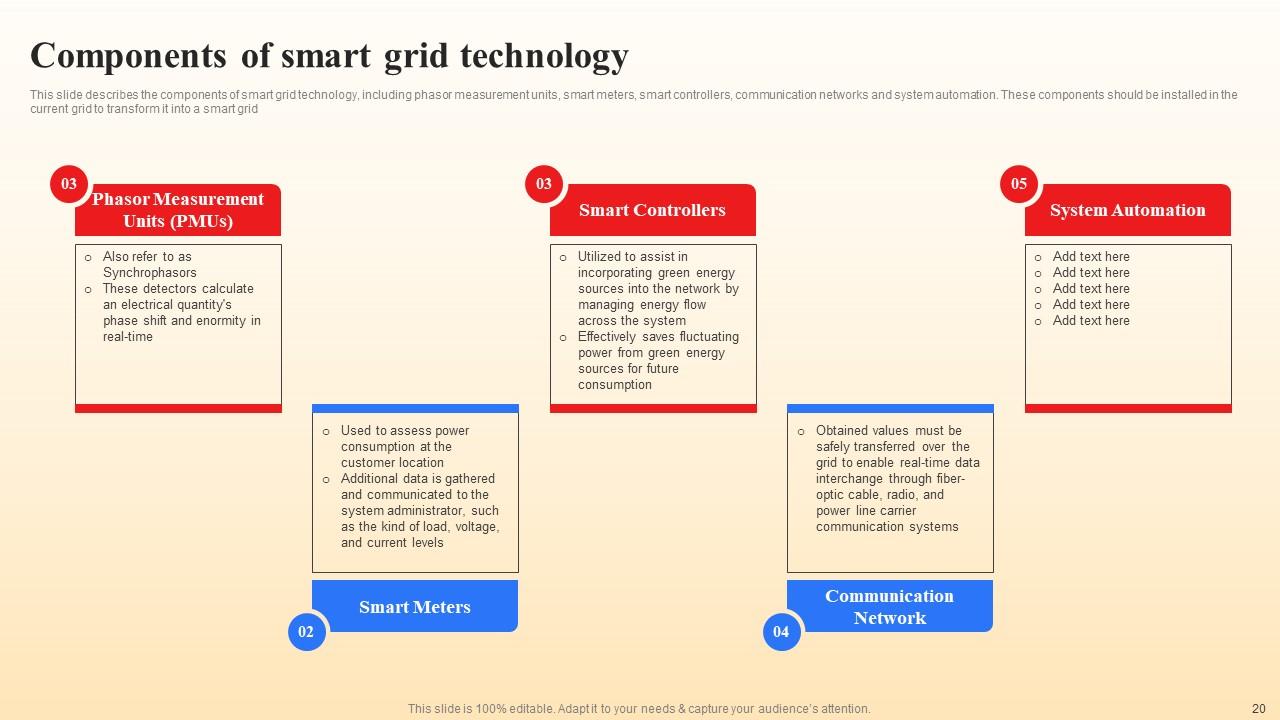
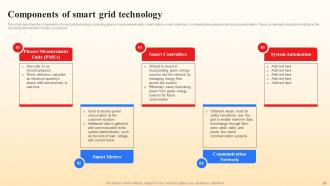
Folie 20 : Diese Folie beschreibt die Komponenten der Smart-Grid-Technologie.
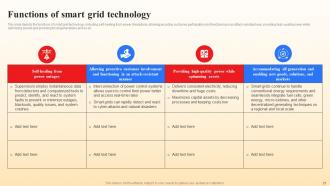
Folie 21 : Diese Folie zeigt die Funktionen der Smart-Grid-Technologie.
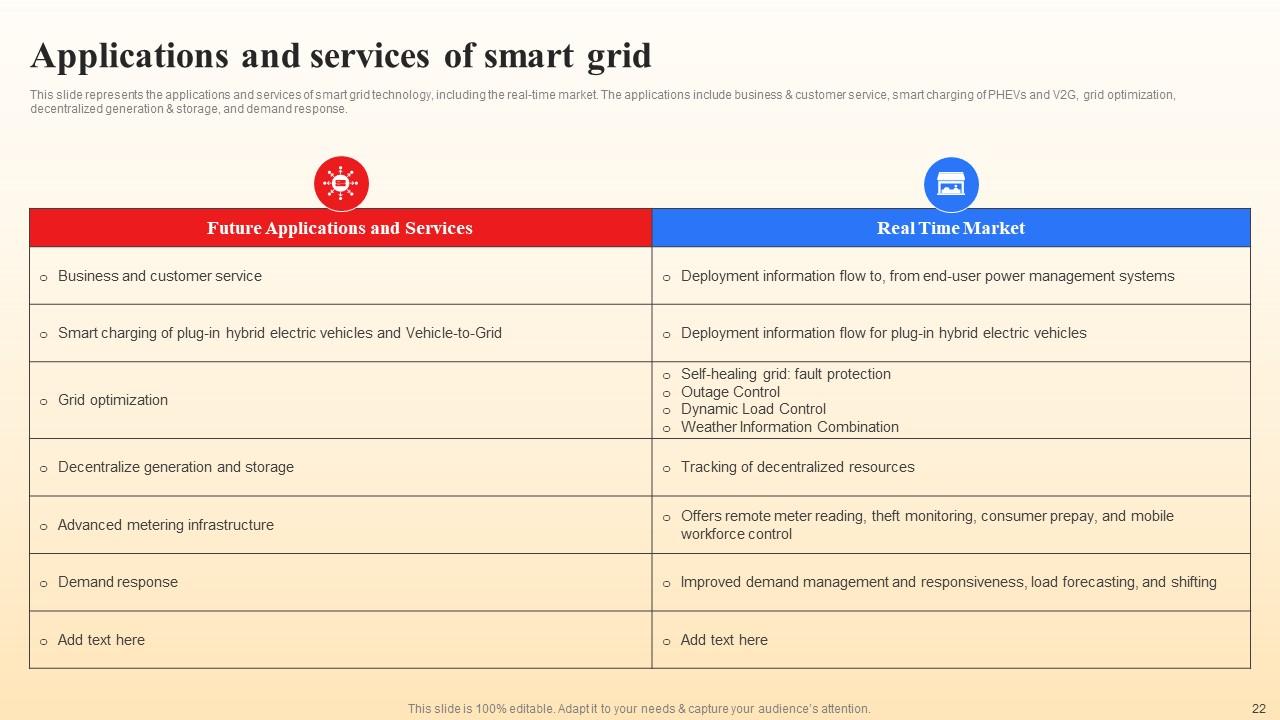
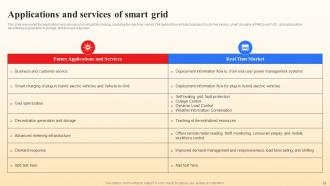
Folie 22 : Diese Folie stellt die Anwendungen und Dienste der Smart-Grid-Technologie dar, einschließlich des Echtzeitmarktes.
Folie 23 : Diese Folie zeigt die Überschrift der Themen, die weiter besprochen werden sollen.
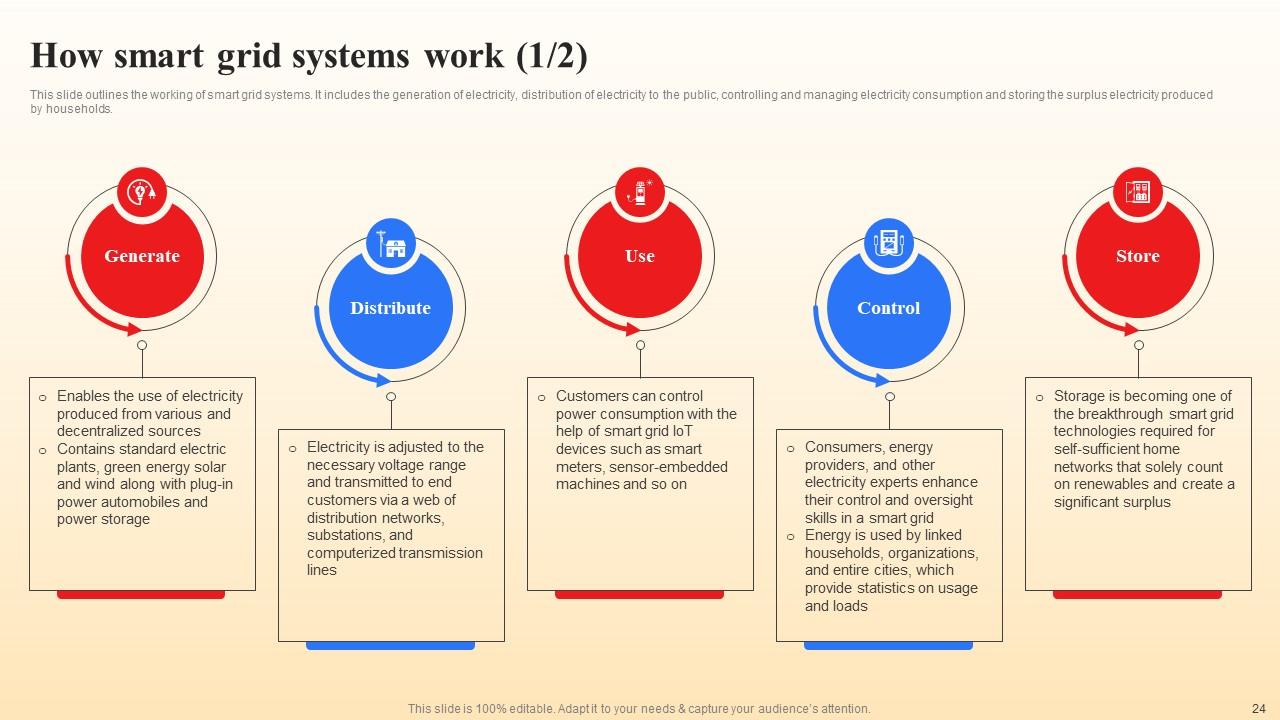
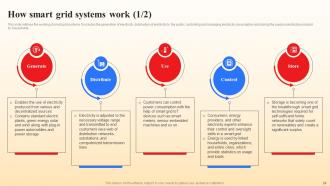
Folie 24 : Diese Folie beschreibt die Funktionsweise von Smart-Grid-Systemen.
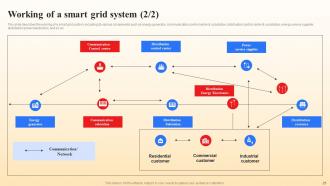
Folie 25 : Diese Folie beschreibt die Funktionsweise eines Smart-Grid-Systems.
Folie 26 : Diese Folie enthält den Titel für die Themen, die in der kommenden Vorlage behandelt werden sollen.
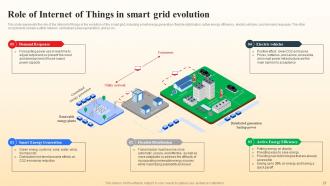
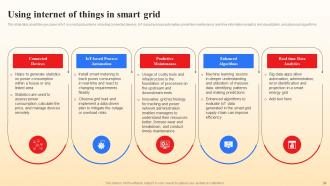
Folie 27 : Diese Folie stellt die Rolle des Internets der Dinge bei der Entwicklung des Smart Grids dar.
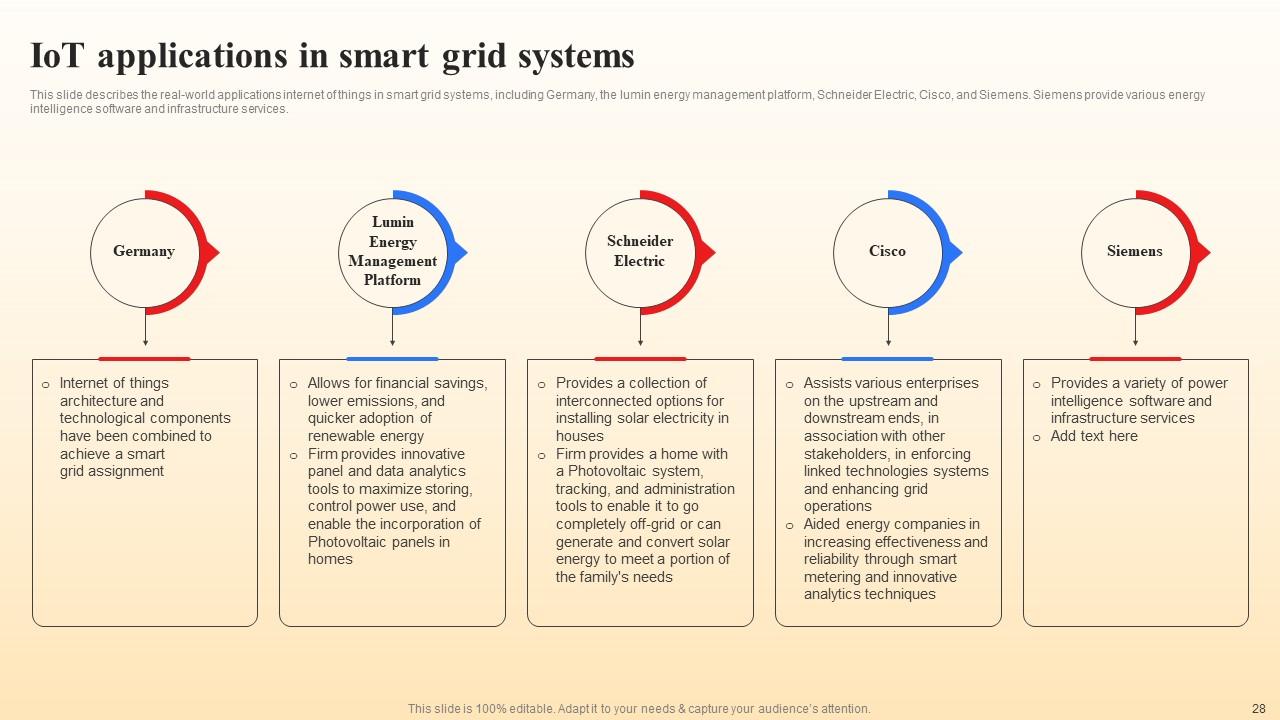
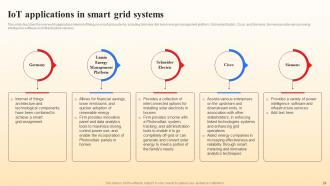
Folie 28 : Diese Folie beschreibt die realen Anwendungen des Internets der Dinge in Smart-Grid-Systemen.
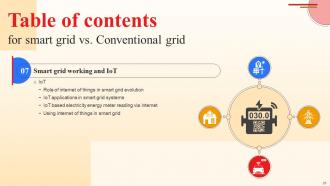
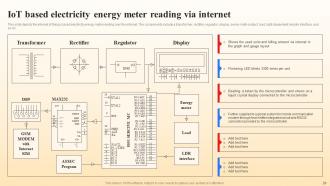
Folie 29 : Diese Folie zeigt die auf dem Internet der Dinge basierende Stromzählerablesung über das Internet.
Folie 30 : Auf dieser Folie geht es um die Anwendungsfälle von IoT in Smart-Grid-Systemen.
Folie 31 : Diese Folie enthält die Überschrift für den Inhalt, der als Nächstes besprochen wird.
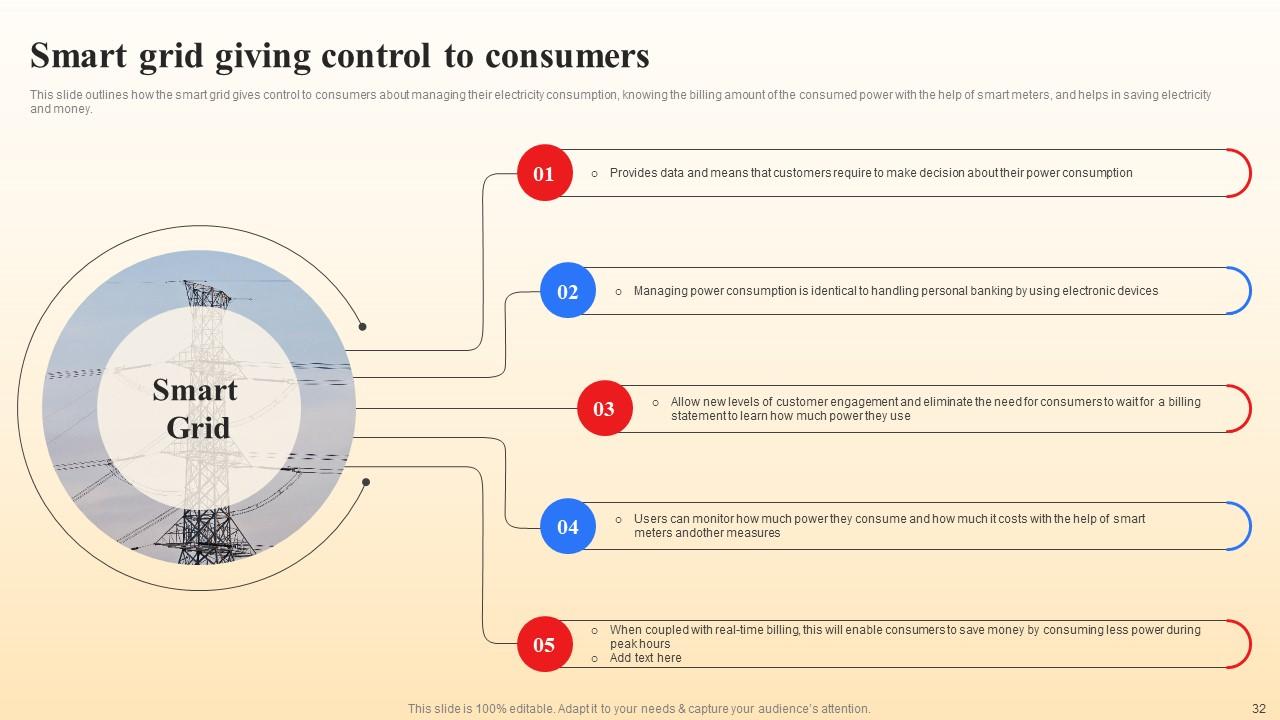
Folie 32 : Diese Folie beschreibt, wie das Smart Grid den Verbrauchern die Kontrolle gibt.
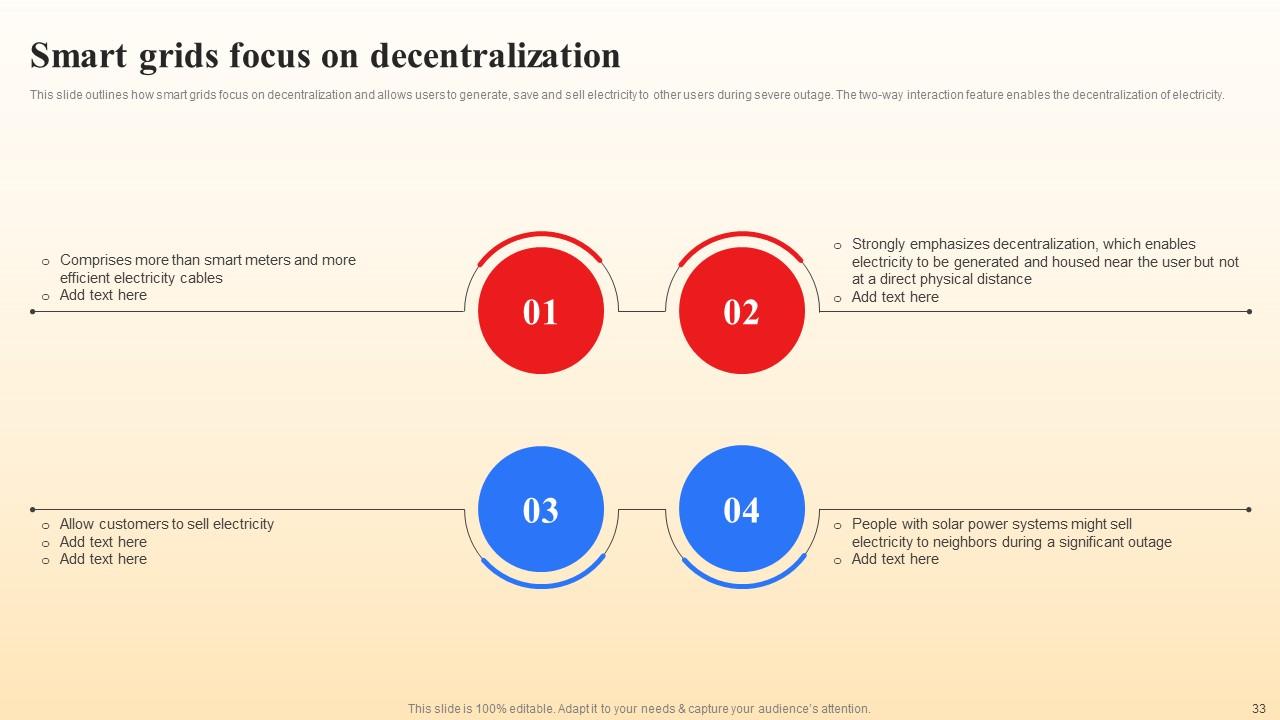
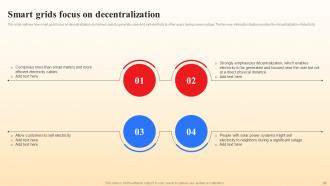
Folie 33 : Diese Folie zeigt, wie Smart Grids den Schwerpunkt auf Dezentralisierung legen.
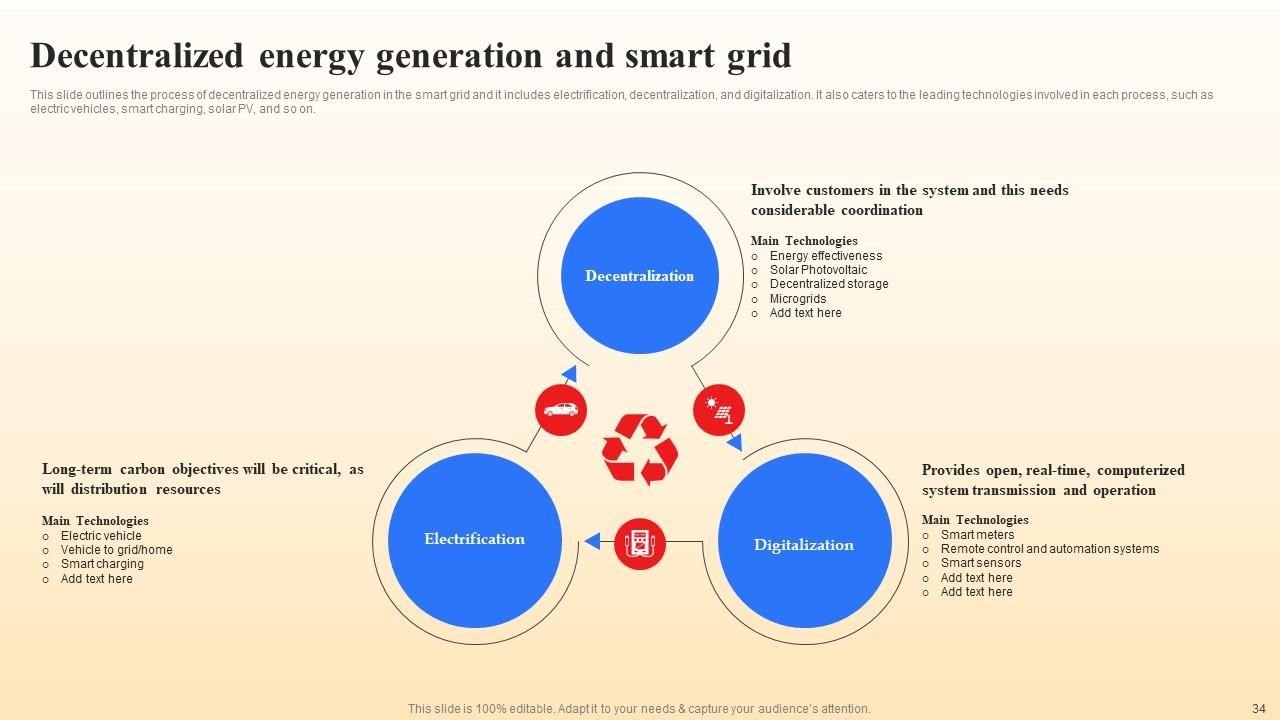
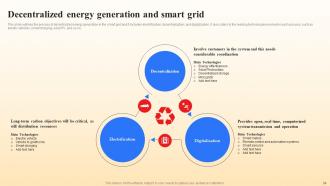
Folie 34 : Diese Folie zeigt den Prozess der dezentralen Energieerzeugung im Smart Grid.
Folie 35 : Diese Folie präsentiert den Titel für die Themen, die in der kommenden Vorlage behandelt werden sollen.
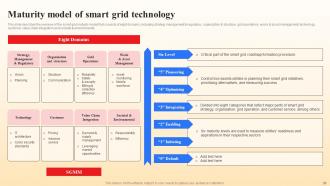
Folie 36 : Diese Folie beschreibt den Überblick über das Smart-Grid-Reifemodell, das aus acht Domänen besteht.
Folie 37 : Diese Folie zeigt die Phasen der Smart-Grid-Reifemodellnavigation.
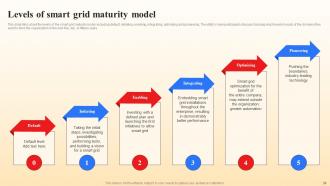
Folie 38 : Auf dieser Folie geht es um die Stufen des Smart-Grid-Reifemodells.
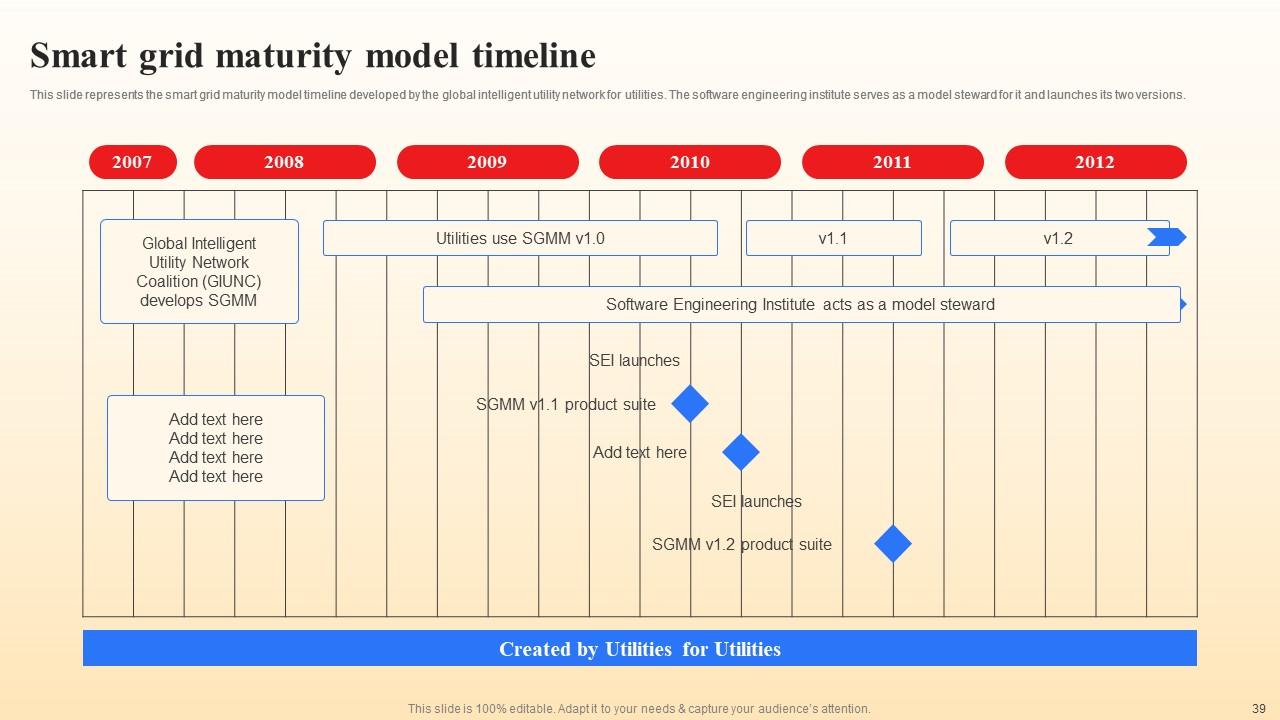
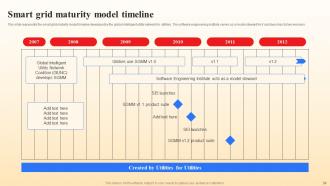
Folie 39 : Diese Folie stellt die Zeitleiste des Smart-Grid-Reifemodells dar, das vom globalen intelligenten Versorgungsnetzwerk für Versorgungsunternehmen entwickelt wurde.
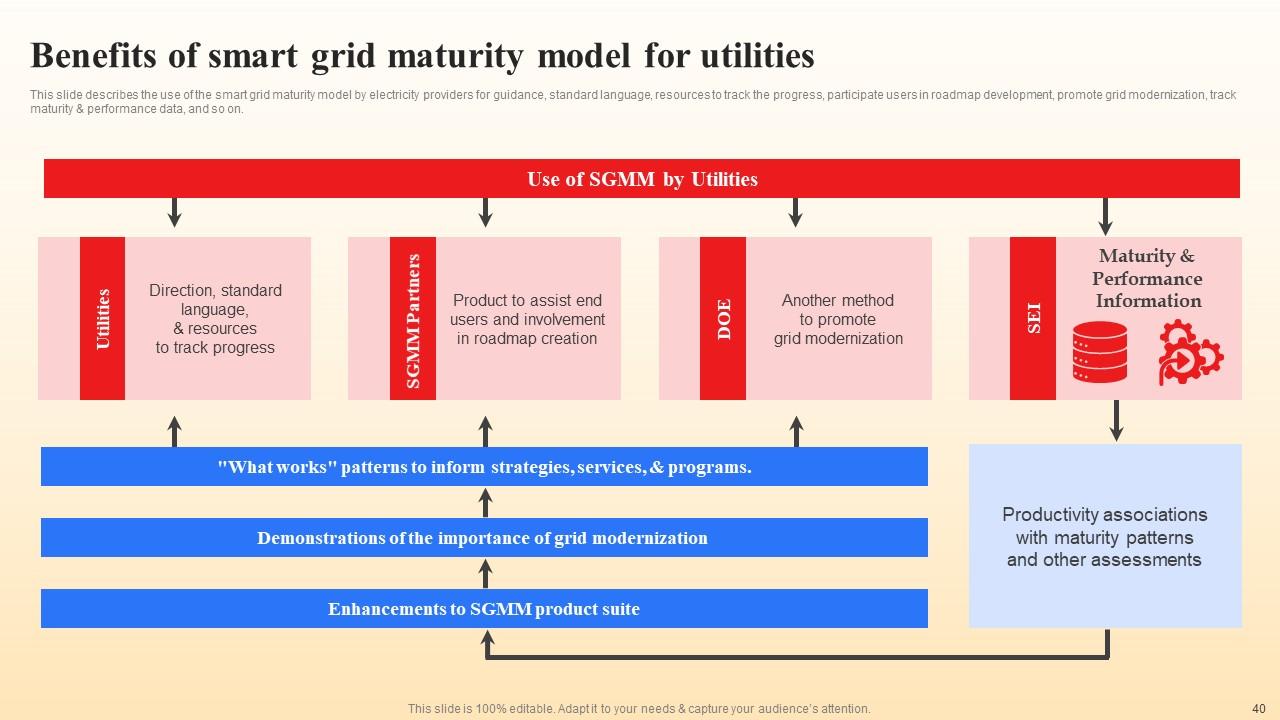
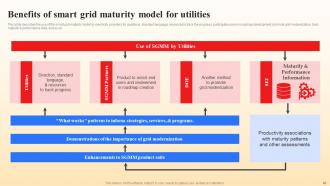
Folie 40 : Diese Folie beschreibt die Nutzung des Smart-Grid-Reifegradmodells durch Stromanbieter.
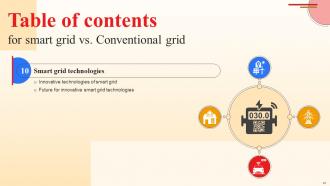
Folie 41 : Diese Folie zeigt die Überschrift der Ideen, die weiter besprochen werden sollen.
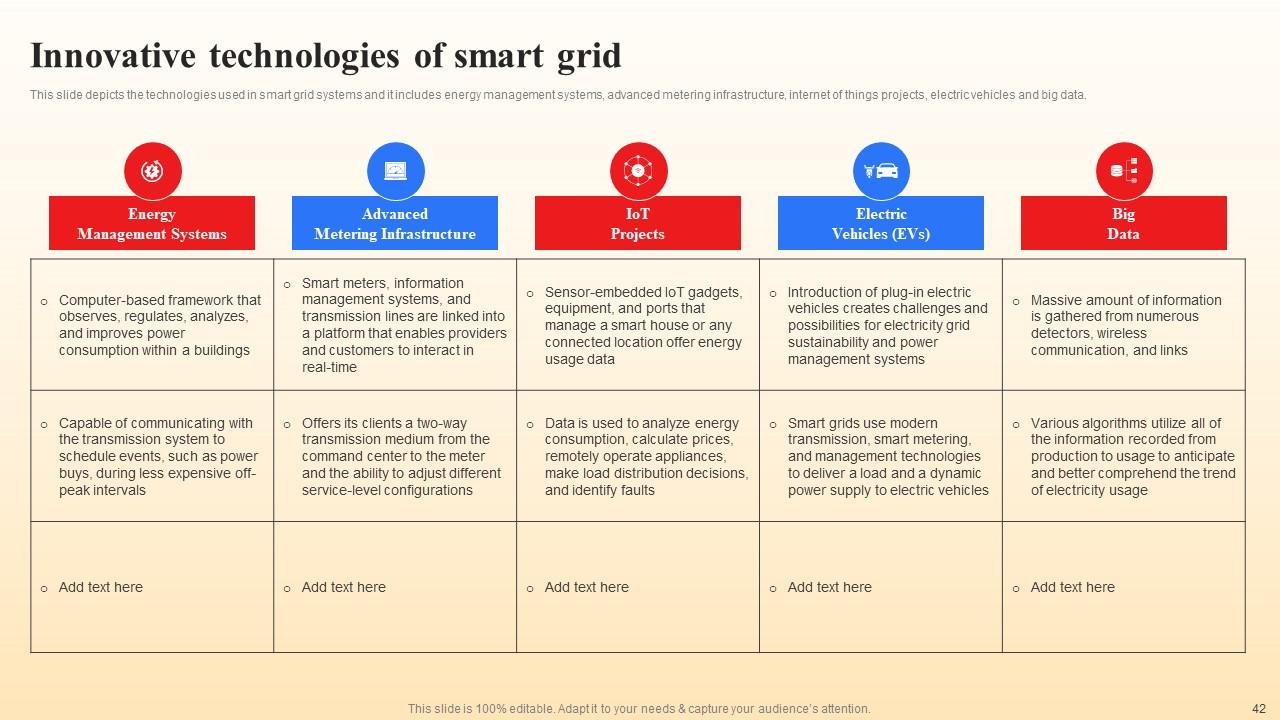
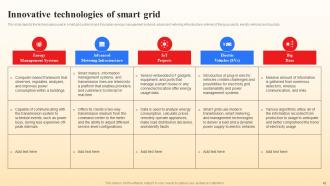
Folie 42 : Diese Folie zeigt die in Smart-Grid-Systemen verwendeten Technologien.
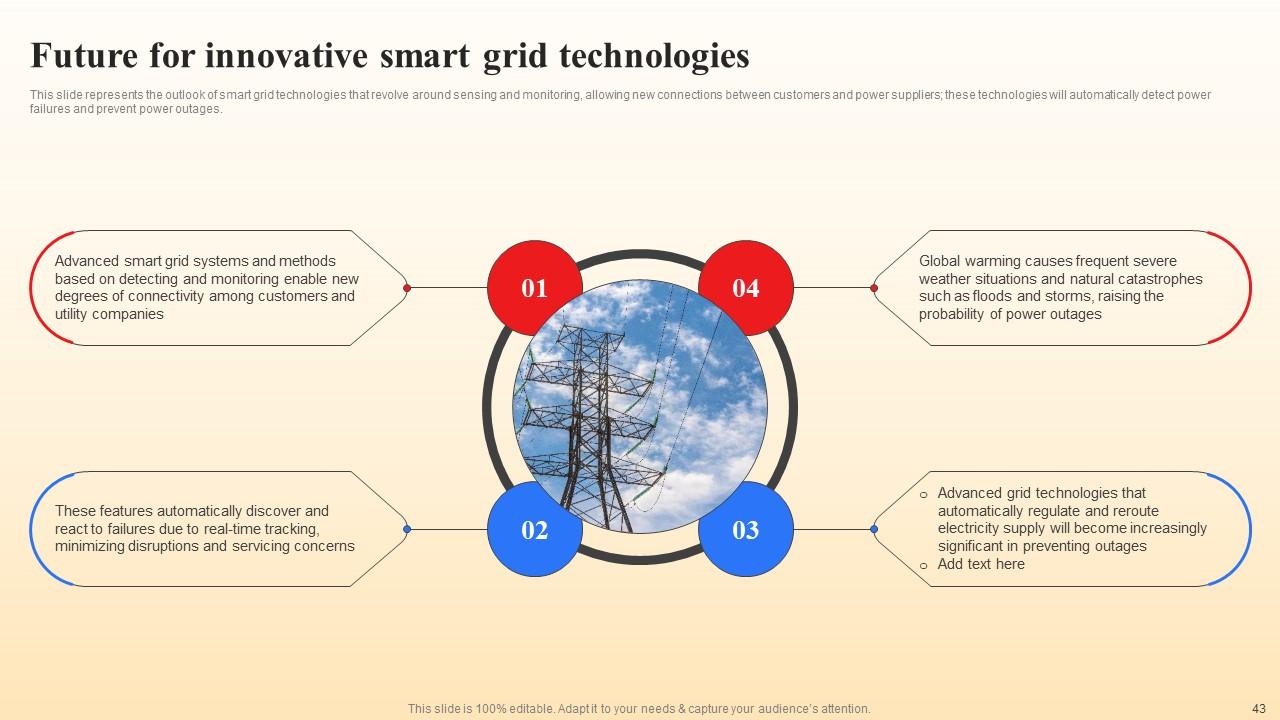
Folie 43 : Diese Folie zeigt die Zukunft innovativer Smart-Grid-Technologien.
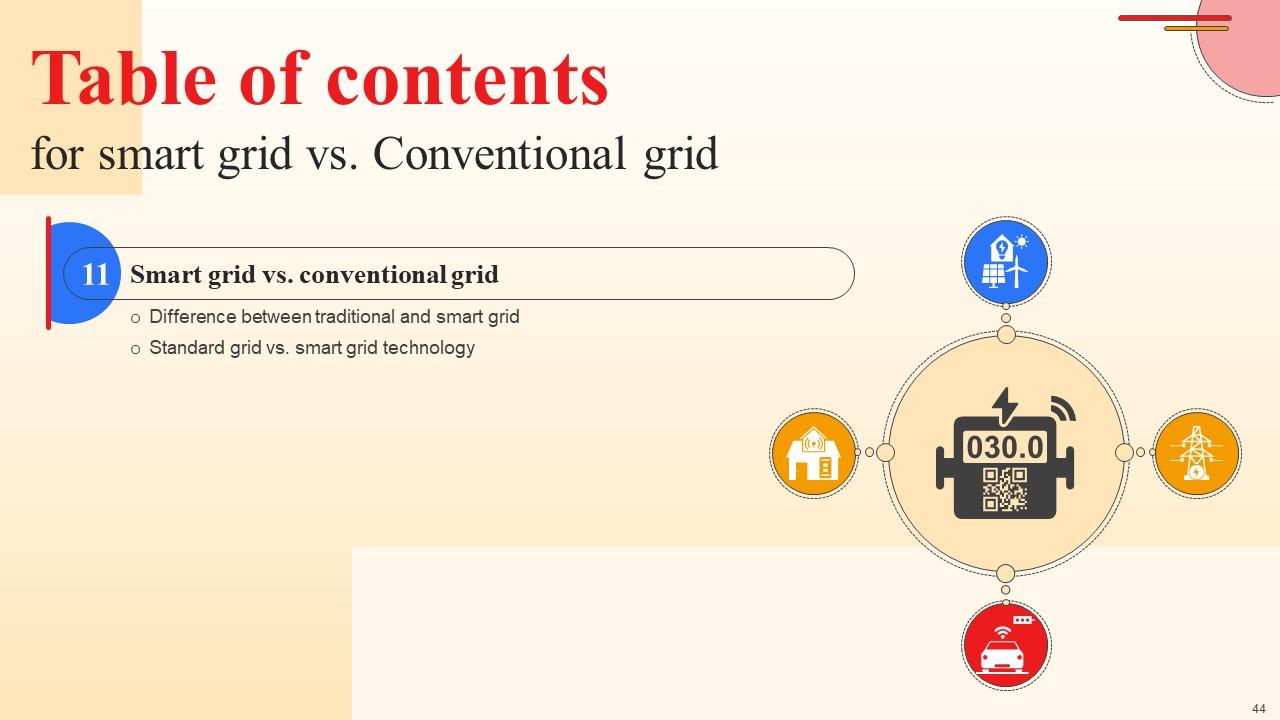
Folie 44 : Auf dieser Folie wird der Titel für die Inhalte angezeigt, die in der kommenden Vorlage behandelt werden sollen.
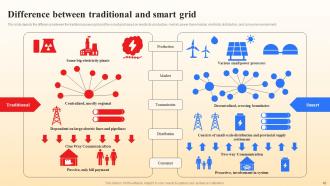
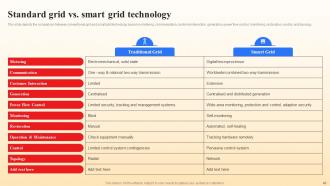
Folie 45 : Diese Folie beleuchtet den Unterschied zwischen traditionellem und intelligentem Stromnetz.
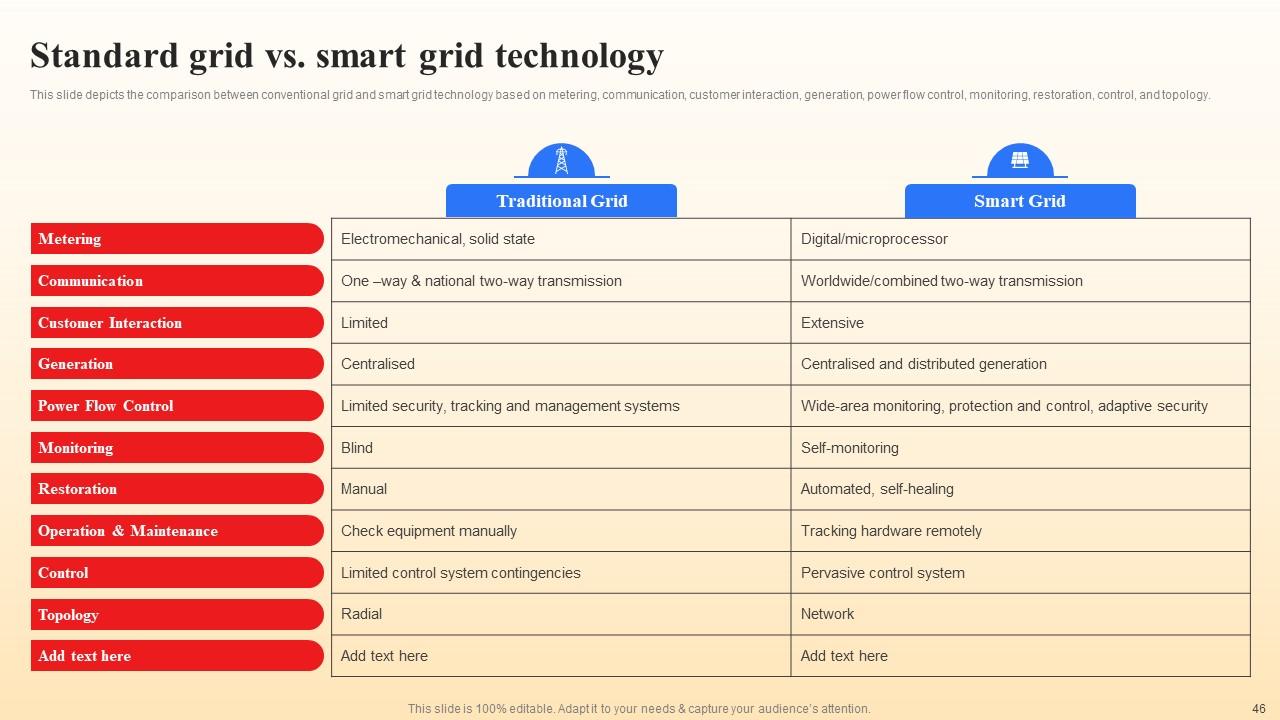
Folie 46 : Diese Folie zeigt den Vergleich zwischen konventioneller Netz- und Smart-Grid-Technologie.
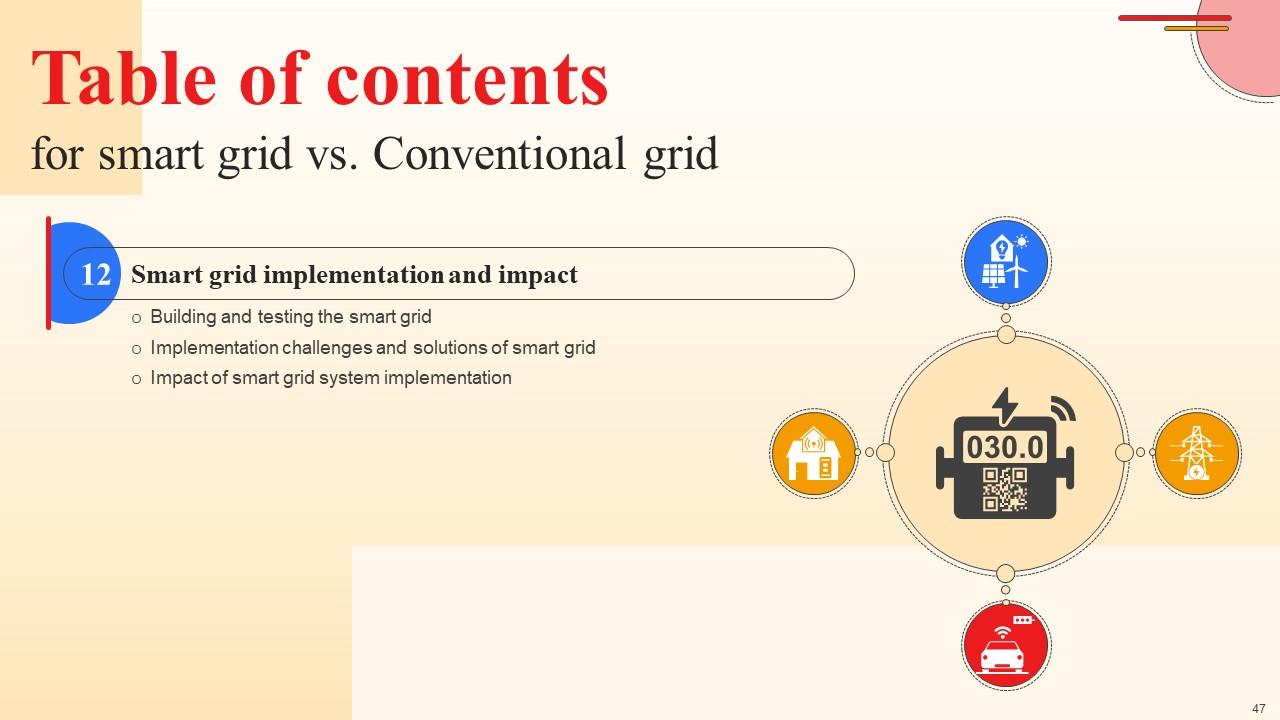
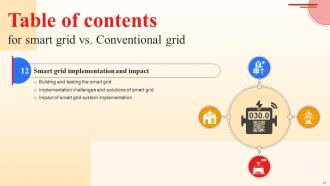
Folie 47 : Diese Folie enthält die Überschrift für die Themen, die in der kommenden Vorlage besprochen werden sollen.
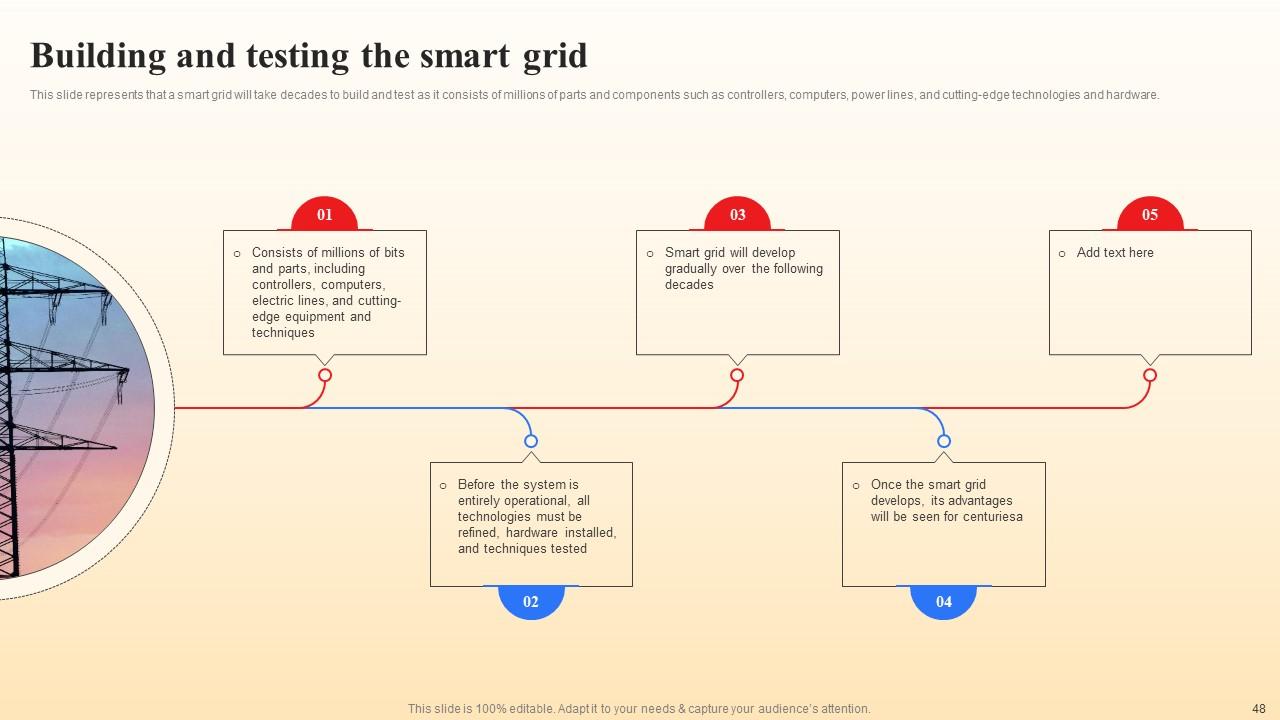
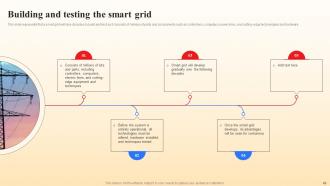
Folie 48 : Diese Folie zeigt, dass der Aufbau und die Erprobung eines Smart Grids Jahrzehnte dauern wird, da es aus Millionen von Teilen und Komponenten besteht.
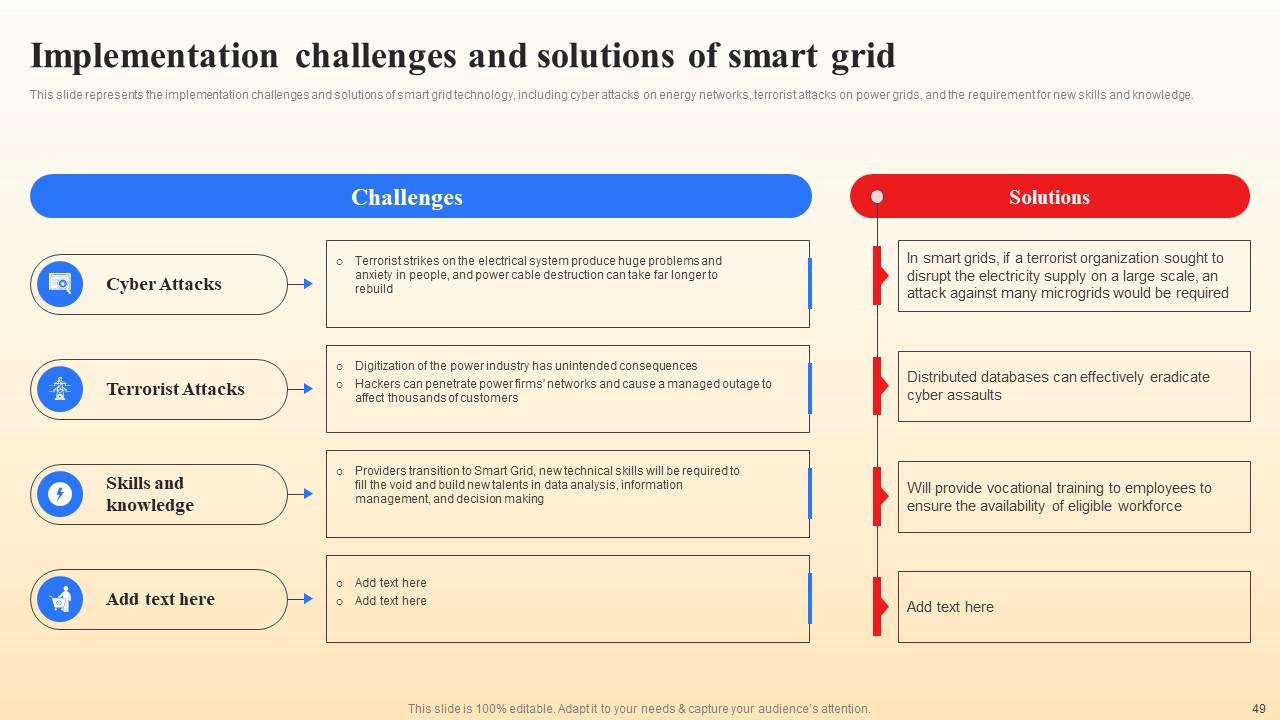
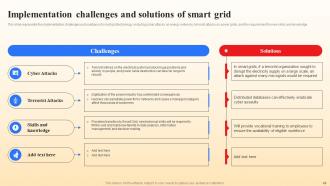
Folie 49 : Diese Folie befasst sich mit Herausforderungen und Lösungen bei der Implementierung von Smart Grids.
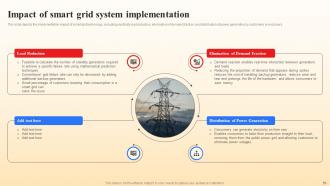
Folie 50 : Diese Folie beleuchtet die Auswirkungen der Implementierung eines Smart-Grid-Systems.
Folie 51 : Diese Folie enthält den Titel für die Themen, die in der kommenden Vorlage behandelt werden sollen.
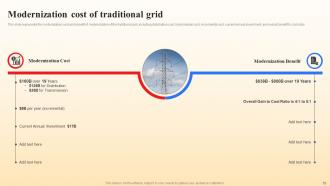
Folie 52 : Diese Folie stellt die Modernisierungskosten und den Nutzen der Modernisierung des traditionellen Netzes dar.
Folie 53 : Diese Folie präsentiert die Überschrift für den Inhalt, der weiter besprochen werden soll.
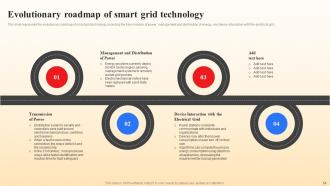
Folie 54 : Diese Folie stellt den Entwicklungsplan der Smart-Grid-Technologie dar.
Folie 55 : Diese Folie enthält den Titel für die Ideen, die in der nächsten Vorlage behandelt werden sollen.
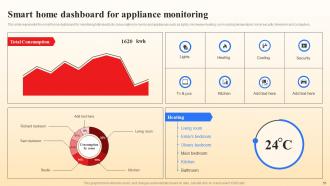
Folie 56 : Diese Folie stellt das Smart-Home-Dashboard zur Überwachung des Gesamtstromverbrauchs von Räumen und Geräten dar.
Folie 57 : Dies ist die Icons-Folie, die alle im Plan verwendeten Icons enthält.
Folie 58 : Diese Folie dient der Darstellung einiger zusätzlicher Informationen.
Folie 59 : Dies ist die Zitate-Folie zur Motivation.
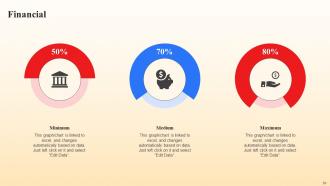
Folie 60 : Diese Folie erläutert Informationen zum Finanzthema.
Folie 61 : Diese Folie zeigt die Mindmap des Unternehmens.
Folie 62 : Diese Folie enthält die Mission, Vision und Werte der Organisation.
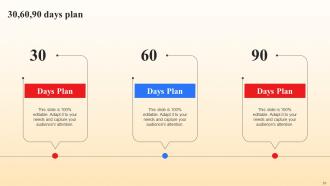
Folie 63 : Dies ist die 30-, 60- und 90-Tage-Planfolie für eine effektive Planung.
Folie 64 : Dies ist die Venn-Diagramm-Folie.
Folie 65 : Diese Folie zeigt die Zeitleiste des Unternehmens.
Folie 66 : Dies ist die Folie „Ideengenerierung“, um neue Ideen zu fördern.
Folie 67 : Dies ist die Zielfolie. Geben Sie hier Ihre Unternehmensziele an.
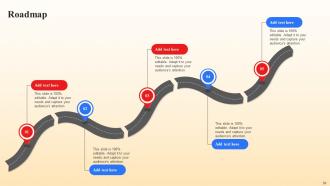
Folie 67 : Diese Folie zeigt die Roadmap des Unternehmens.
Folie 69 : Dies ist die Dankesfolie für die Danksagung.
Smart Grid vs. konventionelles Grid Powerpoint-Präsentationsfolien mit allen 78 Folien:
Nutzen Sie unsere Powerpoint-Präsentationsfolien „Smart Grid vs. konventionelles Netz“, um effektiv wertvolle Zeit zu sparen. Sie sind gebrauchsfertig und passen in jede Präsentationsstruktur.
-
Editable templates with innovative design and color combination.
-
Based on my personal experience, I would recommend other people to subscribe to SlideTeam. No one can be disappointed here!
