


Slides de apresentação em Powerpoint de rede inteligente versus rede convencional
Confira nossa apresentação em PowerPoint sobre rede inteligente versus rede convencional que dá uma breve ideia sobre a tecnologia de rede inteligente, incluindo sua comparação com redes tradicionais, tamanho do mercado, objetivo, importância, lacuna tecnológica e sua trabalhando com IoT. Abrange uma visão geral da rede inteligente, abrangendo a sua introdução, características, infraestrutura, o que torna uma rede inteligente e uma breve ideia do sistema de rede tradicional e dos seus problemas. Nosso deck de infraestrutura de rede inteligente contém o tamanho do mercado, o objetivo e a importância da tecnologia de rede inteligente. Também inclui uma visão geral da lacuna tecnológica das redes inteligentes, seus componentes, funções e aplicações em diferentes áreas. Além disso, o Smart Grid Technology PPT consiste na relação entre a rede inteligente e a Internet das Coisas IoT, o envolvimento do usuário e a descentralização de energia na rede inteligente, o modelo inovador de maturidade da rede e diferentes tecnologias de rede inteligente. Além disso, fornece uma comparação entre redes inteligentes e tradicionais, implementação e impacto da tecnologia de redes inteligentes. Além disso, este conjunto de modelos de maturidade da rede inteligente compreende um custo de modernização da rede convencional, um roteiro de evolução e um painel inicial inovador para monitoramento de eletrodomésticos. Baixe nosso modelo 100% editável e personalizável, que também é compatível com o Apresentações Google.


















































You must be logged in to download this presentation.


Do you want to remove this product from your favourites?
 Impress your
 audience
 100%
100% Editable
 Save Hours
 of Time
Recursos desses slides de apresentação em PowerPoint:
Encante seu público com estes slides de apresentação em PowerPoint de rede inteligente versus grade convencional. Aumente seu limite de apresentação implantando este modelo bem elaborado. Atua como uma ótima ferramenta de comunicação devido ao seu conteúdo bem pesquisado. Ele também contém ícones estilizados, gráficos, recursos visuais, etc., que o tornam um chamariz imediato de atenção. Composto por sessenta e nove slides, esta apresentação completa é tudo que você precisa para ser notado. Todos os slides e seu conteúdo podem ser alterados para se adequarem ao seu ambiente comercial exclusivo. Além disso, outros componentes e gráficos também podem ser modificados para adicionar toques pessoais a este conjunto pré-fabricado.

People who downloaded this PowerPoint presentation also viewed the following :
Conteúdo desta apresentação em PowerPoint
Slide 1 : Este slide apresenta a Rede Inteligente versus Rede Convencional. Comece informando o nome da sua empresa.
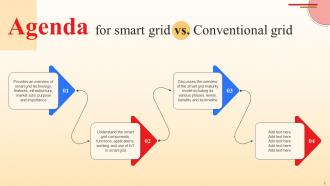
Slide 2 : Este slide mostra a agenda da apresentação.
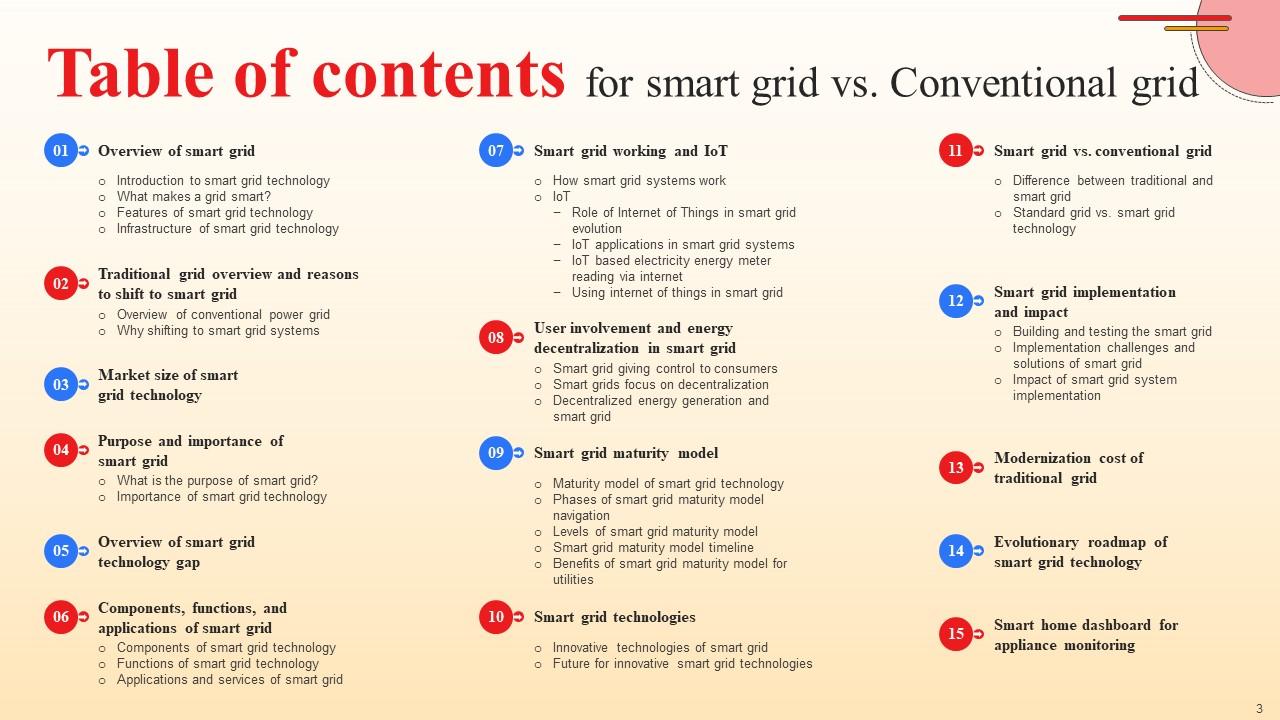
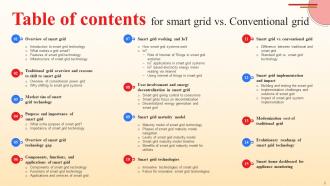
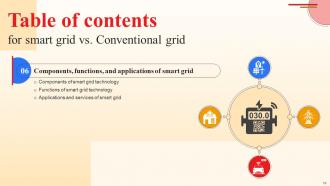
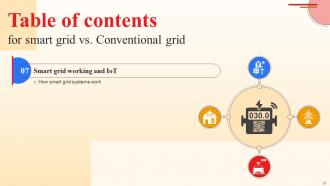
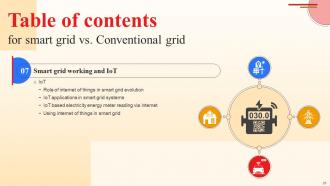
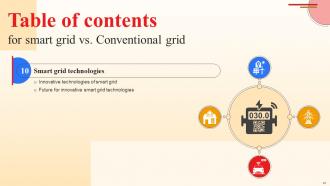
Slide 3 : Este slide inclui o índice.
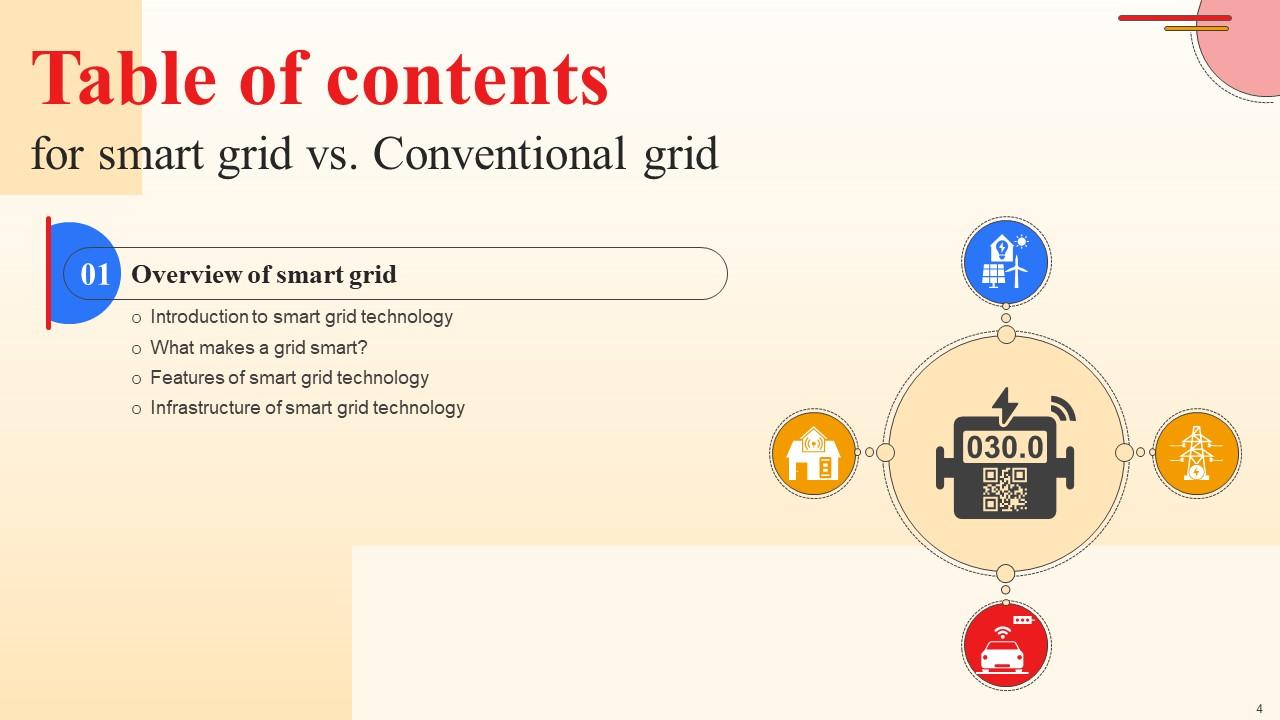
Slide 4 : Este slide destaca o título dos tópicos a serem abordados mais detalhadamente.
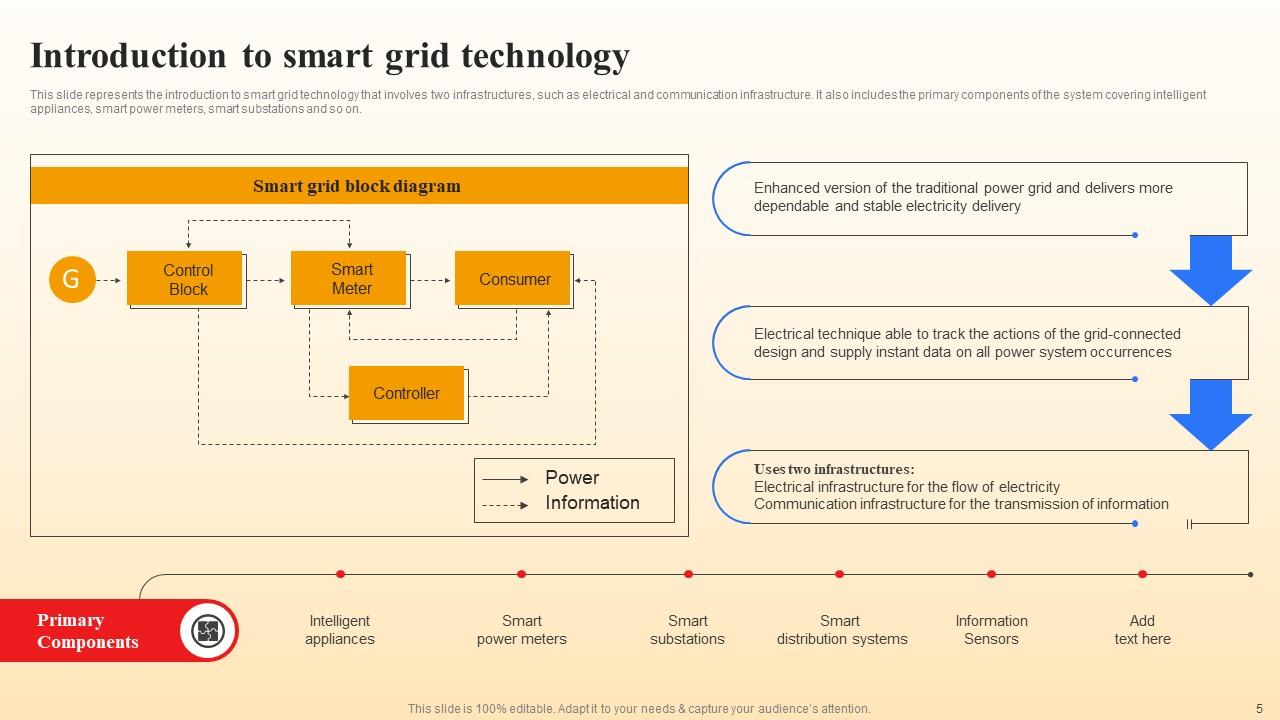
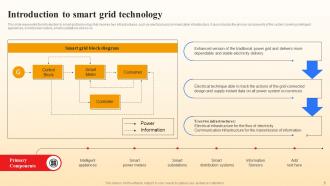
Slide 5 : Este slide representa a introdução à tecnologia de redes inteligentes.
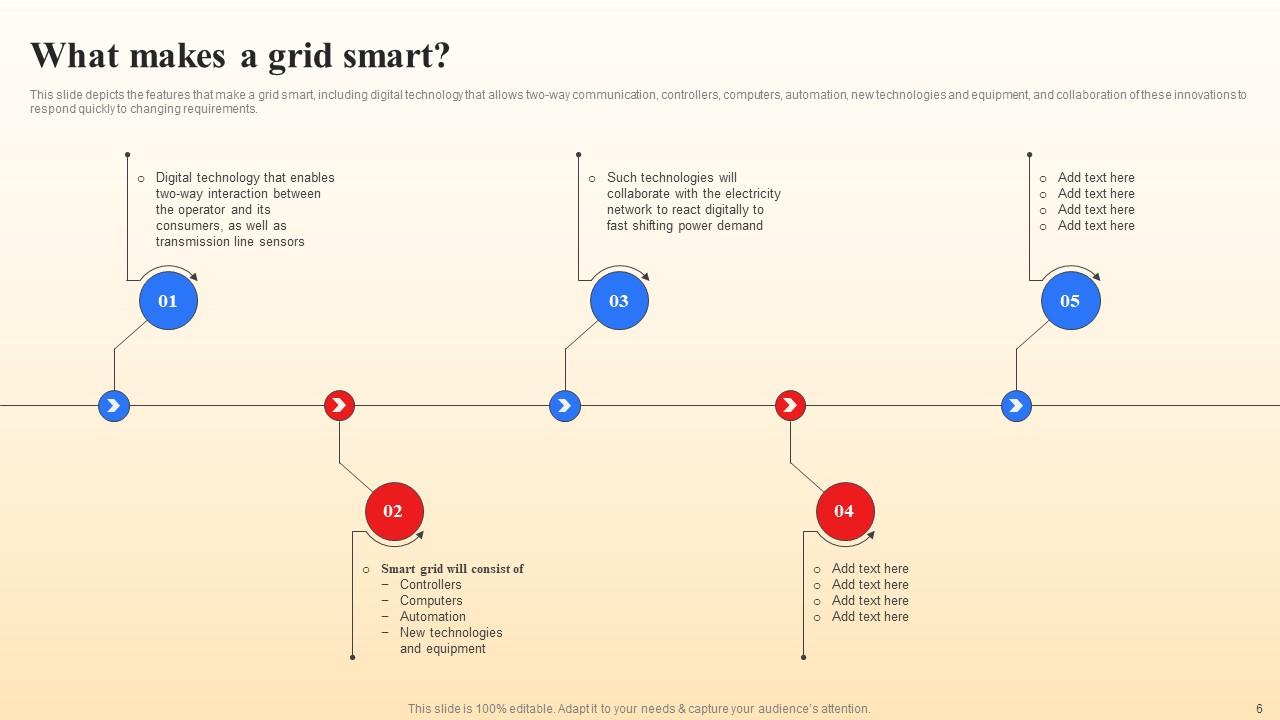
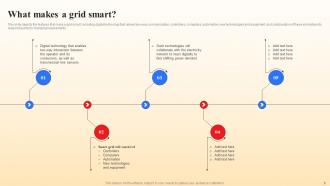
Slide 6 : Este slide descreve os recursos que tornam uma grade inteligente.
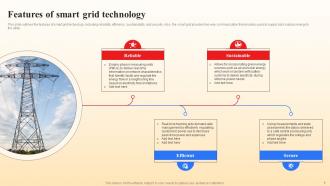
Slide 7 : Este slide descreve os recursos da tecnologia de rede inteligente.
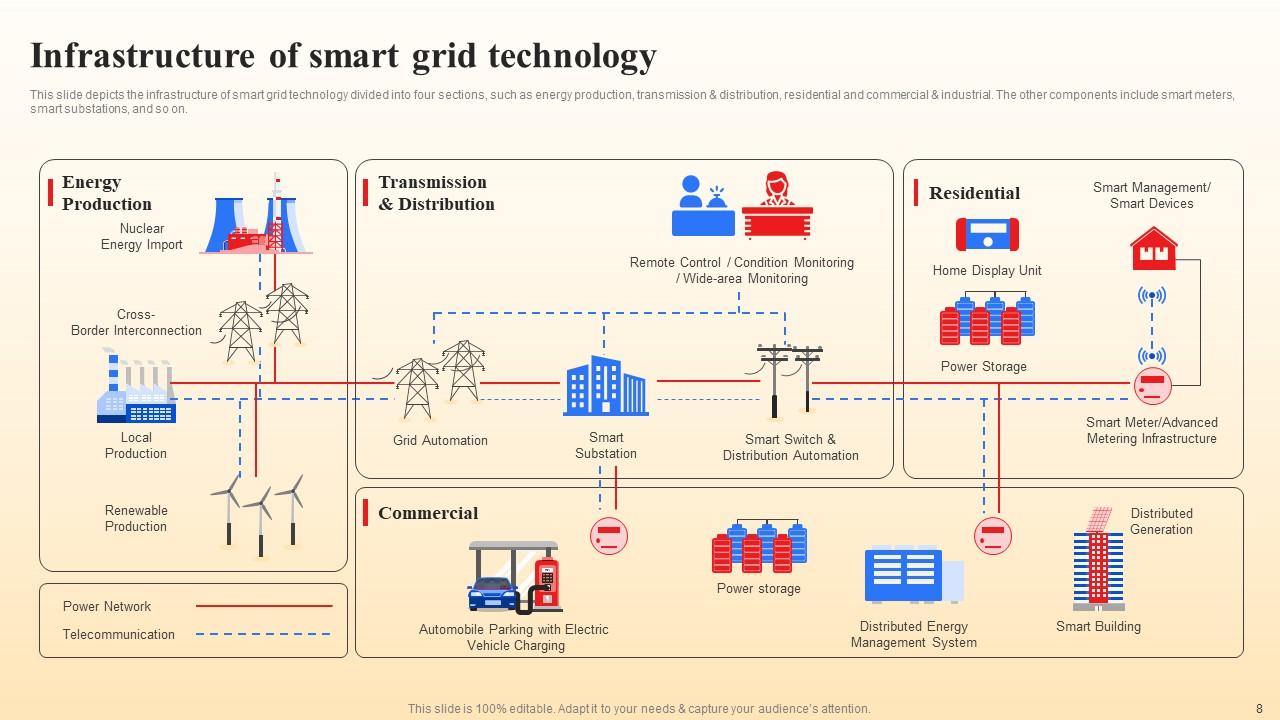
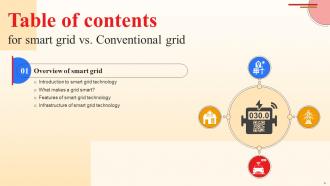
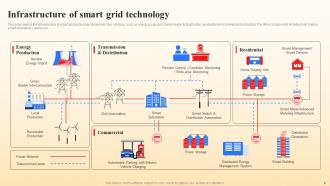
Slide 8 : Este slide mostra a infraestrutura da tecnologia de rede inteligente dividida em quatro seções.
Slide 9 : Este slide inclui o cabeçalho do conteúdo a ser discutido a seguir.
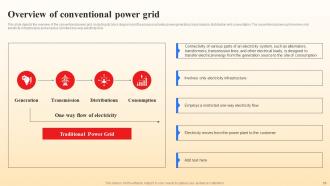
Slide 10 : Este slide retrata a visão geral da rede elétrica convencional.
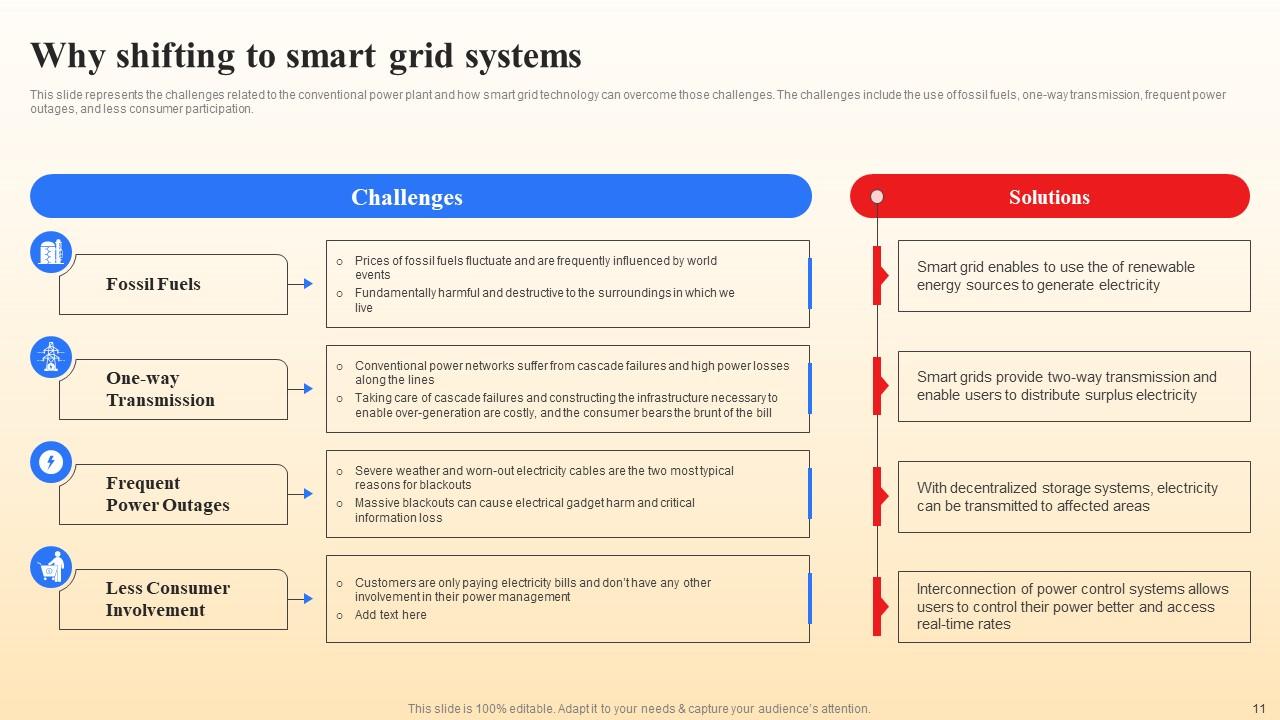
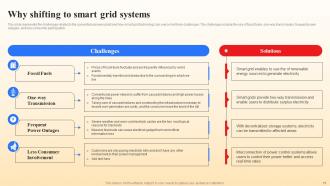
Slide 11 : Este slide representa os desafios relacionados à usina convencional e como a tecnologia de rede inteligente pode superar esses desafios.
Slide 12 : Este slide contém o título das ideias a serem abordadas no próximo modelo.
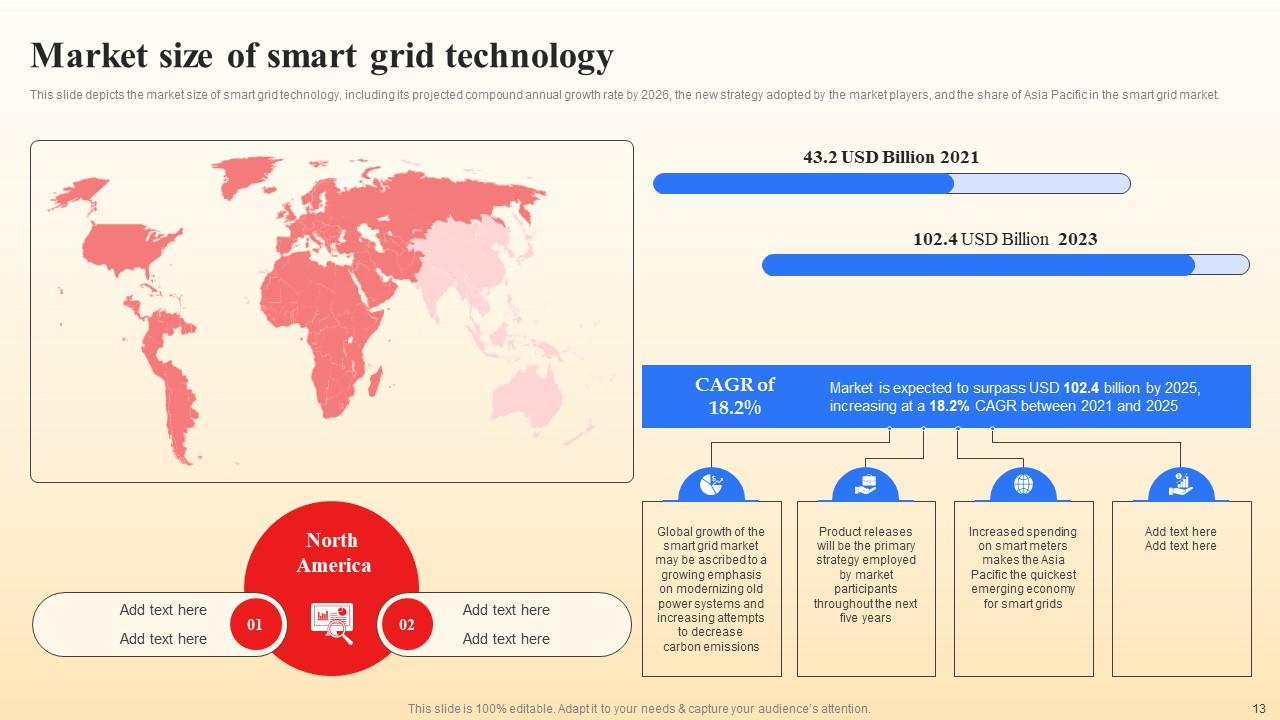
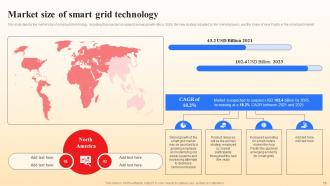
Slide 13 : Este slide mostra o tamanho do mercado da tecnologia de redes inteligentes.
Slide 14 : Este slide destaca o título das ideias a serem discutidas no próximo modelo.
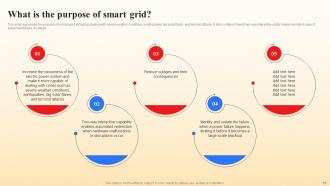
Slide 15 : Este slide representa o propósito de uma rede inteligente.
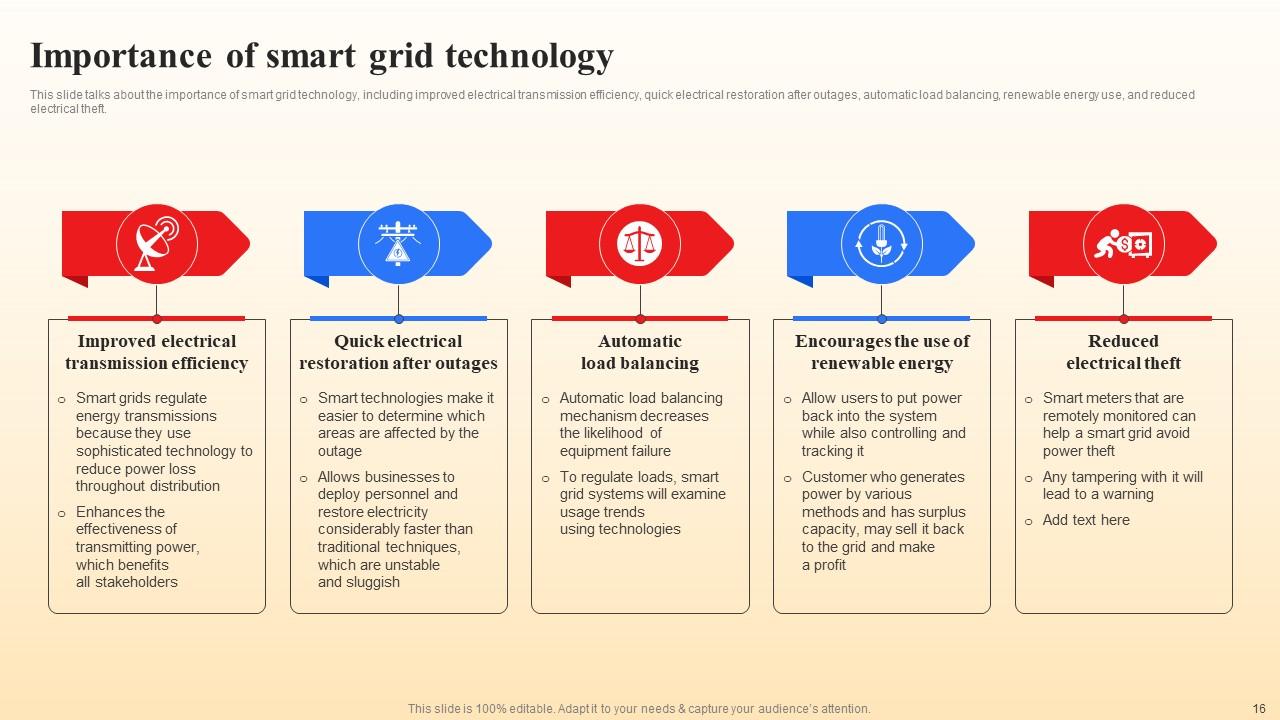
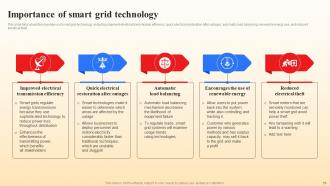
Slide 16 : Este slide revela a importância da tecnologia de redes inteligentes.
Slide 17 : Este slide exibe o título do conteúdo a ser abordado no próximo modelo.
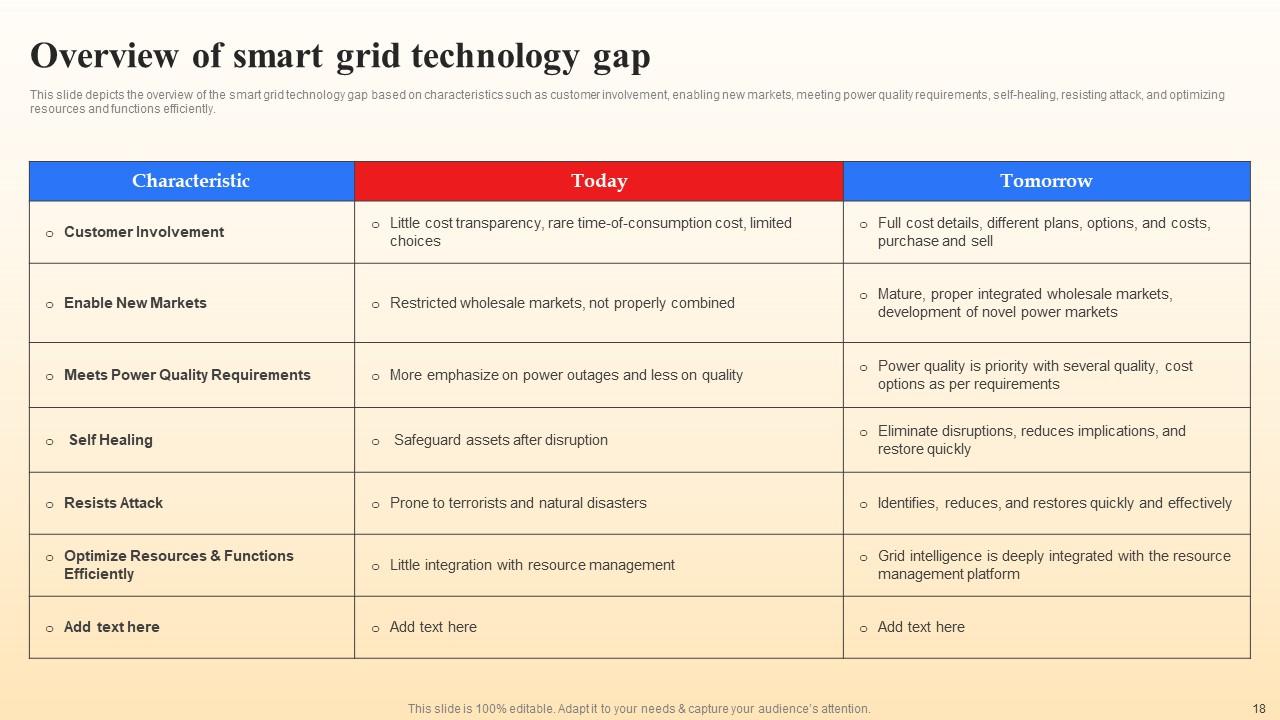
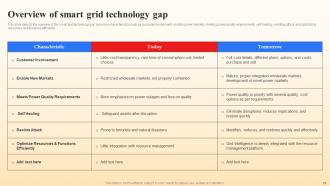
Slide 18 : Este slide mostra a visão geral da lacuna tecnológica das redes inteligentes.
Slide 19 : Este slide inclui o título do conteúdo a ser abordado no próximo modelo.
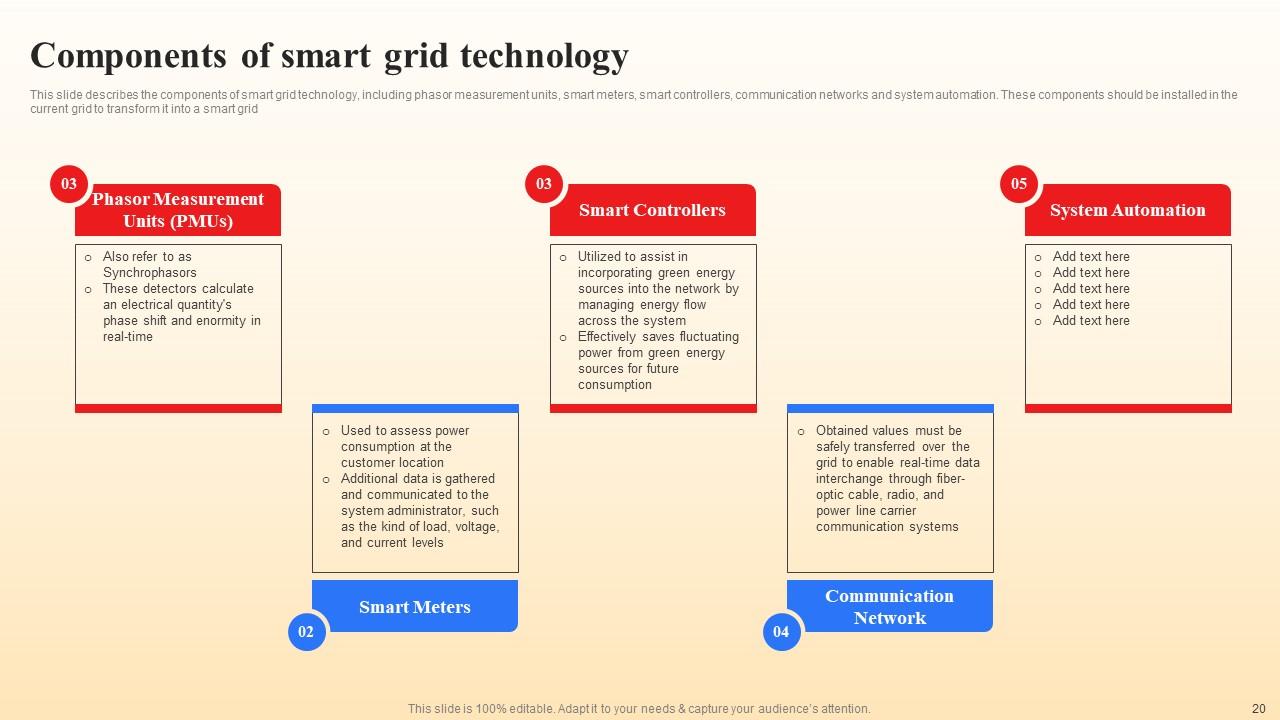
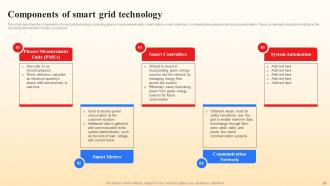
Slide 20 : Este slide descreve os componentes da tecnologia de rede inteligente.
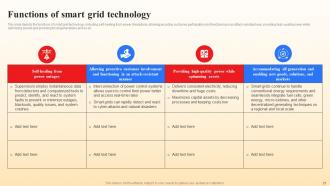
Slide 21 : Este slide descreve as funções da tecnologia de rede inteligente.
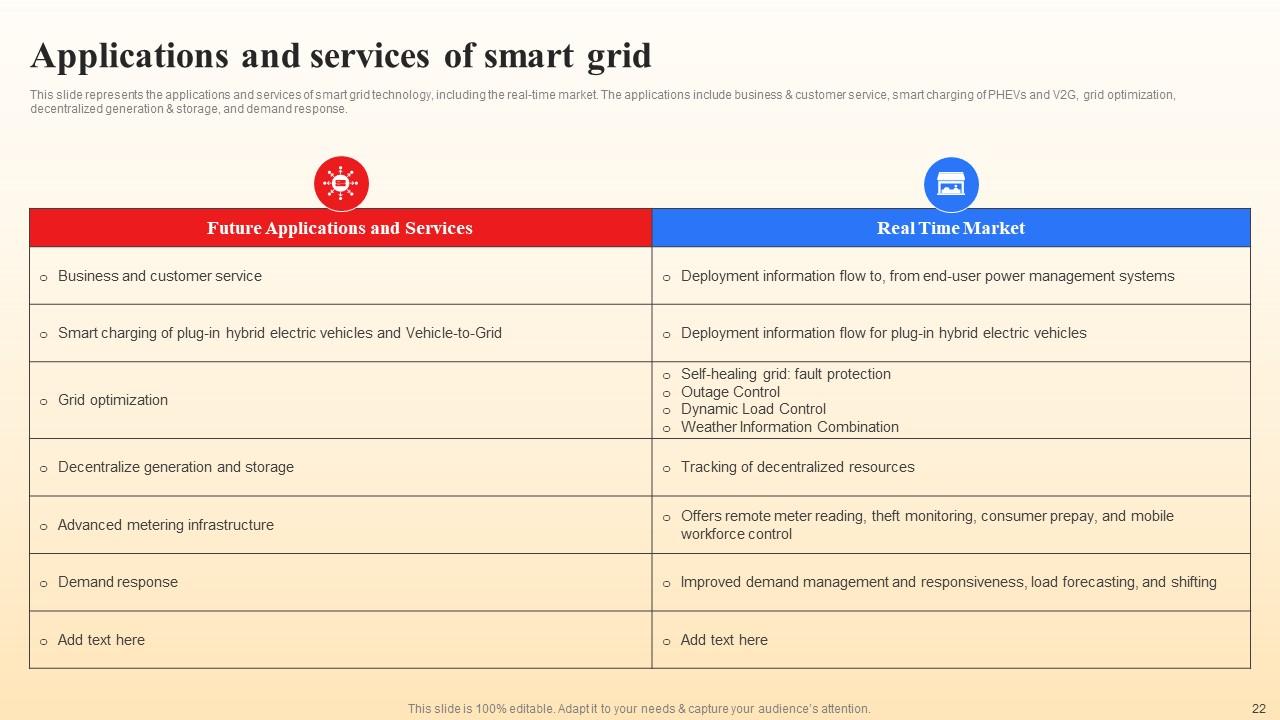
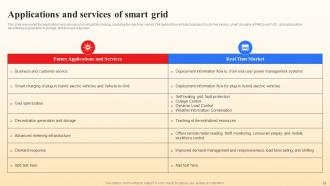
Slide 22 : Este slide representa as aplicações e serviços da tecnologia de redes inteligentes, incluindo o mercado em tempo real.
Slide 23 : Este slide retrata o cabeçalho dos tópicos a serem discutidos mais adiante.
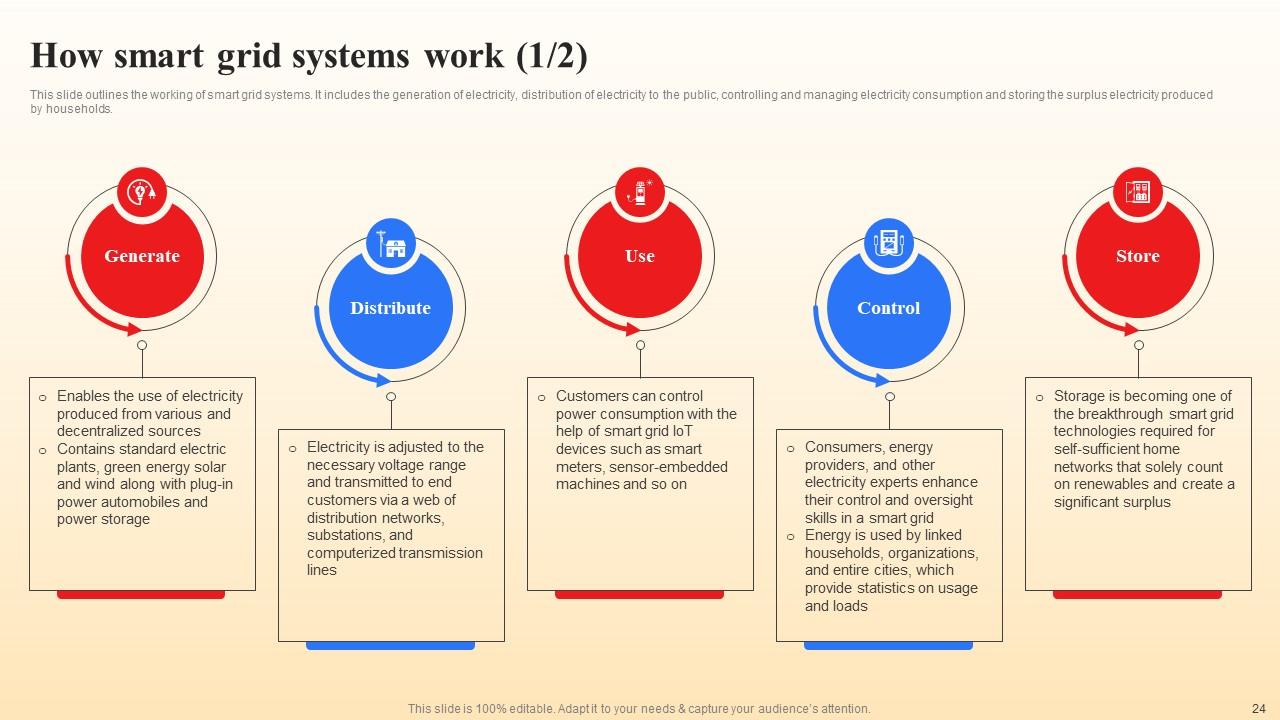
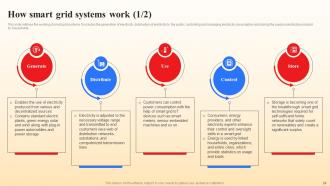
Slide 24 : Este slide descreve o funcionamento dos sistemas de redes inteligentes.
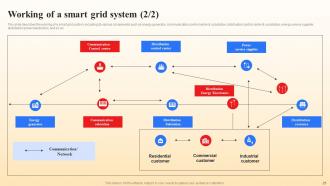
Slide 25 : Este slide descreve o funcionamento de um sistema de rede inteligente.
Slide 26 : Este slide inclui o título dos tópicos a serem abordados no próximo modelo.
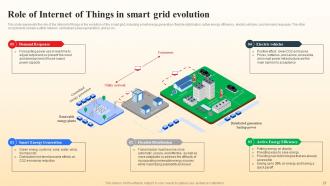
Slide 27 : Este slide representa o papel da Internet das coisas na evolução da rede inteligente.
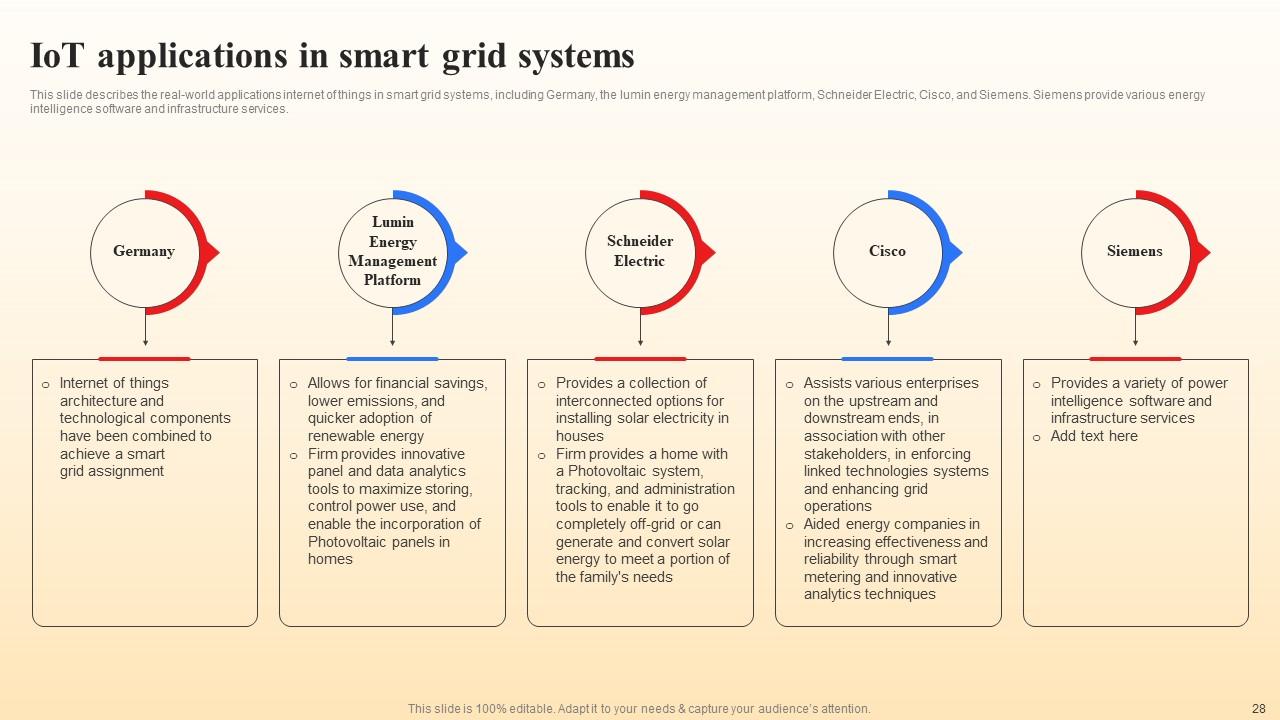
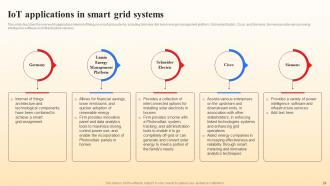
Slide 28 : Este slide descreve as aplicações reais da Internet das Coisas em sistemas de redes inteligentes.
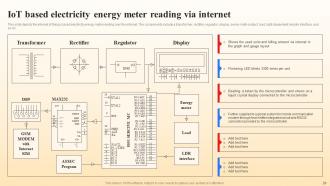
Slide 29 : Este slide mostra a leitura de medidores de energia elétrica baseados na Internet das Coisas pela Internet.
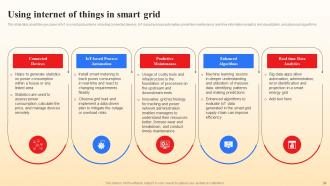
Slide 30 : Este slide fala sobre os casos de uso da IoT em sistemas de redes inteligentes.
Slide 31 : Este slide inclui o cabeçalho do conteúdo a ser discutido a seguir.
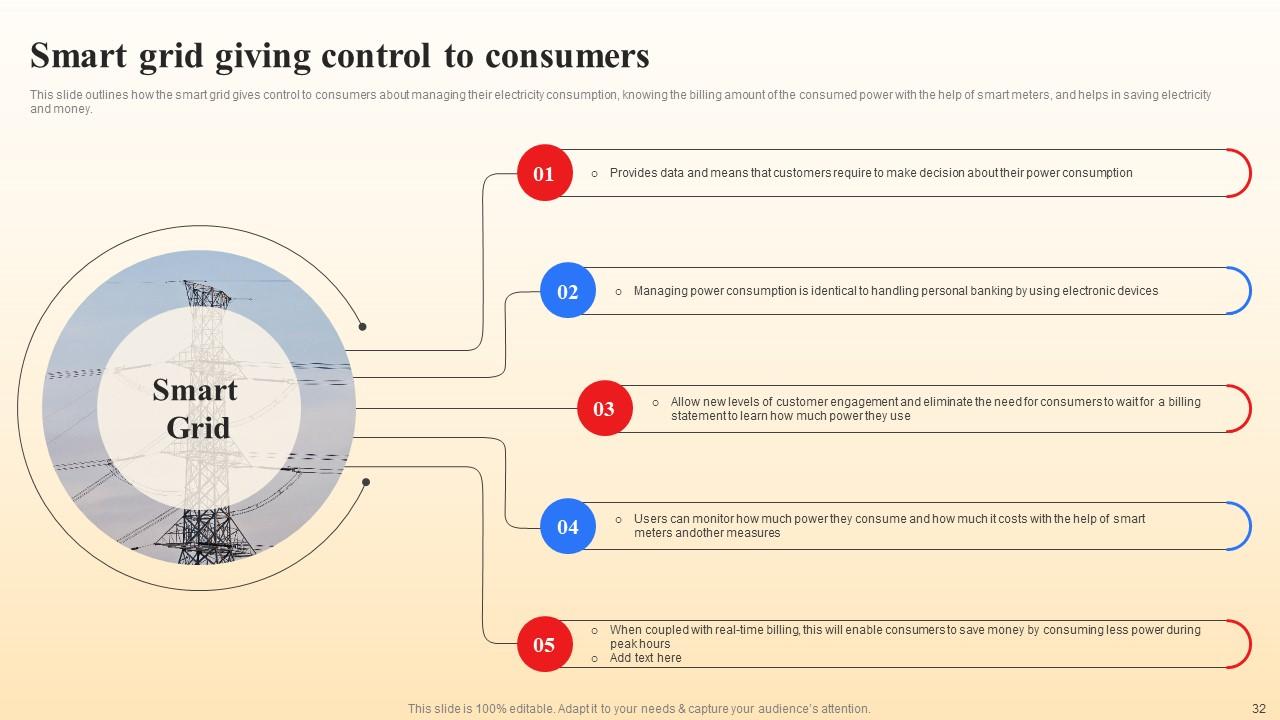
Slide 32 : Este slide descreve como a rede inteligente dá controle aos consumidores.
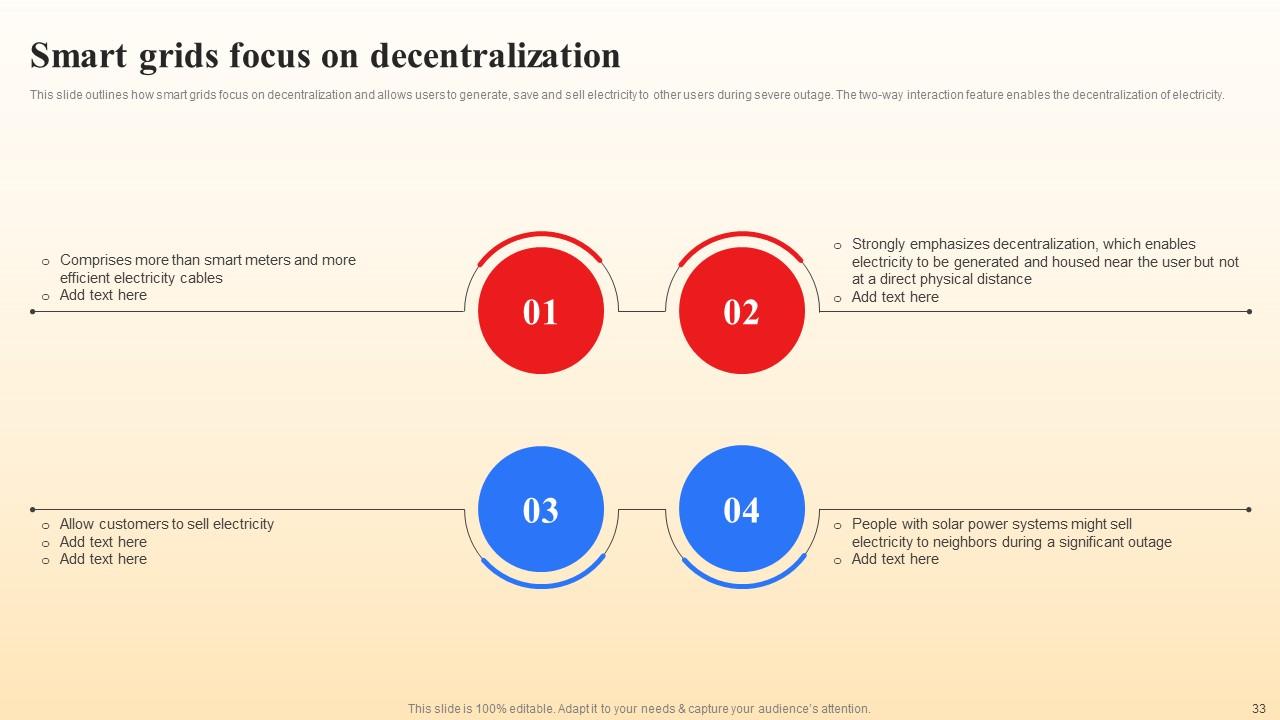
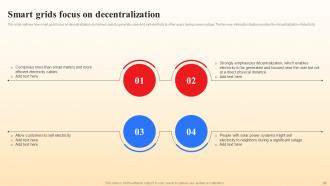
Slide 33 : Este slide retrata como as redes inteligentes se concentram na descentralização.
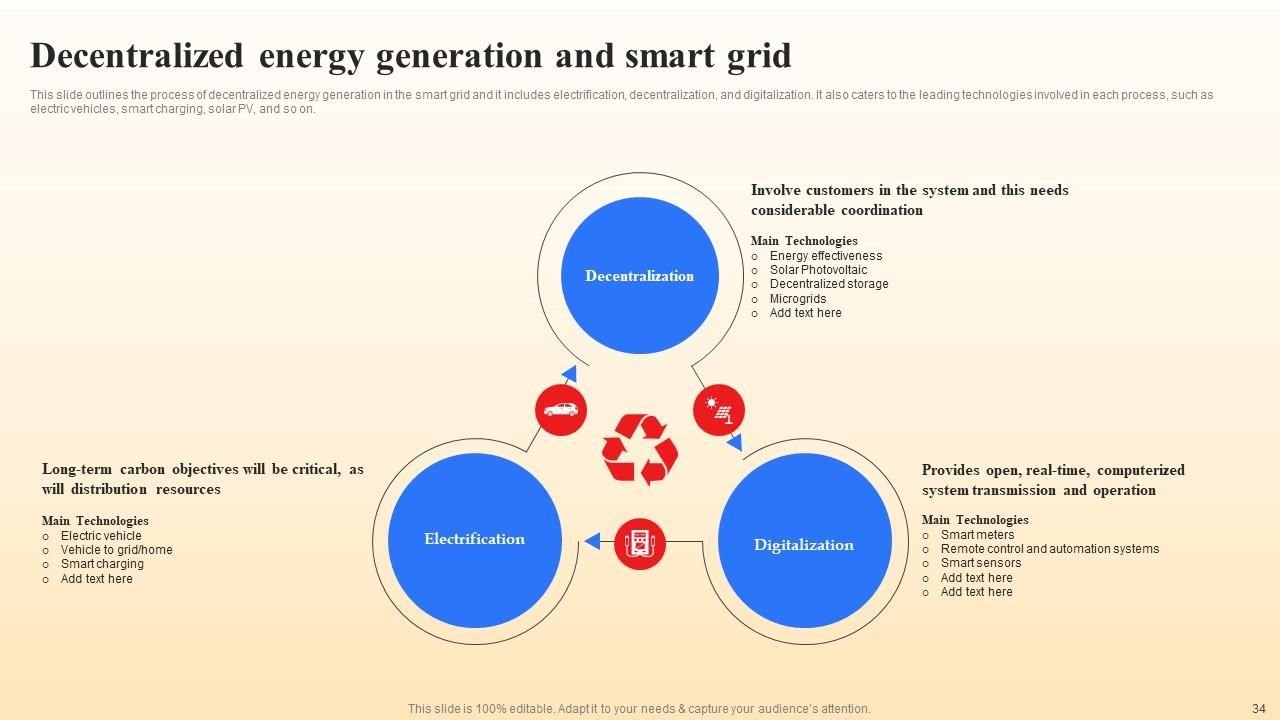
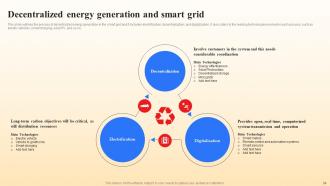
Slide 34 : Este slide mostra o processo de geração descentralizada de energia na rede inteligente.
Slide 35 : Este slide apresenta o título dos tópicos a serem abordados no próximo modelo.
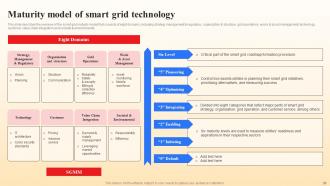
Slide 36 : Este slide descreve a visão geral do modelo de maturidade da rede inteligente que consiste em oito domínios.
Slide 37 : Este slide revela as fases de navegação do modelo de maturidade da rede inteligente.
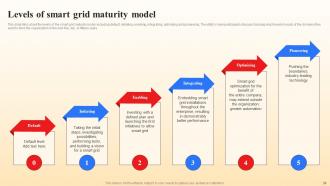
Slide 38 : Este slide fala sobre os níveis do modelo de maturidade da rede inteligente.
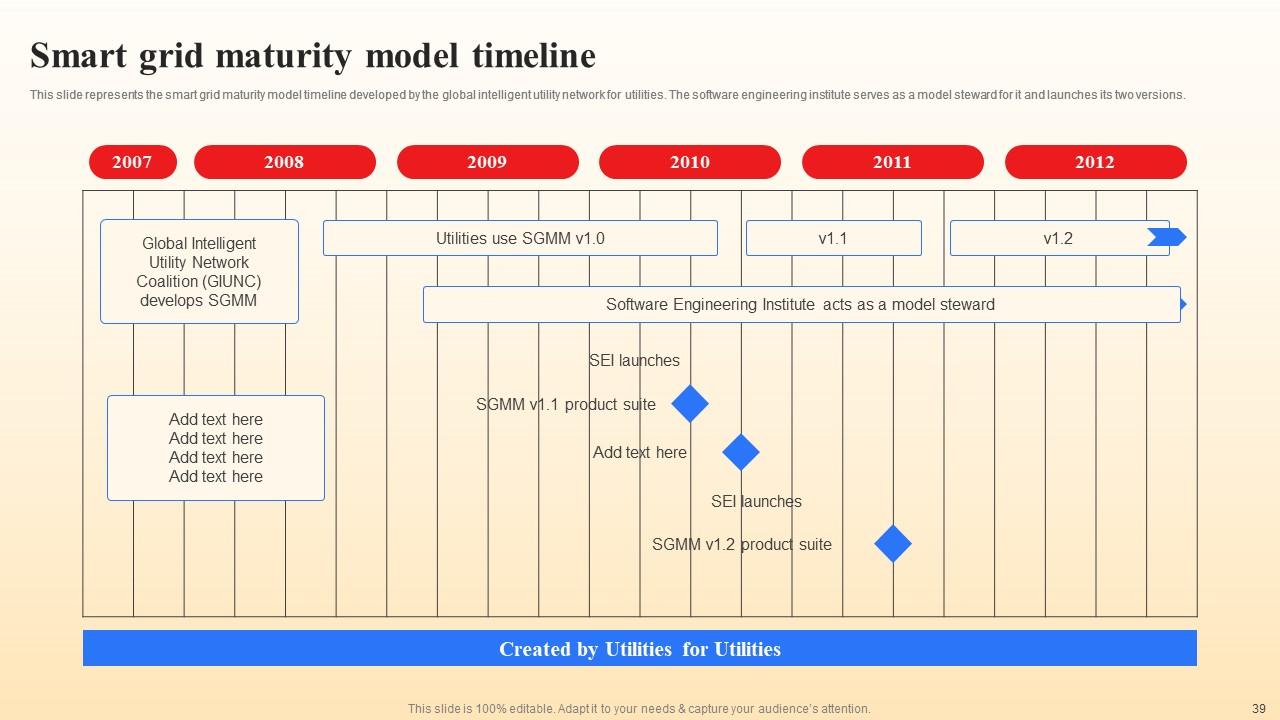
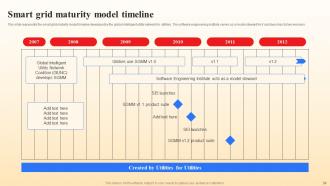
Slide 39 : Este slide representa o cronograma do modelo de maturidade da rede inteligente desenvolvido pela rede global de serviços públicos inteligentes.
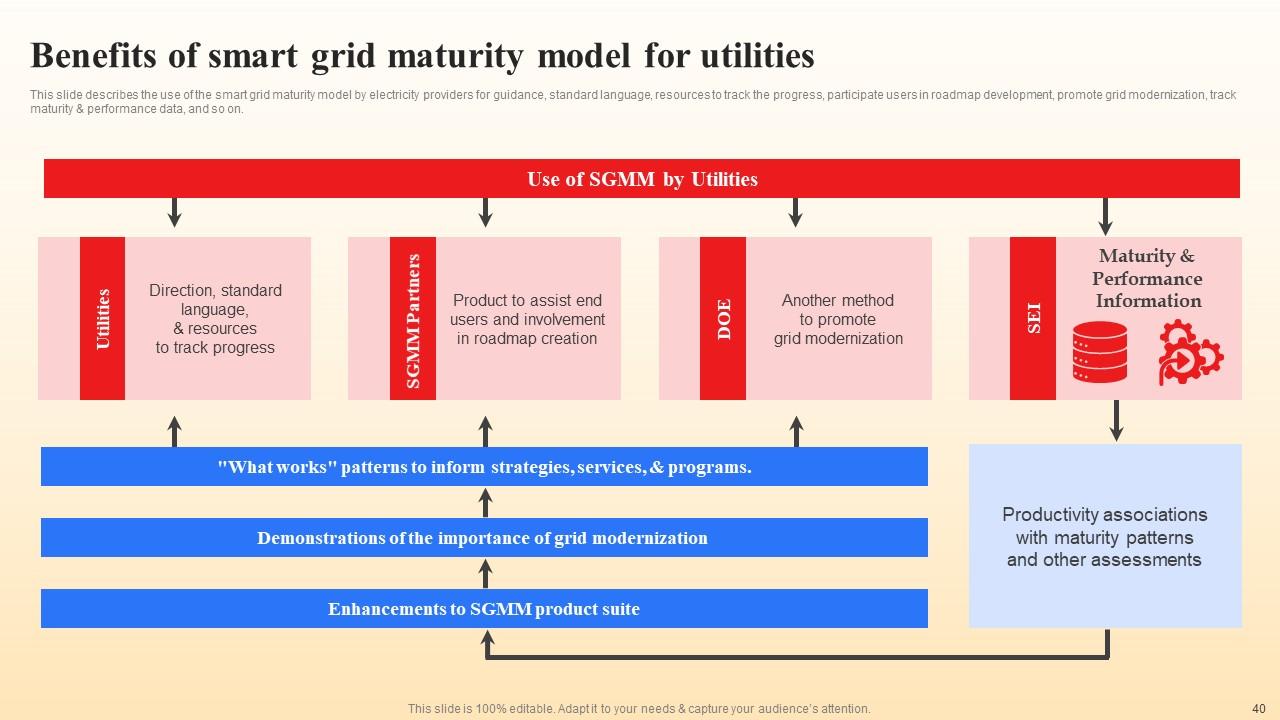
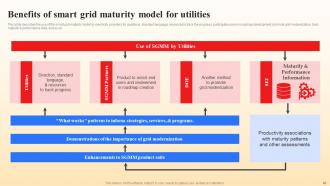
Slide 40 : Este slide descreve o uso do modelo de maturidade da rede inteligente pelos fornecedores de eletricidade.
Slide 41 : Este slide revela o título das ideias a serem discutidas mais adiante.
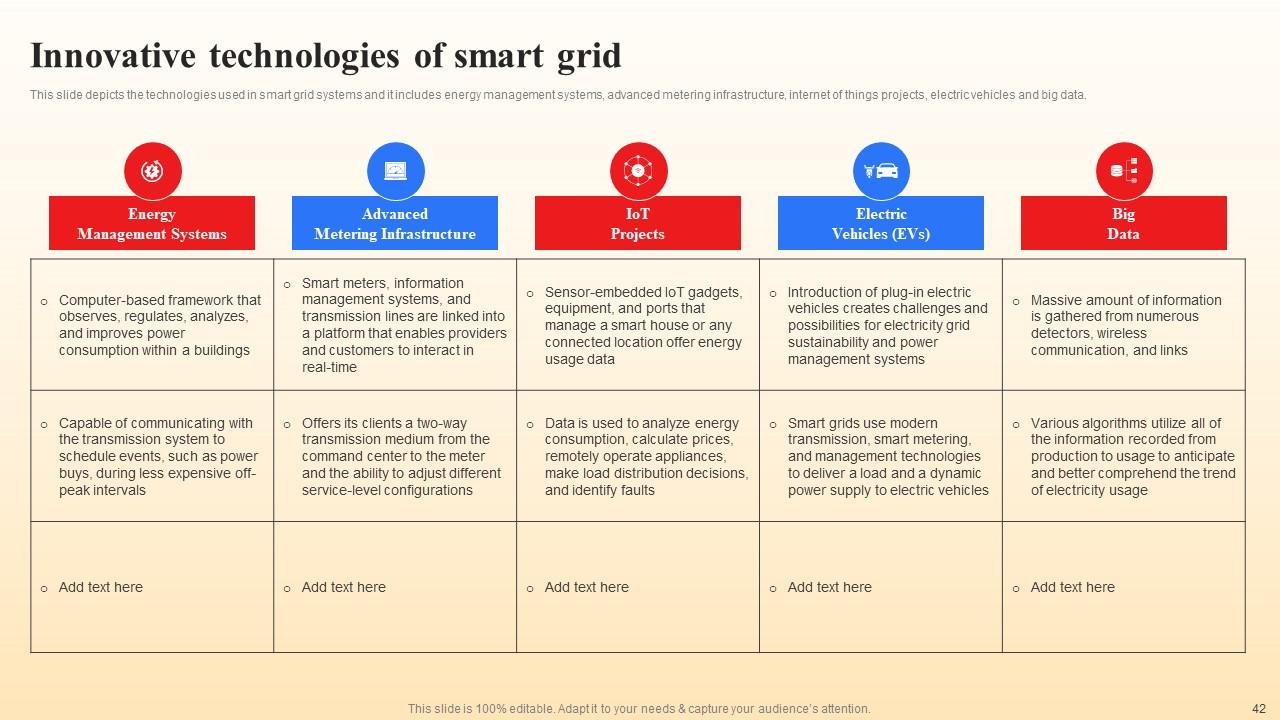
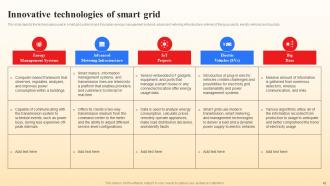
Slide 42 : Este slide descreve as tecnologias usadas em sistemas de redes inteligentes.
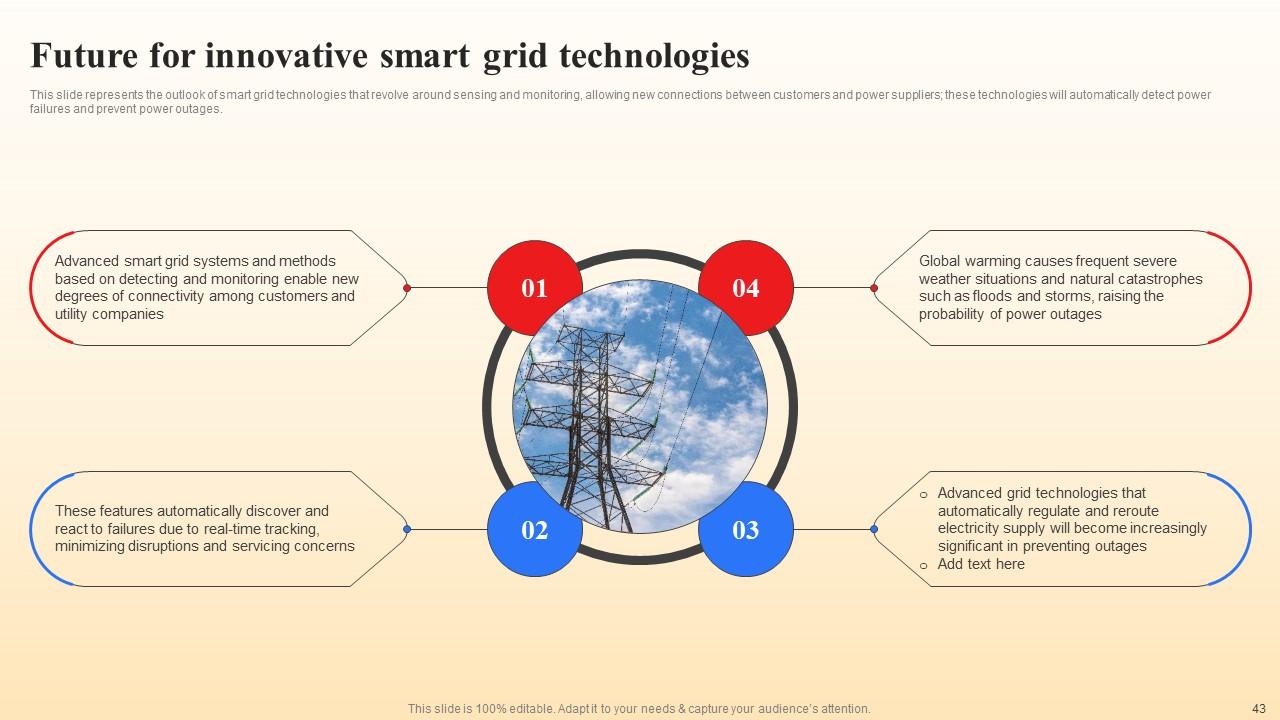
Slide 43 : Este slide mostra o futuro das tecnologias inovadoras de redes inteligentes.
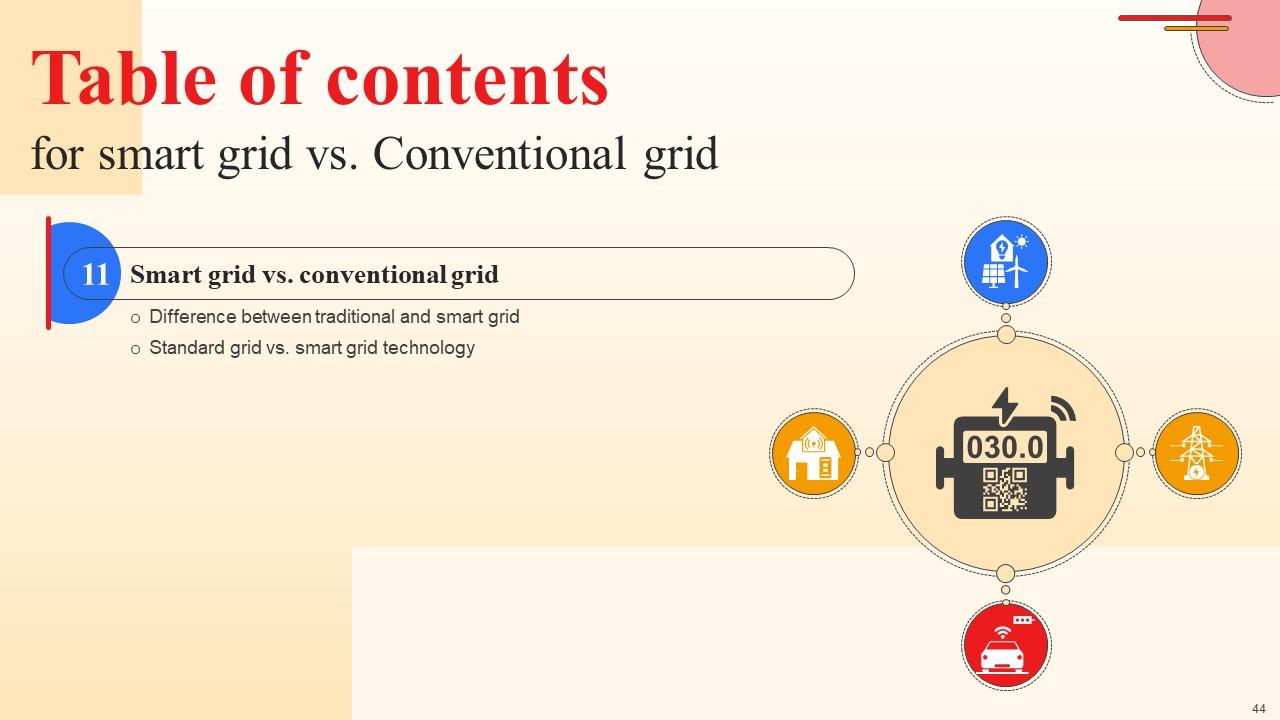
Slide 44 : Este slide exibe o título do conteúdo a ser abordado no próximo modelo.
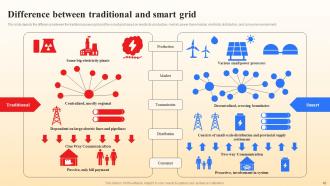
Slide 45 : Este slide destaca a diferença entre rede tradicional e rede inteligente.
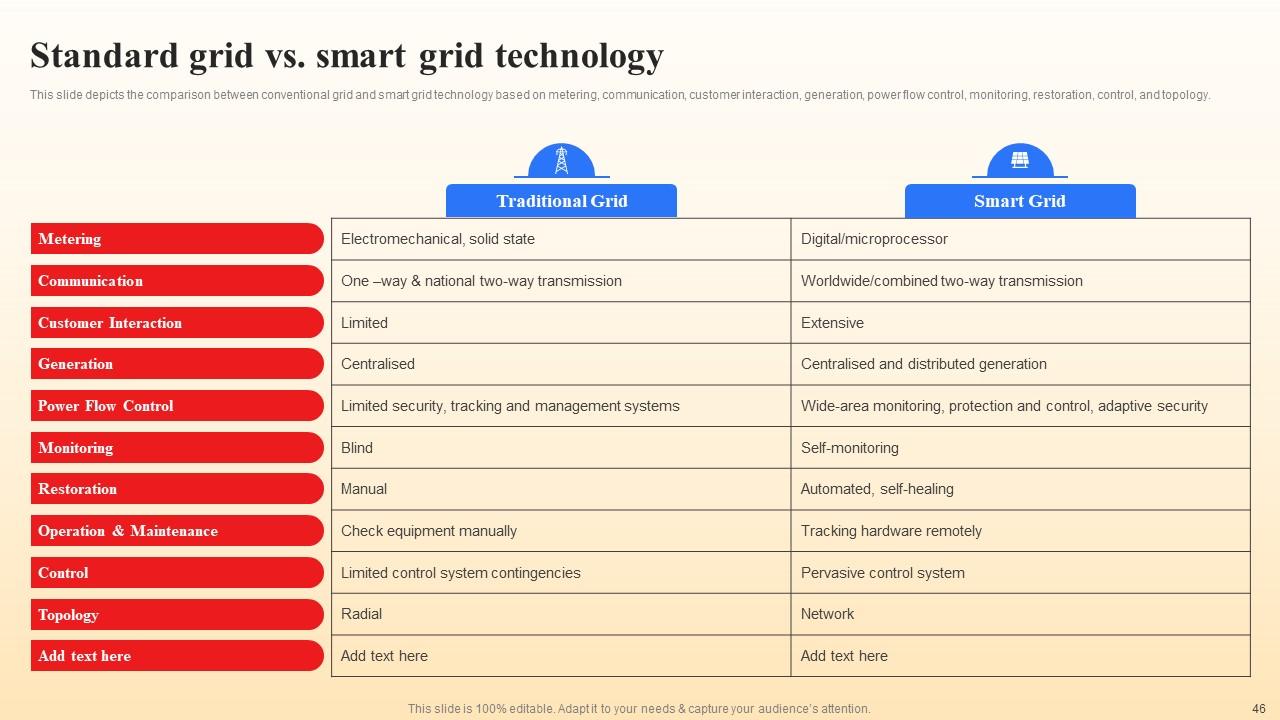
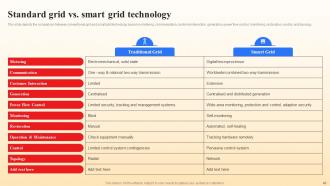
Slide 46 : Este slide mostra a comparação entre a rede convencional e a tecnologia de rede inteligente.
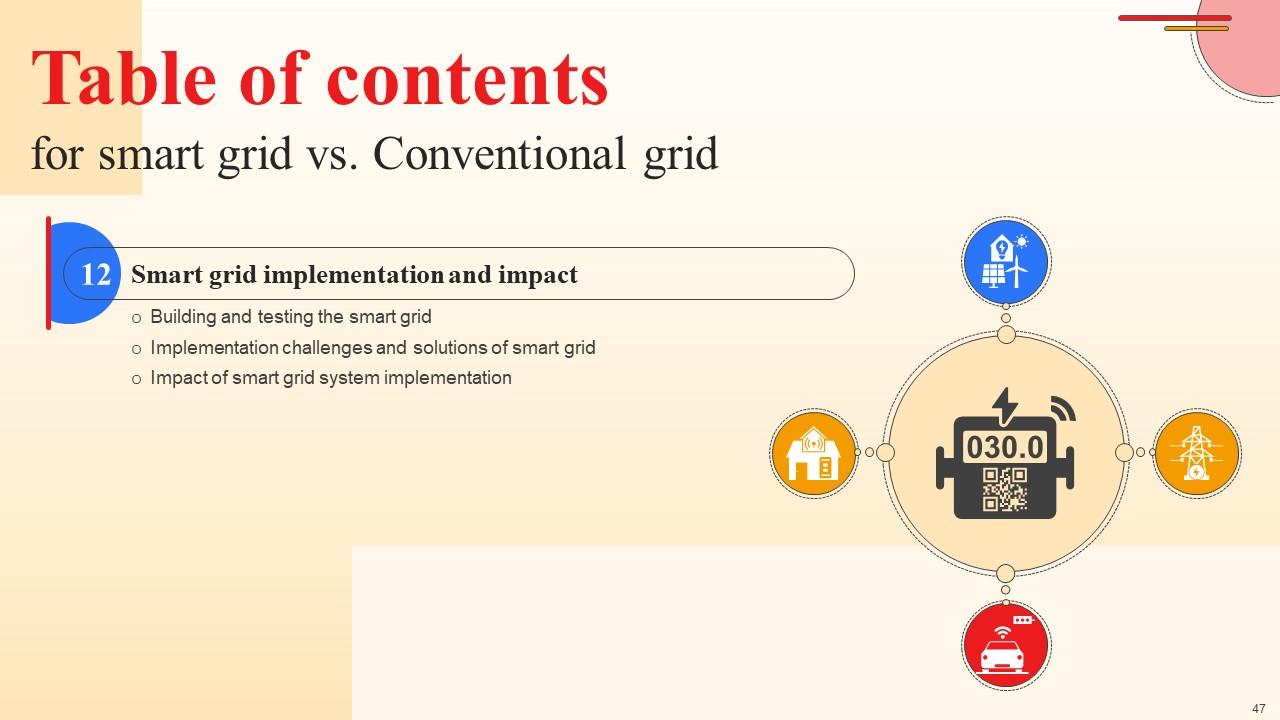
Slide 47 : Este slide inclui o título dos tópicos a serem discutidos no próximo modelo.
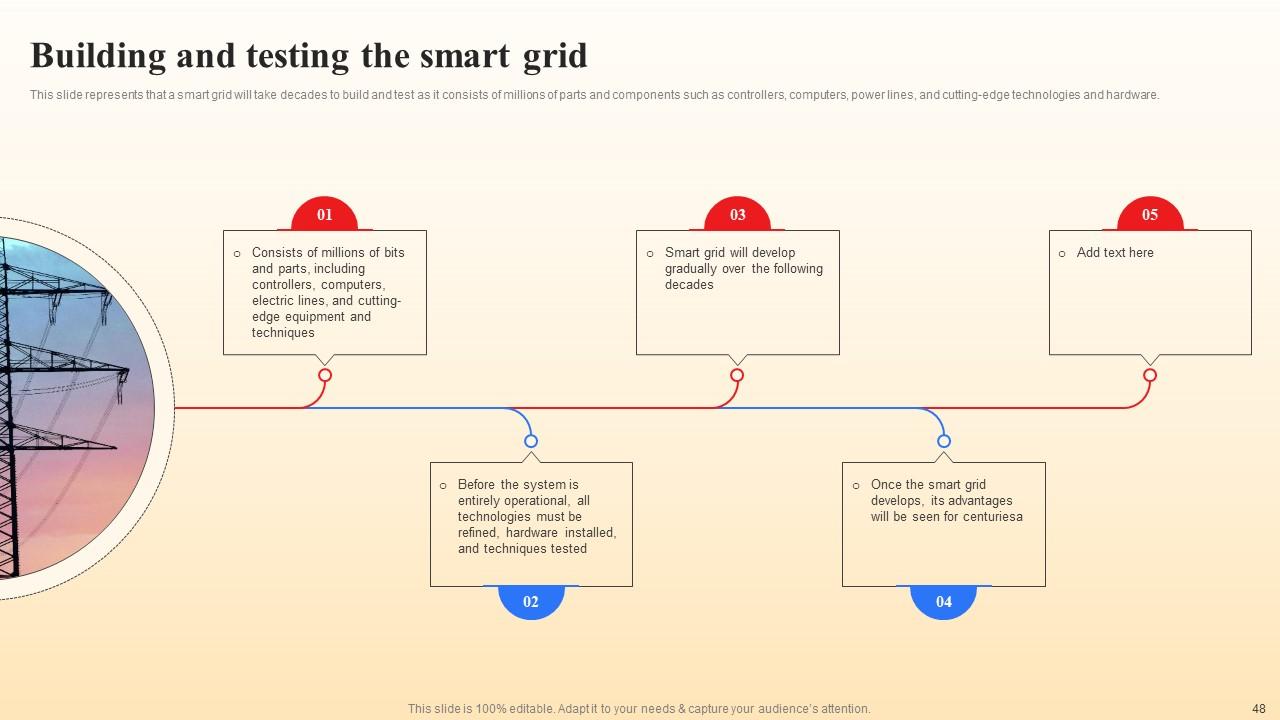
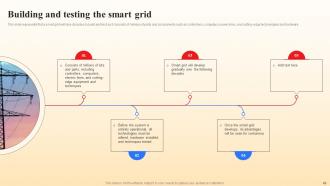
Slide 48 : Este slide representa que uma rede inteligente levará décadas para ser construída e testada, pois consiste em milhões de peças e componentes.
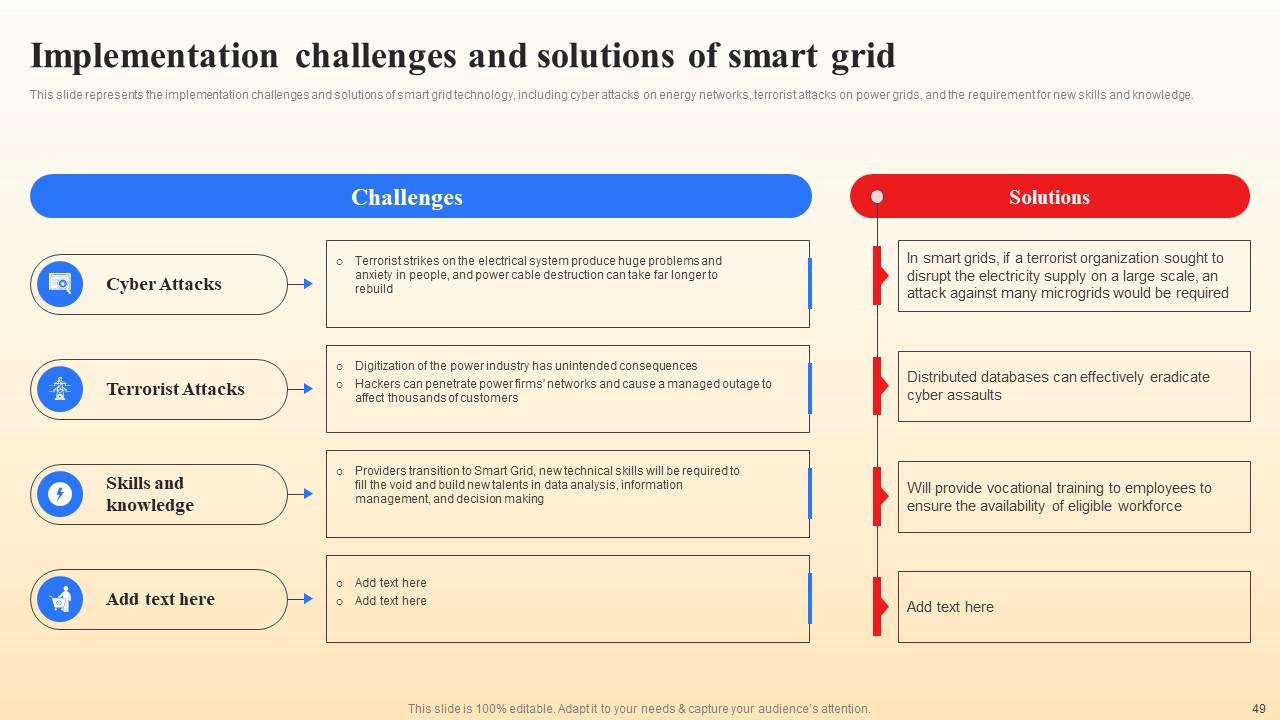
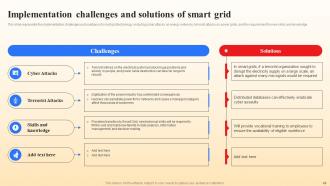
Slide 49 : Este slide trata dos desafios e soluções de implementação da rede inteligente.
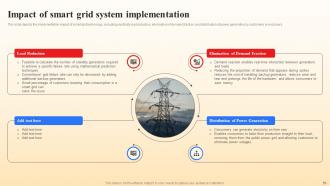
Slide 50 : Este slide destaca o impacto da implementação do sistema de rede inteligente.
Slide 51 : Este slide inclui o título dos tópicos a serem abordados no próximo modelo.
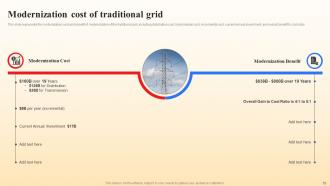
Slide 52 : Este slide representa o custo e o benefício da modernização da rede tradicional.
Slide 53 : Este slide apresenta o cabeçalho do conteúdo a ser discutido mais detalhadamente.
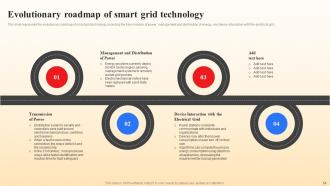
Slide 54 : Este slide representa o roteiro evolutivo da tecnologia de redes inteligentes.
Slide 55 : Este slide contém o título das ideias a serem abordadas no próximo modelo.
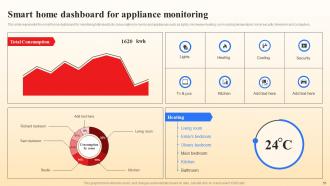
Slide 56 : Este slide representa o painel de casa inteligente para monitorar o consumo total de eletricidade por cômodos e eletrodomésticos.
Slide 57 : Este é o slide Ícones que contém todos os ícones usados no plano.
Slide 58 : Este slide é usado para descrever algumas informações adicionais.
Slide 59 : Este é o slide de citações para motivação.
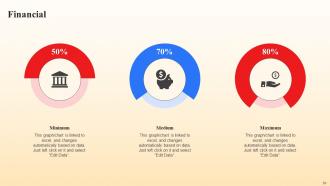
Slide 60 : Este slide elucida informações relacionadas ao tema Financeiro.
Slide 61 : Este slide apresenta o mapa mental da empresa.
Slide 62 : Este slide inclui a missão, visão e valores da organização.
Slide 63 : Este é o slide do plano de 30,60,90 dias para um planejamento eficaz.
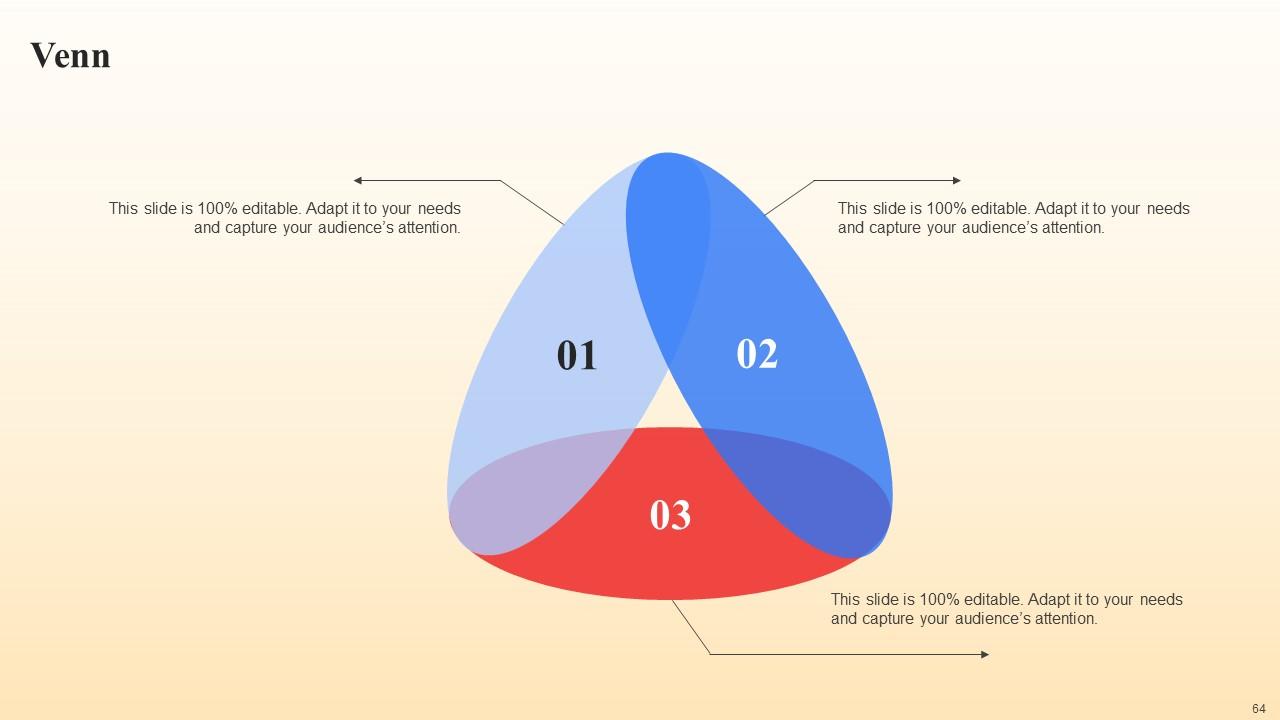
Slide 64 : Este é o slide do diagrama de Venn.
Slide 65 : Este slide mostra a linha do tempo da empresa.
Slide 66 : Este é o slide Geração de Ideias para incentivar novas ideias.
Slide 67 : Este é o slide alvo. Indique aqui os objetivos da sua empresa.
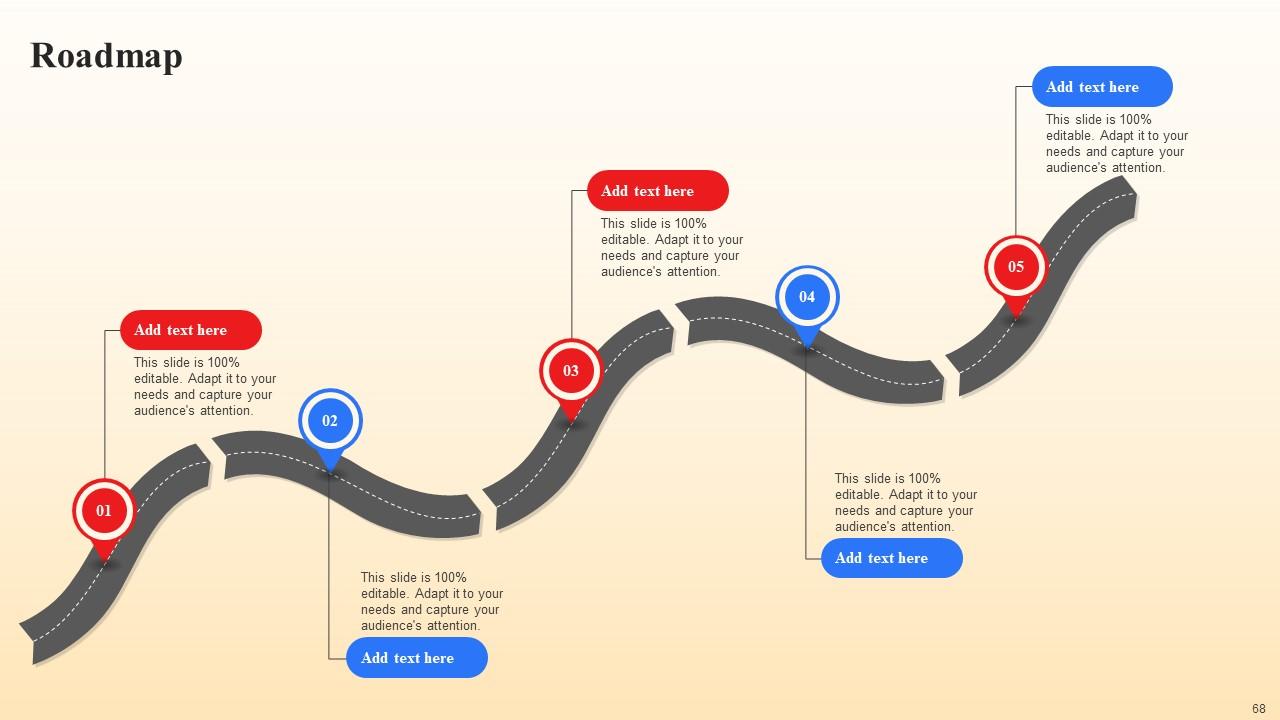
Slide 67 : Este slide apresenta o Roadmap da empresa.
Slide 69 : Este é o slide de agradecimento pelo reconhecimento.
Slides de apresentação em Powerpoint de grade inteligente versus grade convencional com todos os 78 slides:
Use nossos slides de apresentação em Powerpoint de rede inteligente versus rede convencional para ajudá-lo a economizar seu valioso tempo de maneira eficaz. Eles estão prontos para caber em qualquer estrutura de apresentação.
-
Editable templates with innovative design and color combination.
-
Based on my personal experience, I would recommend other people to subscribe to SlideTeam. No one can be disappointed here!
