Steps Of Planning Project Manpower Loading Process With Flowchart

Rating:
90%
Steps Of Planning Project Manpower Loading Process With Flowchart
Slide 1 of 6
Favourites Favourites

Try Before you Buy Download Free Sample Product

Audience Impress Your
Audience
Editable 100%
Editable
Time Save Hours
of Time
The Biggest Sale is ending soon in
0
0
:
0
0
:
0
0
Rating:
90%
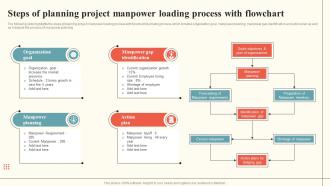
The following slide highlights the steps pf planning project manpower loading process with flowchart illustrating process which includes organization goal, manpower planning, manpower gap identification and action plan as well as it depicts the process of manpower planning.Introducing our Steps Of Planning Project Manpower Loading Process With Flowchart set of slides. The topics discussed in these slides are Manpower Planning, Manpower Requirements, Excess Manpower. This is an immediately available PowerPoint presentation that can be conveniently customized. Download it and convince your audience.

FAQs for Steps Of Planning Project Manpower Loading

Okay so for project manpower loading, you've got three big things to nail down. Map out what skills you actually need for each phase - experience levels matter way more than just having bodies around. Look at your timeline and figure out where the crunch points are gonna be. The balancing act is the worst part honestly - you don't want people sitting around doing nothing, but you also can't be scrambling last minute when deadlines hit. Don't forget about holidays and sick days because they'll bite you. I'd start with a rough chart early on, then tweak it as things get clearer.

So basically, when you get your team assignments right, everything just flows better. Your deadlines become way more realistic and you're not scrambling at the end. The trick is putting your best people on the most critical stuff first - sounds obvious but tons of managers mess this up. You'll dodge those annoying bottlenecks that kill momentum, plus your team won't hate you for overloading them. Honestly, stakeholders can smell BS from a mile away, so when your estimates are actually solid they'll trust you more. Map out what absolutely has to happen first, staff those pieces properly, then worry about everything else.

For manpower loading, Microsoft Project and Primavera P6 are solid choices - they handle resource assignments and catch overallocation issues. Smartsheet's decent too if you want something cloud-based. Excel works for smaller projects, though it gets unwieldy pretty quick (learned that the hard way). Power BI or Tableau can give you nice visuals if you need to present to management. Honestly though, I'd start with whatever your team already uses. No point throwing new software at people who are comfortable with their current setup. You can always upgrade later once everyone's on board with the process.

Honestly, start by getting a real picture of who's doing what and when they're free. I use a basic spreadsheet for this - don't overthink the tools. Figure out which projects actually matter most, then put your best people on those instead of spreading everyone around like peanut butter. Weekly check-ins with project leads are clutch here. You'll catch the resource conflicts before they mess up your deadlines. Also, don't be afraid to move people between projects when priorities change. Flexibility beats rigid planning every time.

Honestly, the worst thing you can do is pile everything on your star players while other people sit around twiddling their thumbs. Creates these awful bottlenecks that'll murder your deadlines. Don't fall for the "let's just add more people" thing either when you're running late - I've seen that backfire so many times because suddenly everyone's stepping on each other. Map your critical path first and figure out where you're gonna hit walls. New people need time to get up to speed, so factor that in. Track who's doing what each week. Trust me, catching problems early beats scrambling later.

Honestly, your team size is gonna be all over the place depending on what phase you're in. At the start you only need a few senior people to figure things out and plan. Then execution comes and suddenly you need like 3x more people actually building stuff. Testing is weird - sometimes it's just a couple specialists, other times it's chaos. I learned this the hard way on my last project. The trick is mapping this out super early so you know when to hire up or scale back. Otherwise your budget gets totally screwed and you're scrambling to find people when you need them most.

Track your utilization rates first - that's where you'll spot trouble early. Aim for 80-90% because honestly, 100% just burns people out and then you're screwed. Check if you're hitting milestones on time and whether actual effort matches what you estimated. Cost per deliverable matters too, but I'd focus on the basics first. Compare your planned vs actual numbers regularly so you can shift people around before things get messy. Oh, and watch for over/under-allocation - both will mess up your schedule variance and productivity metrics.

Honestly, you've gotta build in flexibility right from day one. Cross-train your main people so they can jump between projects when things get crazy busy or super slow. Mix of permanent staff for the regular stuff, then bring in contractors for those peak times - way cheaper than paying full salaries all year. I'd track your demand patterns like crazy because you'll spot trends that actually help predict your busy seasons. Oh, and definitely get tight with some staffing agencies or freelancer networks now. Trust me on this - having those connections ready before you desperately need them is so much better than panicking when a massive project suddenly drops in your lap.

Look, you can't just dump random people on a project and call it a day. Skills matter way more than headcount. Map out what expertise you actually need first - then worry about how many bodies. One experienced dev might handle what takes three newbies to finish. Different roles work at completely different paces too (I've seen designers take forever on stuff coders blast through in hours). Don't even get me started on mixing skill levels without planning for it. Your whole timeline goes sideways fast. Figure out who can do what, then build your team around that reality.

Dude, visual dashboards are your best friend here - way better than drowning people in spreadsheet hell. Always explain WHY you're making changes, not just what's happening. I learned this the hard way when everyone got pissed because I forgot the context. Set up regular check-ins so they know when to expect updates. Timeline and budget impacts? That's all they really care about, honestly. Oh, and here's something that works every time - when you present a problem, immediately follow with your fix. Shows you're not just panicking and actually have your shit together.

Three things work really well: cross-train your team so people can jump between roles when things get crazy. Game changer, seriously. Get flexible with scheduling - bring in part-timers or contractors during busy periods instead of keeping everyone full-time all year. Oh, and share resources between projects when you can. Here's what I'd do first though - map out where your biggest bottlenecks actually happen, then figure out where you can move people around without totally screwing things up. Maybe start with a quick audit of what skills you're missing? That usually shows you exactly where to focus your training efforts.

Honestly, it comes down to when you're making decisions about staffing. Waterfall forces you to figure out your entire team size months ahead - developers, testers, analysts, the whole crew. Super predictable but kinda inflexible when reality hits. Agile's totally different though. You're tweaking your team every sprint based on what's actually happening. Need more frontend people this week? Done. Backend heavy next sprint? Shift everyone around. Way more reactive but also more chaotic to plan for. I'd probably start rough then adjust as you go - saves you from overthinking it upfront.

Look, historical data is like your cheat sheet for figuring out future staffing needs. Pull your last 10 similar projects and see where you nailed it vs. where you totally missed the mark. You'll start noticing patterns - maybe you always underestimate how many backend devs those e-commerce builds actually need, or Q4 somehow eats up 30% more designers every single year. I'd say grab at least 2-3 years worth of data so you're not getting thrown off by weird one-offs. Without this stuff, you're basically guessing and hoping for the best when planning your team.

Dude, external stuff can totally mess with your staffing plans. Market crashes? Suddenly you're cutting people or moving everyone around. New regulations pop up and boom - now you need compliance experts instead of developers. I watched one project flip from 5 devs to 8 specialists literally overnight. Economy shifts mess with who's available and what they cost too. Your original plan just becomes... unrealistic? Build in some wiggle room from day one and keep watching for these changes. Way better than panicking later when everything's falling apart.

Look, most teams mess this up by waiting way too long to catch problems. Do quick weekly check-ins - maybe 15 minutes tops - just focusing on who's swamped and who isn't. I'd track actual hours against what you planned across all projects. Spreadsheets work fine, don't overthink it. Flag people who are overloaded before they burn out. The trick is moving fast on adjustments instead of those pointless quarterly reviews that happen after everything's already gone sideways. Utilization rates are your friend here - they'll show you bottlenecks early.

Ratings and Reviews

90% of 100
Review Form
Write a review
Most Relevant Reviews
  1. 80%

    by Kyle Anderson

    Use of icon with content is very relateable, informative and appealing.
  2. 100%

    by Don Hansen

    “There is so much choice. At first, it seems like there isn't but you have to just keep looking, there are endless amounts to explore.”

2 Item(s)

per page: