


Website Development And Marketing Proposal Powerpoint Presentation Slides
Explaining the website design process can be difficult, select our Website Development And Marketing Proposal PowerPoint Presentation Slides to make it simpler. Using web design proposal PPT template you can easily introduce your company to prospecting customers. This website design PPT includes set of slides such as on proposal outline, target audience demographic archetypes, project objectives, design process, marketing approach, mobile apps, social media approach, search marketing, project phases, and timeline, about us, our team, clientele, a record of success, case study and company logo, etc. Web design and development proposal PowerPoint complete deck may be used to showcase your business expertise and methods you use while designing a website. In this website design proposal presentation template complete structure is laid out you can easily illustrate step by step of the web design process. Download the website development PPT presentation designs to grab a lucrative deal for your business. Our Website Development And Marketing Proposal Powerpoint Presentation Slides are full of go. Everyone around gets extremely energetic.
Explaining the website design process can be difficult, select our Website Development And Marketing Proposal PowerPoint Pr..








-

- Google Slides is a new FREE Presentation software from Google.
- All our content is 100% compatible with Google Slides.
- Just download our designs, and upload them to Google Slides and they will work automatically.
- Amaze your audience with SlideTeam and Google Slides.
-

Want Changes to This PPT Slide? Check out our Presentation Design Services
-

- WideScreen Aspect ratio is becoming a very popular format. When you download this product, the downloaded ZIP will contain this product in both standard and widescreen format.
-

- Some older products that we have may only be in standard format, but they can easily be converted to widescreen.
- To do this, please open the SlideTeam product in Powerpoint, and go to
- Design ( On the top bar) -> Page Setup -> and select "On-screen Show (16:9)” in the drop down for "Slides Sized for".
- The slide or theme will change to widescreen, and all graphics will adjust automatically. You can similarly convert our content to any other desired screen aspect ratio.
Compatible With Google Slides

Get This In WideScreen
You must be logged in to download this presentation.


Do you want to remove this product from your favourites?
PowerPoint presentation slides
Introducing Website Development And Marketing Proposal PowerPoint Presentation Slides. This presentation contains 35 professionally designed PPT slides, all of them being 100% editable in PowerPoint. Edit the fonts, colors, and slide background if you want to. On downloading the presentation, you get the templates in both widescreen and standard screen. The presentation is compatible with Google Slides and can be saved in JPG or PDF format.

People who downloaded this PowerPoint presentation also viewed the following :
Content of this Powerpoint Presentation
Slide 1: This slide introduces Website Development And Marketing Proposal. State your company name here and get started.
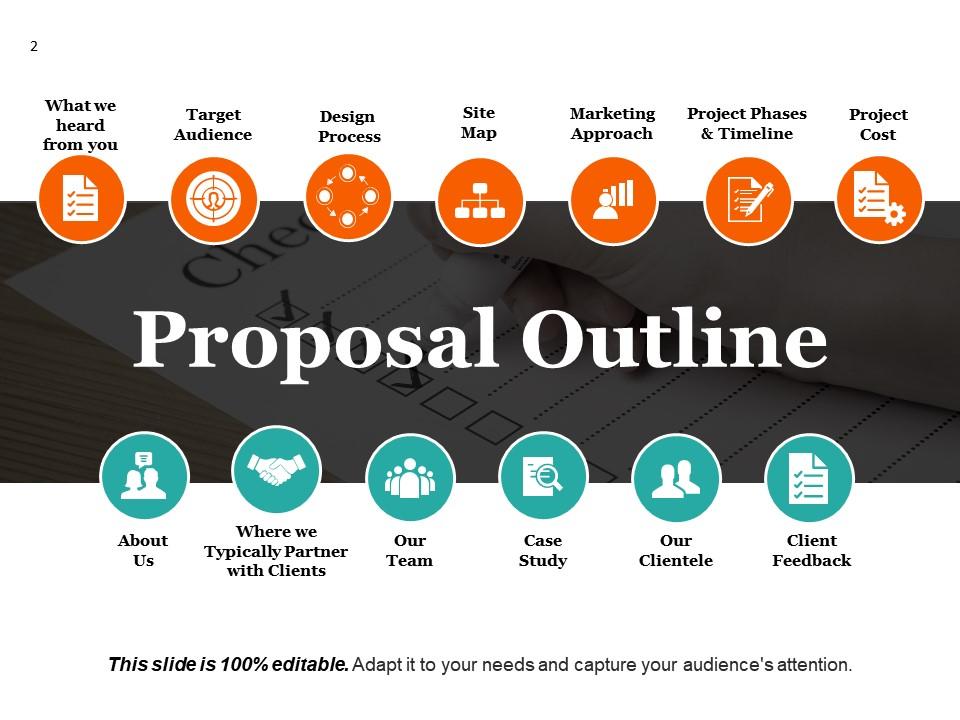
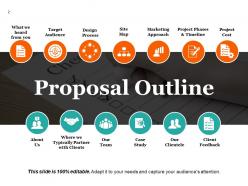
Slide 2: This slide presents the Proposal Outline with the following points- Target Audience, Site Map, Marketing Approach, Project Phases & Timeline, Project Cost, Design Process, About Us, Case Study.
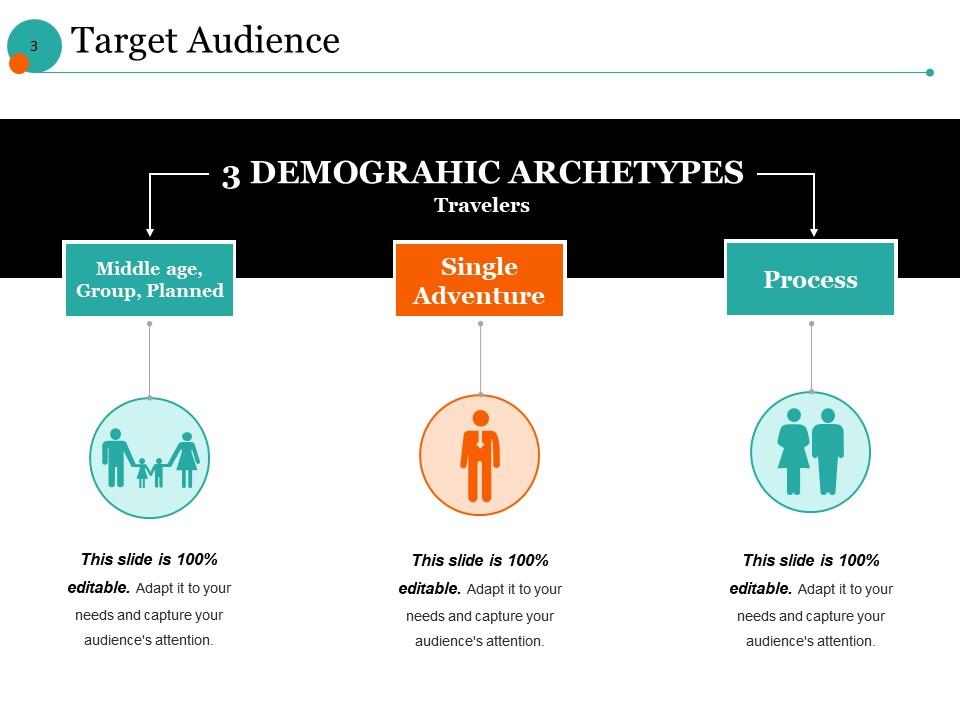
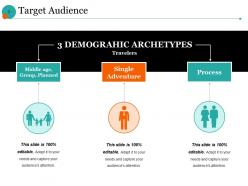
Slide 3: This is a Target Audience slide with 3 demographic archetypes namely- Middle age, Group, Planned, Single Adventure, Process.
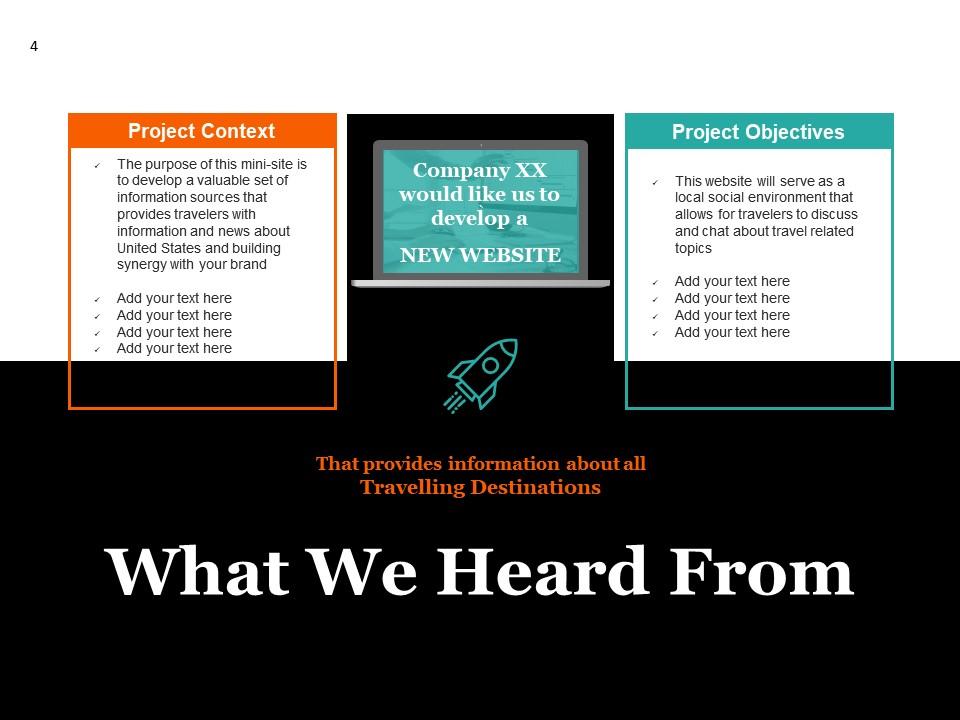
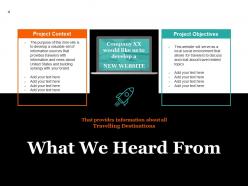
Slide 4: This slide presents What We Heard From containing project context and project objectives.
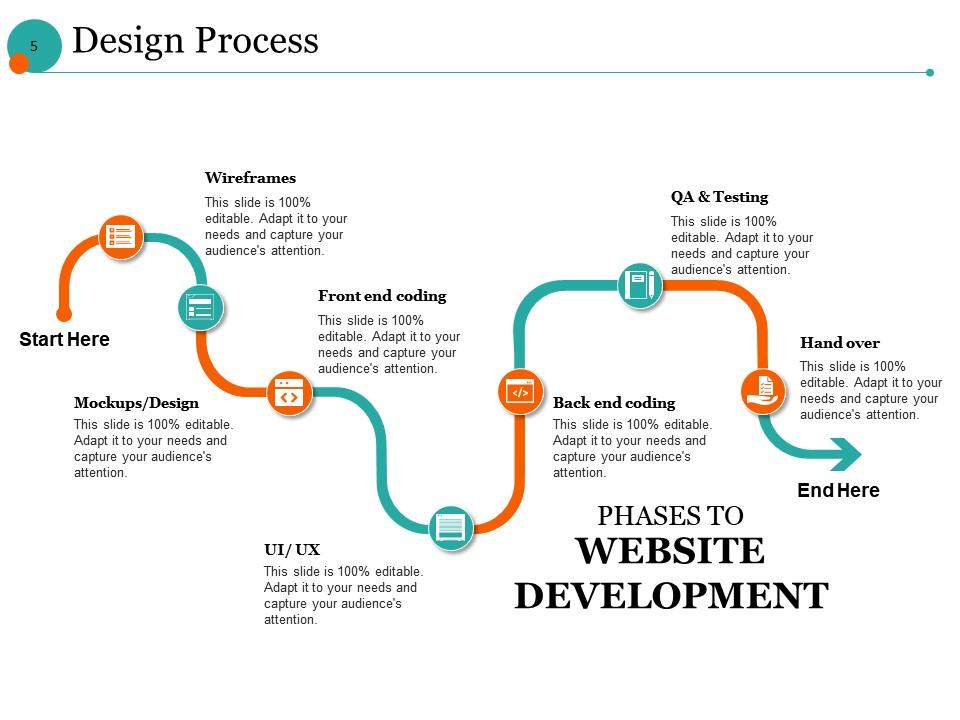
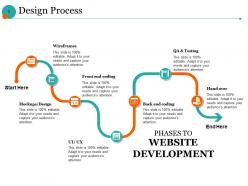
Slide 5: This slide presents the Design Process using Phases to website developement containing the following points- Back end coding, QA & Testing, Hand over, Front end coding, Wireframes, Mockups/Design, UI/ UX.
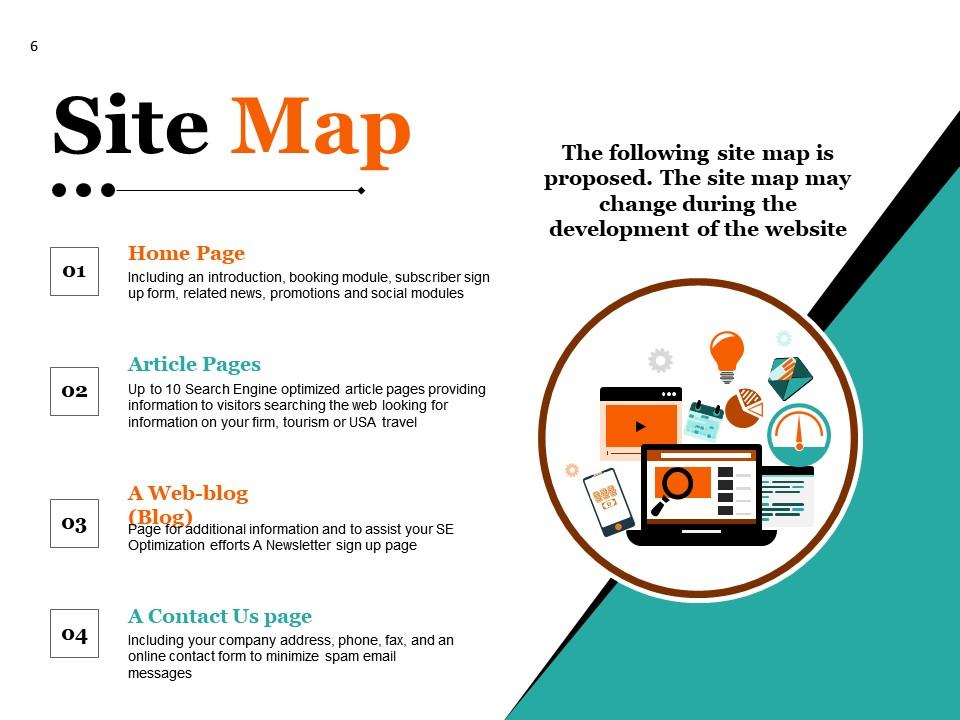
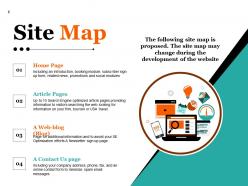
Slide 6: This slide presents Site Map containing home page, articles page, a web- blog (blog), a contact us page.
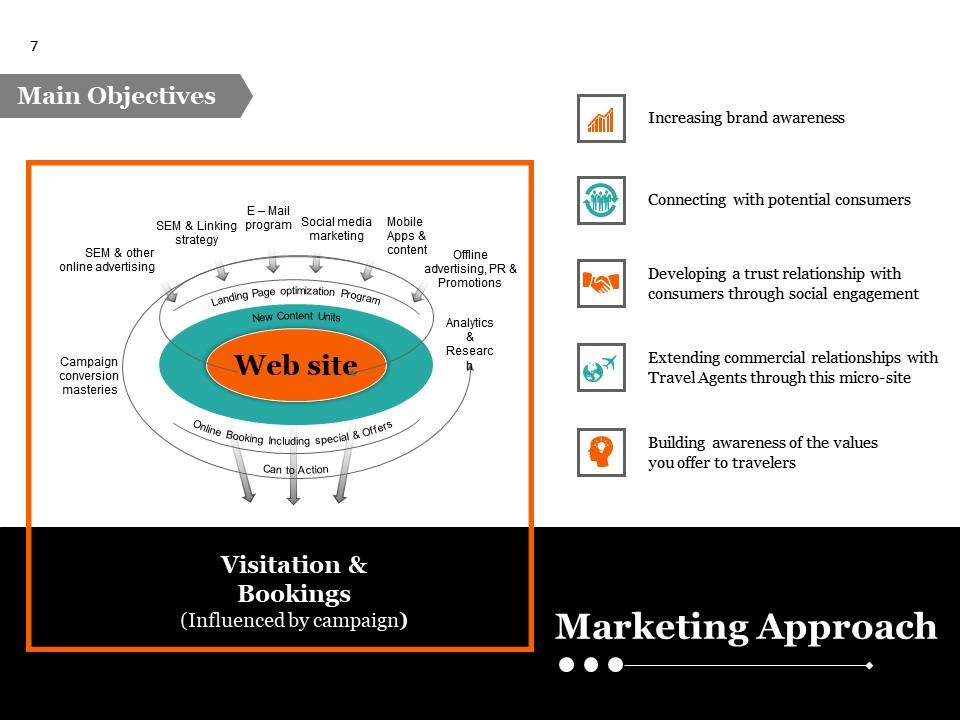
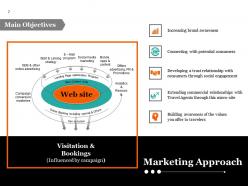
Slide 7: This slide presents Main Objectives with the following Marketing Approach- Increasing brand awareness, Connecting with potential customers, Developing a trust relationships with consumers through social engagement, Extending commercial relationships with travel agents through this micro-site, Building awareness of the values you offer to travelers.
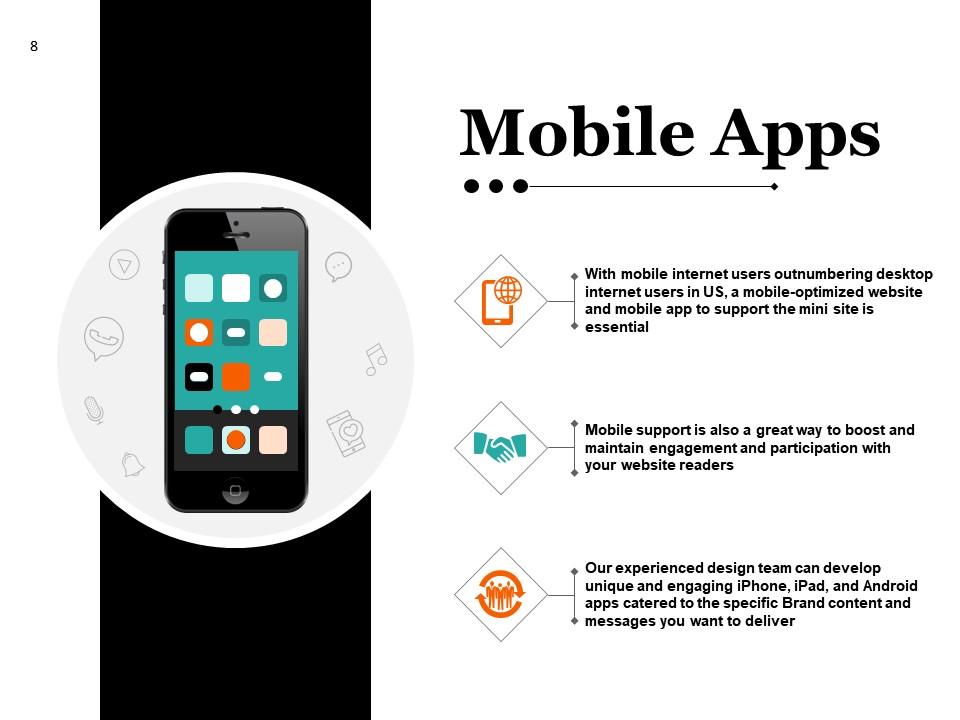
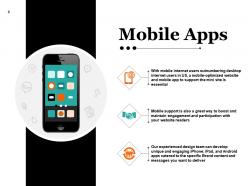
Slide 8: This slide shows Mobile Apps with respective imagery.
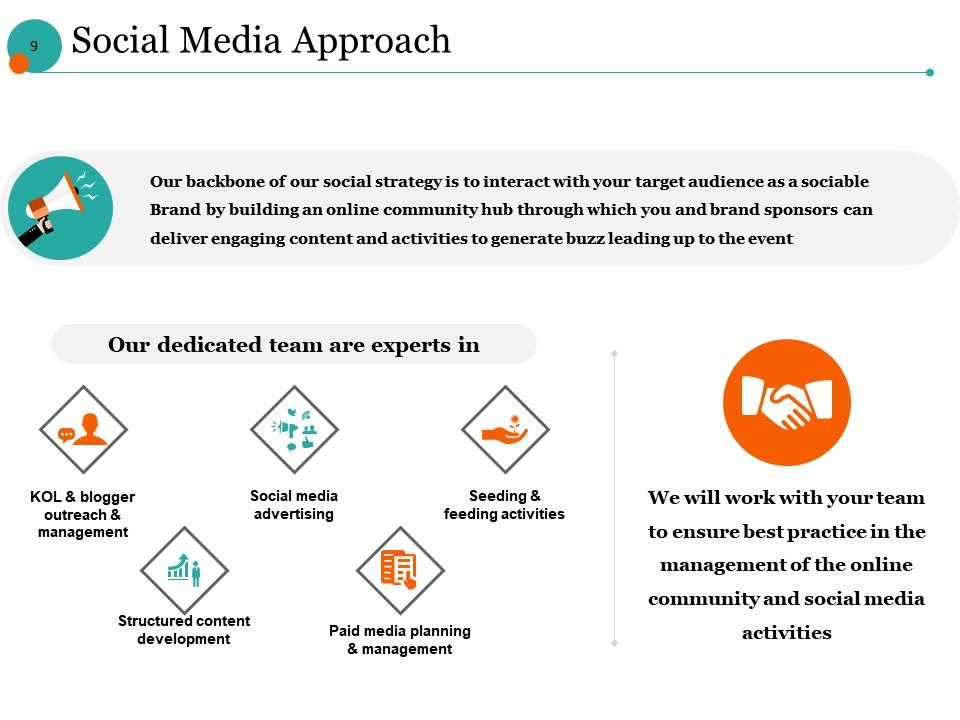
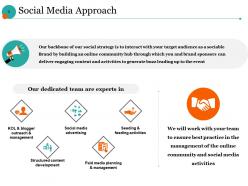
Slide 9: This slide presents the Social Media Approach. Our backbone of our social strategy is to interact with your target audience as a sociable Brand by building an online community hub through which you and brand sponsors can deliver engaging content and activities to generate buzz leading up to the event.
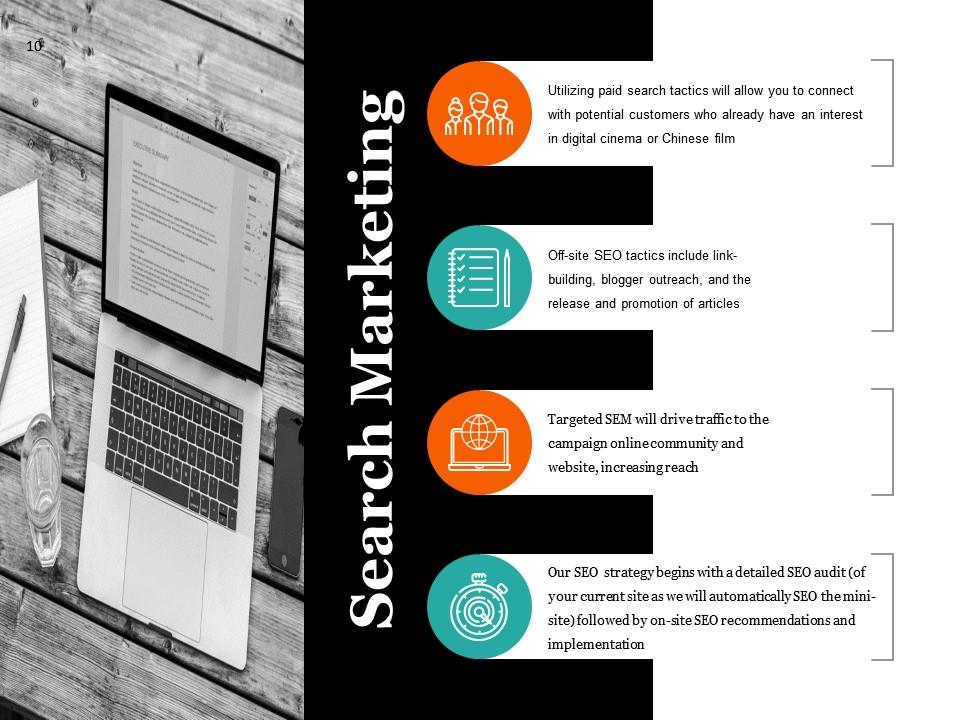
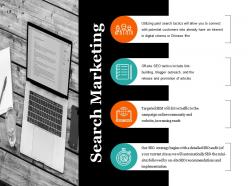
Slide 10: This is a Search Marketing slide which includes the following points- Utilizing paid search tactics, Off-site SEO tactics, Targeted SEM, SEO strategy.
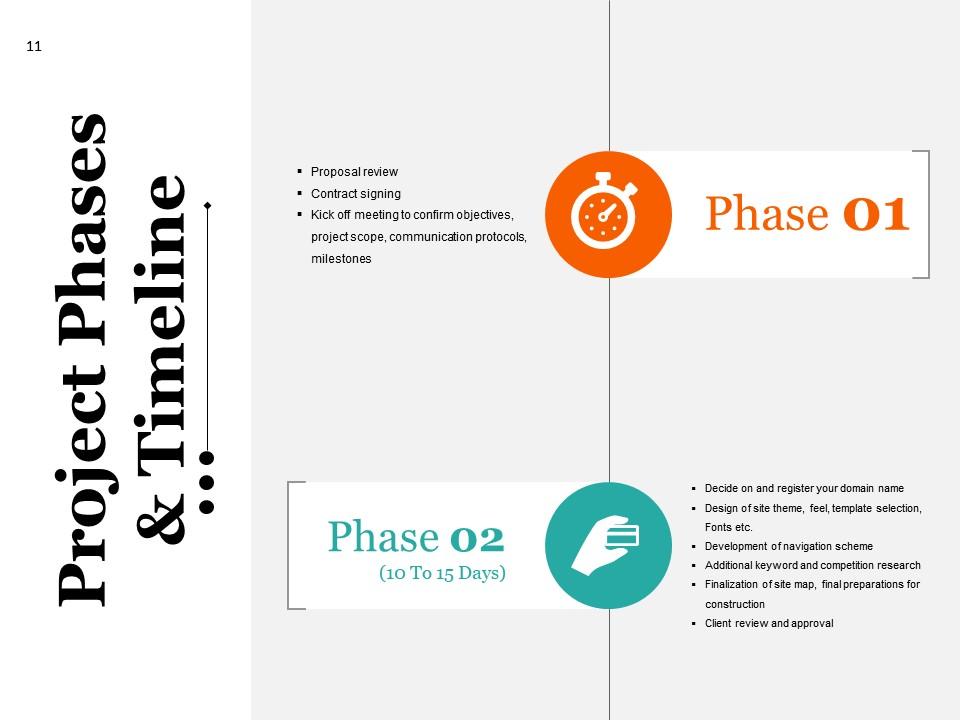
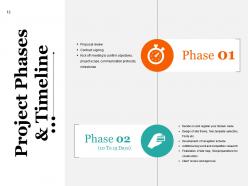
Slide 11: This slide presents Project Phases & Timeline with Phase 01 and Phase 02.
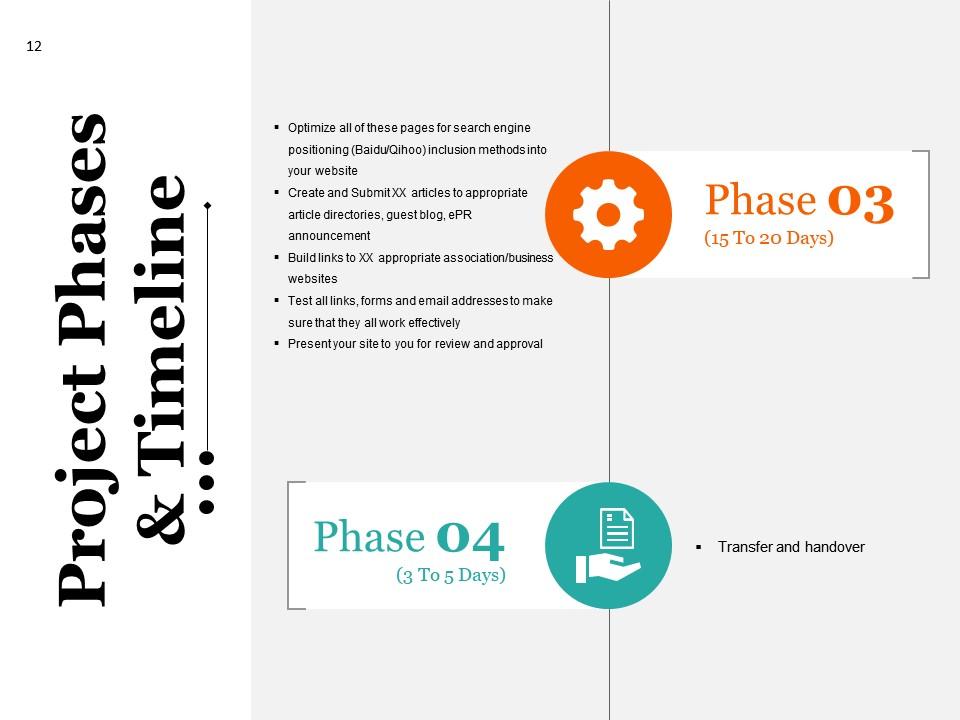
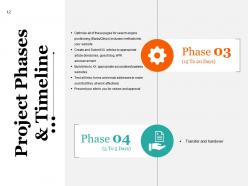
Slide 12: This slide too shows Project Phases & Timeline with Phase 03 and Phase 04.
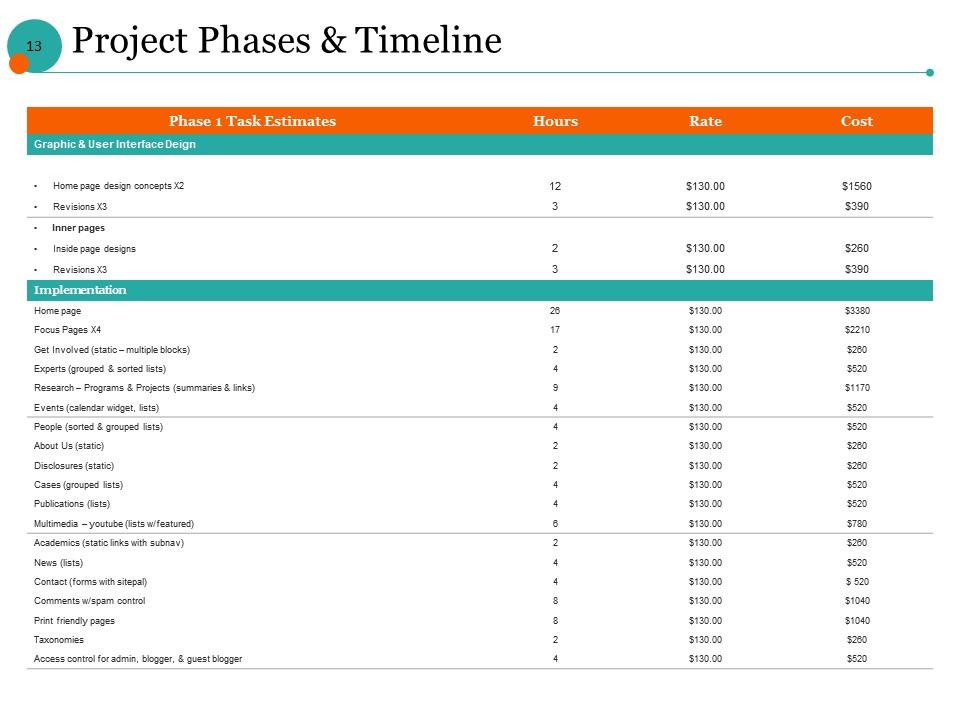
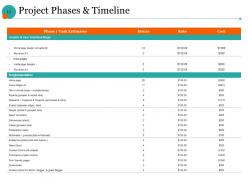
Slide 13: This is another Project Phases & Timeline slide with Phase 1 task estimates.
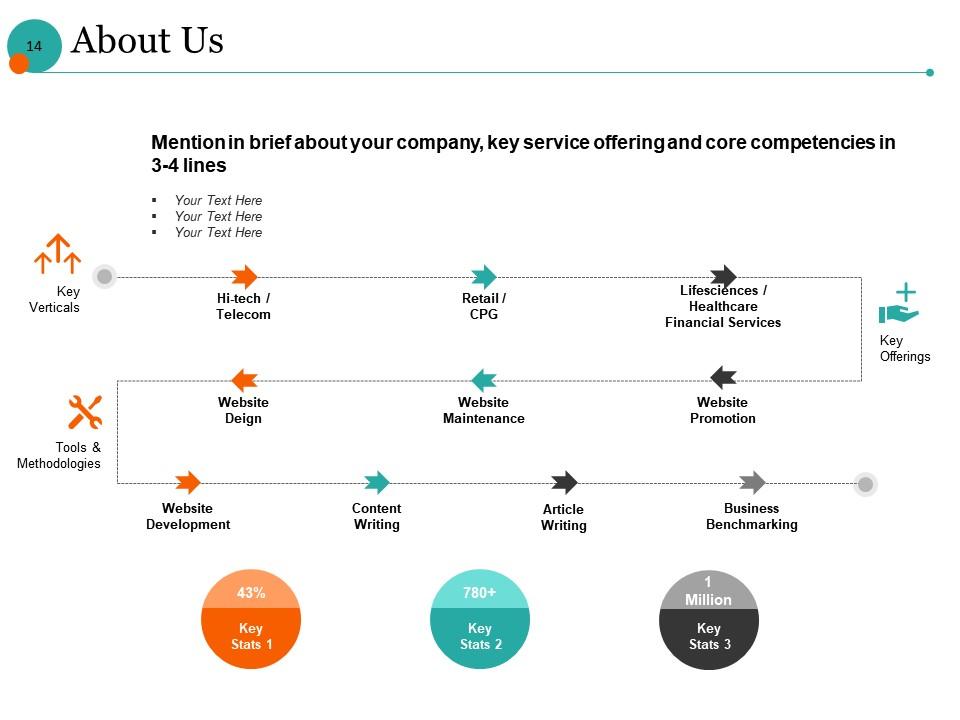
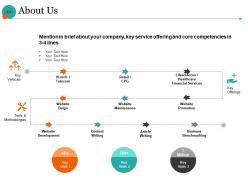
Slide 14: This is an About Us slide with the following- Key Verticals, Key Offerings, Tools & Methodologies. You can add your company key service offering, core competencies etc. here.
Slide 15: This is a Where We Typically Partner With Clients slide.
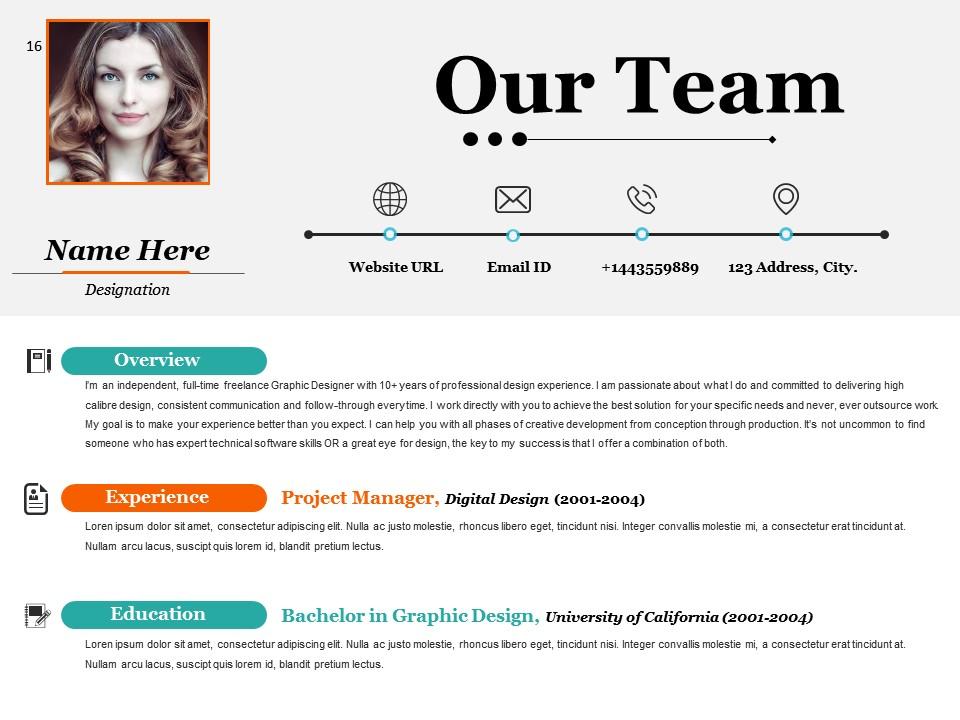
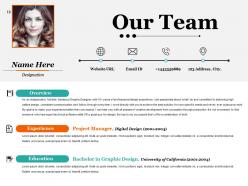
Slide 16: This is Our Team slide with name, designation, education etc.
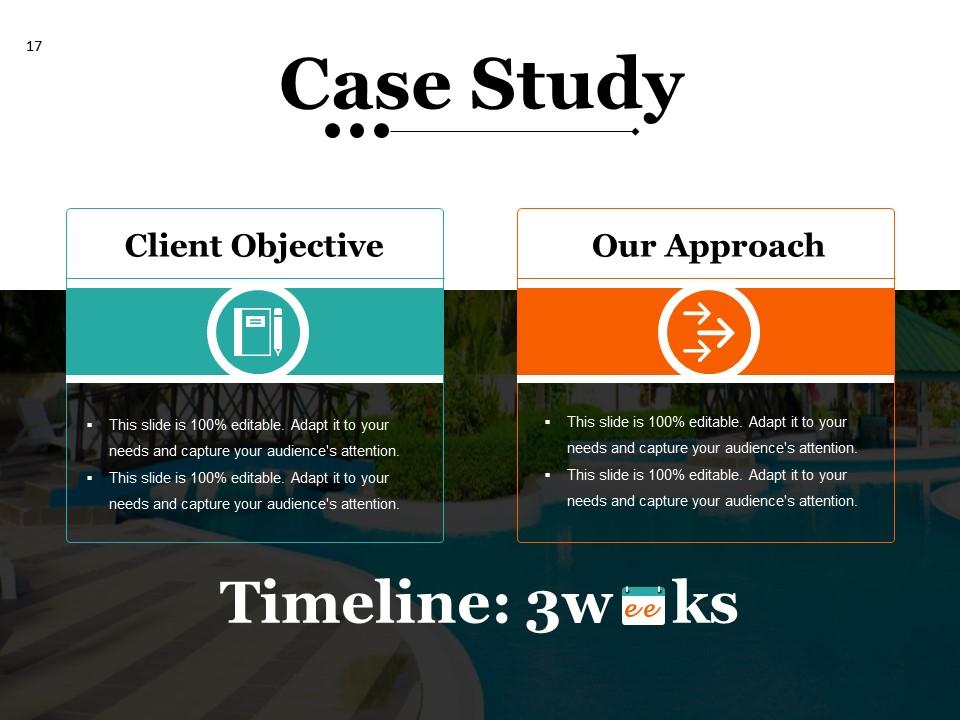
Slide 17: This is a Case Study slide showing client objective and our approach.
Slide 18: This is Our Clientele slide with their respective imagery.
Slide 19: This slide presents A Proven Record of Success with name, designation etc.
Slide 20: This is a ‘COMPANY LOGO’ slide. State information, contact details etc. here.
Slide 21: This is a Coffee Break slide. You can change it as per need.
Slide 22: This slide is titled Charts And Graph to proceed further. You can change/alter it as per need.
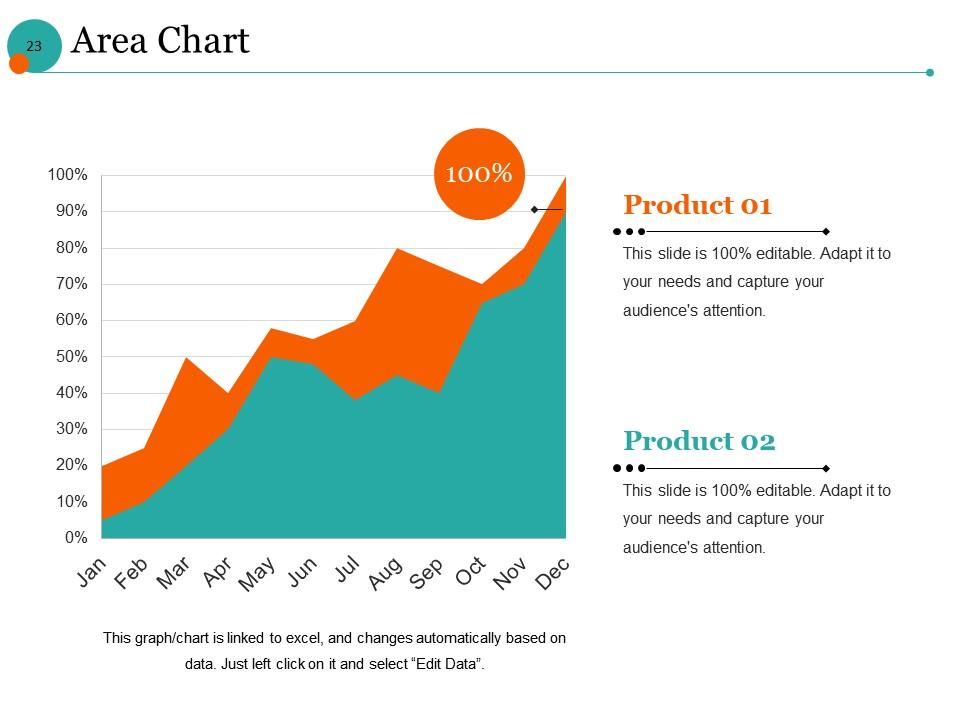
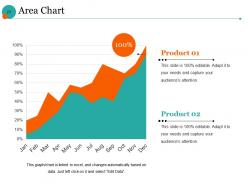
Slide 23: This slide presents Area Chart with a graph imagery stating comparison between products/entities.
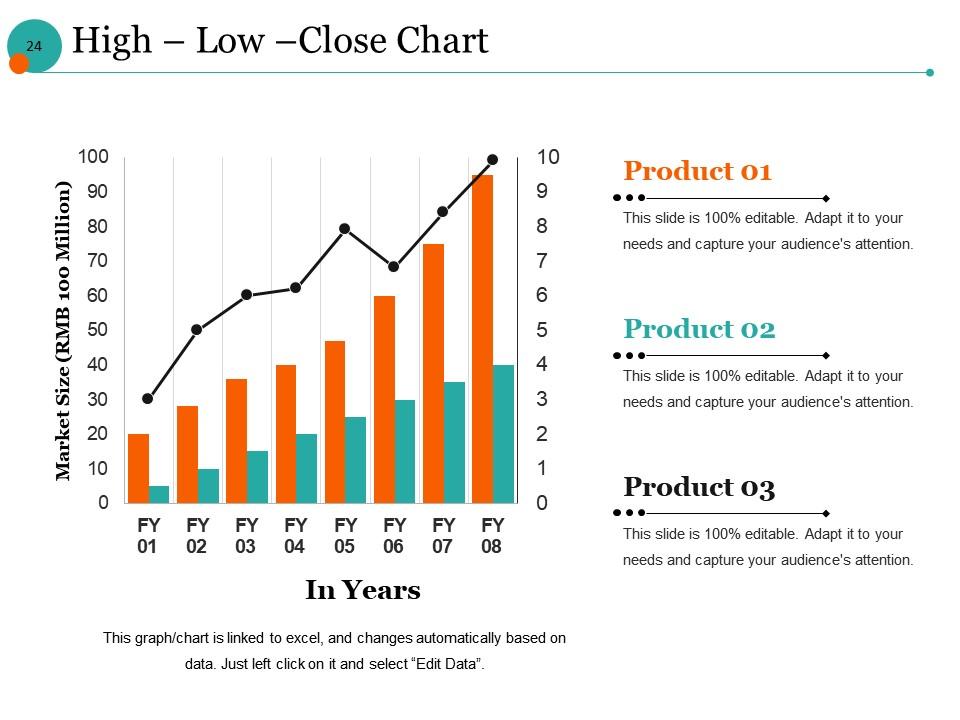
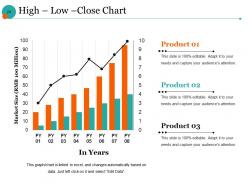
Slide 24: This is a High – Low –Close Chart image slide stating product/ entity comparison.
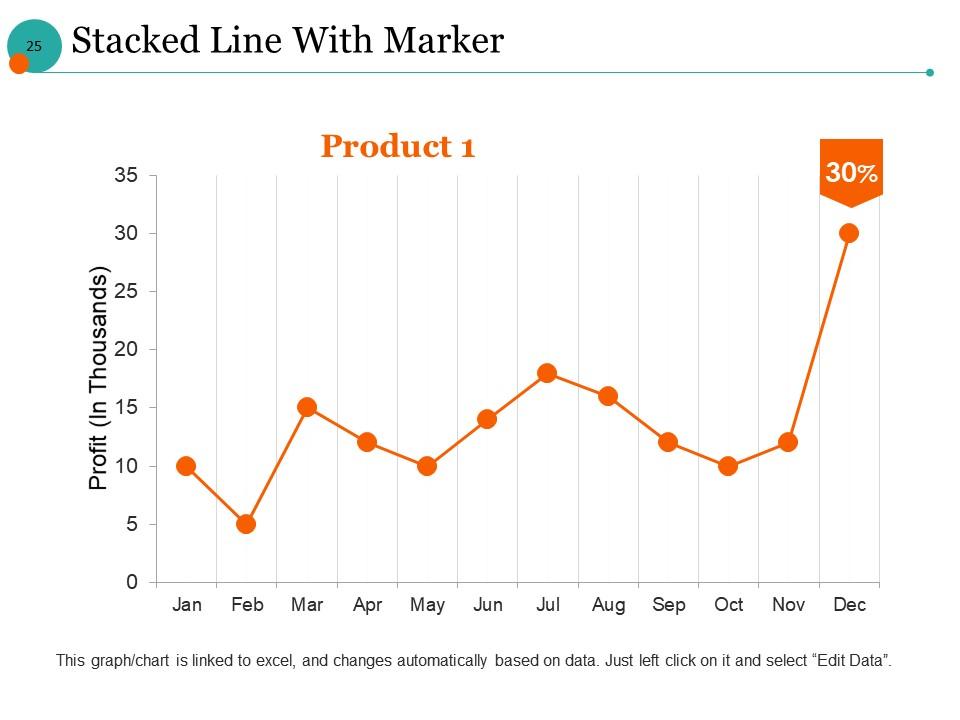
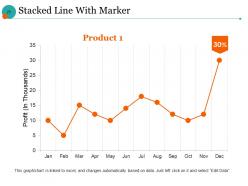
Slide 25: This is a Stacked Line With Marker slide with a graph image.
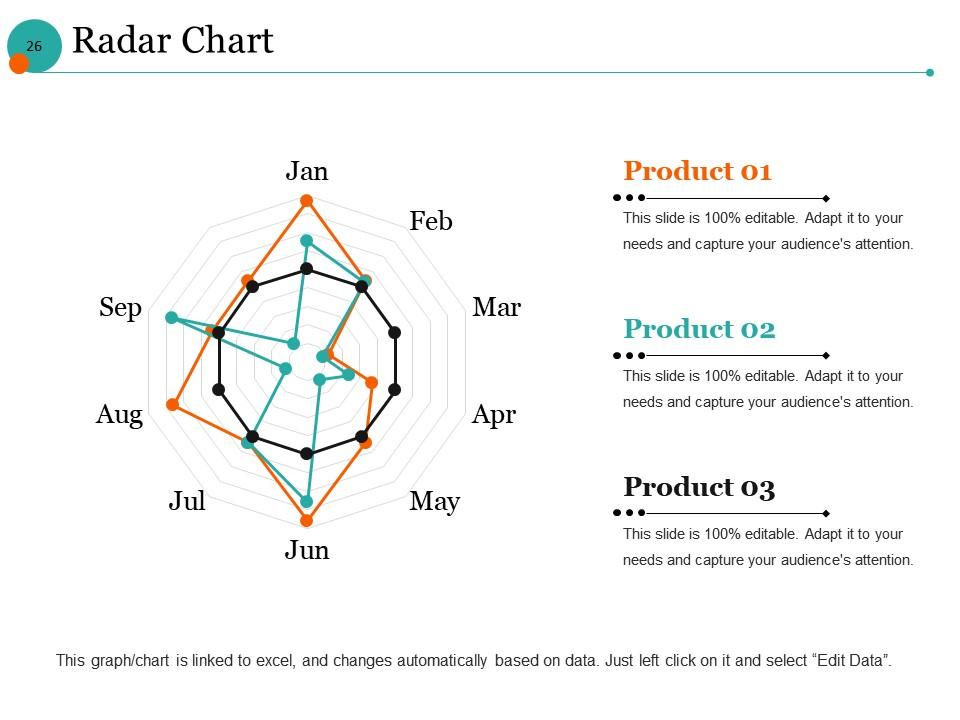
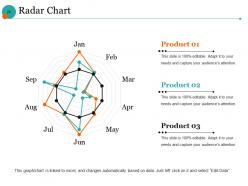
Slide 26: This is a Radar Chart slide to present information, comparison etc.
Slide 27: This slide is titled Additional Slides to move forward. You can change/alter it as per need.
Slide 28: This is Meet Our Team slide with name, designation etc.
Slide 29: This is About Our Company slide. Can be changed/ replaced as per need.
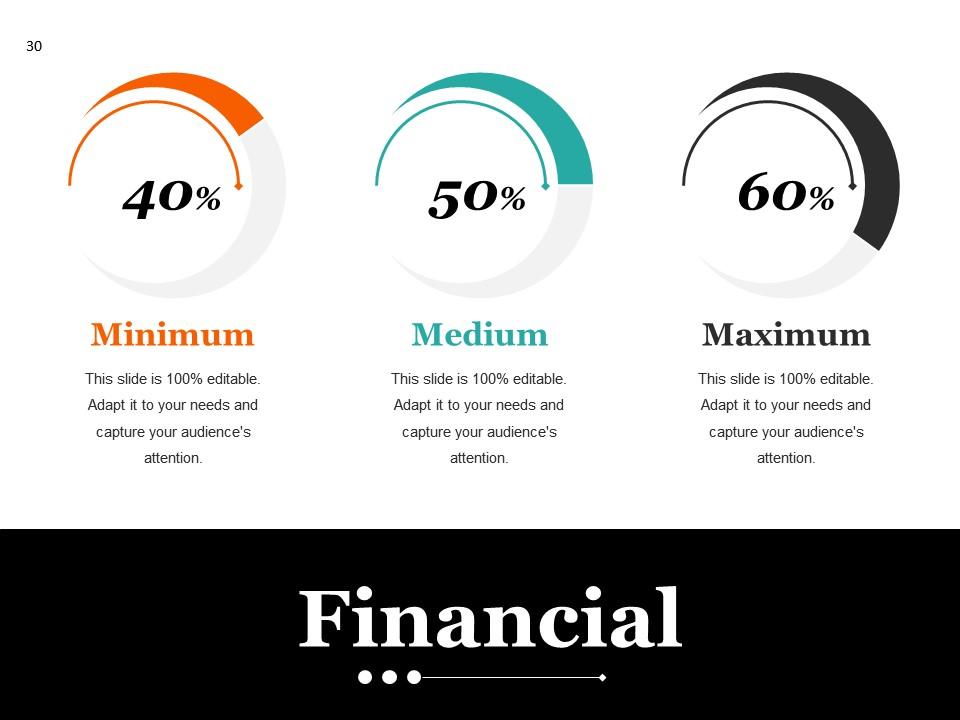
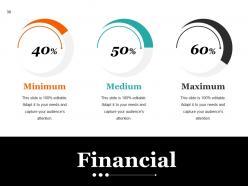
Slide 30: This is a Financial slide ranging from minimum, medium and low. State your financial aspects here.
Slide 31: This is OUR GOAL slide. State your goals, aspirations etc. here.
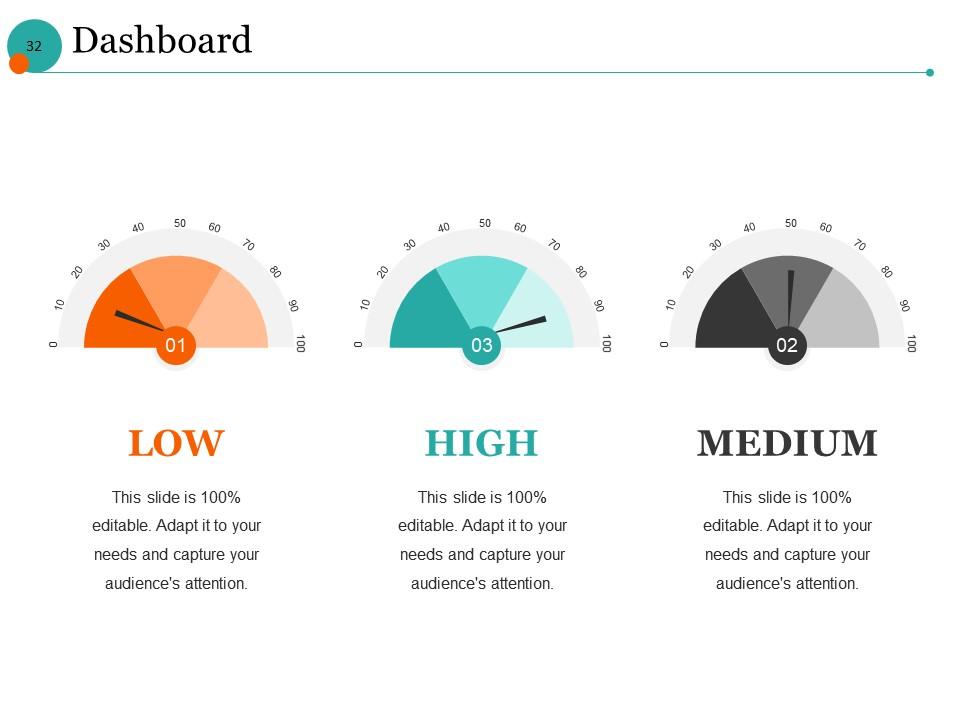
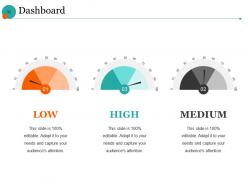
Slide 32: This slide presents the Dashboard with low, medium and high parameters.
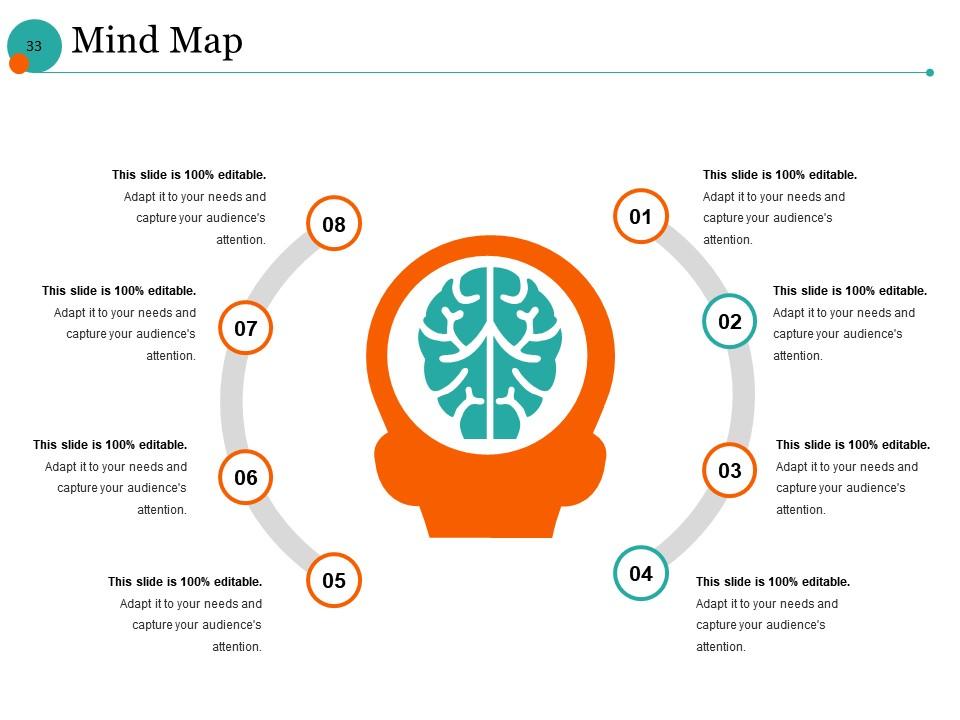
Slide 33: This is a Mind Map image slide with text boxes to fill information.
Slide 34: This is a Blub Or Idea image slide to present innovative/ creative aspects.
Slide 35: This is a Thank You slide with Address, # street number, city,state, Contact numbers, Email address.
Website Development And Marketing Proposal Powerpoint Presentation Slides with all 35 slides:
Our Website Development And Marketing Proposal Powerpoint Presentation Slides have a fetish for being accurate. They eliminate errors of assessment.
-
Wonderful templates design to use in business meetings.
-
Enough space for editing and adding your own content.
