Powerpoint-Präsentationsfolien für die Automatisierung von Roboterprozessen
Try Before you Buy Download Free Sample Product
Audience
Editable
of Time
Verwenden Sie PowerPoint-Präsentationsfolien für die Automatisierung von Roboterprozessen für Ihr Unternehmen, um Aufgaben mit hohem Volumen zu erledigen, für die früher Personal erforderlich war. Führen Sie verschiedene Aufgaben wie Abfragen, Berechnungen, Pflege von Datensätzen und Transaktionen und mehr mithilfe der PPT-Präsentations-Diashow zur Automatisierung von Roboterprozessen aus. Verwenden Sie vorgefertigte PowerPoint-Präsentationsvorlagen für die Automatisierung von Roboterprozessen, um einen besseren Kundenservice, Geschäftsabläufe, eine verbesserte Digitalisierung und Kosteneinsparungen zu erzielen und den Mitarbeitern eine höhere Produktivität zu ermöglichen. Dieses Deck besteht aus Vorlagen wie Schritten zur Automatisierung von Roboterprozessen, dem Spektrum der Automatisierung von Roboterprozessen, Herausforderungen und Lösungen für die Automatisierung von Roboterprozessen, Treiber für die Automatisierung von Roboterprozessen usw. Diese Vorlagen sind vollständig anpassbar. Bearbeiten Sie Farbe, Text, Symbol und Schriftgröße nach Bedarf. Fügen Sie Ihren eigenen Inhalt hinzu und nutzen Sie diese Präsentation zu Ihrem Vorteil. Laden Sie die leicht verständliche Automatisierung von Roboterprozessen herunter, vervollständigen Sie das PowerPoint-Präsentationsdeck und führen Sie Aufgaben aus, die normalerweise menschliches Eingreifen und Intelligenz erfordern. Unsere Powerpoint-Präsentationsfolien zur Automatisierung von Roboterprozessen sind ein Paradies für großartige Ideen. Sie entwickeln sich auf wunderschöne Weise.

Merkmale dieser PowerPoint-Präsentationsfolien:
Präsentieren der PowerPoint-Präsentationsfolie zur Automatisierung von Roboterprozessen. Es umfasst insgesamt 23 professionell gestaltete PPT-Folien. Unsere PowerPoint-Experten haben alle erforderlichen Layouts, Diagramme und Vorlagen zusammengestellt, um die Anforderungen der Kunden zu erfüllen. Dieses inhaltsbereite Deck ist vollständig anpassbar. Bearbeiten Sie die Farbe, den Text und das Symbol gemäß Ihren Anforderungen. Sie können den Inhalt auch nach Bedarf zur Präsentation hinzufügen oder daraus löschen. Sie können diese Präsentation einfach herunterladen. Sie sind hochauflösende PPT-Vorlagen und perfekt mit Google Slides kompatibel.
People who downloaded this PowerPoint presentation also viewed the following :
Inhalt dieser Powerpoint-Präsentation
Folie 1 : Diese Folie stellt Robotic Process Automation mit einer Bildsprache vor. Geben Sie Ihren Firmennamen an und legen Sie los.
Folie 2 : Dies ist eine Agenda-Folie. Notieren Sie hier Ihre Agenda.
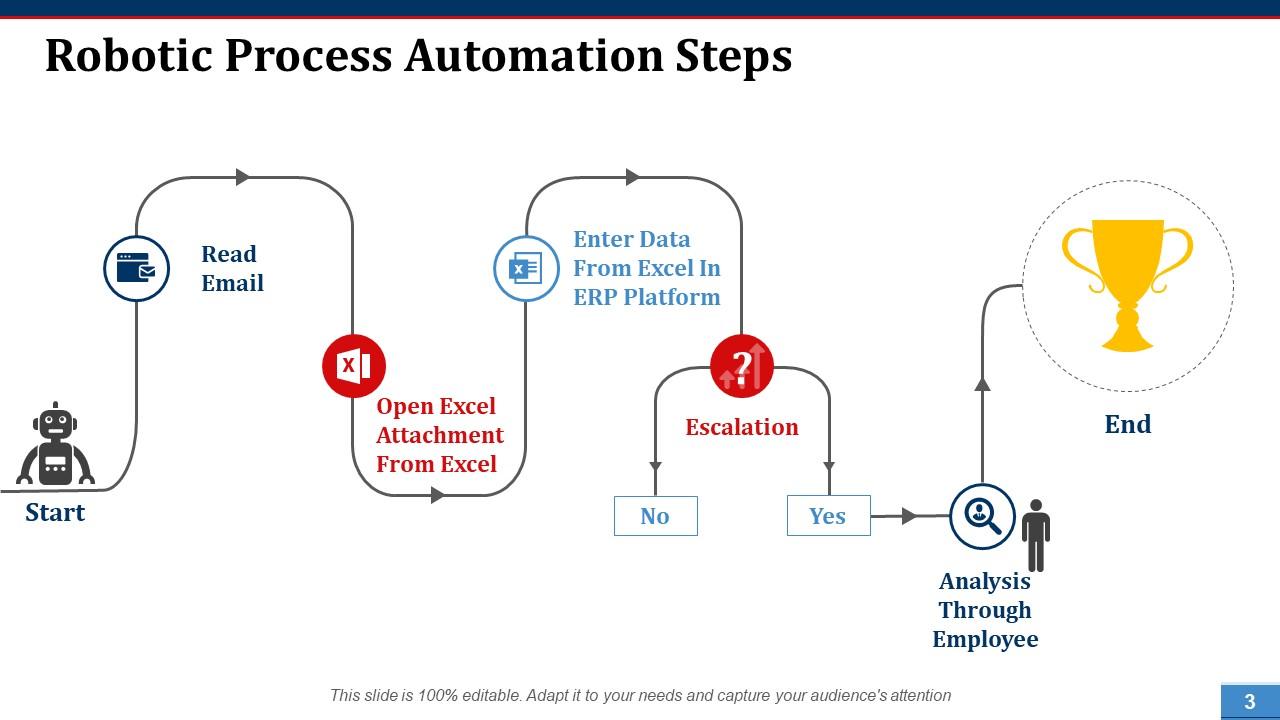
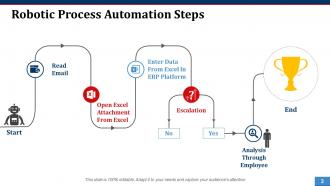
Folie 3 : Diese Folie zeigt die Schritte der Roboterprozessautomatisierung, beginnend mit – E-Mail lesen, Excel-Anhang aus Excel öffnen, Daten aus Excel in die ERP-Plattform eingeben, Eskalation zur Analyse durch Mitarbeiter.
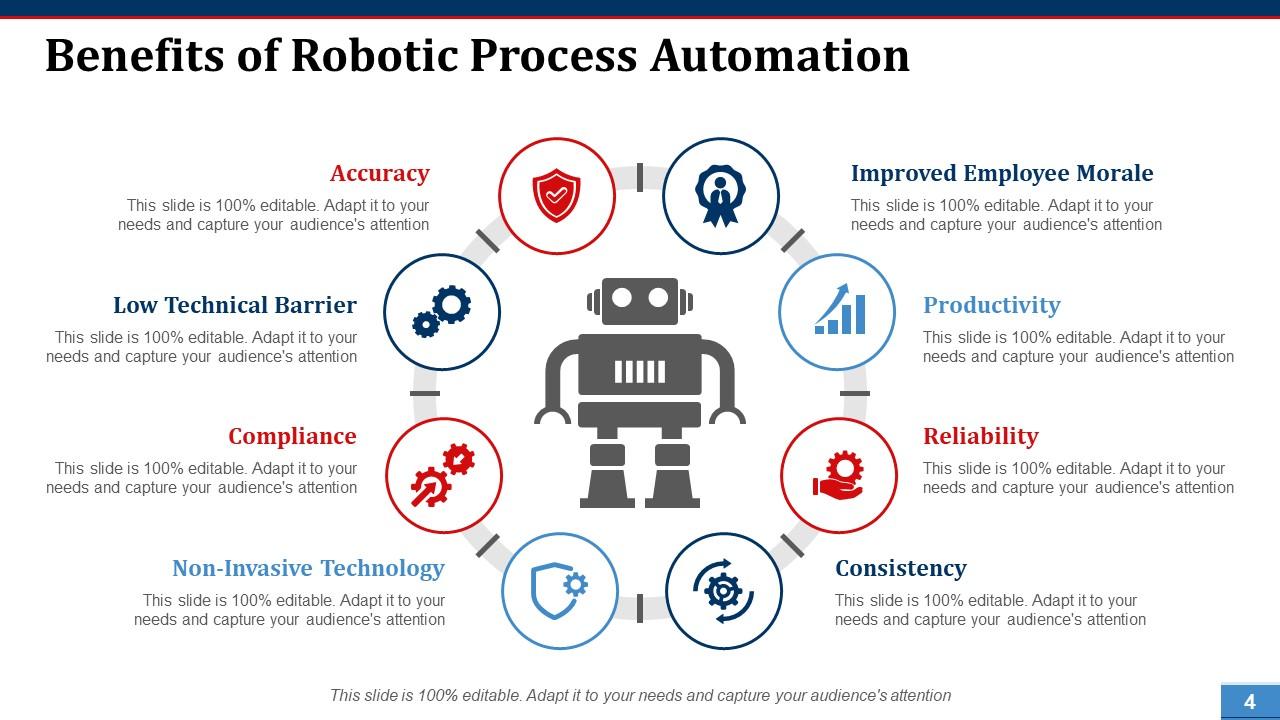
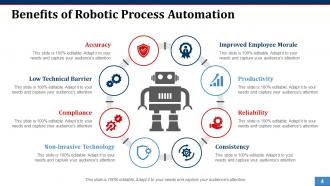
Folie 4 : Diese Folie präsentiert die Vorteile der robotergestützten Prozessautomatisierung, wie z. B. verbesserte Mitarbeitermoral, Produktivität, Zuverlässigkeit, Konsistenz, Genauigkeit, geringe technische Barriere, Compliance, nicht-invasive Technologie.
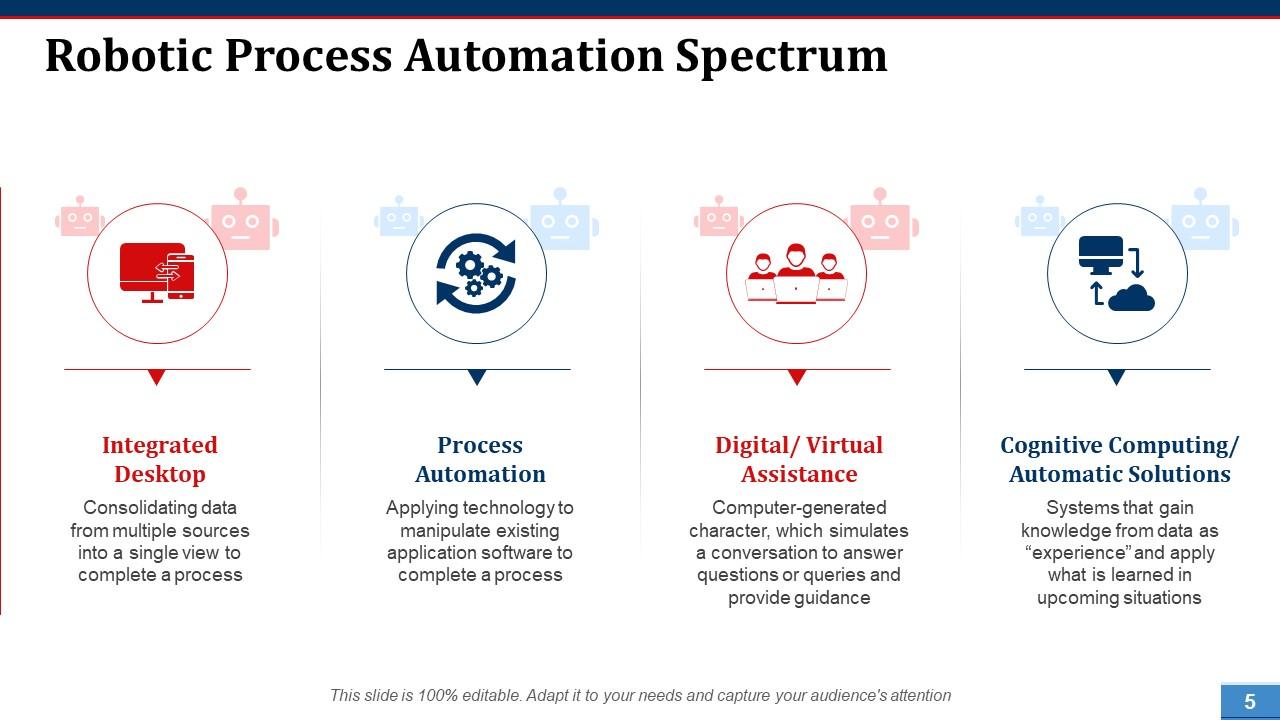
Folie 5 : Diese Folie zeigt das Robotic Process Automation Spectrum mit integriertem Desktop: Konsolidierung von Daten aus mehreren Quellen in einer einzigen Ansicht, um einen Prozess abzuschließen. Prozessautomatisierung: Anwendung von Technologie zur Manipulation vorhandener Anwendungssoftware, um einen Prozess abzuschließen. Digitale/virtuelle Assistenz: Computergenerierter Charakter, der ein Gespräch simuliert, um Fragen oder Anfragen zu beantworten und eine Anleitung zu geben Cognitive Computing/ Automatic Solutions: Systeme, die als „Erfahrung“ aus Daten Wissen gewinnen und das Gelernte in anstehenden Situationen anwenden.
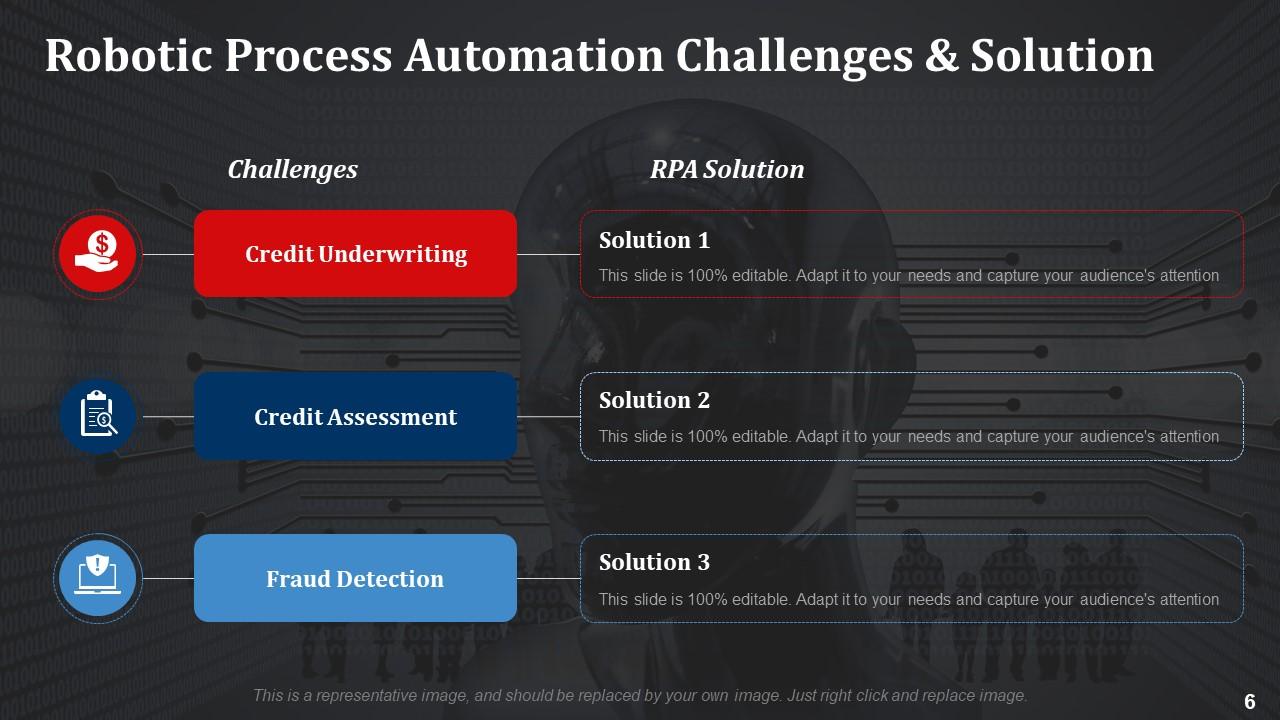
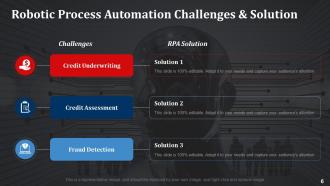
Folie 6 : Diese Folie zeigt die Herausforderungen und die Lösung von Robotic Process Automation – Kreditvergabe, Kreditbewertung, Betrugserkennung mit RPA-Lösungen.
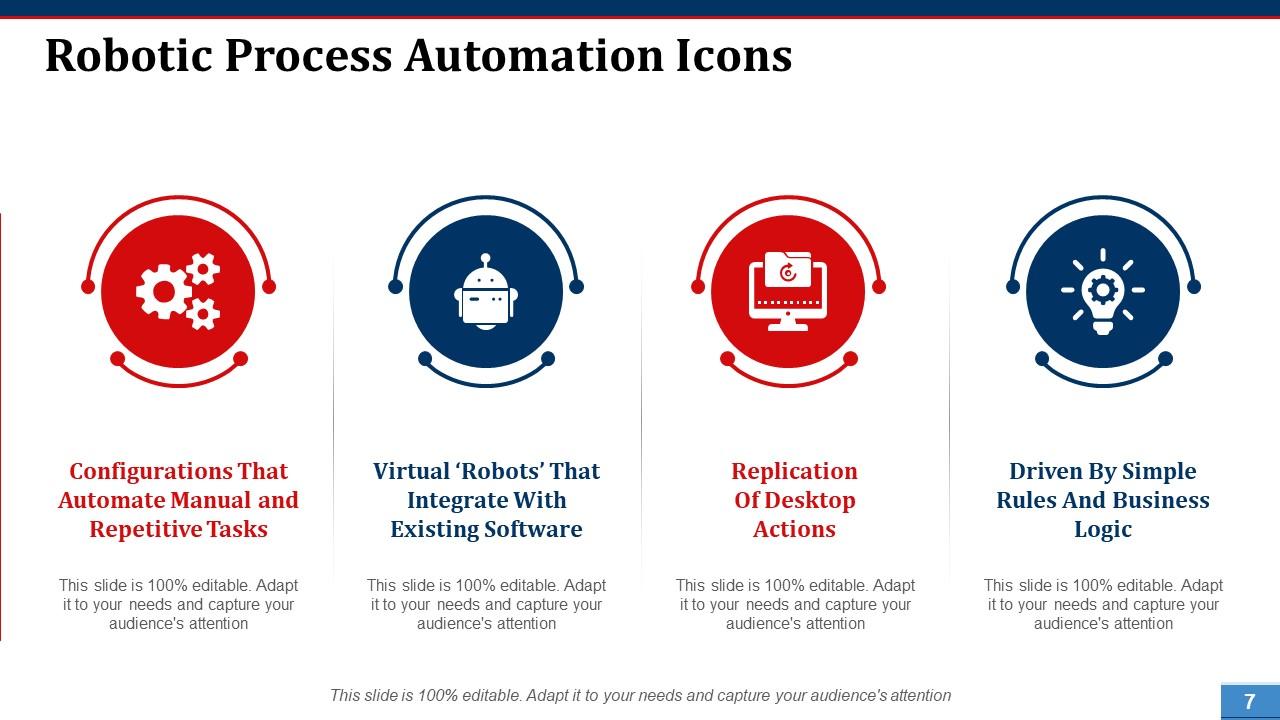
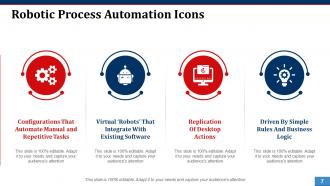
Folie 7 : Diese Folie zeigt robotergesteuerte Prozessautomatisierungssymbole – Konfigurationen, die manuelle und sich wiederholende Aufgaben automatisieren, virtuelle „Roboter“, die sich in vorhandene Software integrieren, Replikation von Desktop-Aktionen, gesteuert durch einfache Regeln und Geschäftslogik.
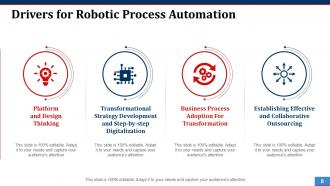
Folie 8 : Diese Folie zeigt Treiber für die robotergesteuerte Prozessautomatisierung wie Plattform- und Design-Thinking, Entwicklung von transformativen Strategien und schrittweise Digitalisierung, Übernahme von Geschäftsprozessen für die Transformation, Etablierung eines effektiven und kollaborativen Outsourcings.
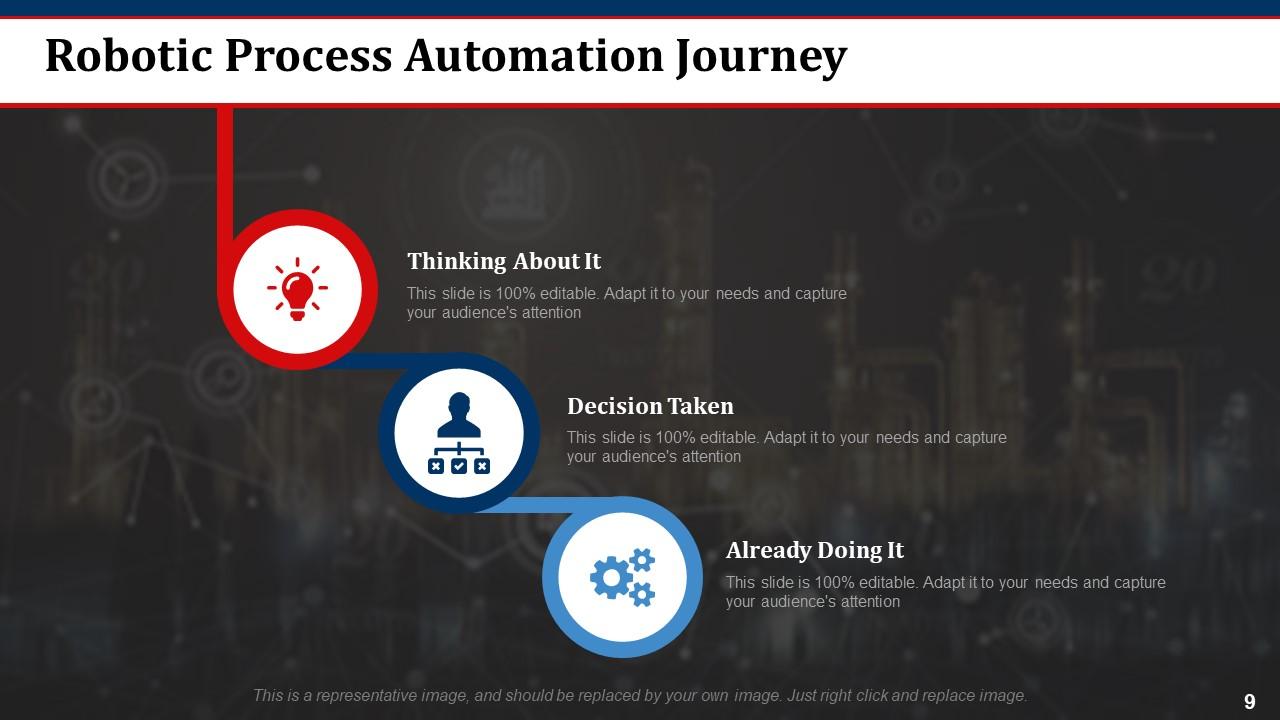
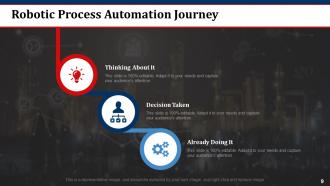
Folie 9 : Diese Folie zeigt die Reise der Robotic Process Automation, bestehend aus: darüber nachdenken, Entscheidungen treffen, es bereits tun.
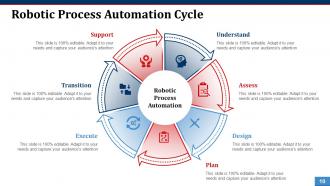
Folie 10 : Diese Folie präsentiert den Robotic Process Automation Cycle – Planen, Verstehen, Unterstützen, Bewerten, Übergang, Design, Ausführen.
Folie 11 : Dies ist eine Folie mit Symbolen für die Roboterprozessautomatisierung. Verwenden Sie die Symbole nach Bedarf.
Folie 12 : Diese Folie trägt den Titel Zusätzliche Folien. Sie können den Inhalt nach Bedarf ändern.
Folie 13 : Diese Folie enthält Unsere Mission mit Vision und Ziel. Geben Sie sie hier an.
Folie 14 : Diese Folie präsentiert Meet Our Team mit Bezeichnung, Bildtexthalter und Textfeldern zum Ausfüllen von Informationen.
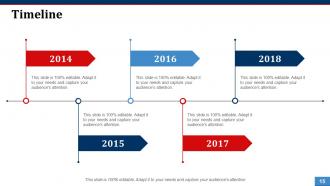
Folie 15 : Diese Folie präsentiert eine Zeitleiste, um Wachstum, Meilensteine, Entwicklung usw.
Folie 16 : Dies ist eine Post-It-Folie zum Flashen von Firmenevents, Nachrichten oder anderen Hervorhebungen.
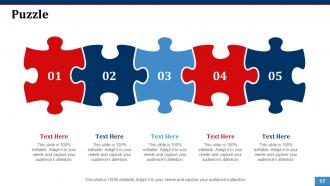
Folie 17 : Dies ist eine Puzzle-Bildfolie mit Textfeldern zur Angabe von Informationen, Spezifikationen usw.
Folie 18 : Dies ist eine Glühbirnen- oder Ideenfolie. Präsentieren Sie hier neue Informationen, innovative Aspekte etc.
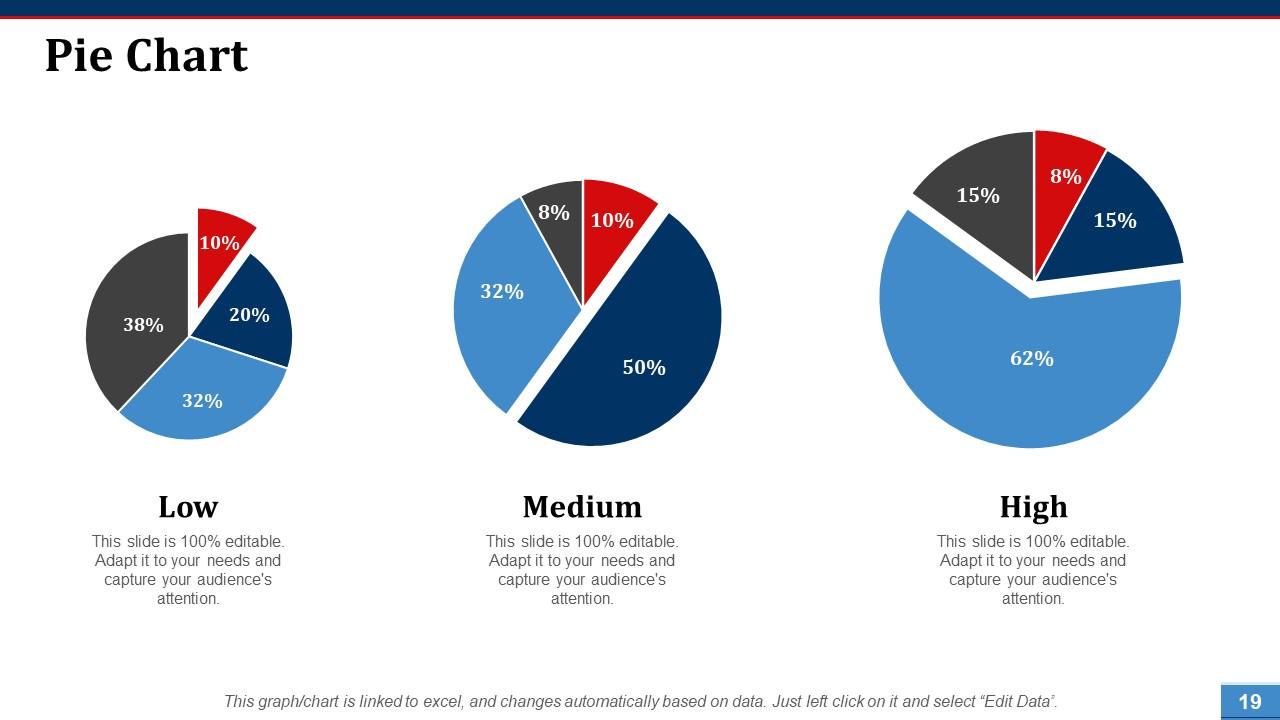
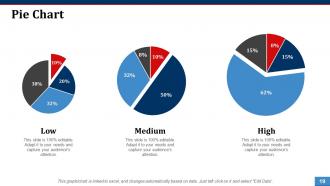
Folie 19 : Diese Folie zeigt ein Kreisdiagramm für den Vergleich von zwei Produkten/Einheiten, Informationen, Spezifikationen usw.
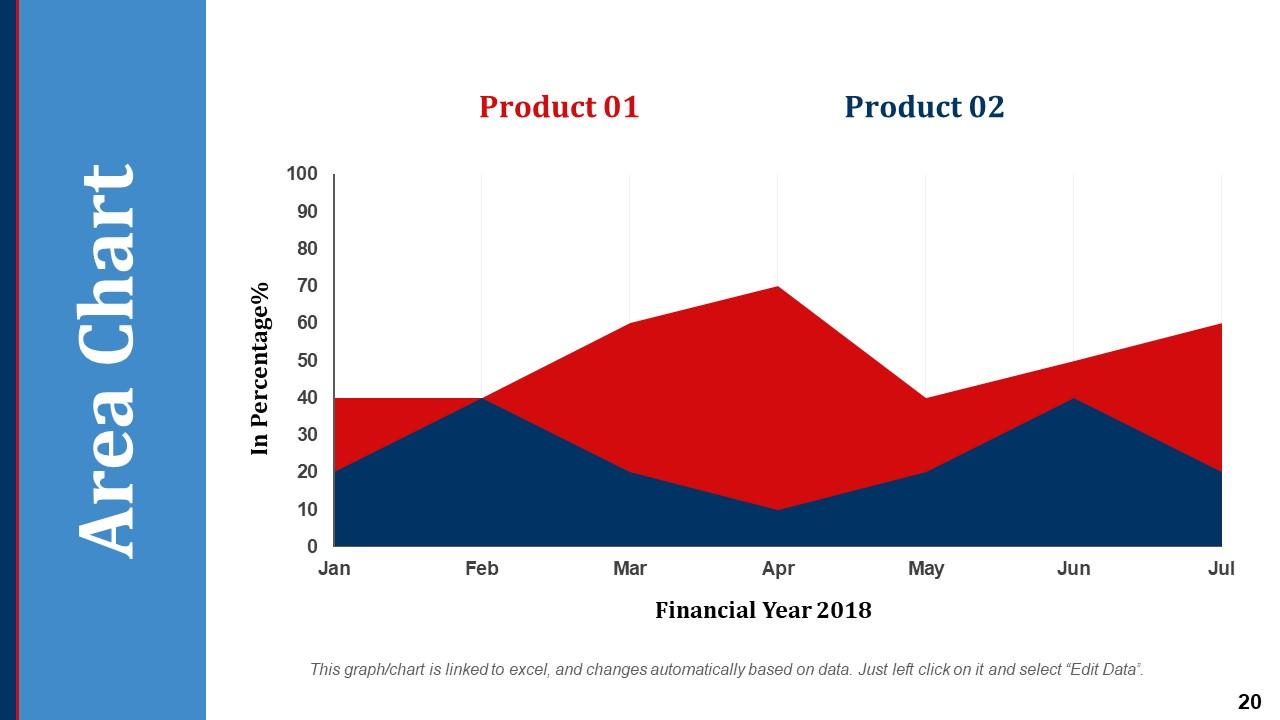
Folie 20 : Diese Folie zeigt ein Flächendiagramm für den Vergleich von zwei Produkten/Einheiten, Informationen, Spezifikationen usw.
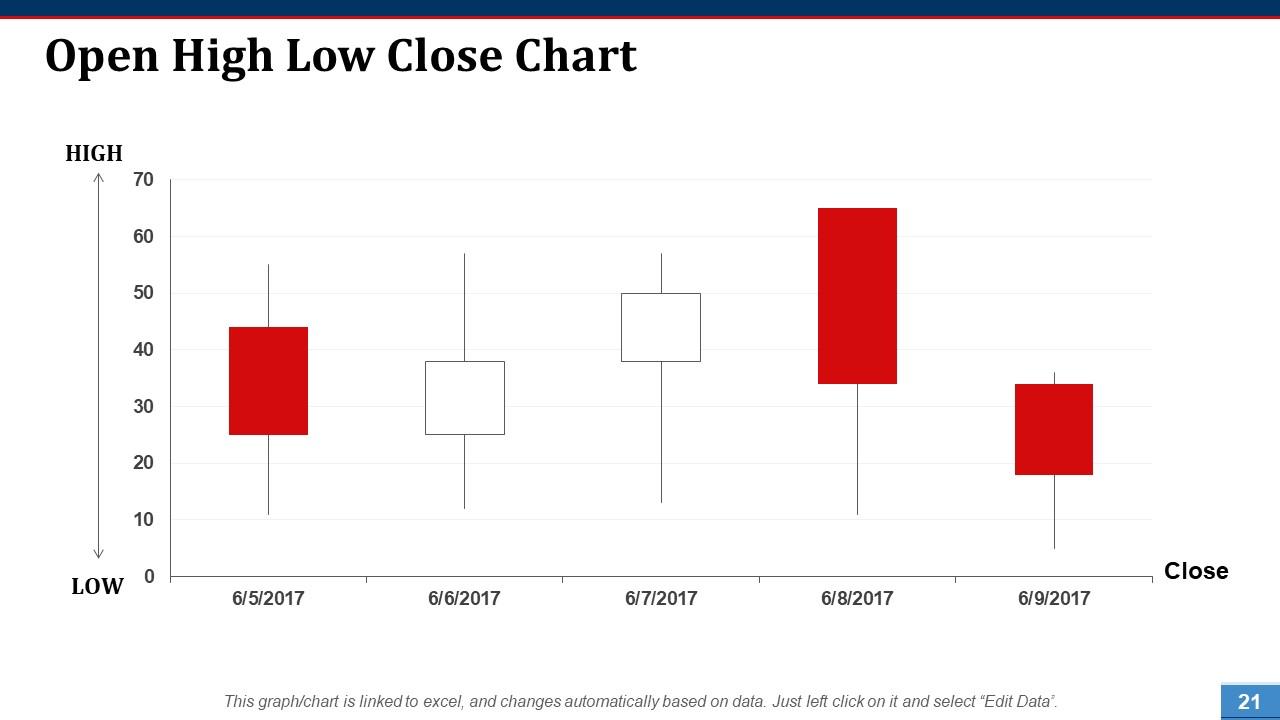
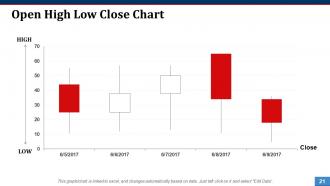
Folie 21 : Diese Folie zeigt ein Open High Low Close Chart für den Vergleich von zwei Produkten/Einheiten, Informationen, Spezifikationen usw.
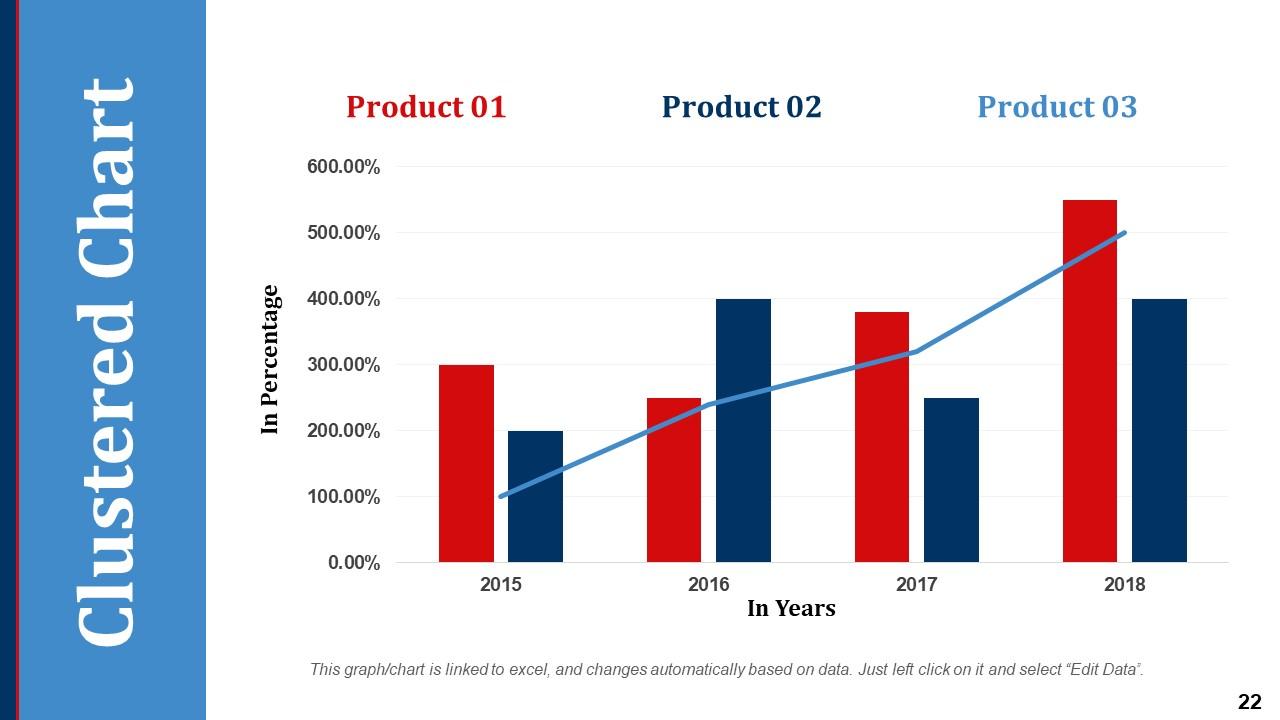
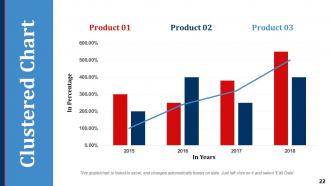
Folie 22 : Diese Folie zeigt ein Cluster-Diagramm für den Vergleich von zwei Produkten/Einheiten, Informationen, Spezifikationen usw.
Folie 23 : Dies ist eine Dankesfolie mit Adresse # Hausnummer, Stadt, Bundesland, Kontaktnummern, E-Mail-Adresse.
Robotische Prozessautomatisierung Powerpoint-Präsentationsfolien mit allen 23 Folien:
Untersuchen Sie Kernelemente mit unseren Powerpoint-Präsentationsfolien zur Robotic Process Automation. Leiten Sie Informationen über das Wesentliche ab.
FAQs for Robotic process automation
So basically you'll save money and get way better accuracy since bots don't make stupid human errors. Your team gets freed up from all that boring repetitive stuff - honestly, most people are pretty relieved about that part. Processing happens way faster too, like 24/7 without coffee breaks. Everything gets documented automatically which is great for compliance headaches. Oh, and your employees will actually be happier doing strategic work instead of mindless data entry all day. I'd start by looking at whatever processes make people want to bang their head against the wall first.
So basically, RPA bots just mimic what you'd do manually - they click buttons, fill out forms, copy data between apps. The beauty is you don't touch your old systems at all. Honestly, that's why everyone loves it. Your bots can even work with those ancient green-screen terminals (ugh, those things). If you've got APIs available, connect through those for better data flow. Otherwise, database connections work too. Just think about which repetitive tasks you're doing with legacy systems right now - that's where you'll want to start.
Look for stuff that's super repetitive and follows the same steps every time - data entry, invoice processing, moving info between systems. Basically anything digital that doesn't need creativity or judgment calls. I always tell people: if you're doing the exact same boring clicks daily, that's your answer right there. High-volume tasks work best since the setup effort pays off. Physical stuff won't work, and neither will processes where you have to think on your feet. Start by listing out your most mind-numbing, rule-based work first - those are goldmines for automation.
So regular RPA bots are basically just following scripts, right? But when you add AI, suddenly they can actually "think" through problems. Like if an invoice comes in with a weird format, the AI figures it out instead of just breaking. Pretty neat setup - AI does the smart stuff (reading text, making decisions) while RPA handles the actual clicking and moving data around. You can automate way more complex stuff this way, honestly way more than I expected when I first heard about it. Look for processes where you're getting stuck because of data that's all over the place.
So RPA cuts out human error from compliance stuff, which honestly saves so much headache. You automate regulatory reporting and data validation, boom - same results every time. No more "oh crap I missed updating that spreadsheet" panic at 2am. The bots document everything as they go, so your audit trails are solid. When regulations change? Just tweak the automation instead of retraining your whole team. I'd start with whatever manual compliance tasks make you want to pull your hair out - that's where you'll see the biggest difference.
Honestly, the hardest part isn't the tech stuff - it's getting people to not freak out about losing their jobs. Start with boring, repetitive tasks that nobody actually wants to do anyway. Don't jump into crazy complicated processes first (learned that one the hard way). Legacy systems will fight you every step of the way, and your bots will break whenever someone updates literally anything. Scaling up from your first pilot project? That's where most companies hit a wall. Communication is huge upfront. Oh, and you'll need solid governance or things get messy real quick. Pick simple, high-volume stuff first and talk to your team early.
So basically you're looking at time saved vs what you spent on the whole thing. Track how many hours each process saves, then multiply that by hourly wages. Don't forget to add in the cost of fewer errors too - that stuff adds up fast. Hard savings are actual job reductions, soft savings are when people can focus on better work instead. Honestly, some companies overthink this with crazy productivity dashboards, but the math isn't rocket science. Just make sure you're measuring everything before you roll it out so you've got something real to compare against later.
First thing - make sure it can actually grow with you. Nothing worse than outgrowing your platform in 2 years. Check if your team can figure it out without constant training (some tools are just ridiculously overcomplicated). Integration is massive, especially with older systems. Vendor support matters more than people think - I've seen companies ghost you right after signing. Pricing models vary wildly, so dig into that. Security and cloud vs on-premise depends on your IT situation. Honestly? Run pilots with your top picks before you commit to anything major.
Honestly, RPA is a game-changer for getting rid of soul-crushing busywork. Your team won't have to spend hours doing data entry or processing invoices anymore. People can actually work on stuff that matters - strategy, creative projects, building relationships with customers. I mean, who wants to copy-paste between spreadsheets all day? That's torture. When employees aren't buried in tedious tasks, job satisfaction goes way up. They're doing real work instead of robot stuff. Productivity jumps too since humans are freed up to do what we're actually good at. Look at your team's most annoying daily tasks first.
RPA's getting way smarter these days. The new AI-powered bots can actually handle messy data and make real decisions instead of just crashing when something weird happens. Machine learning is basically getting baked right into workflows now - it's pretty cool actually. Cloud platforms are making everything easier to deploy too. Oh, and process mining tools are finally helping companies figure out what they should even be automating in the first place (which honestly should've been step one). I'd look into vendors mixing RPA with AI capabilities soon because those old rule-based bots are gonna look ancient real quick.
Look, RPA mostly changes jobs instead of wiping them out completely. All those boring, repetitive tasks? Gone. Your people get to do the interesting stuff - analysis, solving actual problems, talking to customers. Once teams get over being scared, they usually love it tbh. Sure, some positions disappear, but new ones pop up for managing bots and handling weird exceptions. The trick is training people beforehand. Teach them analytical skills or even RPA development. Find the naturally tech-curious folks on your team and turn them into your biggest advocates. Those champions make all the difference.
Banking's getting hit hardest - loan approvals that took forever now happen super fast. Healthcare and insurance are right there too with all their claims processing stuff. Manufacturing's jumping on it for supply chain things. Really, most industries are dealing with this now in some way. Oh, and retail obviously - they love automating inventory tasks. My advice? Look at whatever boring, repetitive stuff your team does daily. Those processes are usually the easiest wins when you're starting out with RPA. Don't overthink it.
Honestly, don't just wing the governance part - I've seen that backfire badly. Set up a center of excellence right away to handle standards and oversight. Someone needs to decide who builds bots, who signs off on them, and who fixes things when they break. Monthly reviews help catch problems early too. The tricky part is letting people get creative with automation without everything turning into chaos. Oh, and definitely do regular audits - you'd be surprised how many "rogue bots" pop up when nobody's watching. It's all about finding that sweet spot between innovation and control.
First thing - never hardcode passwords, that's just asking for trouble. Use a secure vault for your bot credentials instead. Make sure you're only giving bots the bare minimum permissions they actually need, nothing extra. Encrypt everything, especially if there's sensitive data involved. Set up logging and monitoring too because honestly, bots can break in the weirdest ways sometimes. Oh, and don't forget regular security audits since these things often get privileged access. I'd make a security checklist before deploying anything - saves so much pain down the road.
Get leadership on board first - that's honestly half the battle right there. Then explain the "why" to everyone affected because people freak out when they don't understand what's happening. Don't just throw training at them either, actually involve your team in the process. Be upfront about how roles will change (crossing fingers they won't disappear completely). Make sure there's ways for people to voice concerns quickly. Oh, and definitely celebrate those first wins loud and proud - builds momentum like crazy. This isn't just tech stuff, it's really about managing people through change.
-
Enough space for editing and adding your own content.
-
Topic best represented with attractive design.